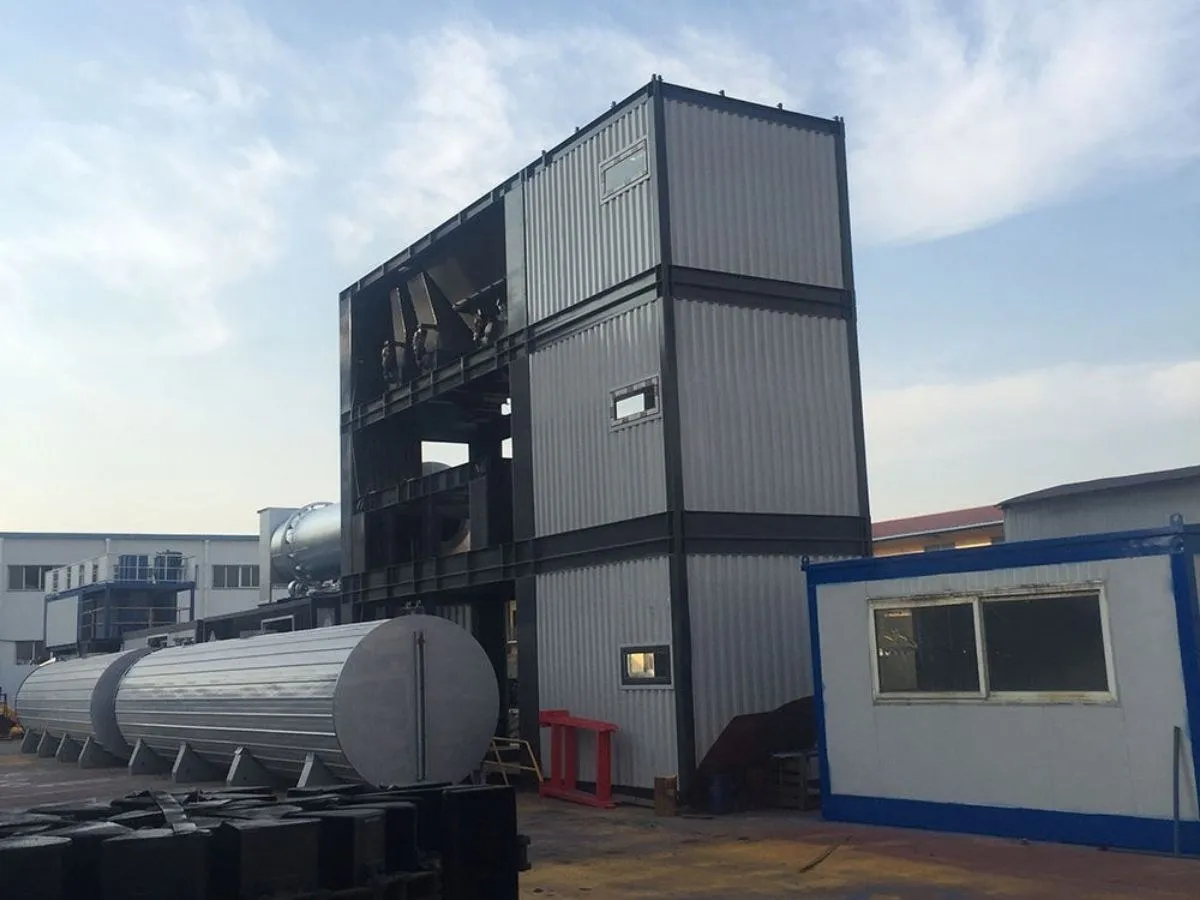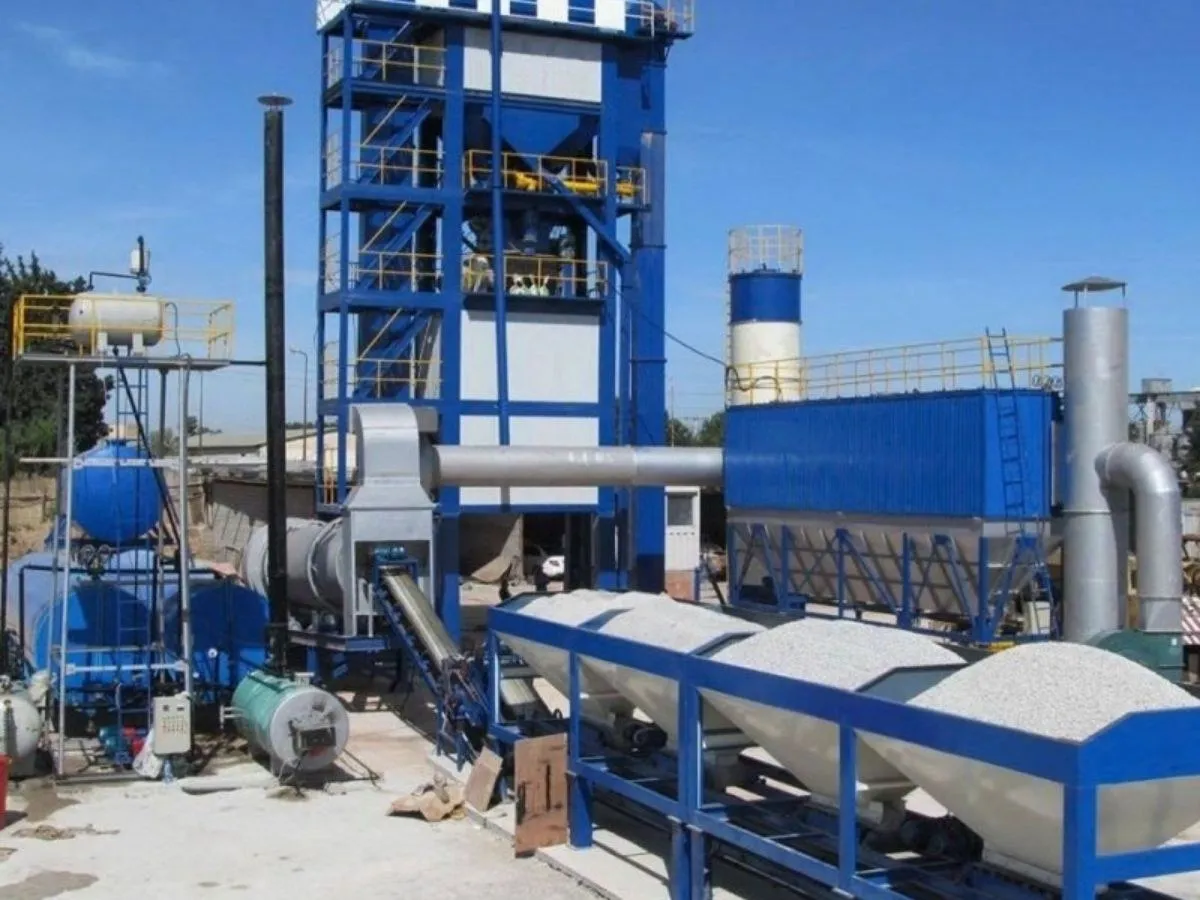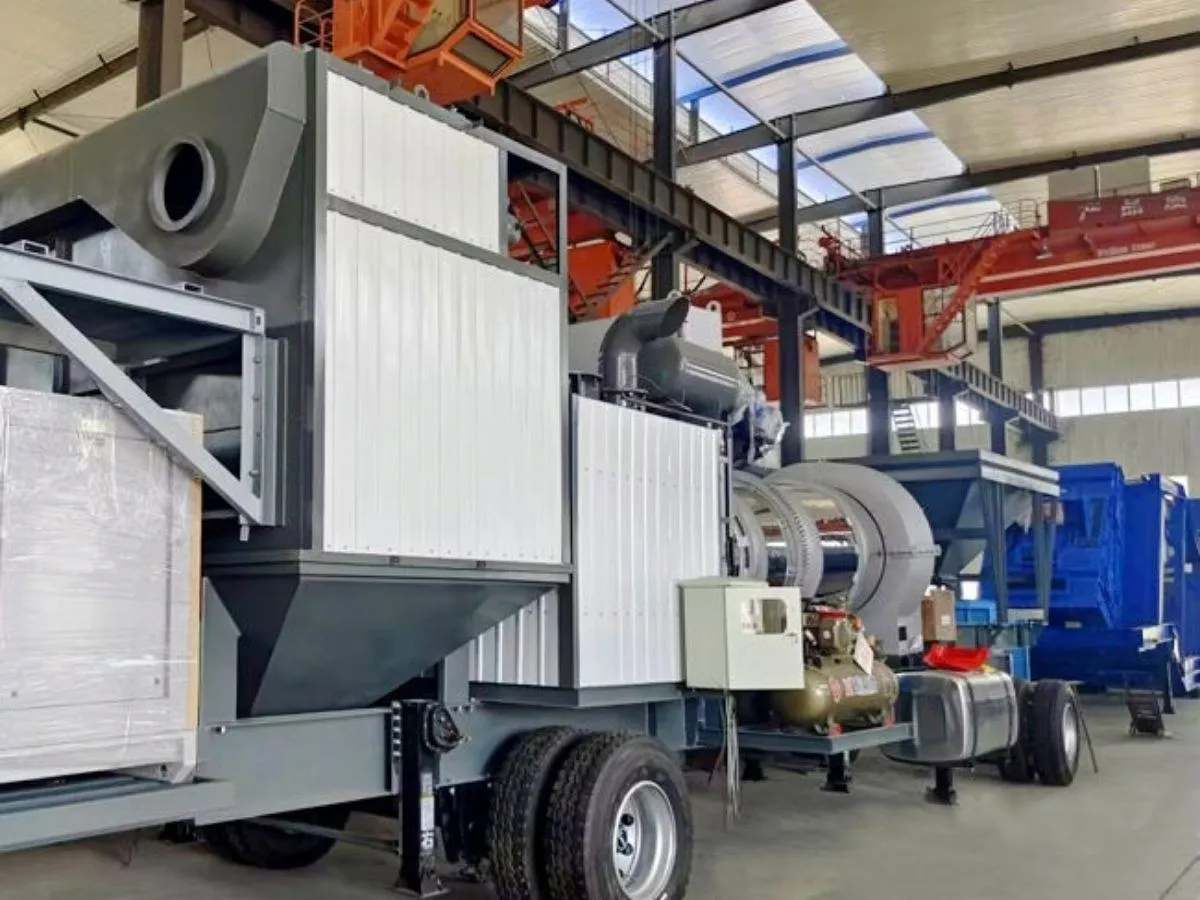

Commissioning is where an assembled plant becomes a producing plant. Our engineers run it with your crew, so training happens on the plant you will operate. Below is a typical day-by-day sequence for a mid-size batch plant — actual days depend on plant size, crew experience and whether materials are ready.
Before commissioning: what must be ready
| Item | Why |
|---|---|
| Mechanical installation complete | All units placed, bolted, ducts and lines connected |
| Power | Grid or generator at the right voltage and frequency |
| Fuel | Enough for trials and the first production days |
| Bitumen | In the tank at pumping temperature |
| Aggregate | Every size in its bay and bin |
| Test weights | For scale calibration |
| Trucks | To take trial mixes away |
| Lab and technician | To test trial mixes |
| Crew | Operators, maintenance mechanic and electrician present every day |
A typical commissioning sequence
| Day | Work | Training focus |
|---|---|---|
| 1 | Pre-start checks: mechanical, electrical, lubrication, safety devices; motor rotation | Plant layout, safety rules, lock-out/tag-out |
| 2 | No-load runs of every unit; interlocks; emergency stops; control system I/O checks | Control screens, start-up and shutdown sequence |
| 3 | Scale calibration (aggregate, filler, bitumen); cold feeder calibration | Calibration method and records |
| 4 | Burner set-up: ignition, flame, air-fuel ratio; drum heating with aggregate | Burner control, temperature management |
| 5 | Trial batches: temperatures, mixing times, discharge; adjust recipes | Recipe entry, batch monitoring, alarms |
| 6 | Trial production with your lab: gradation, binder content, temperatures | Quality checks, adjustments |
| 7 | Production under supervision; punch list; handover | Daily checks, lubrication, wear parts, plant log |
Containerized and mobile plants often move faster through days 1–2 because units arrive pre-wired and tested.
Training by role
| Role | What they learn |
|---|---|
| Plant operator | Start-up and shutdown; recipes; burner and temperature control; alarms; batch records |
| Maintenance mechanic | Daily to monthly checks; lubrication; belt, chain, liner and paddle replacement; baghouse care |
| Electrician | Cabinets, motors, sensors, interlocks; fault finding with the control system |
| Plant manager | Production planning; fuel and output records; spare parts stock; safety |
Handover documents
- Operating and maintenance manuals
- Electrical drawings and parts lists
- Calibration records for scales and feeders
- Burner settings record
- Lubrication chart and maintenance schedule
- Punch list, signed when closed
Common delays — and how to avoid them
| Delay | Prevention |
|---|---|
| No fuel or bitumen at temperature | Deliver and heat before engineers arrive |
| Missing aggregate sizes | Fill every bay and bin |
| No trucks for trials | Book them for trial days |
| Crew changes every day | Same trainees throughout |
| Power problems | Test the generator or grid supply with load beforehand |
Our service page explains how engineers’ days are agreed in the contract. For the steps before commissioning, see installation time. Plan commissioning with us.