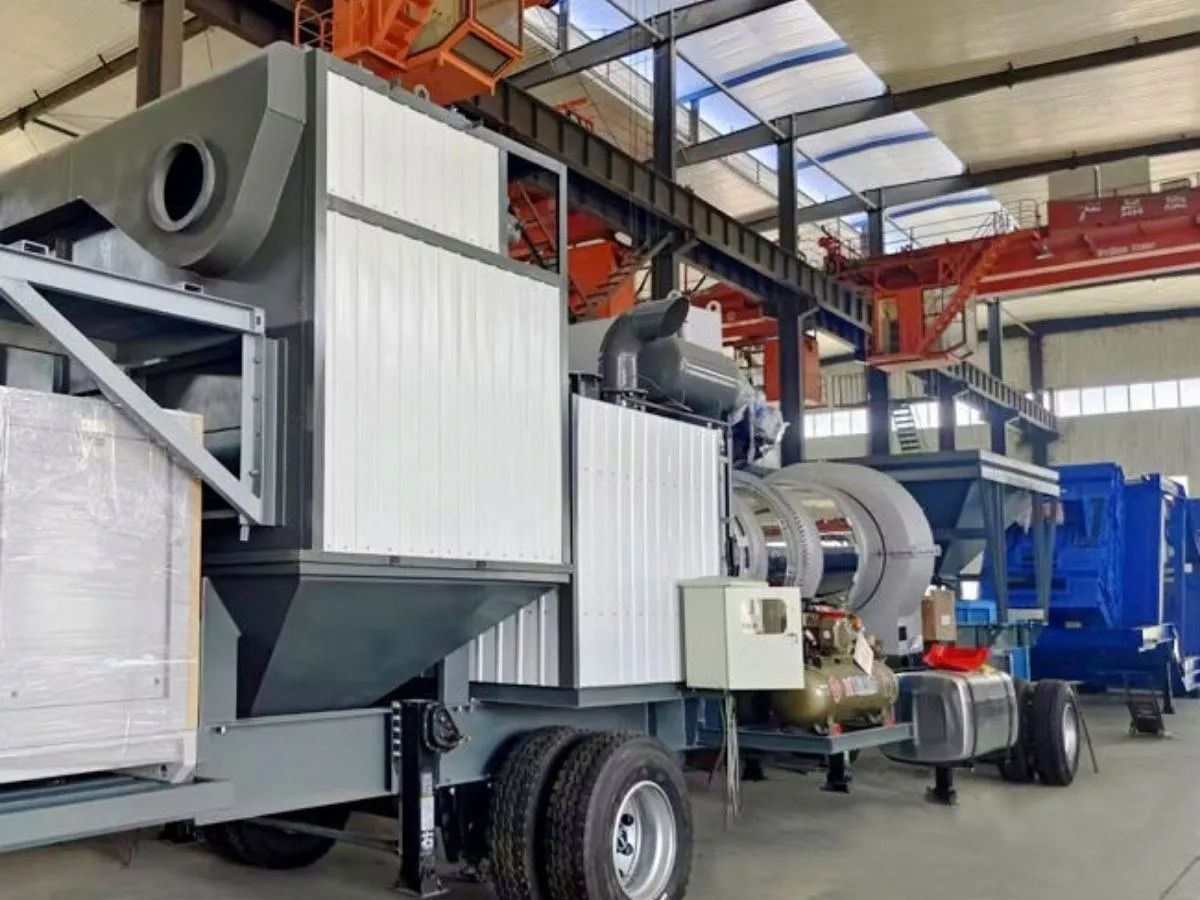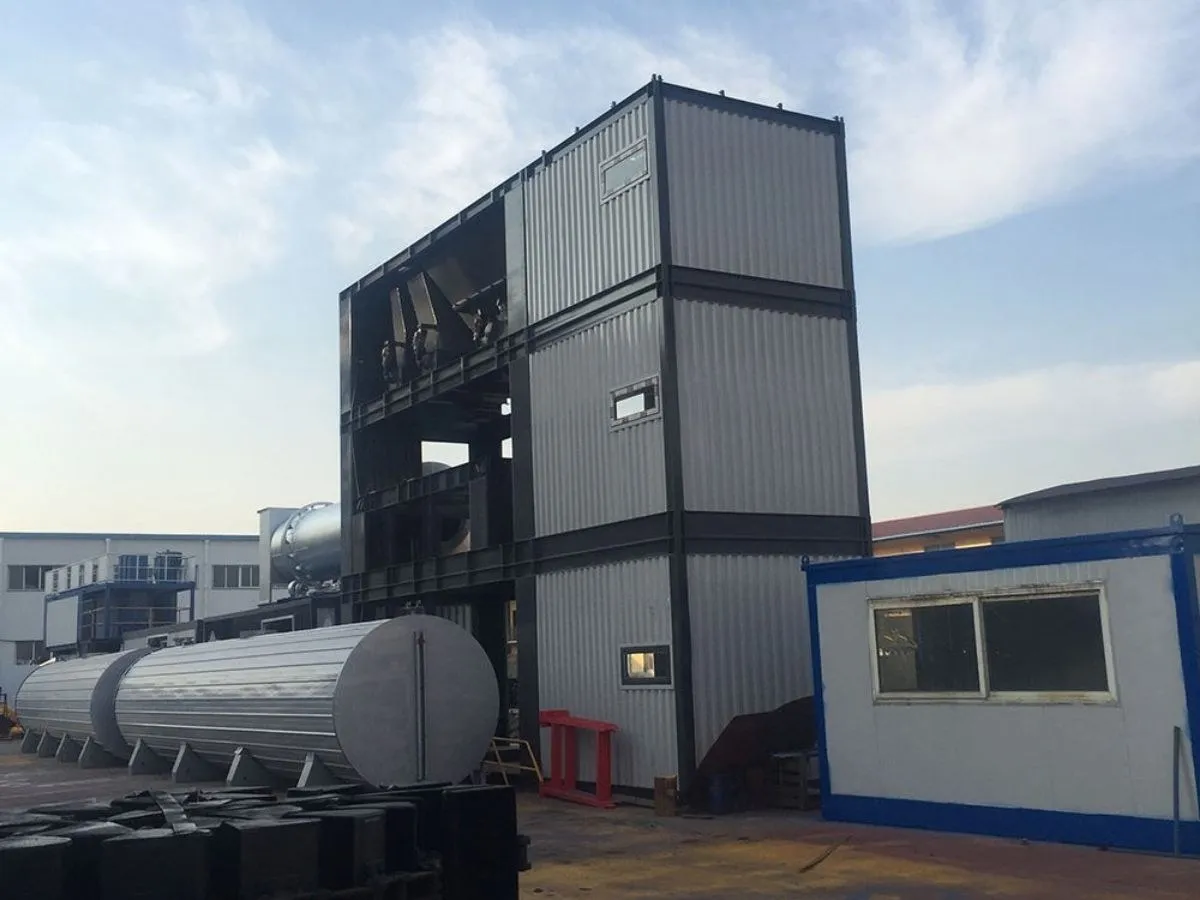
- Containerized
- Batch mixing
- 80–400 t/h
Containerized Asphalt Plant
RMX-C80 ~ RMX-C400
Contractors who move between projects or export plants overseas and still need batch-level mix accuracy.
Asphalt mixing plants and practical support for road projects worldwide

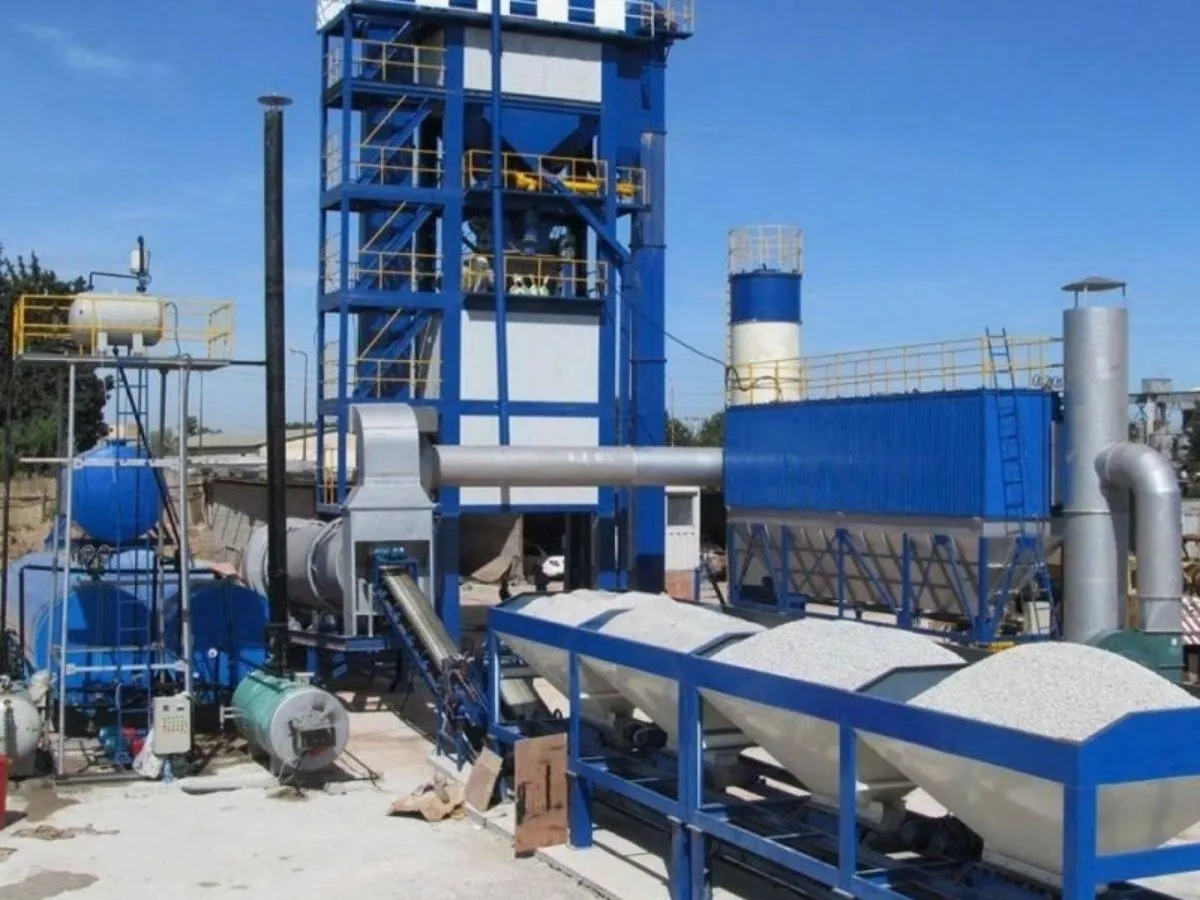
A permanent batch plant for long-term production — the most flexible choice when you supply many customers, recipes and specifications from one site.
Best for: Asphalt producers and contractors running one site for years, with many mix recipes and strict specifications.
A stationary batch plant dries and heats aggregate in a rotating drum, screens it into hot bins, then weighs aggregate, filler and bitumen for each batch before mixing. Because every batch is weighed, one plant can switch between base, binder and surface mixes — or between customers — during the same shift.
Allow space for aggregate stockpiles, truck circulation, bitumen tanks and future additions such as extra storage silos or a RAP line. If you expect to move within a few years, compare the containerized plant, which needs no foundations.
| System | Function |
|---|---|
| Cold feed bins and belt feeders | Proportion each aggregate size by belt speed |
| Drying drum and burner | Dry and heat aggregate to mixing temperature |
| Hot elevator and vibrating screen | Lift hot aggregate and split it into size fractions |
| Hot bins and scales | Store each fraction and weigh aggregate, filler and bitumen per batch |
| Twin-shaft mixer | Mix each batch to a uniform coating |
| Baghouse | Capture dust, return filler, keep stack emissions low |
| Hot mix storage silo (option) | Buffer production against truck arrivals |
| Bitumen tanks and heating | Store binder at pumping temperature |
| Control room | PLC, recipes, batch records and diagnostics |
| Model | Rated output | Daily output, 8 h at 75% | Typical use |
|---|---|---|---|
| RMX-B60 | 60 t/h | about 360 t | Municipal plant, small towns |
| RMX-B80 / B120 | 80–120 t/h | 480–720 t | Regional contractors, provincial roads |
| RMX-B160 / B200 | 160–200 t/h | 960–1,200 t | Highway contracts, commercial supply |
| RMX-B240 / B320 | 240–320 t/h | 1,440–1,920 t | Expressways, large commercial plants |
| RMX-B400 | 400 t/h | about 2,400 t | Metropolitan supply, mega projects |
Commercial producers should also size hot mix storage: two or more silos let the plant run steadily while trucks from different customers arrive unevenly.
A batch plant screens the hot aggregate and weighs every component for each batch. When stockpile gradation drifts, the hot bins absorb part of the change; when the recipe changes, the next batch follows the new formula. That is why many highway and airport specifications favor batch plants, and why commercial plants serving several customers are usually batch plants.
Hot mix storage silos, extra bitumen tanks, thermal-oil heating, coal powder or dual-fuel burners, RAP line, fiber and additive feeders for SMA, insulation for cold climates, and an asphalt laboratory set.
Indicative FOB prices for RMX-B plants run from about $115,000 (60 t/h) to about $1.0 million (400 t/h). See the model-by-model price page and the price guide for the capacity breakdown.
Stationary Batch Asphalt Plant — RMX-B60 ~ RMX-B400, 60–400 t/h.
| Model | RMX-B60 | RMX-B80 | RMX-B120 | RMX-B160 | RMX-B200 | RMX-B240 | RMX-B320 | RMX-B400 |
|---|---|---|---|---|---|---|---|---|
| Rated output (t/h) | 60 | 80 | 120 | 160 | 200 | 240 | 320 | 400 |
| Mixer capacity (kg/batch) | 750 | 1000 | 1500 | 2000 | 2500 | 3000 | 4000 | 5000 |
| Installed power (kW) | 178 | 285 | 380 | 470 | 547 | 700 | 870 | 960 |
| Fuel consumption, oil (kg/t) | 5.5–7 | 5.5–7 | 5.5–7 | 5.5–7 | 5.5–7 | 5.5–7 | 5.5–7 | 5.5–7 |
| Fuel consumption, coal (kg/t) | ≈10 | ≈10 | ≈10 | ≈10 | ≈10 | ≈10 | ≈10 | ≈10 |
| Stack dust emission (mg/Nm³) | ≤20 | ≤20 | ≤20 | ≤20 | ≤20 | ≤20 | ≤20 | ≤20 |
Configurations can be customized. Ask for a model recommendation →
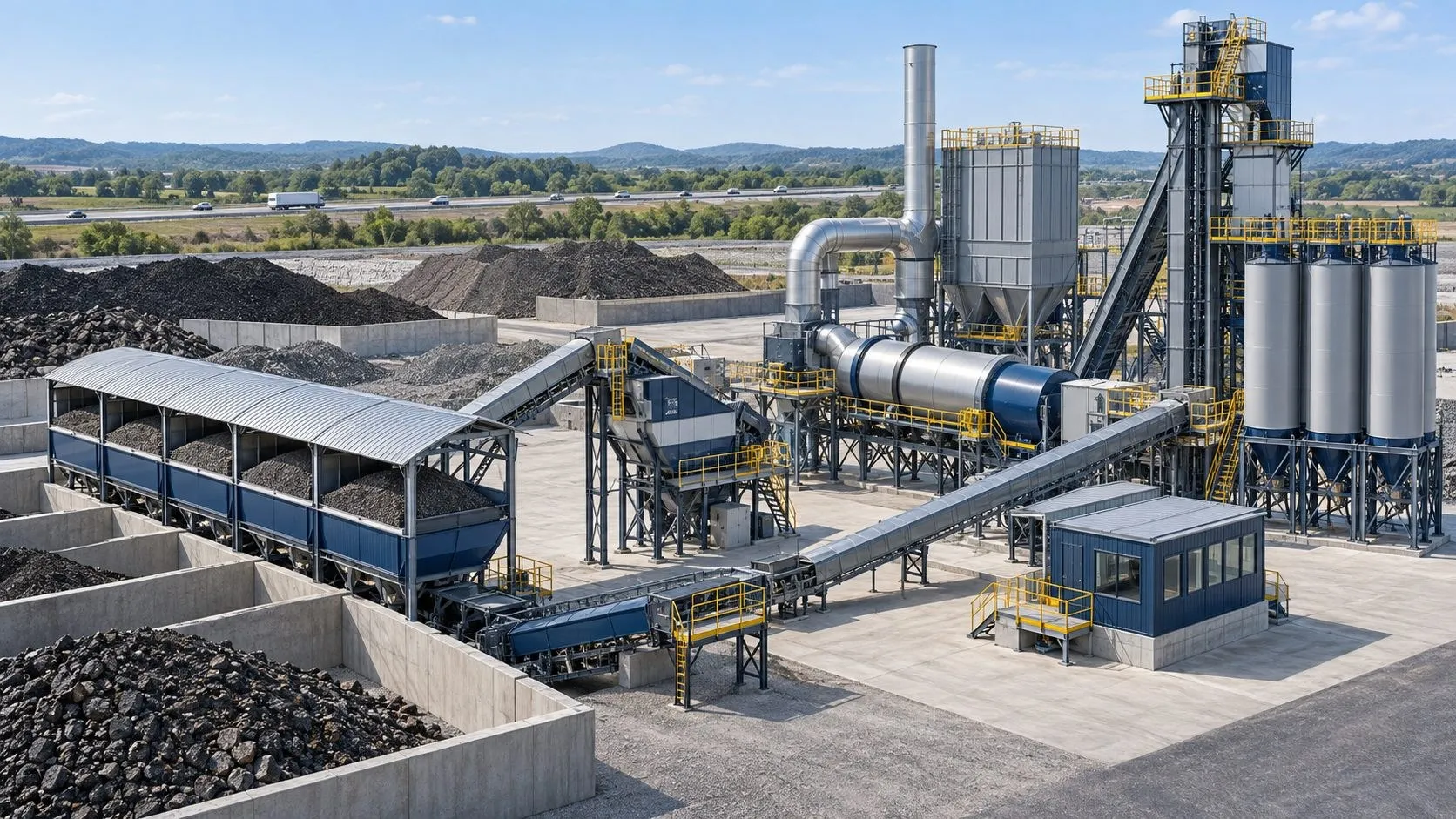
Every batch is weighed before mixing, so each ton of asphalt meets the selected formula. These are the main systems of the plant, in the order material flows through them.
Four to six hoppers each hold one aggregate size; belt feeders with speed control release them in the ratio your mix design calls for.
The rotating drum tumbles aggregate through the burner flame until moisture is driven off and the stone reaches mixing temperature.
Buckets carry the hot aggregate up to the screen at the top of the mixing tower.
A vibrating screen splits the hot stone into size fractions again, correcting any variation from the cold feed.
Each fraction waits in its own insulated bin so it can be weighed exactly.
Stone, filler and bitumen are weighed per batch, then blended in a twin-shaft mixer before discharge to trucks or a storage silo.
Fabric filters catch the fine dust in the dryer exhaust; recovered fines can be returned to the mix as filler.
A PLC system runs the sequence, stores recipes and logs each batch for quality records.
Batch plants weigh every ingredient for each batch, so switching recipes and meeting tight specifications is easier. Drum plants are simpler and cheaper but best for long runs of one mix.
Concrete foundations under the mixing tower, drum, baghouse and silos. We provide foundation drawings with loads so a local civil contractor can build them.
Size the plant on your average daily tonnage and effective hours rather than the busiest day, and check that trucks and pavers can keep up. Send us your figures and we will propose a model.
After the foundations have cured, steel erection, equipment installation, wiring and commissioning of a mid-size plant typically take several weeks. Foundation design and concrete work should start while the plant is being manufactured.
Reinforced concrete foundations under the tower, drum, baghouse, silos and tanks. We send foundation drawings with loads and anchor positions; a local civil engineer adapts them to your soil conditions.
Commercial plants serving several contractors usually choose 160–240 t/h with hot mix storage silos, so trucks from different customers can load without waiting for the next batch. Busy metropolitan plants go to 320–400 t/h.
Indicative FOB prices for RMX-B plants run from about $115,000 for the 60 t/h model to about $1.0 million for the 400 t/h model, depending on configuration. The price guide shows the ranges by capacity.
Yes, if space is planned for it. Cold RAP can be added through a feed collar at modest rates; higher RAP content needs a separate RAP drum and heated weighing, which is easiest to plan at the layout stage.
Tell us your required capacity, project location and fuel type. Our engineers will recommend a model and send you a quotation.
Chat on WhatsAppCompare stationary, mobile and containerized asphalt plants on output, relocation, foundations and shipping — with a 5-question checklist for your project.
RMX-C80 ~ RMX-C400
Contractors who move between projects or export plants overseas and still need batch-level mix accuracy.
RMX-M60 ~ RMX-M160
Road maintenance and short-term contracts where the plant moves several times a year.
RMX-R80 ~ RMX-R160
Road owners and contractors with a steady supply of milled asphalt who want to lower material costs.