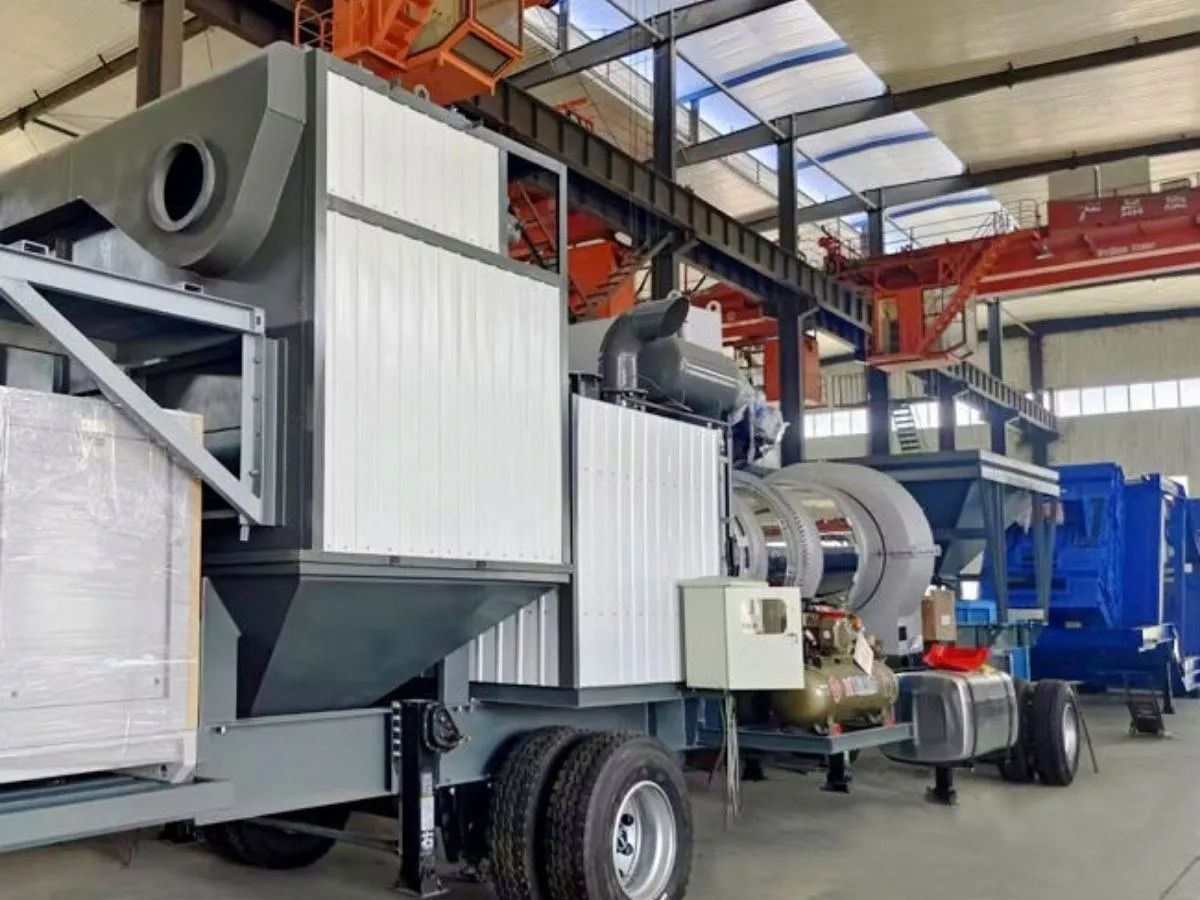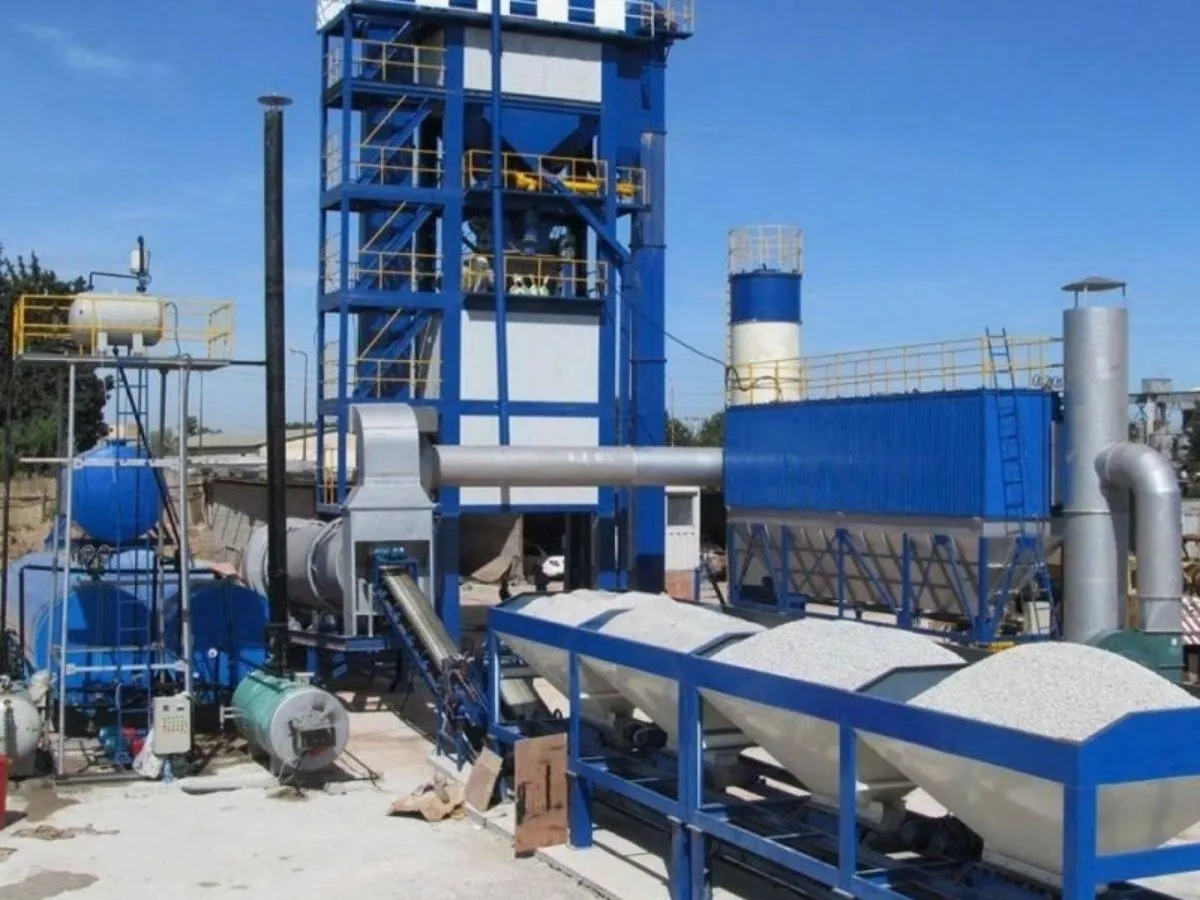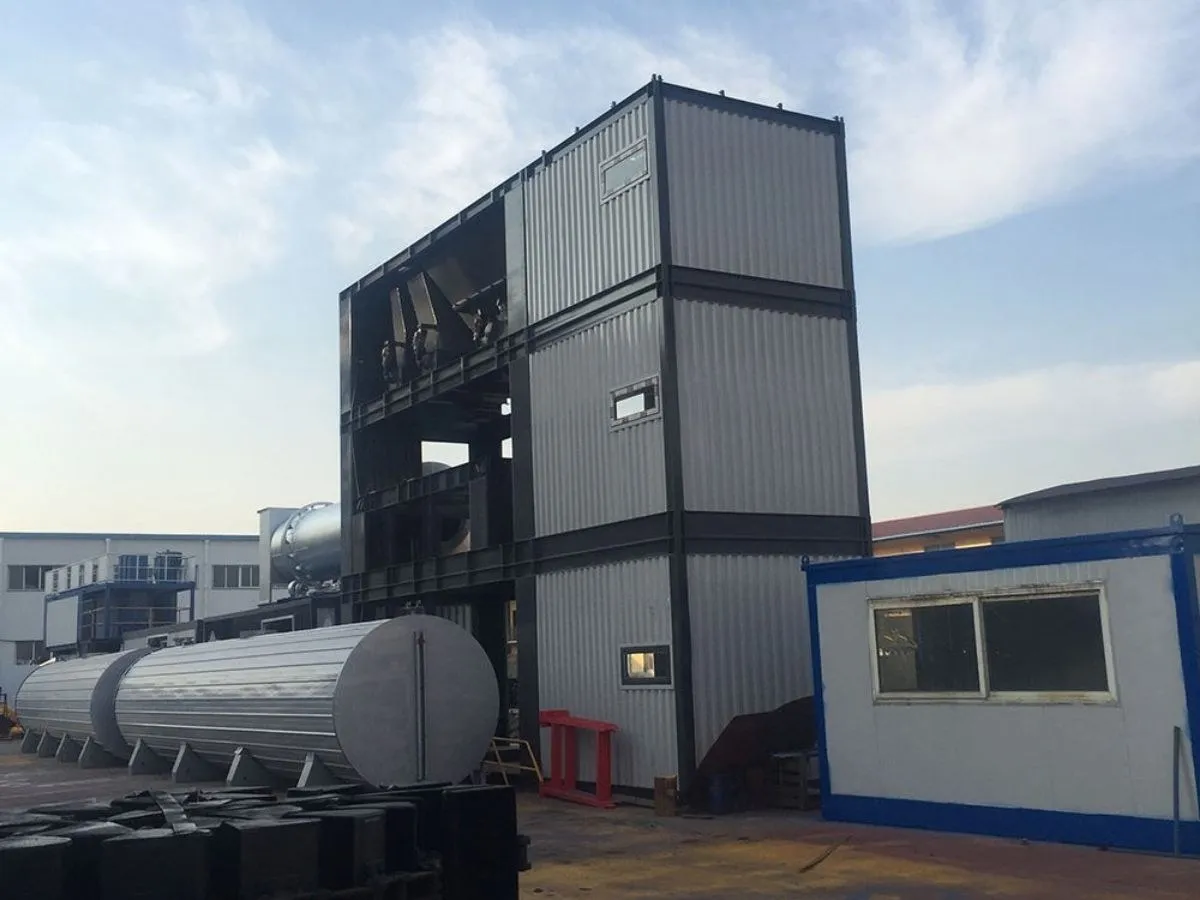
- Containerized
- Batch mixing
- 80–400 t/h
Containerized Asphalt Plant
RMX-C80 ~ RMX-C400
Contractors who move between projects or export plants overseas and still need batch-level mix accuracy.
Asphalt mixing plants and practical support for road projects worldwide

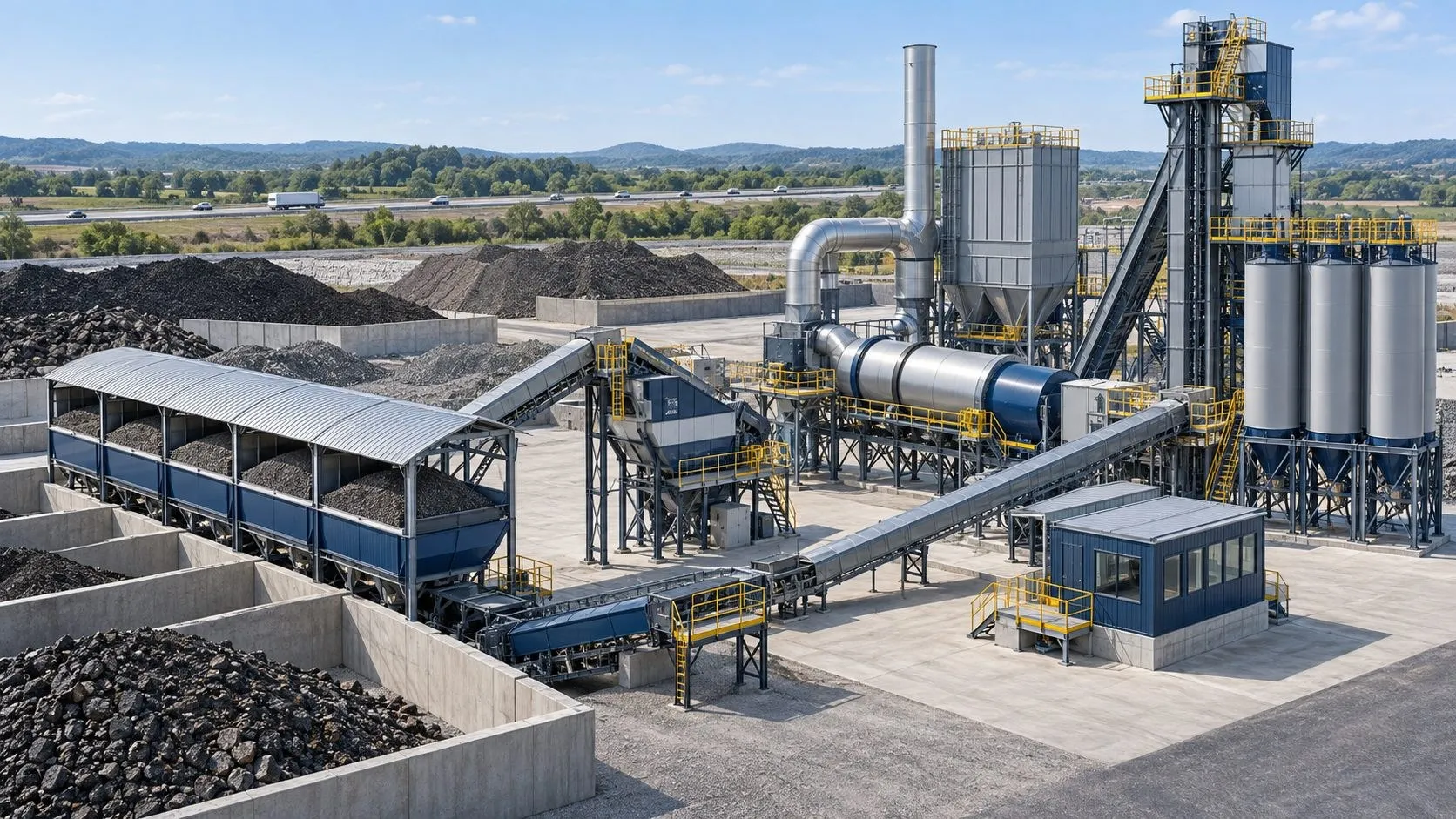
A batch plant with a separate RAP heating line, so milled old pavement can be reheated and blended into new hot mix.
Best for: Road owners and contractors with a steady supply of milled asphalt who want to lower material costs.
Reclaimed asphalt pavement (RAP) still contains aggregate and bitumen. A hot recycling plant adds a second, dedicated drum that warms RAP at a controlled temperature. The heated RAP is weighed and added to the mixer with new aggregate, bitumen and, where specified, a rejuvenating agent.
The case is strongest where milling is routine — resurfacing programmes, city maintenance and highway rehabilitation — and where new bitumen and quarry aggregate are expensive or far away.
RAP must be managed: crush and screen it to consistent sizes, keep stockpiles covered, and test it regularly. We help size the RAP line to the tonnage you can reliably supply.
| Unit | Function |
|---|---|
| RAP feed bins | Meter crushed RAP by belt feeder, separately from new aggregate |
| RAP drying drum | Warm RAP at controlled temperature without direct flame contact |
| Heated RAP surge bin and scale | Hold and weigh hot RAP for each batch |
| Main plant (batch) | Dries and screens new aggregate, weighs bitumen and filler, mixes the batch |
| Additive dosing (option) | Adds rejuvenator or other additives per batch |
| Condition | Why it matters |
|---|---|
| Regular milling work nearby | You need a steady RAP supply — at least several thousand tons a year |
| Expensive new bitumen or aggregate | Savings scale with the material RAP replaces |
| Specifications allow RAP | Many agencies set limits by layer; check yours |
| Space for RAP processing | Crushing, screening and covered storage need room |
If you only have occasional millings, a cold RAP feed collar on a standard batch plant may be enough.
Hot recycling plants commonly run 30–50% RAP in the mix; the exact figure depends on the specification, RAP quality and the layer being produced. Higher percentages need good RAP management and a mix design that accounts for the aged binder.
Indicative FOB prices for RMX-R plants run from about $245,000 to $450,000 across 80–160 t/h. See the model-by-model price page and the price guide for details.
Asphalt Recycling Plant (RAP) — RMX-R80 ~ RMX-R160, 80–160 t/h.
| Model | RMX-R80 | RMX-R120 | RMX-R160 |
|---|---|---|---|
| Total output (t/h) | 80 | 120 | 160 |
| Mixer capacity (kg/batch) | 1000 | 1500 | 2000 |
| RAP addition ratio | 30–50% | 30–50% | 30–50% |
| RAP moisture before feeding | ≤3% | ≤3% | ≤3% |
Configurations can be customized. Ask for a model recommendation →
Every batch is weighed before mixing, so each ton of asphalt meets the selected formula. These are the main systems of the plant, in the order material flows through them.
Four to six hoppers each hold one aggregate size; belt feeders with speed control release them in the ratio your mix design calls for.
The rotating drum tumbles aggregate through the burner flame until moisture is driven off and the stone reaches mixing temperature.
Buckets carry the hot aggregate up to the screen at the top of the mixing tower.
A vibrating screen splits the hot stone into size fractions again, correcting any variation from the cold feed.
Each fraction waits in its own insulated bin so it can be weighed exactly.
Stone, filler and bitumen are weighed per batch, then blended in a twin-shaft mixer before discharge to trucks or a storage silo.
Fabric filters catch the fine dust in the dryer exhaust; recovered fines can be returned to the mix as filler.
A PLC system runs the sequence, stores recipes and logs each batch for quality records.
Hot recycling plants of this type typically run 30–50% RAP. The workable ratio depends on RAP quality, moisture, grading and your mix specification.
Heating RAP in the main dryer's flame would overheat and age the old bitumen. A separate drum warms it gently, then the plant weighs and adds it to the mixer.
Yes. Milled material is usually crushed and screened to consistent sizes and stored under cover so its moisture stays low.
If RAP goes through the main drying drum it meets the burner flame and its old binder overheats, smokes and ages further. A separate RAP drum warms it more gently, and the superheated new aggregate brings the mix up to temperature in the mixer.
Crush and screen it into at least two size fractions, keep it in covered stockpiles to limit moisture, and test binder content and gradation regularly so the mix design can account for it.
Indicative FOB prices for RMX-R plants run from about $245,000 to $450,000 across 80–160 t/h, depending on the RAP line and configuration. See the price guide.
Often yes, if there is space beside the mixing tower for RAP bins, a RAP drum and a RAP weighing hopper. Send us your plant layout and we will check what can be added.
At higher RAP contents a rejuvenating agent or a softer new binder is often specified to restore the aged binder. The mix designer decides; the plant can be fitted with an additive dosing system.
Tell us your required capacity, project location and fuel type. Our engineers will recommend a model and send you a quotation.
Chat on WhatsAppRMX-C80 ~ RMX-C400
Contractors who move between projects or export plants overseas and still need batch-level mix accuracy.
RMX-M60 ~ RMX-M160
Road maintenance and short-term contracts where the plant moves several times a year.
RMX-B60 ~ RMX-B400
Asphalt producers and contractors running one site for years, with many mix recipes and strict specifications.