The cost of an asphalt plant project is the equipment price plus about a dozen other budget lines — and those other lines decide whether the project stays on budget. This guide lists each one, what drives it and how to get a reliable number before you commit.
The 12 budget lines
| # | Budget line | What drives it | How to get the number |
|---|---|---|---|
| 1 | Plant equipment (FOB) | Type, capacity, options | Written quotation — see the price guide |
| 2 | Options and spare parts | Silos, extra tanks, burner type, first-year wear parts | Itemized in the quotation |
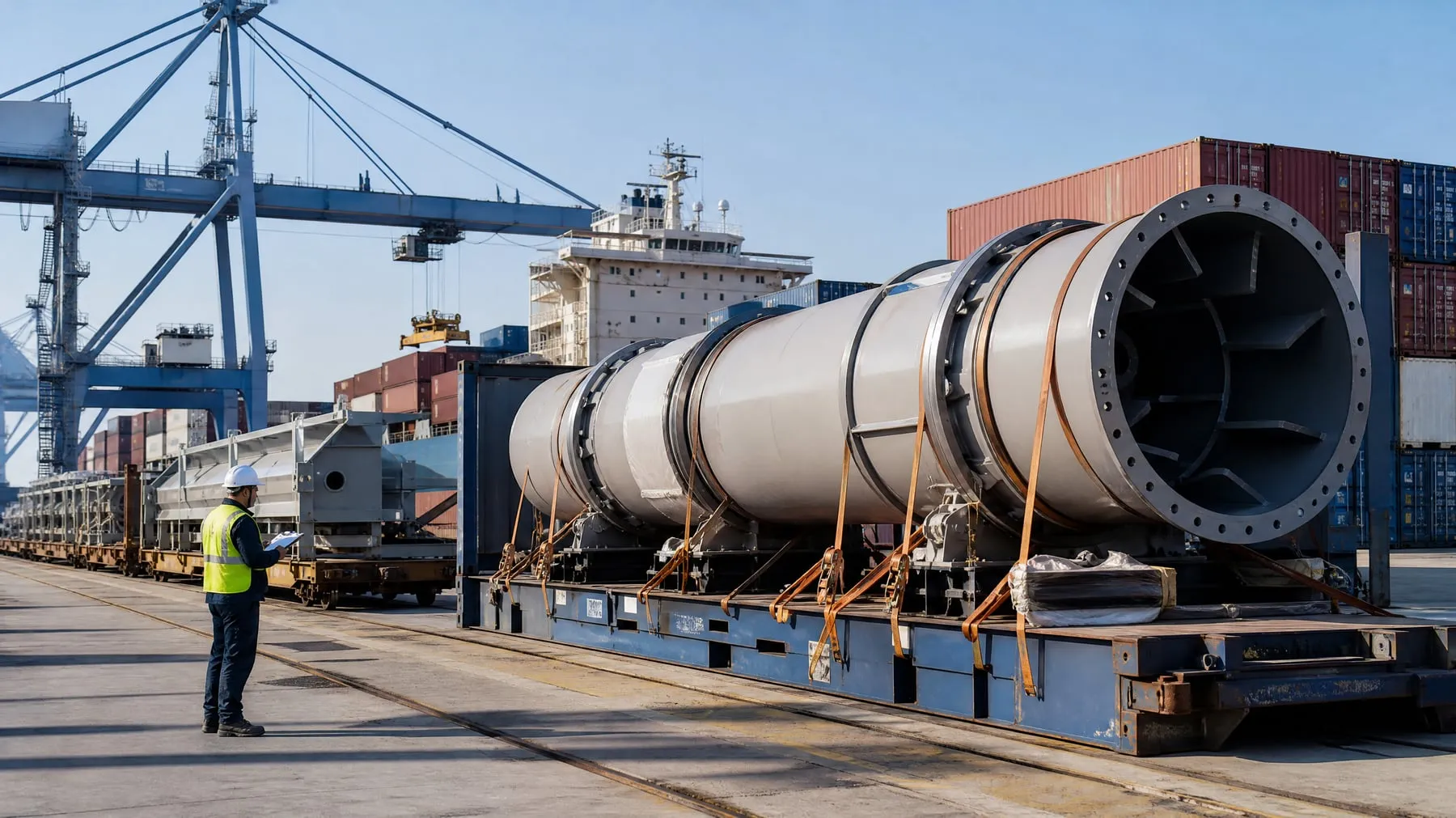
| 3 | Sea freight and insurance | Containers and flat racks, route, season | Freight forwarder quote from the packing list |
| 4 | Duties, VAT and clearance | Tariff for the HS code, trade agreements, broker fees | Customs broker in your country |
| 5 | Inland transport | Distance, heaviest piece, permits, escorts | Local haulage quote |
| 6 | Site preparation | Leveling, drainage, access road, stockpile bays | Local civil contractor |
| 7 | Foundations or pad | Plant type (none for containerized main modules), soil | Civil contractor using the supplier’s drawings |
| 8 | Installation and commissioning | Crane hire, local crew, supplier engineers’ days | Supplier quote + local crane and labor |
| 9 | Power supply | Grid connection and transformer, or generators | Utility or generator supplier, from the installed kW |
| 10 | Fuel and bitumen storage | Tank sizes, bunding, heating | Supplier and local fabricator |
| 11 | Lab, weighbridge, office | Testing equipment, truck scale, site cabins | Local suppliers |
| 12 | Permits and working capital | Environmental permit, first stocks of bitumen, fuel, aggregate | Consultant; your planned output |
The lines buyers most often underestimate
Power. Off-grid sites need generators sized for motor starting, not just the installed kW — often a large share of the plant price. Our generator size calculator gives a first estimate.
Site works. Drainage, access roads, stockpile bays and a truck loop add up — especially on soft or wet ground.
Port time. Demurrage and storage charges grow every day the cargo waits for documents. Prepare import certificates (such as SONCAP or PVoC where required) before shipment.
Working capital. Bitumen is paid for before mix is sold. Several weeks of bitumen at planned output is a significant sum.
Containerized vs stationary: where the money goes
| Budget line | Stationary plant | Containerized plant |
|---|---|---|
| Equipment price | Lower | Higher |
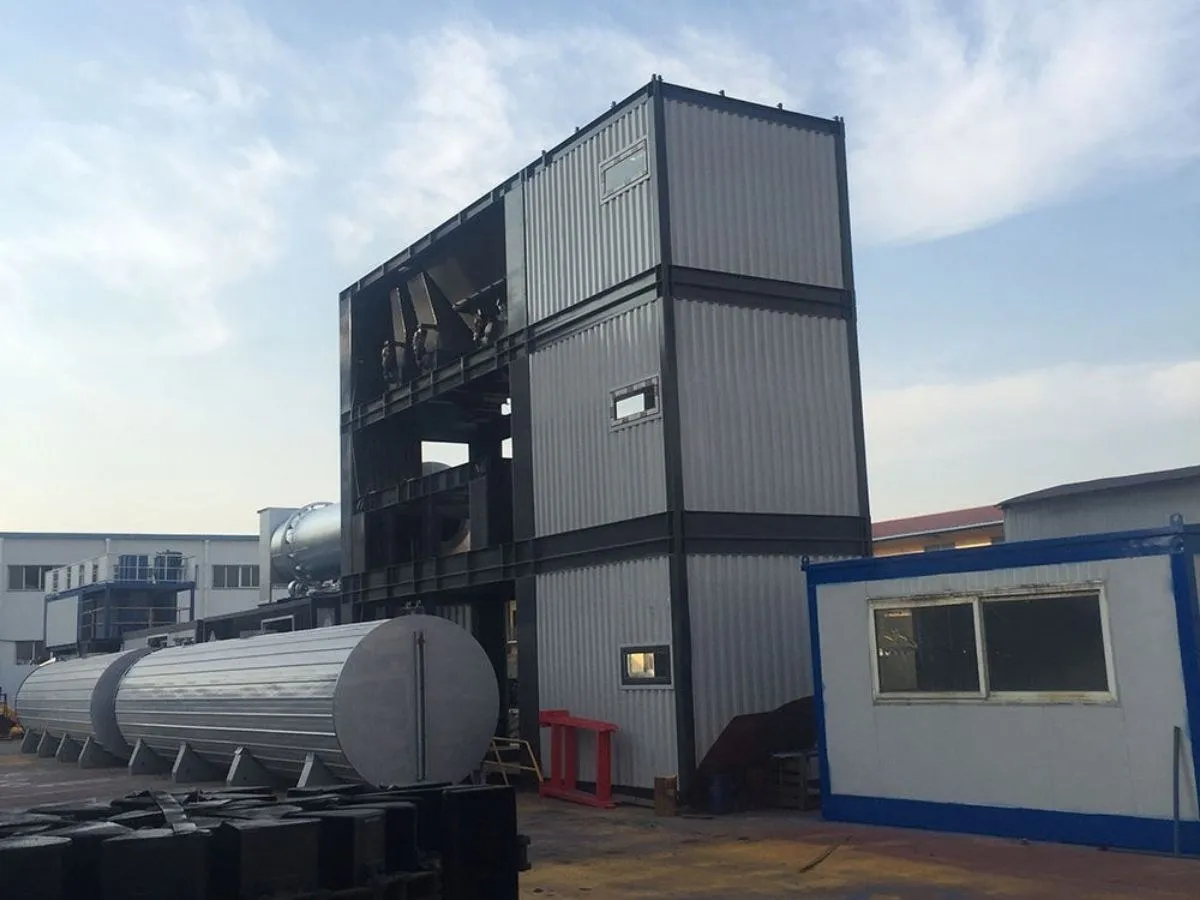
| Foundations | Reinforced concrete under main units | Compacted pad |
| Installation time | Longer | Shorter |
| Each later move | Dismantle, new foundations, re-erect | Lift modules, truck, re-level |
If the plant will move even once, compare totals over the plant’s working life, not equipment prices.
Cash flow: when the money leaves
| Stage | Typical payments |
|---|---|
| Contract signed | Deposit to the supplier |
| During manufacturing | Site preparation and foundations; permit fees |
| Before shipment | Balance to the supplier (or under a letter of credit) |
| In transit | Freight and insurance (depending on Incoterms) |
| Arrival | Duties, VAT, port and broker fees, inland transport |
| Installation | Crane, local crew, engineers’ travel, power connection or generators |
| Start-up | First bitumen, fuel and aggregate stocks |
Payment terms are agreed in each contract; see the price guide’s FAQ for common structures.
A budget worksheet
Copy this and fill in your own figures:
| Line | Amount | Source |
|---|---|---|
| Plant and options (FOB) | Quotation | |
| Freight and insurance | Forwarder | |
| Duties, VAT, clearance | Broker | |
| Inland transport | Haulier | |
| Site works and pad / foundations | Civil contractor | |
| Installation and commissioning | Supplier + local | |
| Power | Utility / generator supplier | |
| Storage, lab, weighbridge, office | Local suppliers | |
| Permits | Consultant | |
| Working capital | Your output plan | |
| Subtotal | ||
| Contingency (about 10% of non-plant lines) | ||
| Total |
How to keep the budget under control
- Fix the configuration first — every change after the contract costs more
- Get the packing list and foundation or pad drawings with the quotation — your local quotes depend on them
- Agree Incoterms clearly — know which costs you carry from which point
- Start permits and import certificates early — delays cost more than fees
- Buy a first-year wear-parts stock — stopping in the season is the most expensive cost of all
Send us your project details and we will include the packing list, layout and power data you need for local quotes.