How much does an asphalt plant cost in 2026?
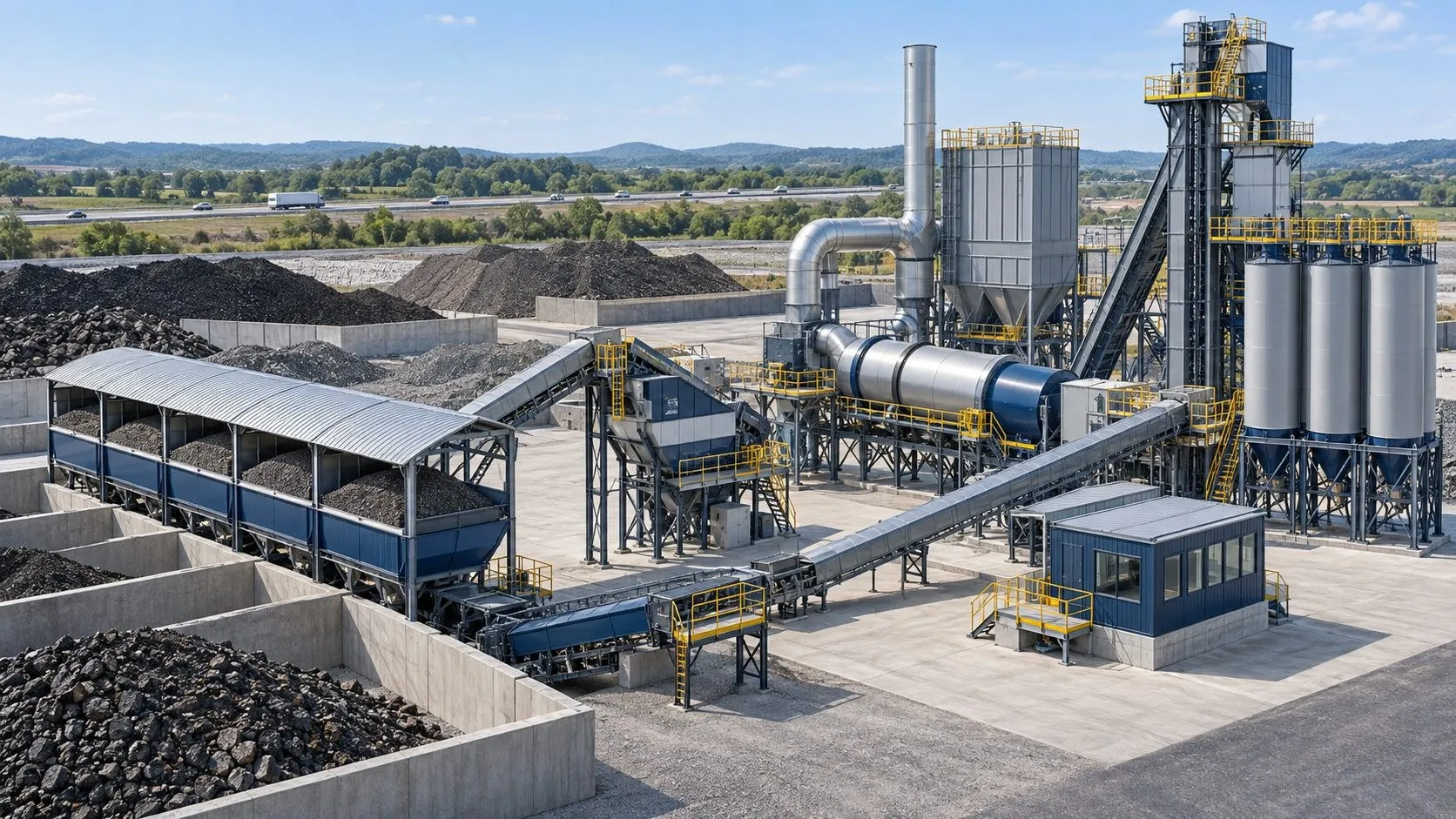
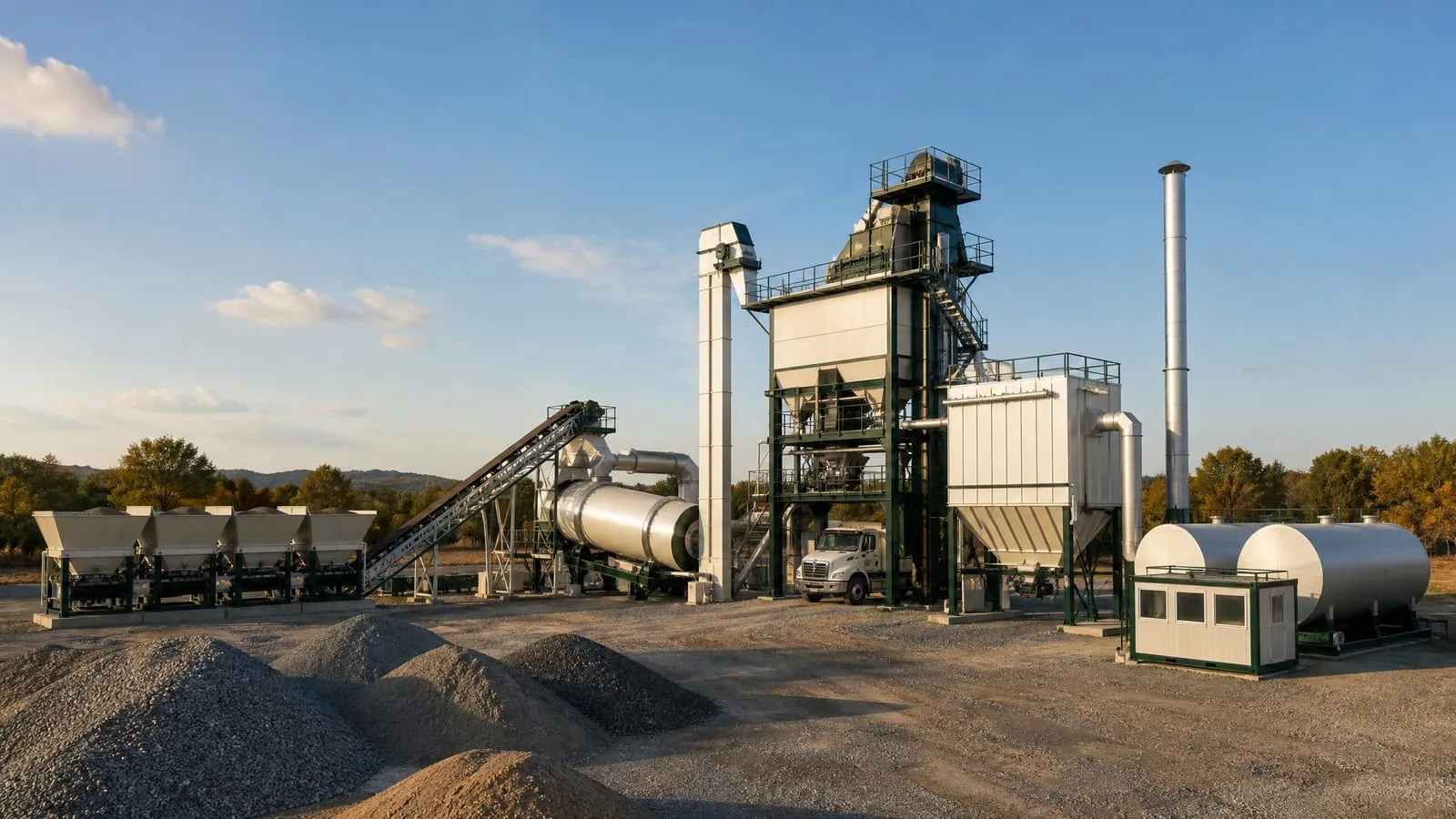
A new asphalt mixing plant from Roadmixa costs between about $55,000 and $1.08 million, FOB a Chinese port, depending mainly on type and capacity. A small 40 t/h drum mix plant sits at the bottom of that range; a 400 t/h containerized batch plant sits at the top. Most of our customers — road contractors and public works agencies in Southeast Asia, Africa, Latin America and Central Asia — buy plants between 80 and 160 t/h, which cost roughly $190,000 to $640,000.
These figures are indicative prices for our standard configurations, updated October 2026. They are here so you can set a realistic budget before you ask for a quotation; the price you pay is the one in a written quote for your exact configuration.
Price by plant type
| Series | Type | Output | Indicative FOB price (USD) | Typical buyer |
|---|---|---|---|---|
| RMX-D | Drum mix (continuous), stationary or trailer-mounted | 40–160 t/h | $55,000 – $360,000 | Rural roads, one standard mix, tight budget |
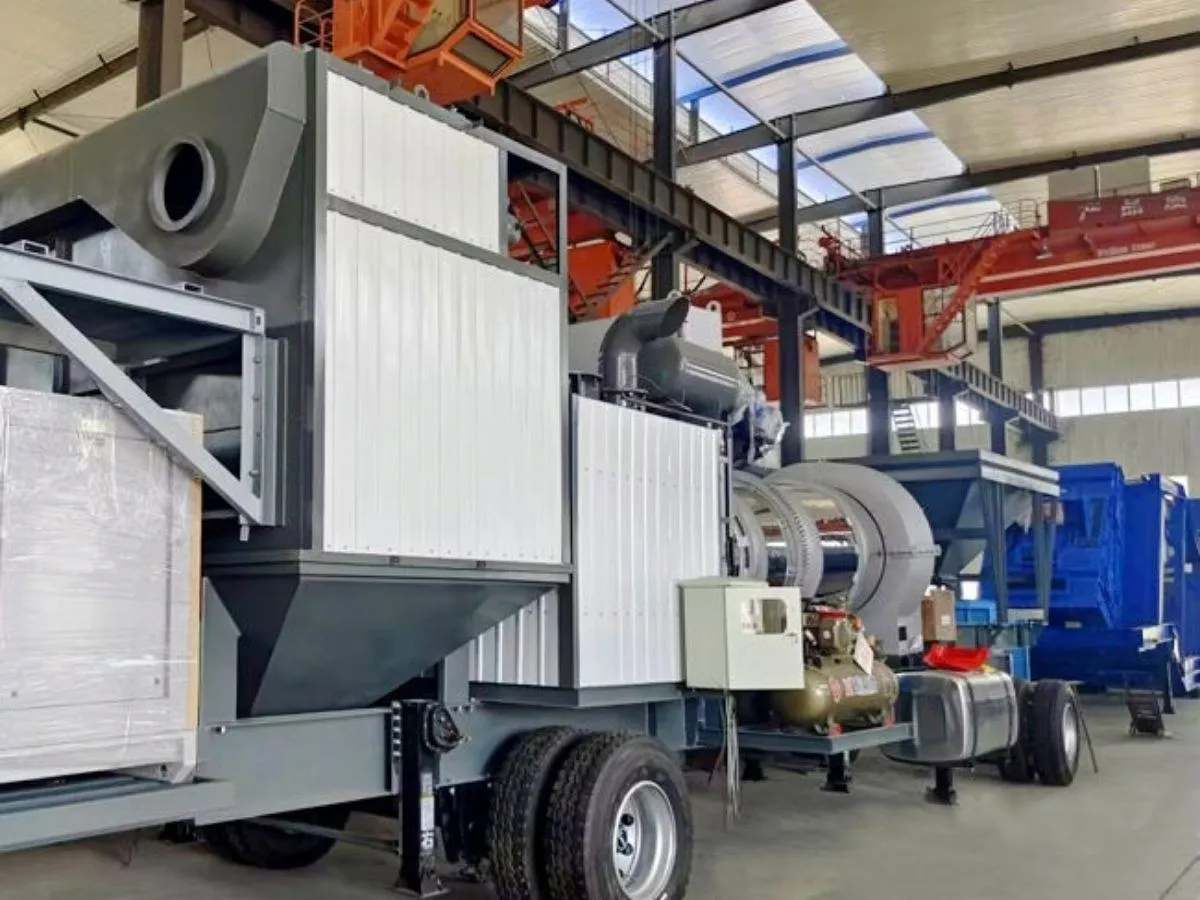
| RMX-M | Mobile batch plant on trailer chassis | 60–160 t/h | $180,000 – $540,000 | Maintenance contractors moving every few months |
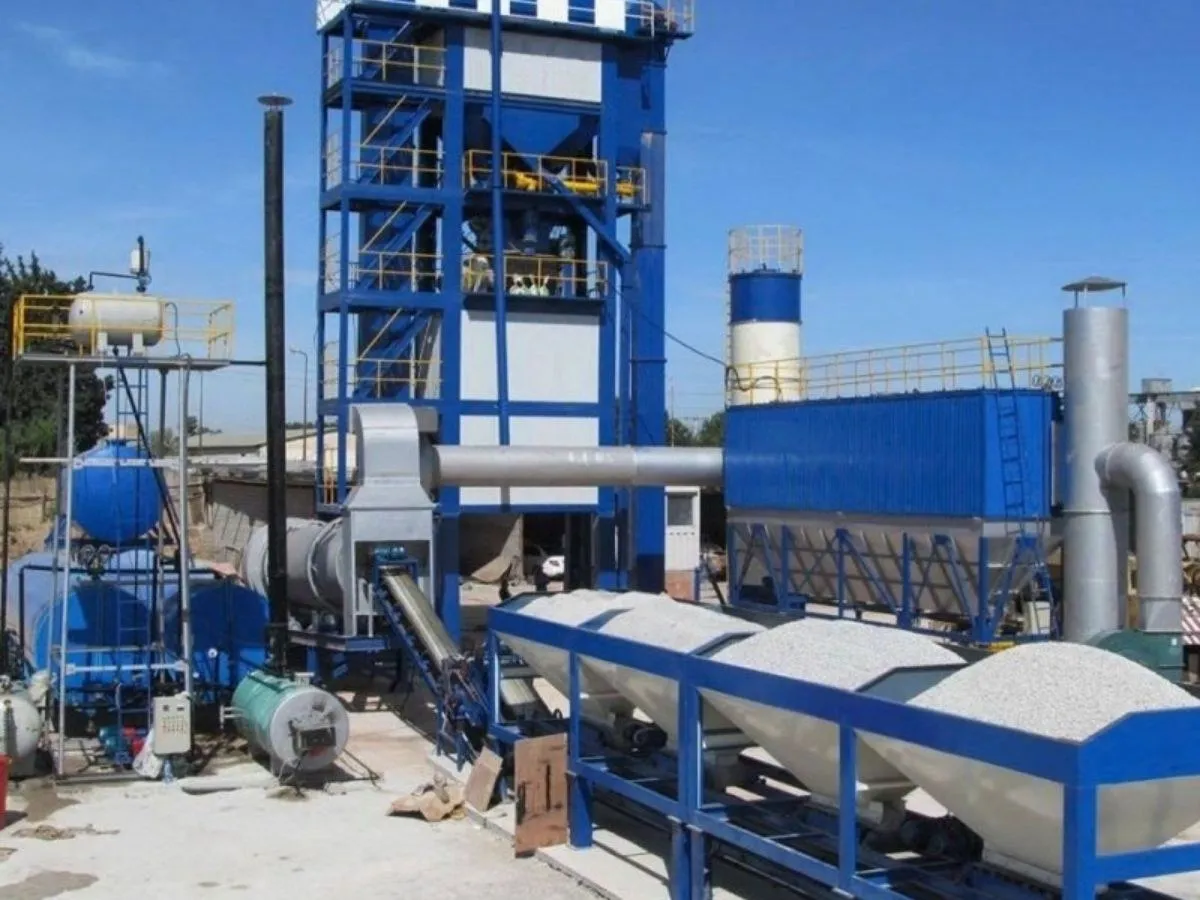
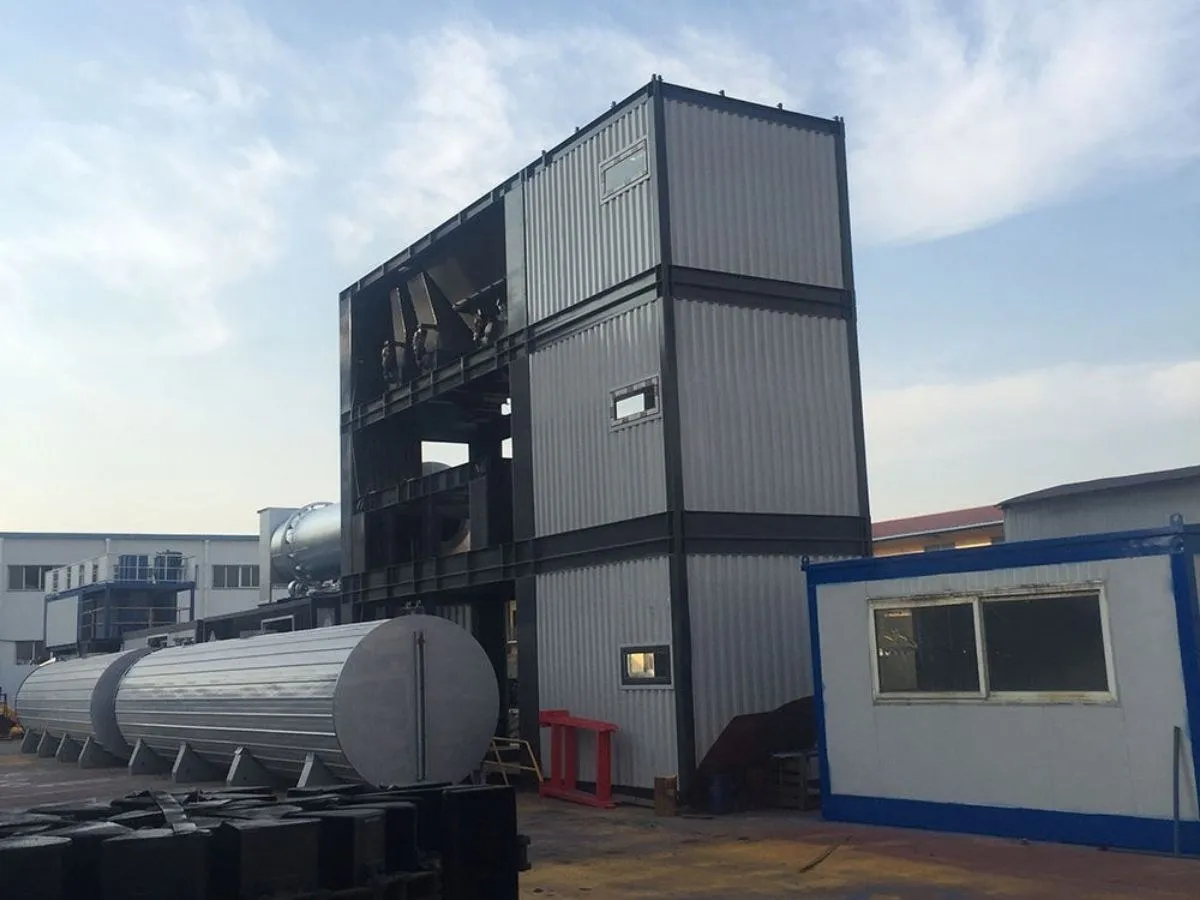
| RMX-C | Containerized batch plant | 80–400 t/h | $220,000 – $1,080,000 | Export projects, remote sites, long moves |
| RMX-B | Stationary batch plant | 60–400 t/h | $115,000 – $1,000,000 | Long-term sites, commercial mix supply, many recipes |
| RMX-R | Batch plant with separate RAP drum | 80–160 t/h | $245,000 – $450,000 | Cities and highway agencies with regular milling |
Model-by-model prices are on the series pages: containerized, mobile, stationary batch, drum mix and recycling.
Two things explain most of the spread inside each row: output (a bigger drum, burner, mixer and baghouse) and configuration (fuel system, insulation, storage, control system). The next table shows the capacity effect on its own.
Price by capacity (batch-type plants)
Batch plants — stationary, containerized and mobile — follow a similar price curve by output. Containerized versions usually sit in the upper half of each band because of their modular frames and pre-wired modules.
| Rated output | Example models | Indicative FOB price (USD) | Typical daily output* |
|---|---|---|---|
| 60 t/h | RMX-B60, RMX-M60 | $115,000 – $245,000 | 300–400 t |
| 80–120 t/h | RMX-B80/120, RMX-C80/120, RMX-M80/120 | $190,000 – $405,000 | 450–800 t |
| 160–200 t/h | RMX-B160/200, RMX-C160, RMX-M160 | $505,000 – $640,000 | 900–1,300 t |
| 240–320 t/h | RMX-B240/320, RMX-C240/320 | $640,000 – $900,000 | 1,400–2,100 t |
| 400 t/h | RMX-B400, RMX-C400 | $900,000 – $1,080,000 | 2,400–2,700 t |
*Daily output assumes an 8-hour shift at roughly 65–85% of rated capacity, which is what plants typically reach once truck waiting, recipe changes and aggregate moisture are taken into account. Your figure can be higher or lower.
For drum mix plants, the curve is flatter: an 80 t/h stationary drum plant is typically around $90,000, a 60 t/h trailer-mounted drum plant around $110,000, and the 160 t/h model toward the top of the RMX-D range.
What the FOB price includes
A standard Roadmixa quotation for a batch plant lists these units. Check that any quote you compare covers the same scope:
- Cold aggregate feed bins with variable-speed belt feeders and a collecting conveyor
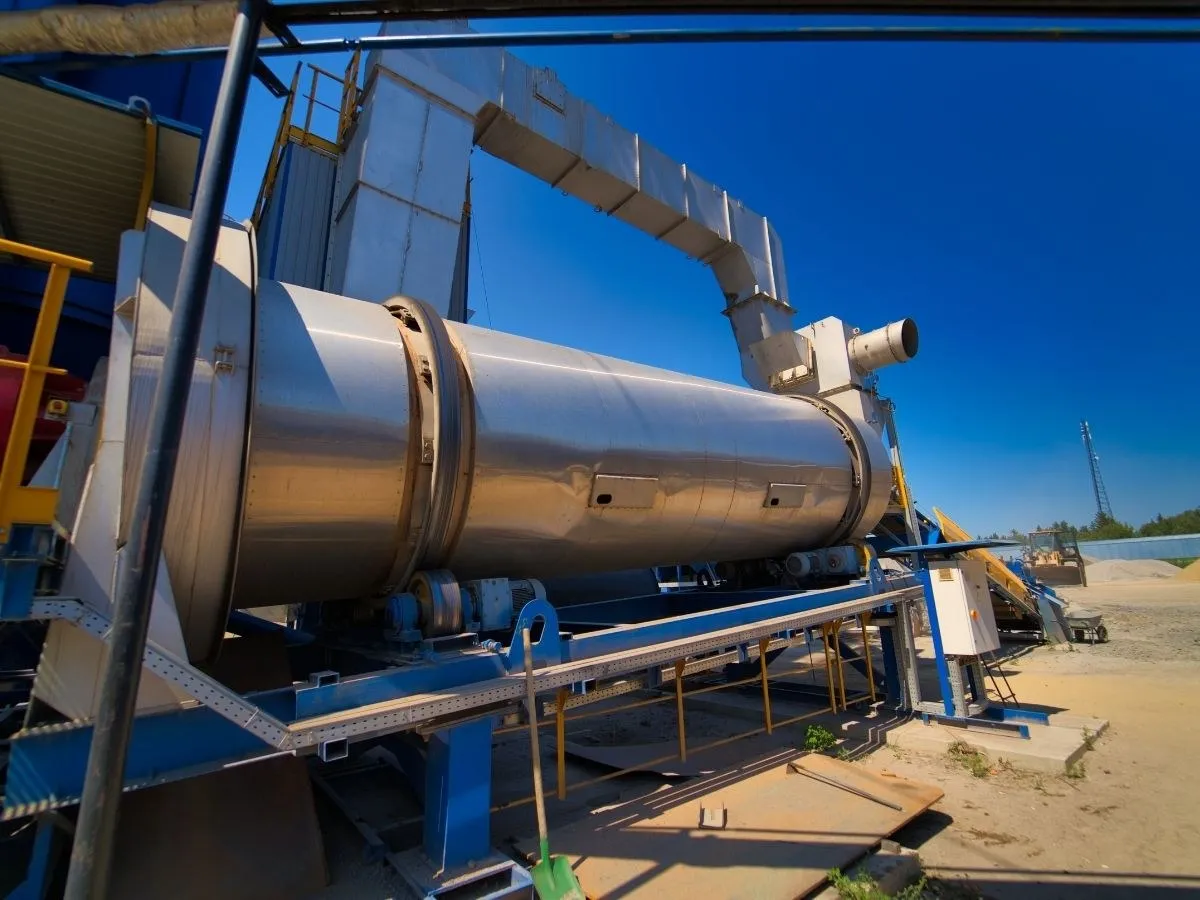
- Drying drum with burner and fuel supply line
- Hot aggregate elevator, vibrating screen and hot storage bins
- Weighing system for aggregate, filler and bitumen
- Twin-shaft mixer (batch plants) or mixing zone in the drum (drum plants)
- Baghouse dust collector with exhaust fan and stack; filler recovery to the plant
- Filler silo and screw conveyors
- Bitumen supply: storage tank(s) and heating — the number of tanks is set in the quote
- Control room or cabin with PLC control and operator computer
- Electrical cabinets and cabling between units
- Standard spare parts pack and documentation (manuals, drawings, parts lists)
Common options that change the price: a hot mix storage silo, extra bitumen tanks, a coal powder or dual-fuel burner, insulation and heating for cold climates, a RAP feeding system, a polymer or fiber additive feeder, a lab equipment set, and a diesel generator set for sites without grid power.
Costs the plant price does not cover
Buyers who budget only the FOB price usually run short. Before the plant makes its first ton you will also pay for the items below. The FOB price is commonly 50–75% of this total, depending on distance, local duties and how much civil work the site needs.
| Cost line | What drives it | How to estimate it |
|---|---|---|
| Sea freight and insurance | Number of containers and flat racks, route, season | Ask for the packing list with the quote; get a freight quote from your forwarder |
| Import duties and taxes | Your country’s tariff for HS 8474, VAT, trade agreements (for example Form E under ASEAN–China) | Check with a customs broker before you sign |
| Port charges and inland transport | Port handling, oversize loads, distance to site | Local trucking quote; mobile plants may need road permits |
| Site preparation and foundations | Plant type (containerized plants need little or none), soil | Foundation drawings come with the plant; a local civil contractor prices them |
| Installation, commissioning and training | Plant size, crane hire, engineer days on site | We quote engineer support separately; you supply crane, labor and consumables |
| Power supply | Grid connection or generator size (see installed kW in each spec table) | Local utility or generator supplier |
| Lab, permits and working capital | Testing equipment, environmental permits, first bitumen and fuel stock | Local suppliers and authorities |
Why two quotes for “the same” plant can differ by 30%
If one supplier is far cheaper than another for the same rated output, compare these points line by line:
- Drying drum size and burner rating. A smaller drum and burner hit the rated output only with dry aggregate. In the rainy season, output drops.
- Baghouse filter area. Less filter area costs less but runs hotter and wears bags faster, and may not meet your emission limit.
- Mixer capacity per batch. The rated t/h depends on batch size × cycles per hour. Check both.
- Steel thickness and wear liners in the drum, mixer and elevator — the parts that decide how long the plant lasts.
- Motors, reducers, bearings, scales and control components. About half of a plant’s cost is bought-in parts. Ask which brands are quoted.
- What is counted as standard. Bitumen tanks, filler silo, control room, cables and spare parts are sometimes options in a cheaper quote.
- Electrical system. Voltage and frequency must match your grid (for example 380 V/50 Hz versus 440–460 V/60 Hz). Changing it later is expensive.
- Service terms. Warranty period, engineer support on site, and spare parts lead time.
How to get an exact price
Send us the details below and our engineers will reply with a suggested configuration and a written quotation:
- Output you need per hour and per day, and the mix types (dense-graded, SMA, base course, RAP content)
- Site country and nearest port, and whether the plant will move during its life
- Fuel available on site (diesel, heavy oil, natural gas, LPG, coal powder) and grid power or generator
- Aggregate source and typical moisture in the wet season
- Any specification you must meet (for example a national highway specification) and emission limits
Request a quotation or message us on WhatsApp from the button on this page.
About these prices. Ranges are indicative FOB prices for Roadmixa standard configurations in US dollars, last updated October 2026. They are not an offer. Steel prices, exchange rates and configuration change the final figure, and the binding price is the one in a signed contract.