Short answer: Neither wins everywhere. Compare lifecycle cost with local numbers for materials, fuel, labor, equipment and maintenance capacity, including rehabilitation, user delay and residual value, over a period such as 20-30 years. Asphalt is quicker to build, repair and overlay, and the plant can be moved, while well-built concrete can last long with little maintenance.
This guide gives the method used by many road agencies and contractors.
What to include
| Cost | Asphalt | Concrete |
|---|---|---|
| Initial construction | Often lower, depends on bitumen price | Often higher, depends on cement price |
| Routine maintenance | Crack sealing, patching | Joint and crack sealing |
| Periodic work | Overlay or resurfacing | Slab repair, grinding |
| User costs | Short closures for overlays | Longer curing and repairs |
| Residual value | Recyclable (RAP) | Recyclable as aggregate |
Method in five steps
- Define the analysis period (for example 20–30 years) and the traffic.
- List the maintenance and rehabilitation schedule for each option.
- Price each item with local costs: materials, fuel, labor, equipment, transport.
- Discount future costs with a rate the agency uses.
- Compare the totals and test with higher and lower prices.
Local factors that change the answer
- Bitumen vs cement: which is cheaper and easier to get?
- Aggregates: quality and haul distance.
- Climate: heavy rain, heat, freezing and flooding.
- Equipment and skills: paving, curing and joint work.
- Maintenance capacity: can the agency repair on time?
Why asphalt plants matter in the comparison
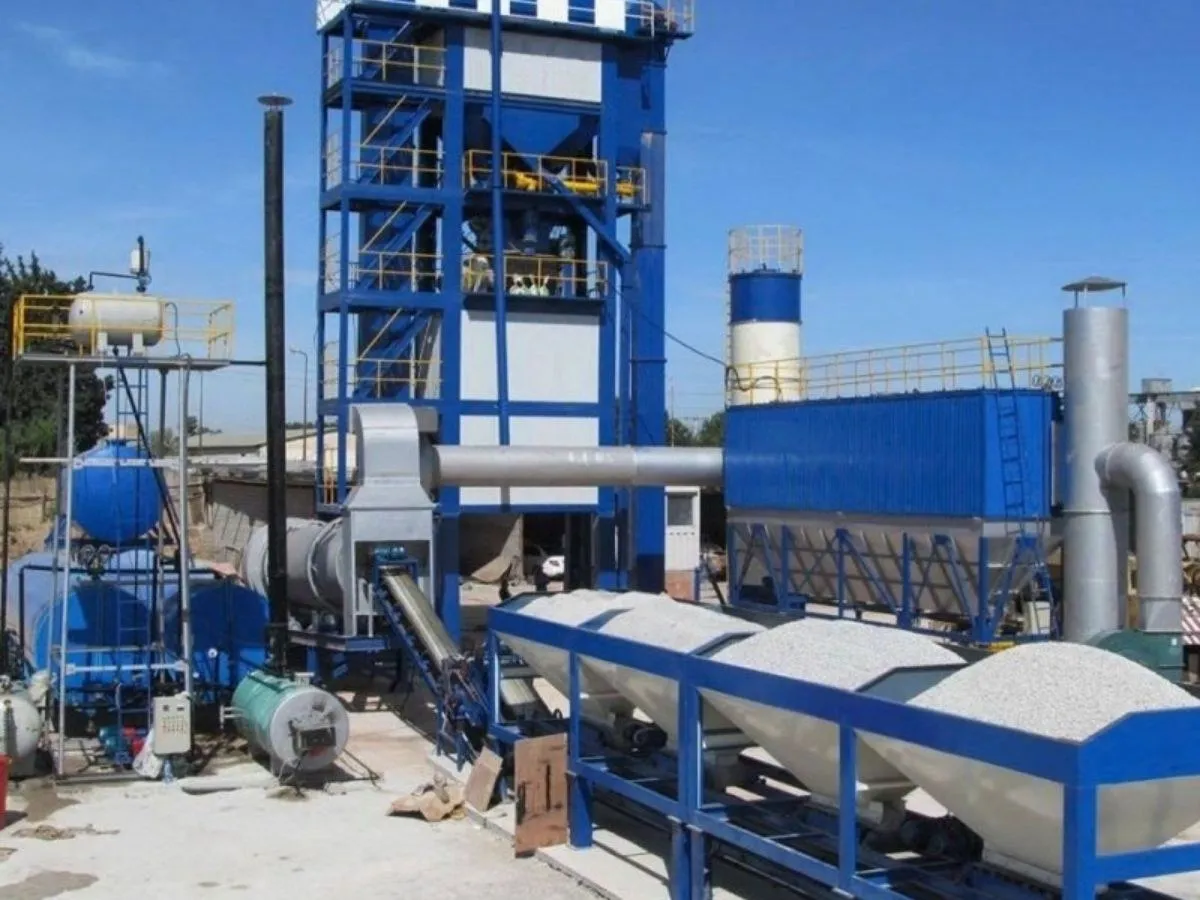
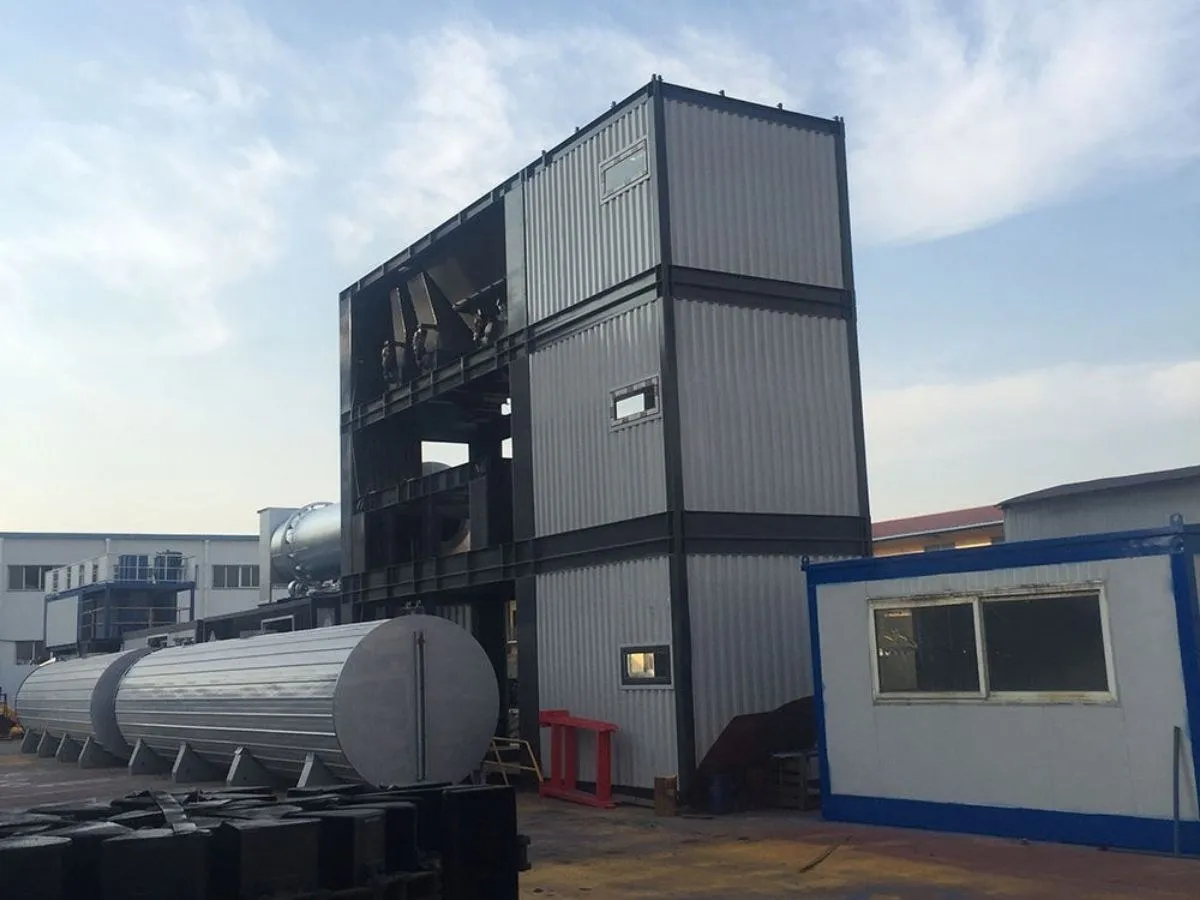
An asphalt plant — especially a containerized or mobile one — can be moved between jobs, and overlays can be done quickly. For a long program, compare buying mix, renting and owning: see buy hot mix or own a plant and project cost.
Send us your program length and volumes and we will help with the plant side of the comparison.