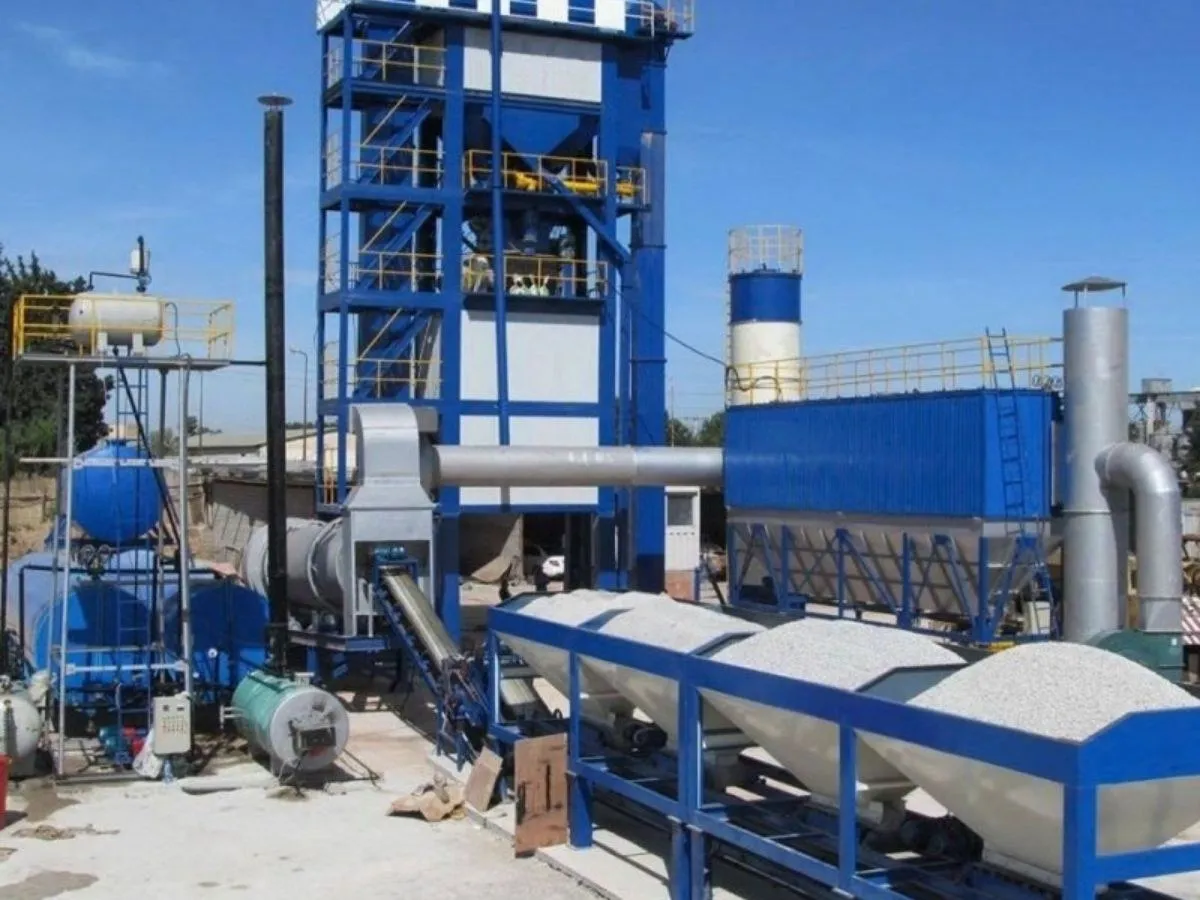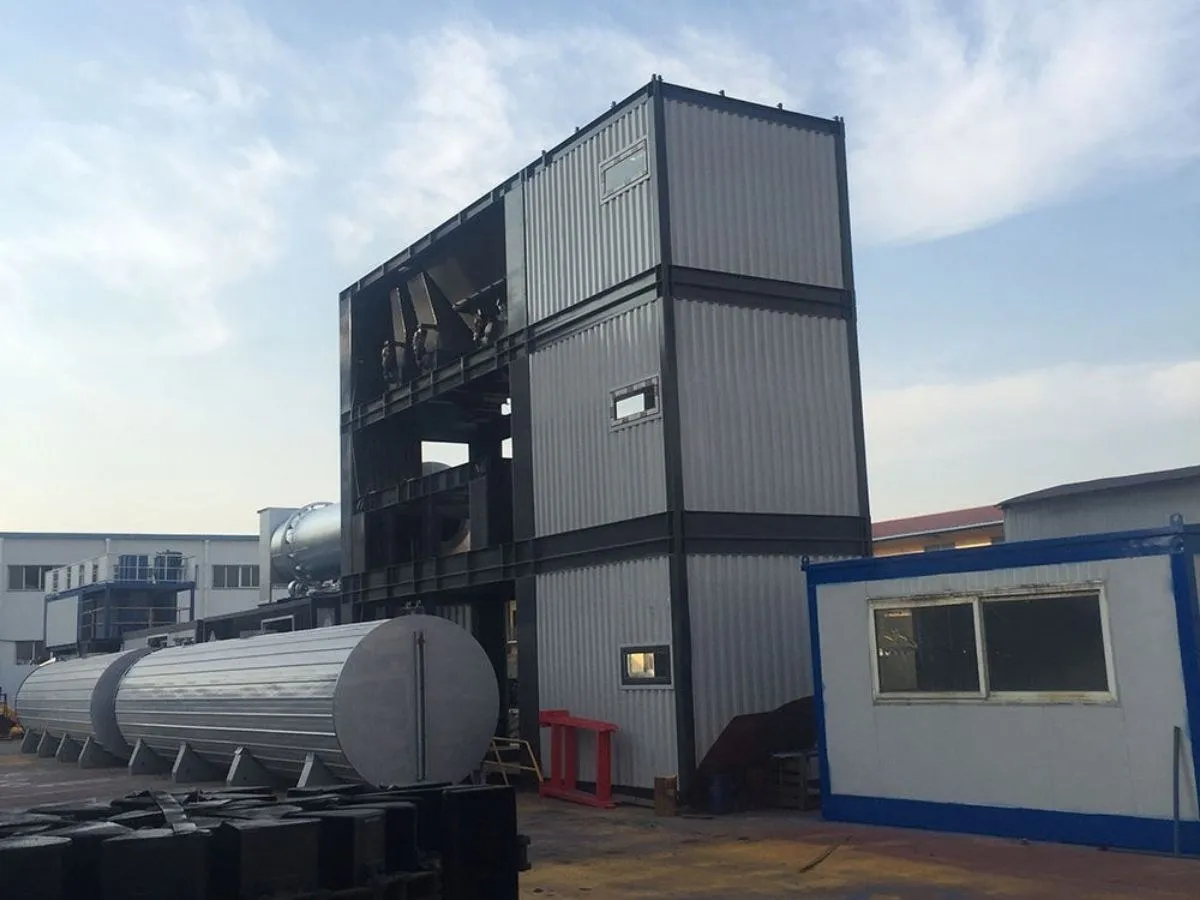
Short answer: Most countries require some form of environmental approval for an asphalt plant, but the rules differ, so ask the authority for its checklist first. Assessors usually look at dust and stack emissions, noise, odor, fuel and bitumen storage, drainage and traffic. Prepare plant data, layout, stack height, fuel and the baghouse specification early.
The table below lists what assessments usually cover and what to prepare.
What assessors usually look at
| Topic | Typical concerns | What helps |
|---|---|---|
| Dust and stack emissions | Dust from the drum and loading | Baghouse, stack height, dust suppression |
| Noise | Burner, fans, loaders, trucks | Silencers, layout, working hours |
| Odor | Hot bitumen vapors | Closed storage, temperature control |
| Fuel and bitumen storage | Spills and fire | Bunds, spill kits, fire protection |
| Water and drainage | Runoff from stockpiles and tanks | Drains, settling, covered stocks |
| Traffic | Trucks near homes | Routes and timing |
| Site | Distance to homes and water | Layout and buffer |
What to prepare
- Plant data: type, capacity, working hours.
- Fuel: type, consumption and storage.
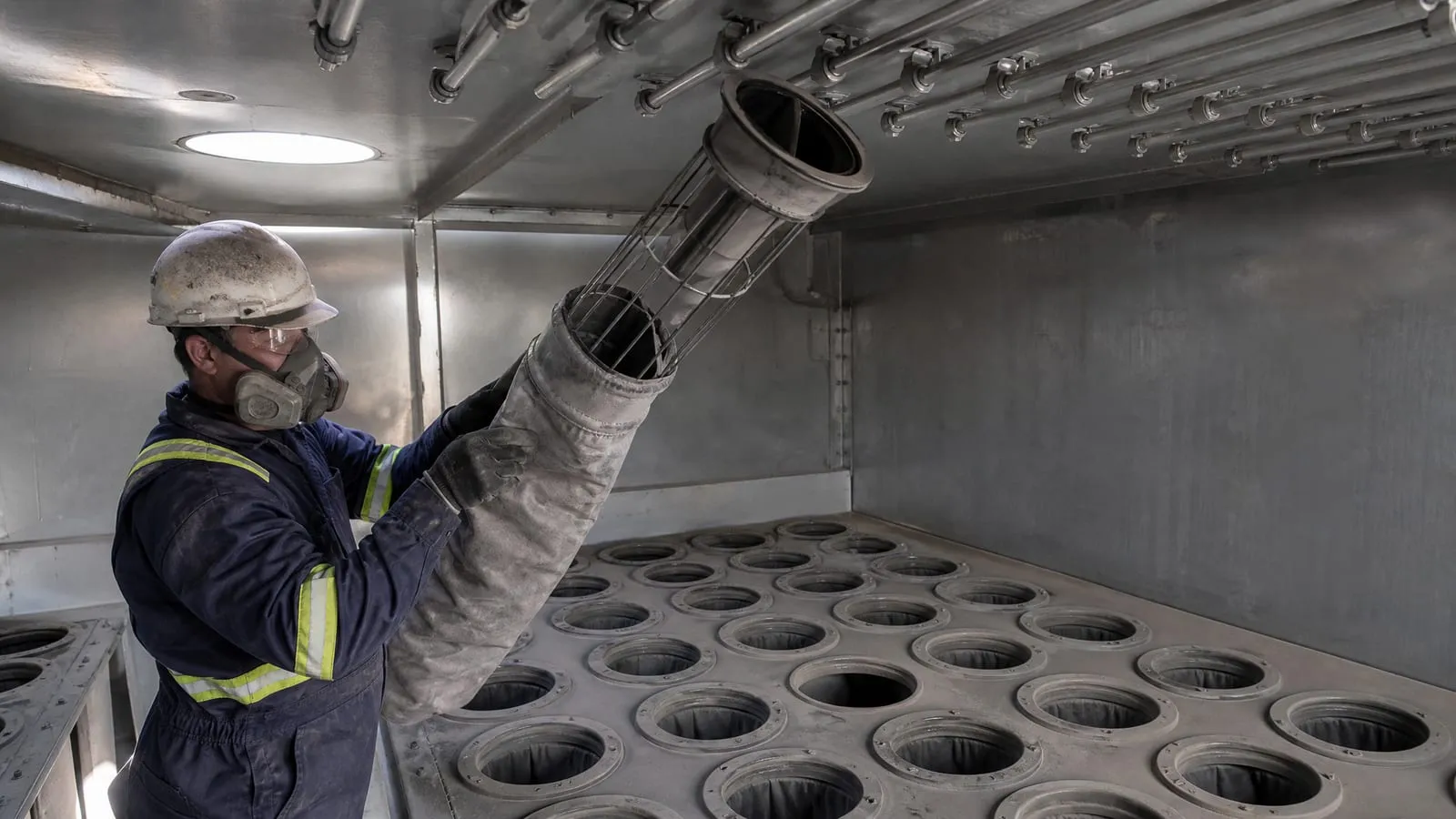
- Baghouse: area and emission value — our batch plants list ≤20 mg/Nm³ at the stack under design conditions.
- Layout: stockpiles, tanks, roads, buffers.
- Traffic estimate: trucks per day and routes.
- Management plan: housekeeping, maintenance and monitoring.
Reduce the main concerns
- Maintain the baghouse — see baghouse maintenance.
- Control dust and noise — see dust and noise control.
- Choose a clean fuel where possible — see burner fuel.
Permits more widely
For the full permit list, see the permits checklist. Send us the requirements from your authority and we will provide the technical data for your plant.