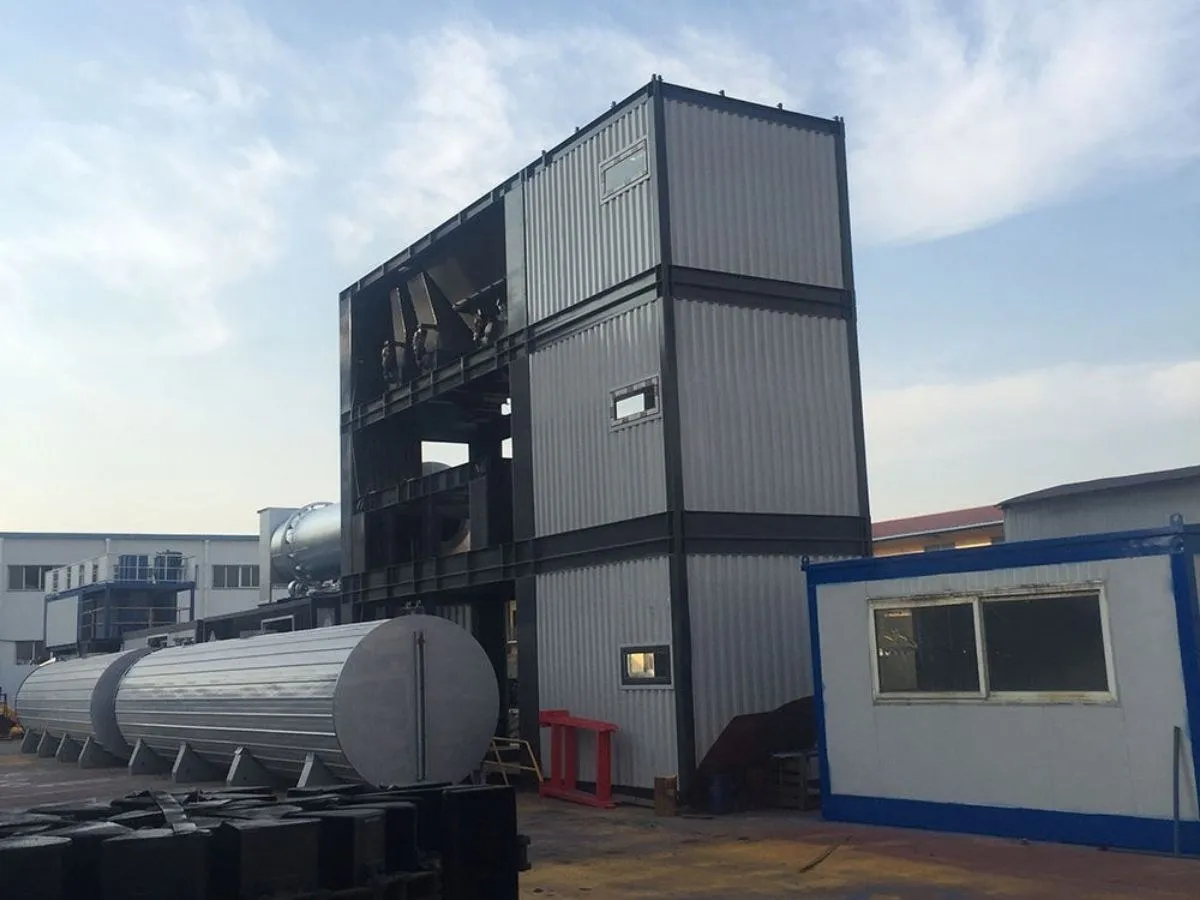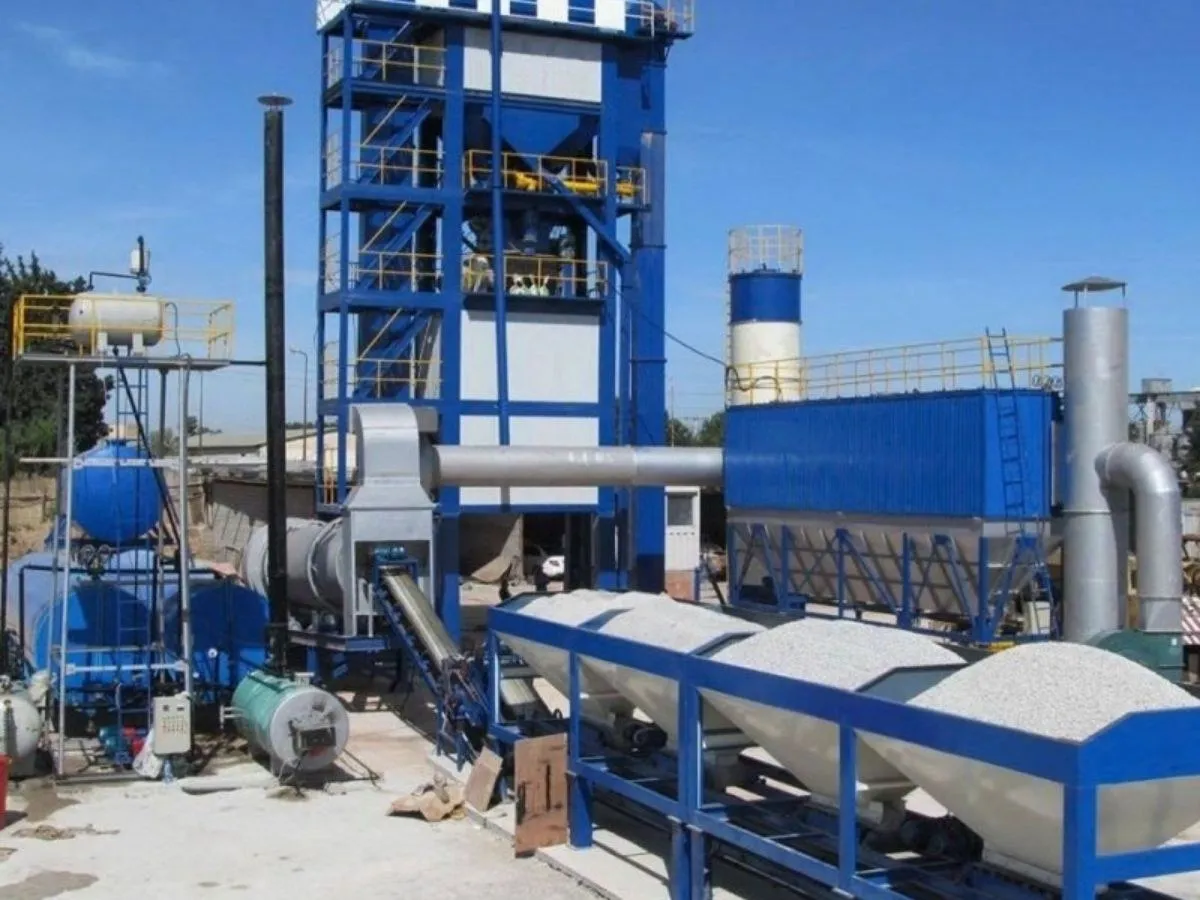
A hot mix storage silo lets the plant keep producing when trucks are late, and lets trucks load in seconds when they arrive together. Whether you need one depends on how steady your truck cycle is and who your customers are.
How a silo changes the day
| Without a silo | With a silo |
|---|---|
| Each batch must drop into a waiting truck | Batches go into the silo; trucks load from it |
| Late trucks stop the plant | Plant keeps running into the silo |
| Bunched trucks wait for batches | Trucks load quickly from stored mix |
| Mixer starts and stops all day | Steady production, steadier temperatures |
Do you need one?
| Situation | Silo? |
|---|---|
| Commercial plant selling to several contractors | Yes — usually two or more |
| Night work in cities | Yes |
| Several mixes needed at the same time | Yes — one silo per mix |
| Long or irregular haul distances | Yes |
| Rainy climate with interrupted paving | Strongly recommended |
| One paving crew, short haul, steady trucks | Optional |
Sizing the silo
Size for the longest normal gap in truck arrivals at your production rate, then add a margin:
storage needed (t) ≈ plant output (t/h) × longest gap (h) × 1.2–1.5| Plant | Longest normal gap | Storage needed |
|---|---|---|
| 80 t/h | 15 min | about 25–30 t |
| 120 t/h | 20 min | about 50–60 t |
| 160 t/h | 30 min | about 95–120 t |
| 240 t/h | 30 min | about 145–180 t |
Commercial plants often add a second silo to hold a second mix or to cover end-of-shift loading.
Silo types and features
| Feature | Why it matters |
|---|---|
| Insulation | Keeps mix hot for hours |
| Heated cone and discharge gates | Stops mix sticking and cooling at the outlet |
| Anti-segregation filling | Prevents coarse and fine separating as mix drops in |
| Level indicators | Operator knows how much is stored |
| Skip hoist or slat conveyor | Carries mix from the mixer to the silo top |
| Weighbridge integration | Trucks are loaded to the right weight |
Cost-benefit
A silo adds to the plant price, steel and installation. It pays back through:
- More tons per shift — fewer stops waiting for trucks
- Fewer trucks needed — trucks load fast and don’t queue for batches
- Less waste — fewer start-stop cycles and cold first batches
- More customers served — commercial supply needs it
See the batch plant price page for how options affect the budget.
Good practice
- Don’t drop mix into an empty silo from full height — keep a minimum level
- Follow your specification on maximum storage time and discharge temperature
- Clean and inspect gates and cones regularly
- Keep heating systems on when storing mix for long periods
Ask us whether your plant needs a silo — tell us your output, haul and customers.