Short answer: A used plant is worth buying only if someone who knows asphalt plants inspects it and you count dismantling, transport, refurbishment and parts. Compare total cost to the first ton, not the purchase price. The value sits in the drum, burner, mixer, baghouse, screen and control system, so check them, check that parts and software support still exist, and check your country’s rules on used machinery.
A used asphalt plant can save money, or cost more than a new one by the time it produces its first ton. Use this guide to decide and to inspect.
New vs used: total cost to first ton
| Cost | New plant | Used plant |
|---|---|---|
| Purchase price | Higher | Lower |
| Dismantling at the old site | — | Your cost, often with crane and crew |
| Transport | From factory | From the old site — often less efficient packing |
| Refurbishment | — | Wear parts, bags, paint, electrical repairs |
| Installation and commissioning | Supplier’s engineers | Who supports it? |
| Configuration fit | Built for your voltage, fuel, climate | Must be adapted, if possible |
| Warranty | Yes | Usually none |
| Parts and software support | Current | Check — may be discontinued |
Add these up before comparing. See the price guide for new-plant budgets.
The components that decide the value
| Component | What to check | Replacement is |
|---|---|---|
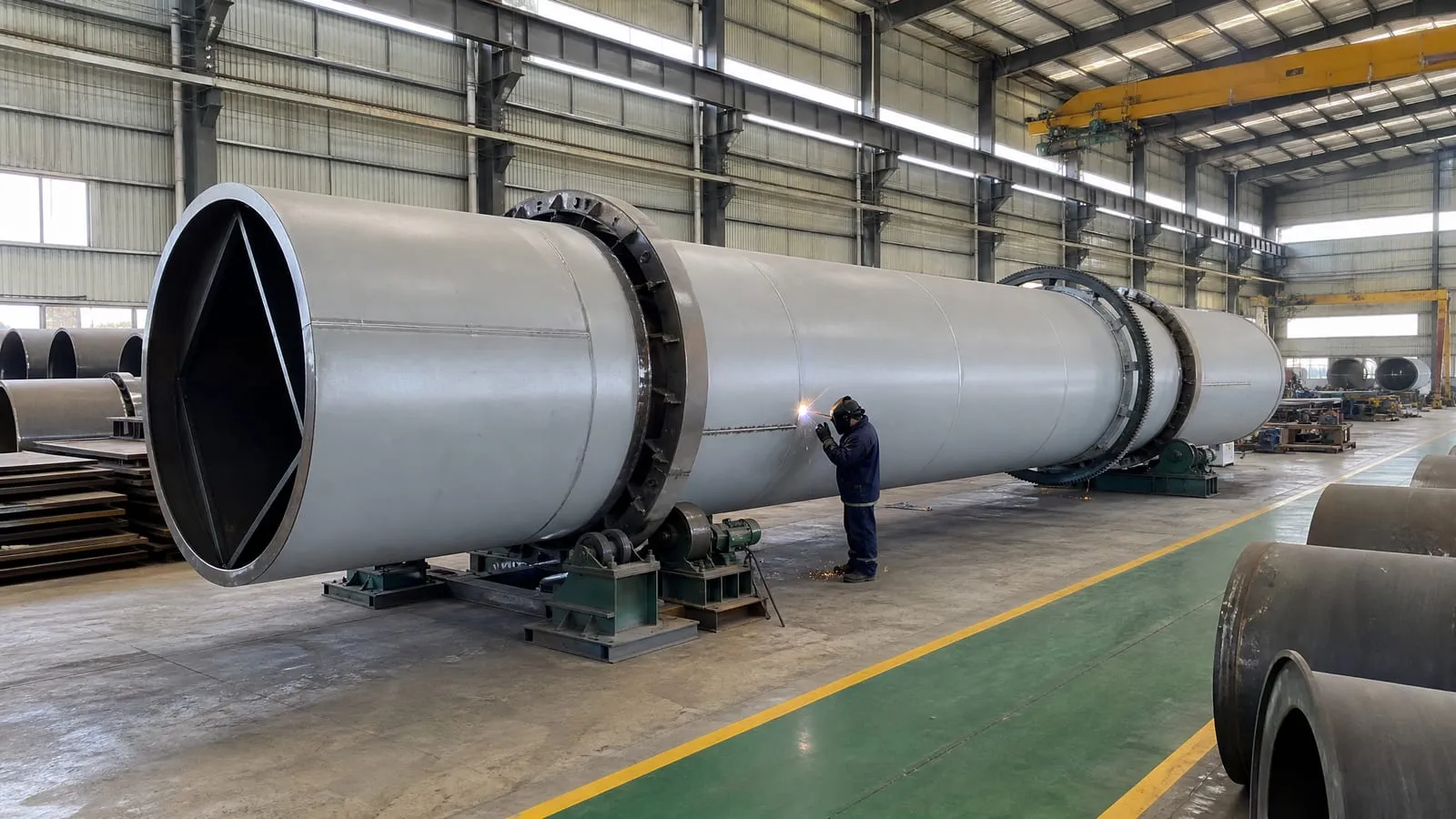
| Drying drum | Shell thickness and cracks, flights, tyres and trunnion rollers, seals | Expensive |
| Burner and fuel system | Condition, flame control, fuel type match | Moderate to expensive |
| Mixer | Shafts, arms, paddles, liners, seals, gates | Moderate to expensive |
| Hot elevator | Buckets, chain or belt, sprockets | Moderate |
| Vibrating screen | Decks, springs, bearings, structure | Moderate |
| Baghouse | Bags, cages, pulse valves, fan, ducting corrosion | Moderate |
| Scales | Load cells and calibration | Moderate |
| Control system | PLC model, software, licences, spare parts | Can be expensive if obsolete |
| Electrical | Cabinets, motors, cables | Moderate |
| Chassis (mobile) | Frames, axles, brakes, legs | Expensive if roadworthiness fails |
Inspection checklist
Before visiting
- Brand, model, year, serial number, original rated output
- Hours or tons produced, maintenance records
- Reason for selling; can you see it running?
- Original voltage, frequency and fuel
On site — running
- Burner lights and holds a stable flame
- Drum turns smoothly; no wobble on tyres
- Mixer runs without knocking; gates seal
- Baghouse pressure drop normal; no visible stack dust
- Scales return to zero and weigh test weights correctly
- Control system runs recipes and records batches
On site — stopped
- Measure drum shell and mixer liner wear
- Inspect flights, paddles, elevator buckets, screen decks
- Open baghouse: bag and cage condition, corrosion
- Electrical cabinets: burnt contacts, moisture, rodent damage
- Structure: cracks at welds, corrosion at base plates
Import and adaptation pitfalls
- Used machinery rules — some countries restrict used capital goods or add conditions
- Voltage and frequency — a 60 Hz plant in a 50 Hz country (or vice versa) needs motor and control changes
- Emission limits — an older baghouse may not meet your permit
- Specifications — an old control system may not produce the batch records your client requires
When new makes more sense
- You need a specific configuration (fuel, altitude, voltage, storage)
- The used plant’s drum, mixer or control system needs replacing
- You need a warranty and supplier support for installation and training
- The price gap shrinks once dismantling, transport and refurbishment are counted
Compare a used offer with a new configuration — send us the used plant’s details and we will quote a comparable new plant.