An asphalt plant business plan stands or falls on demand: how many tons you can sell each year, at what price, within the distance hot mix can travel. Everything else — plant size, investment, staffing — follows from that.
1. The market
| Question | Evidence to collect |
|---|---|
| Who buys asphalt within hot-haul distance? | Road agencies, municipalities, contractors, private developers |
| How many tons a year? | Public road budgets, tender lists, contractor interviews |
| At what price? | Current delivered prices from existing suppliers |
| Who supplies them now? | Competing plants, their capacity and reliability |
| How seasonal is demand? | Paving months, rainy or cold seasons |
Contracts or letters of intent from buyers are the strongest evidence for lenders.
2. The plant
Choose the plant from the market, not the other way round:
| Market | Plant |
|---|---|
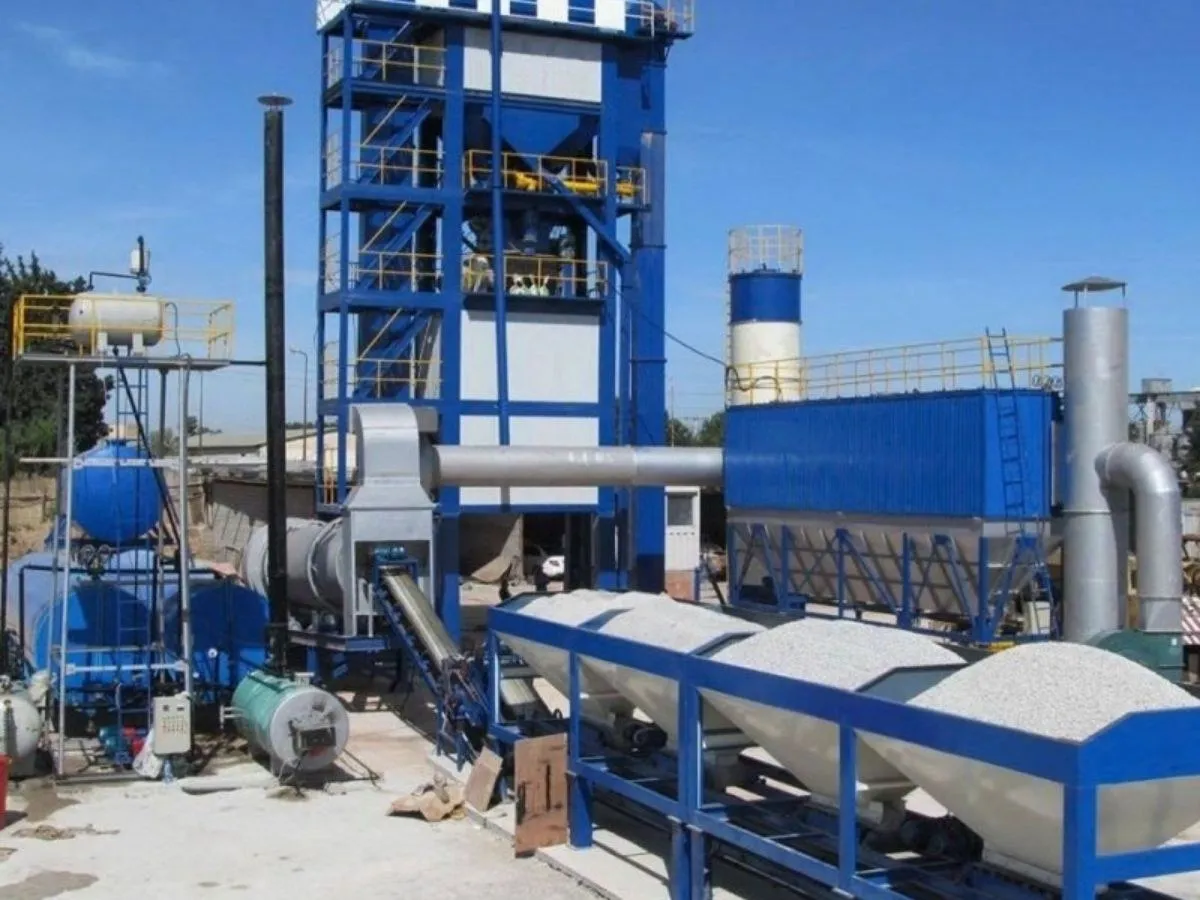
| Commercial supply to many customers | Stationary batch with hot mix silos — see the batch price page |
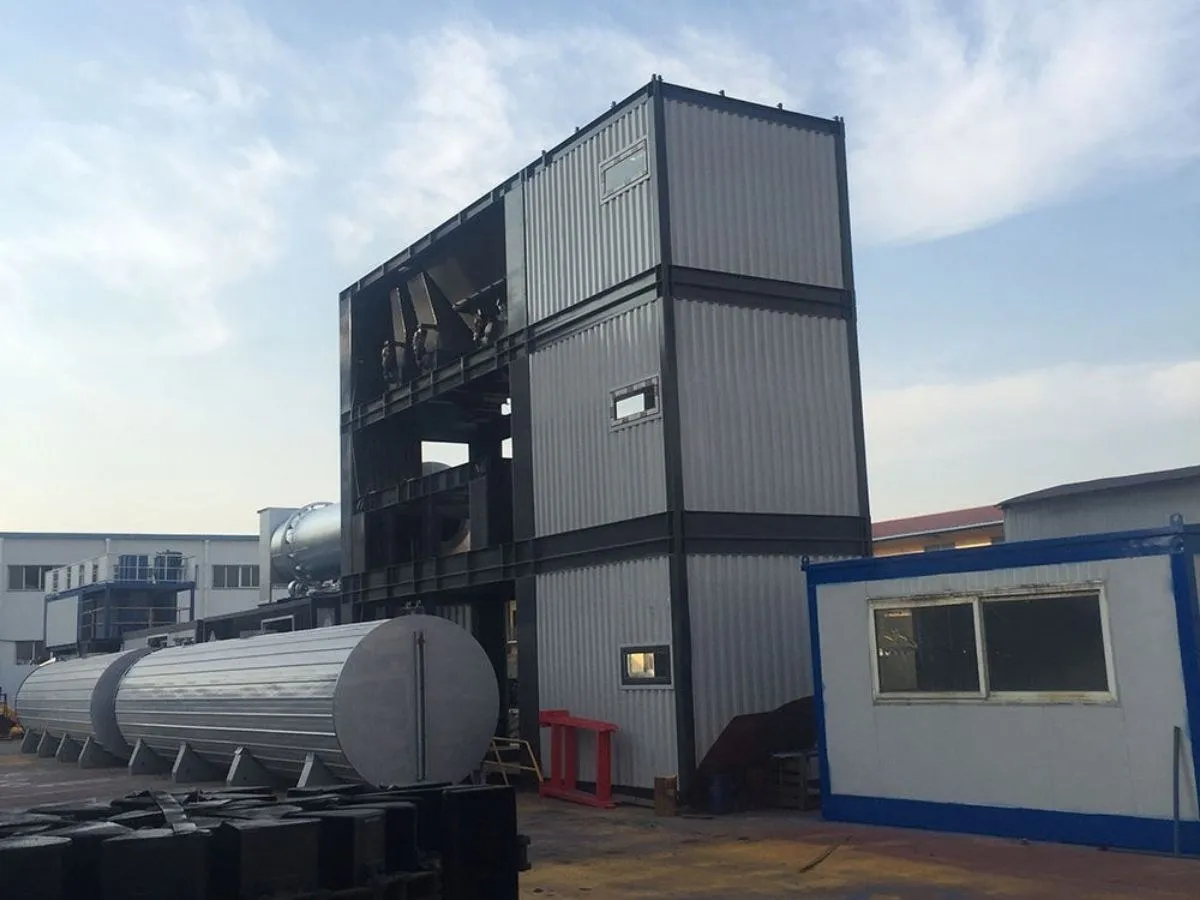
| Your own contracts across a region | Containerized or mobile batch |
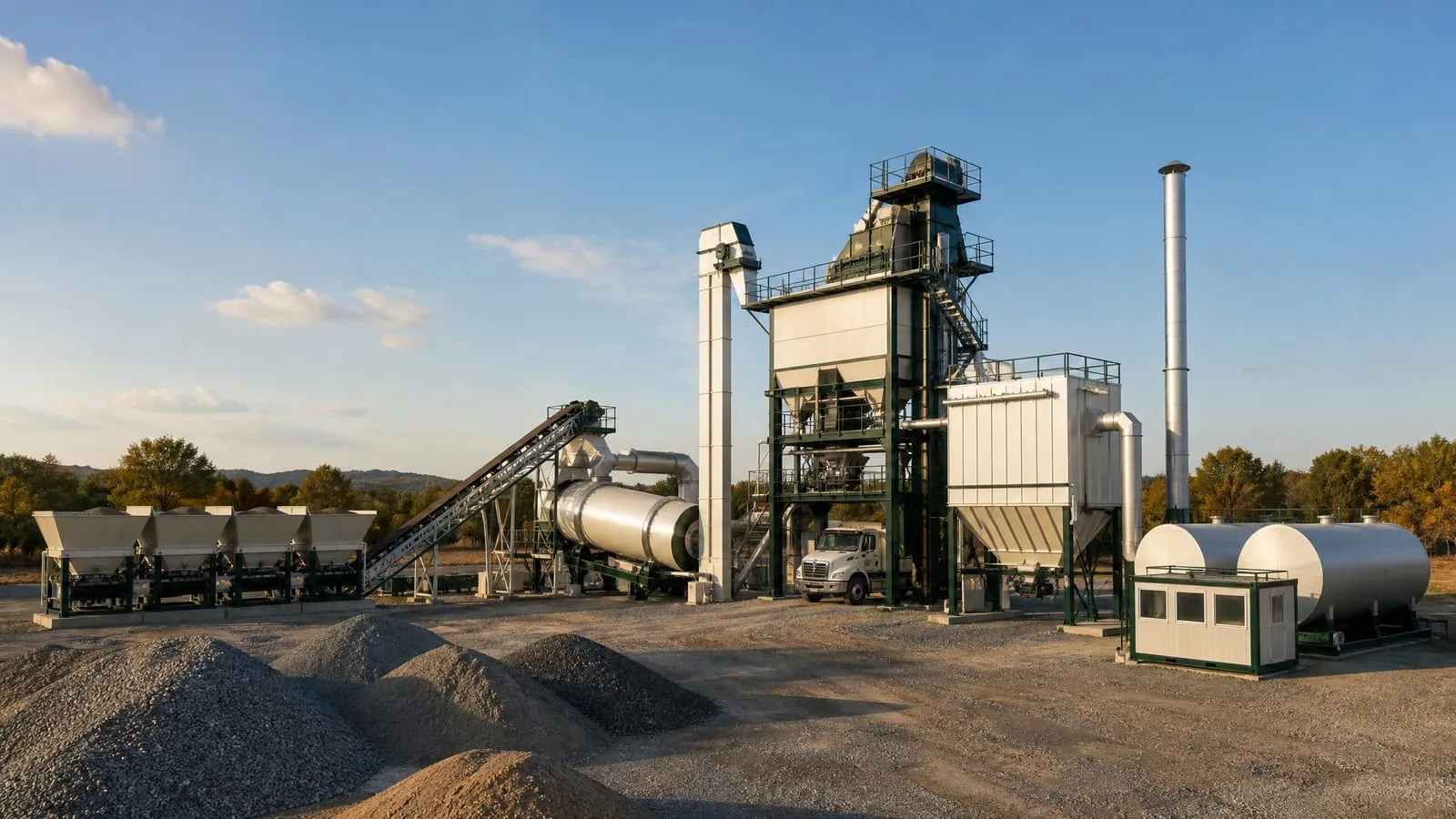
| Steady single mix for rural programs | Drum mix |
| City with regular milling | Batch plant with RAP |
3. Investment
List every line, not just the plant: equipment, freight, duties, site works, foundations or pad, installation, power, storage, lab, weighbridge, permits and working capital. Our project cost guide gives the full checklist.
4. Cost per ton
| Cost | Type | Driver |
|---|---|---|
| Bitumen | Variable | Binder content × bitumen price |
| Aggregate | Variable | Delivered price × tons per ton of mix |
| Fuel | Variable | Burner use per ton; aggregate moisture |
| Power | Variable | Grid tariff or generator fuel |
| Wear parts and maintenance | Mostly variable | Tons produced, aggregate abrasiveness |
| Shift labor | Semi-variable | Hours run |
| Staff, site, insurance, permits | Fixed | Per year |
| Plant depreciation or financing | Fixed | Investment and term |
Materials usually dominate. Small changes in bitumen price or binder content move the whole plan.
5. Revenue drivers
- Tons sold — the biggest lever; utilization lowers fixed cost per ton
- Price per ton — by mix type and customer
- Mix mix — higher-value mixes (wearing course, modified binders) vs base
- Services — delivery, paving, laying crews
- RAP — using millings lowers material cost where allowed
6. Break-even and cash flow
break-even tons per year = fixed costs per year ÷ (price per ton − variable cost per ton)Plan cash month by month: investment before start-up, working capital for bitumen and fuel, seasonal revenue, and payment delays from public clients. Many plants earn most of their revenue in a few paving months.
7. Risks and how to answer them
| Risk | Mitigation in the plan |
|---|---|
| Demand falls or tenders slip | Mix of public and private customers; plant that can move |
| Bitumen price or supply | Supply agreement; storage for several days or weeks |
| Permit delays | Apply early; experienced consultant |
| Seasonality | Cash reserve; off-season maintenance plan |
| Breakdowns in season | Spare parts stock; supplier support agreement |
| Management experience | Experienced plant manager; supplier training |
Plan outline
- Summary — the opportunity in one page
- Market and customers
- Plant, site and operations
- Investment and financing
- Cost per ton and pricing
- Revenue, break-even and cash flow
- Risks and mitigation
- Management and staffing
Want the plant section done properly? Send us your target market and tonnage — we will provide the configuration, layout, power and consumption figures your plan needs.