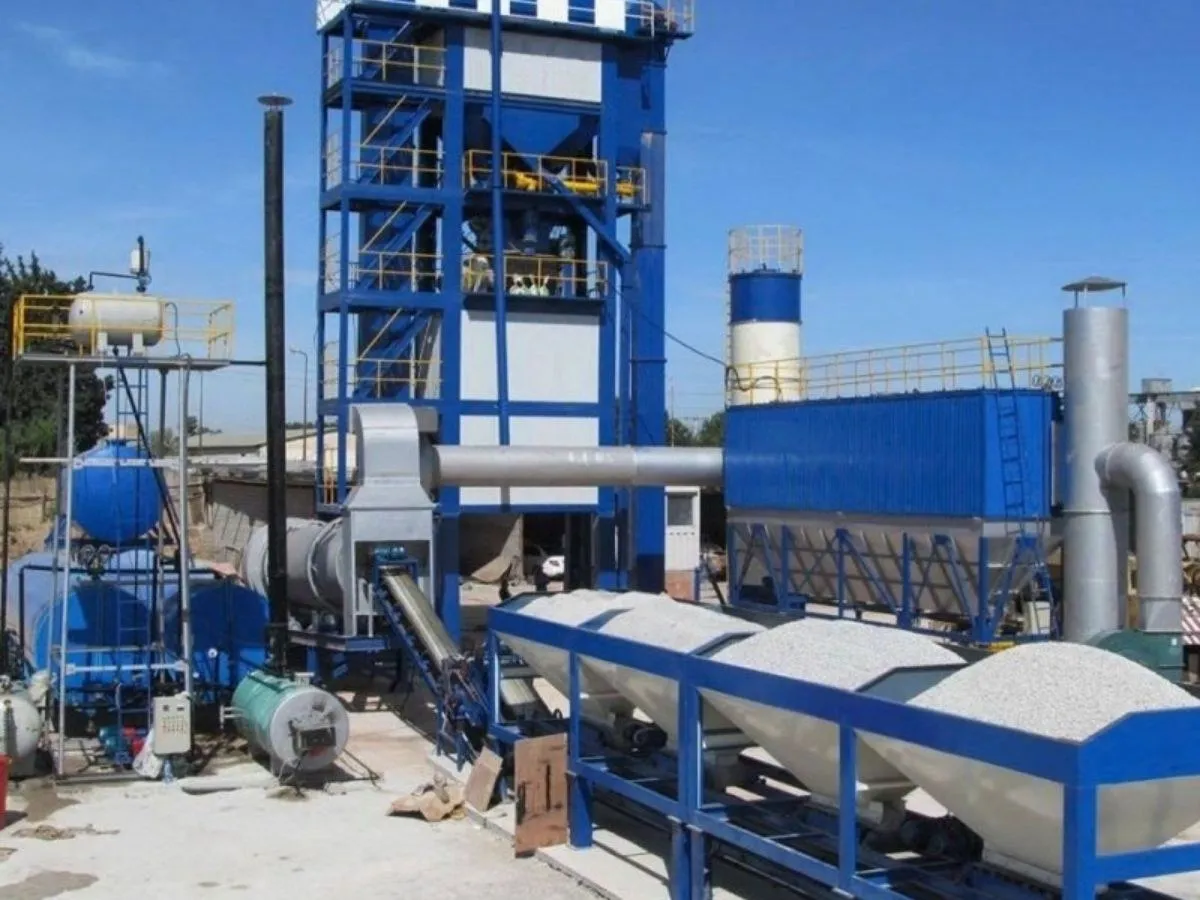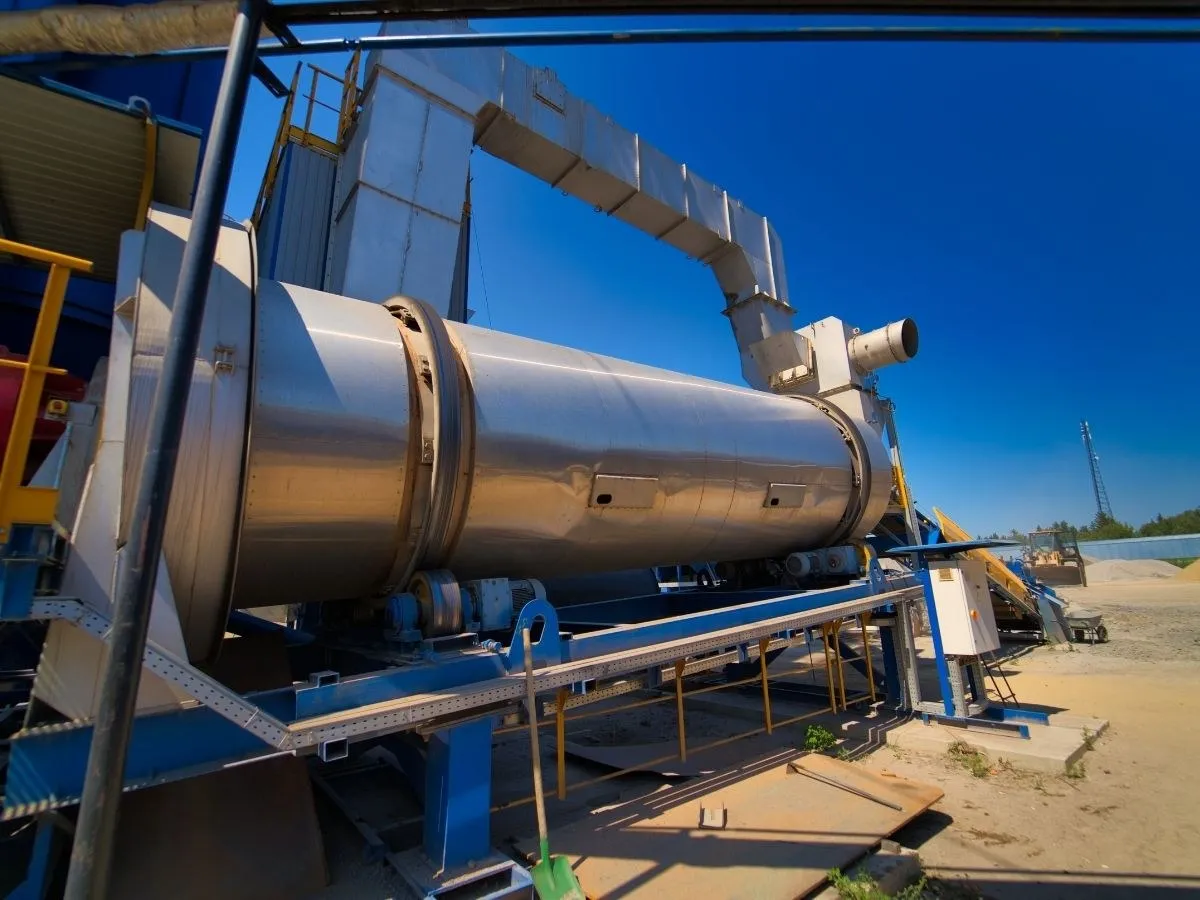
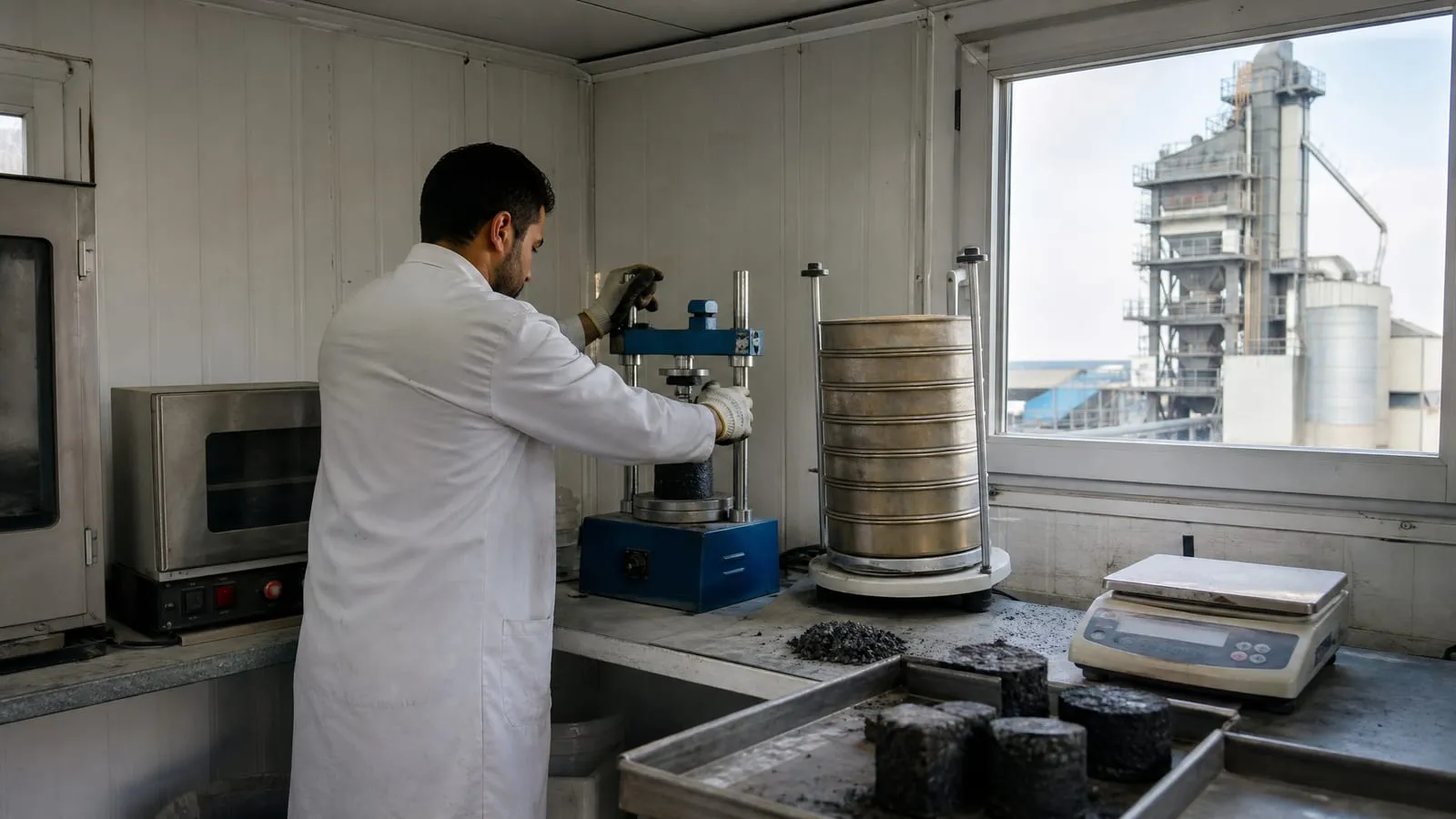
Calibration makes the plant deliver what the recipe says. Without it, the control screen can show perfect numbers while the mix drifts out of specification. It takes hours, prevents weeks of trouble, and is one of the first things a project engineer asks to see.
What gets calibrated
| Item | Plant type | Method |
|---|---|---|
| Cold feeders (each bin) | All | Timed samples at several speeds |
| Weighing belt (belt scale) | Drum plants; some batch plants | Test chain or material weighed on a certified scale |
| Aggregate scale | Batch | Certified test weights |
| Filler scale | Batch | Test weights |
| Bitumen scale or meter | Batch (scale) / drum (meter) | Test weights / flow check |
| Temperature sensors | All | Reference thermometer |
Cold feeder calibration
- Use the actual material for that bin, at normal moisture
- Run the feeder at three or more speed settings across the working range
- At each setting, collect or weigh the material delivered in a measured time
- Convert to tons per hour (dry basis, corrected for moisture)
- Enter the curve in the control system
- Repeat when the material source or gradation changes
Batch scale calibration
- Empty and clean the hopper; check it hangs freely
- Set zero
- Add certified test weights in steps up to the working range
- Compare readings; adjust span as the manual describes
- Remove weights and confirm zero returns
- Record readings, adjustments and the weights used
Material build-up, a hopper touching the frame, or damaged load-cell cables are common causes of drift.
When to calibrate
| Trigger | Why |
|---|---|
| Commissioning | Baseline before production |
| Start of season | Wear and settling over the off-season |
| After repairs | Load cells, hoppers, feeders or belts changed |
| New material source | Feeder curves depend on the material |
| Lab results drift | Gradation or binder content off target |
Records
Keep a calibration file with date, item, method, test weights or samples used, readings, adjustments and who did it. It supports quality audits and, with lab results, shows the plant is under control.
Calibration is part of our commissioning and appears in the maintenance checklist. For lab setup, see quality control lab.