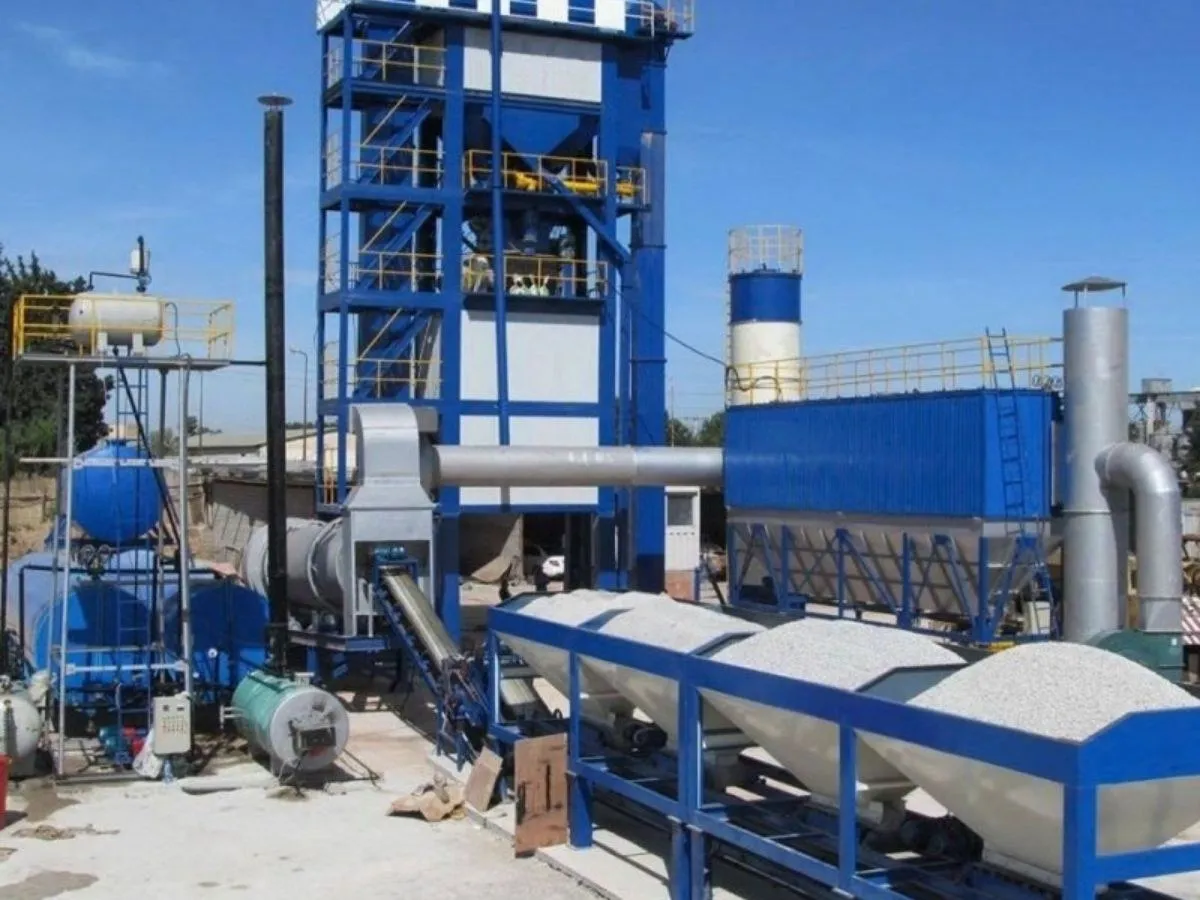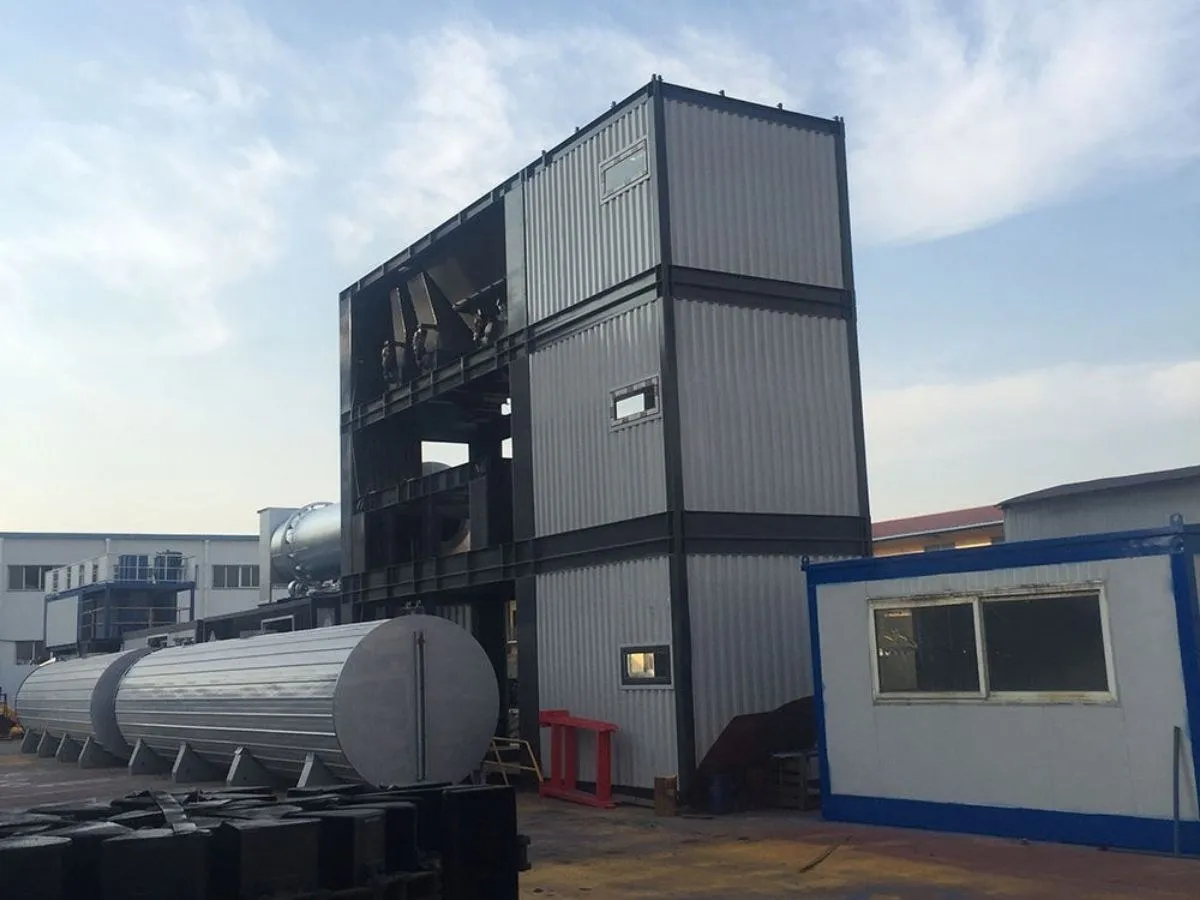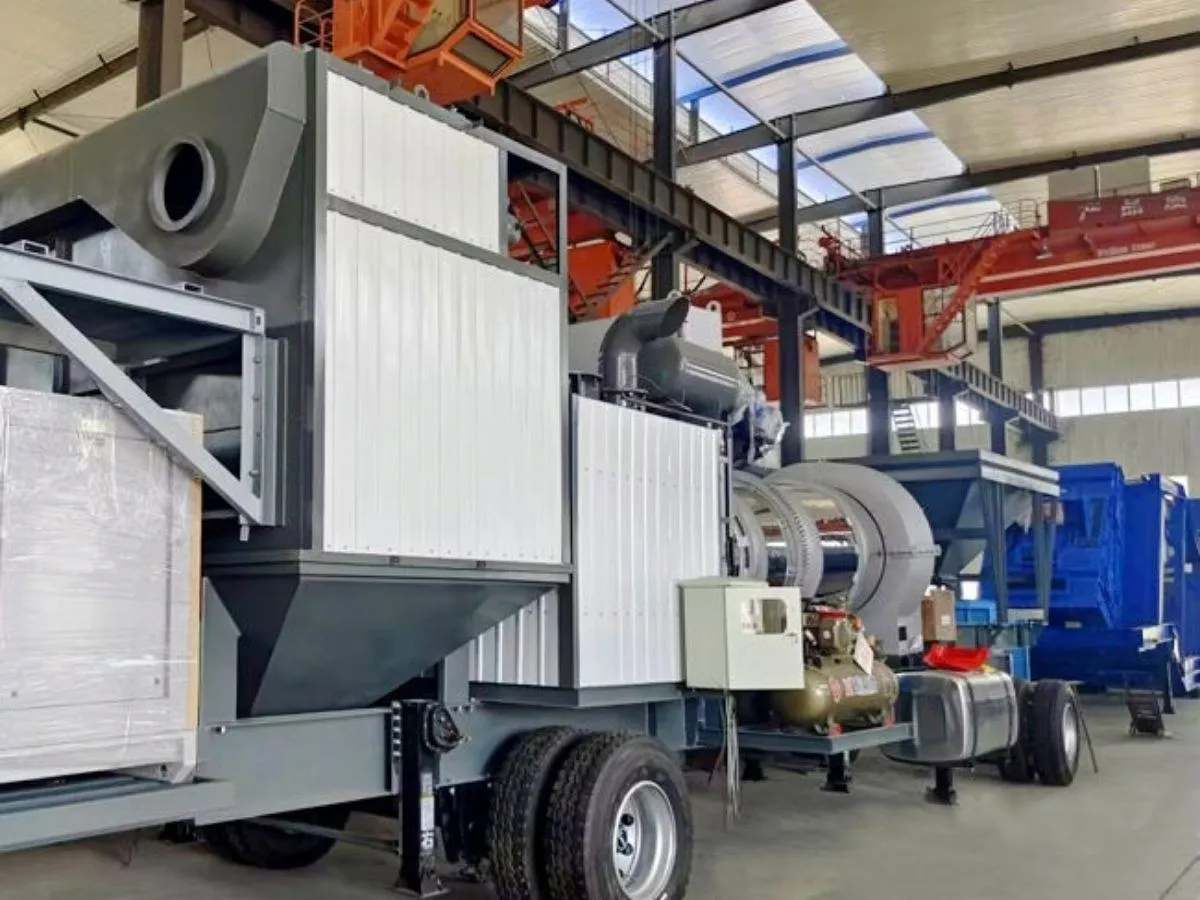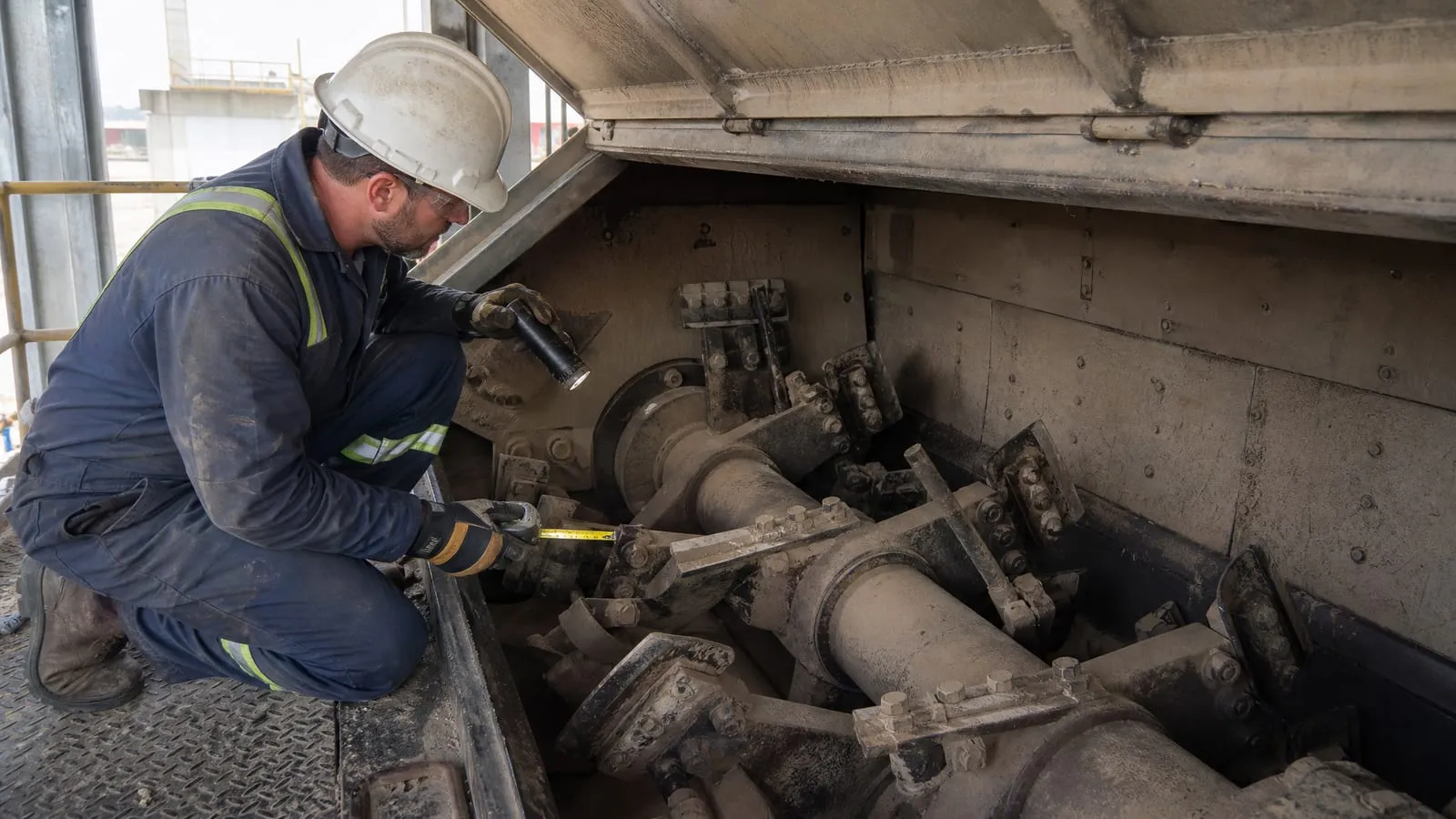
A good maintenance routine is the cheapest way to keep an asphalt plant producing in the season. This checklist groups the work by interval. It is a general guide based on common industry practice — always follow the intervals and torques in your plant’s own manual first.
Safety first. Before anyone works inside a drum, mixer, elevator, silo or baghouse: stop the plant, lock out and tag out the power and fuel, let hot parts cool, and check the atmosphere where required. See our safety checklist.
Daily — before start-up
| Area | Check |
|---|---|
| General | Walk-around: loose bolts, leaks, unusual noise from the previous day noted in the log |
| Cold feed | Bin gates free; feeder belts tracking; no oversize or contamination in bins |
| Conveyors | Belts centered; no damaged idlers; scrapers in contact |
| Burner | Fuel level and filters; no leaks; air damper moves freely |
| Drum | Tyres and rollers clean; no material build-up at seals |
| Elevator | Chain/belt tension; no buckets loose |
| Mixer | Gates close fully; no hardened mix build-up |
| Baghouse | Compressed air at pressure; drain water from air tanks |
| Bitumen | Tank temperatures and levels; pump and lines heated |
| Control | Alarms clear; scale zero readings normal |
Daily — during and after production
- Watch baghouse pressure drop and exhaust temperature — sudden changes mean trouble
- Note burner flame, mix temperature and drum discharge temperature trends
- After shutdown: run the mixer empty and clean gates; clear spillage under conveyors; record hours, tons and faults in the plant log
Weekly
| Area | Task |
|---|---|
| Lubrication | Grease bearings and points listed in the lubrication chart |
| Drum | Check tyre-roller contact and alignment; drive chain or gear |
| Burner | Clean nozzle and electrodes if needed; check flame shape |
| Elevator | Inspect buckets, chain wear, sprockets |
| Screen | Check meshes for holes or blinding; springs; bearings temperature |
| Mixer | Inspect paddle tips and liners; check paddle-to-liner clearance |
| Baghouse | Check pulse valves fire in sequence; inspect a few bags |
| Scales | Check zero and span with test weights if output looks wrong |
| Electrical | Check cabinet cooling, filters and dust; tighten loose terminals |
Monthly
| Area | Task |
|---|---|
| Drum | Measure flight wear; check shell for hot spots or cracks |
| Mixer | Measure liner and paddle wear; check shaft seals and gearbox oil |
| Elevator and screen | Measure chain elongation; replace worn meshes |
| Baghouse | Inspect more bags and cages; check for corrosion and air leaks in ducts |
| Burner | Combustion check — see burner tuning |
| Calibration | Calibrate cold feeders and scales — see calibration |
| Bitumen system | Check pump wear, valve packings, heating elements or thermal-oil system |
| Safety | Test emergency stops, guards and interlocks |
Off-season (annual)
- Replace worn mixer liners, paddles and arms
- Replace worn drum flights; check tyres and trunnions; realign the drum
- Inspect and replace filter bags as needed; service pulse valves
- Overhaul the burner; clean fuel tanks and lines
- Replace elevator chain and buckets if elongated or worn
- Service gearboxes — oil change and inspection
- Inspect structure and welds; repaint corroded areas
- Check and clean electrical cabinets; test insulation of motors
- Recalibrate all scales before restart
See the full off-season shutdown and restart checklist.
Detailed guides by system
| System | Guide |
|---|---|
| Drying drum | Drying drum maintenance |
| Mixer | Twin-shaft mixer maintenance |
| Elevator and screen | Hot elevator and vibrating screen maintenance |
| Baghouse | Baghouse care |
| Burner | Burner tuning |
| Faults | Common problems and fixes |
| Parts | Spare parts list |
Keep a plant log
Record every day: hours run, tons produced, fuel used, faults, parts replaced and who did the work. Over a season it shows which parts wear fastest at your site — the basis for your spare parts stock and your next off-season plan.
Need a maintenance plan for your plant? Ask our engineers.