Short answer: Airport specifications such as the FAA’s Item P-401 are stricter than most road specs, with tight limits on gradation, binder content and density, frequent testing and documented calibration. A batch plant with automatic batch records, a hot mix silo and spare output is the usual choice, but check what your specification allows. Size the plant from the paving plan, then add headroom.
Airport runways, taxiways and aprons carry heavy aircraft loads and must stay smooth and free of debris. The plant has to deliver consistent mix at high output, often under tight time limits. Here is what that means for plant choice and setup.
What airport specifications typically demand
| Requirement | Why | What it means for the plant |
|---|---|---|
| Tight gradation and binder tolerances | Uniform strength and durability | Batch weighing; calibrated scales; stable hot bins |
| High compacted density, low air voids | Resistance to rutting and water damage | Consistent mix temperature |
| Frequent sampling and testing | Acceptance by lot | Lab on site; batch records |
| Documented plant calibration | Proof of control | Calibration records for scales and feeders |
| Temperature limits | Workability and compaction | Burner control, insulated silo, short haul |
| Clean surfaces, no debris | Foreign object damage risk | Careful truck and paving operations |
In the United States, FAA Advisory Circular 150/5370-10 sets these out in Item P-401 (asphalt mix pavement); other countries use national aviation or defense specifications. Read the plant clauses of your specification before choosing equipment.
Two kinds of runway work
| New runway or full closure | Operating runway, night work | |
|---|---|---|
| Paving pattern | Long continuous lanes to minimize joints | Short sections in fixed night windows |
| Plant priority | High, steady output for many hours | Reliable start-up and fast delivery in a short window |
| Storage | Silo to keep pavers moving | Silo to preload before the window opens |
| Risk | Any stop creates a cold joint | Missing the window delays reopening |
Plant setup for airport work
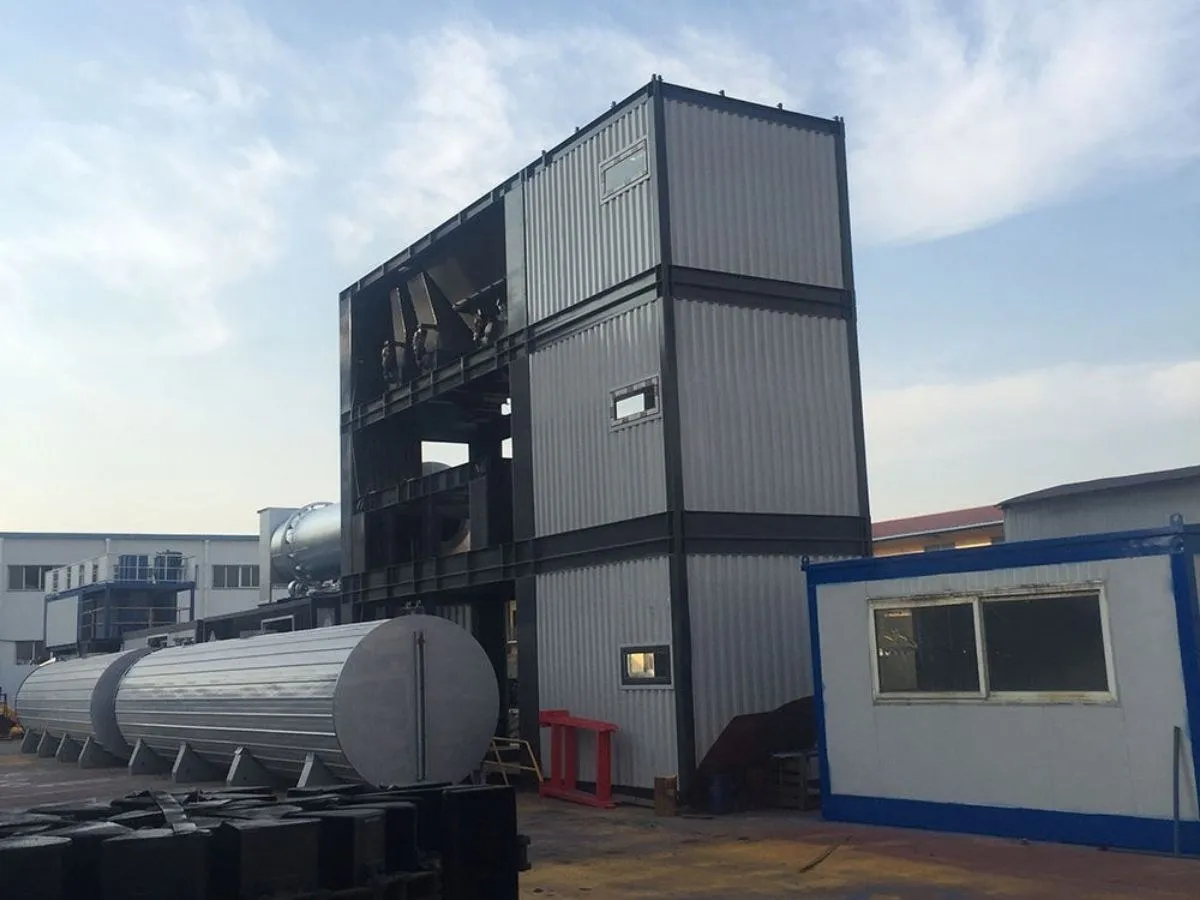
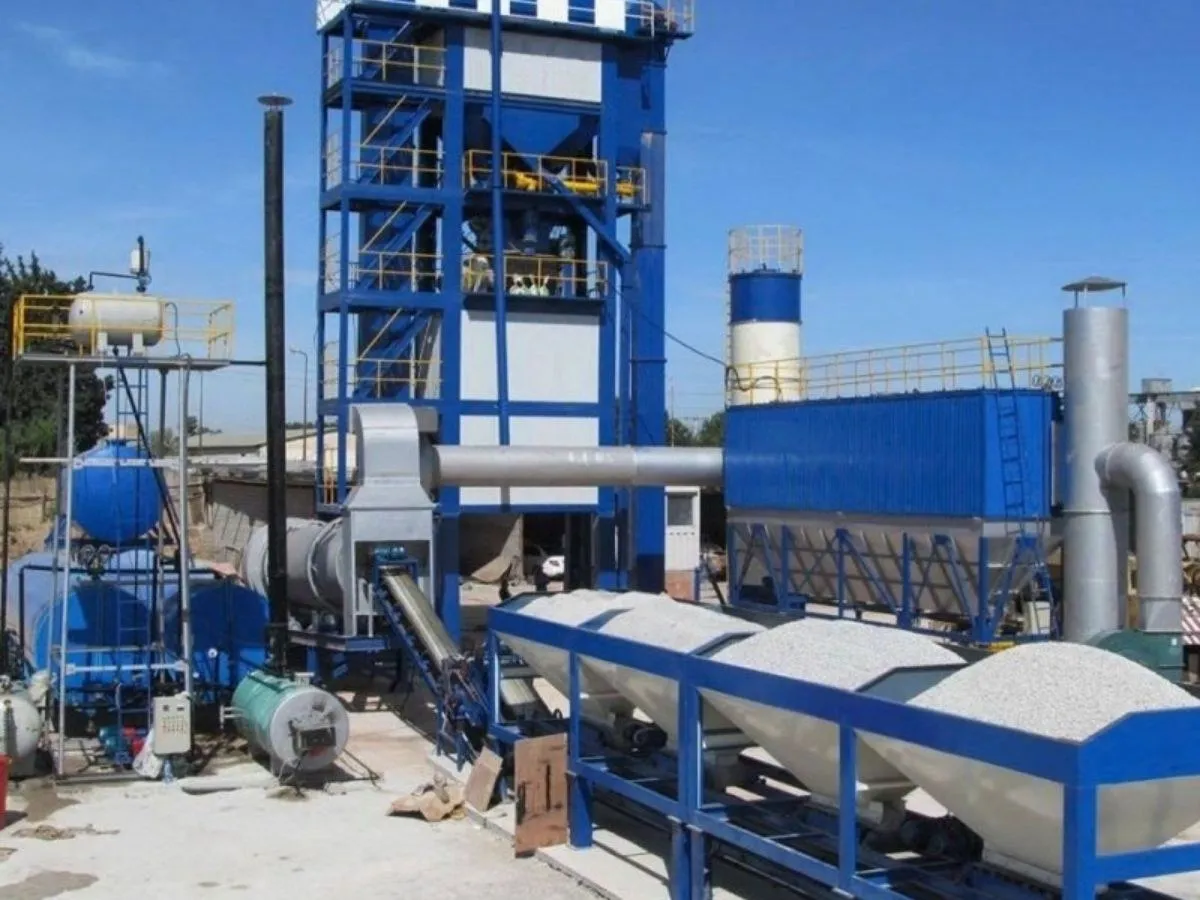
- Batch plant with automatic batch records — stationary for a long airport program, containerized for remote airfields or one-off projects
- Output headroom over the paving plan — see rated vs real output
- One or two hot mix silos — see do you need a silo
- Polymer-modified binder capability if specified: heated tank and suitable pumps
- Fiber or additive feeder for SMA or special mixes
- Lab on site with the tests the specification requires
- Spare parts and a maintenance plan so the plant does not stop mid-pour
Sizing the plant for a runway
tons per shift = paving width × thickness × length per shift × density
plant t/h ≈ tons per shift ÷ effective hours × 1.2–1.3
Example: a runway paved in 7.5 m wide lanes, 50 mm thick, at 2.35 t/m³ needs about 880 t per lane-kilometer (7.5 × 0.05 × 1,000 × 2.35). If the paving plan is 1.5 lane-kilometers per 8-hour shift, that is about 1,320 t per shift — around 165 t/h on average, so a 240 t/h plant gives the needed headroom.
Questions for your supplier
- Can the plant record and print every batch with weights and temperatures?
- Which specification clauses has the plant configuration been checked against?
- What storage is included, and how long can it hold mix at temperature?
- How quickly can parts reach the site if something fails mid-project?
Send us your airport specification and paving plan and we will propose a plant configuration.