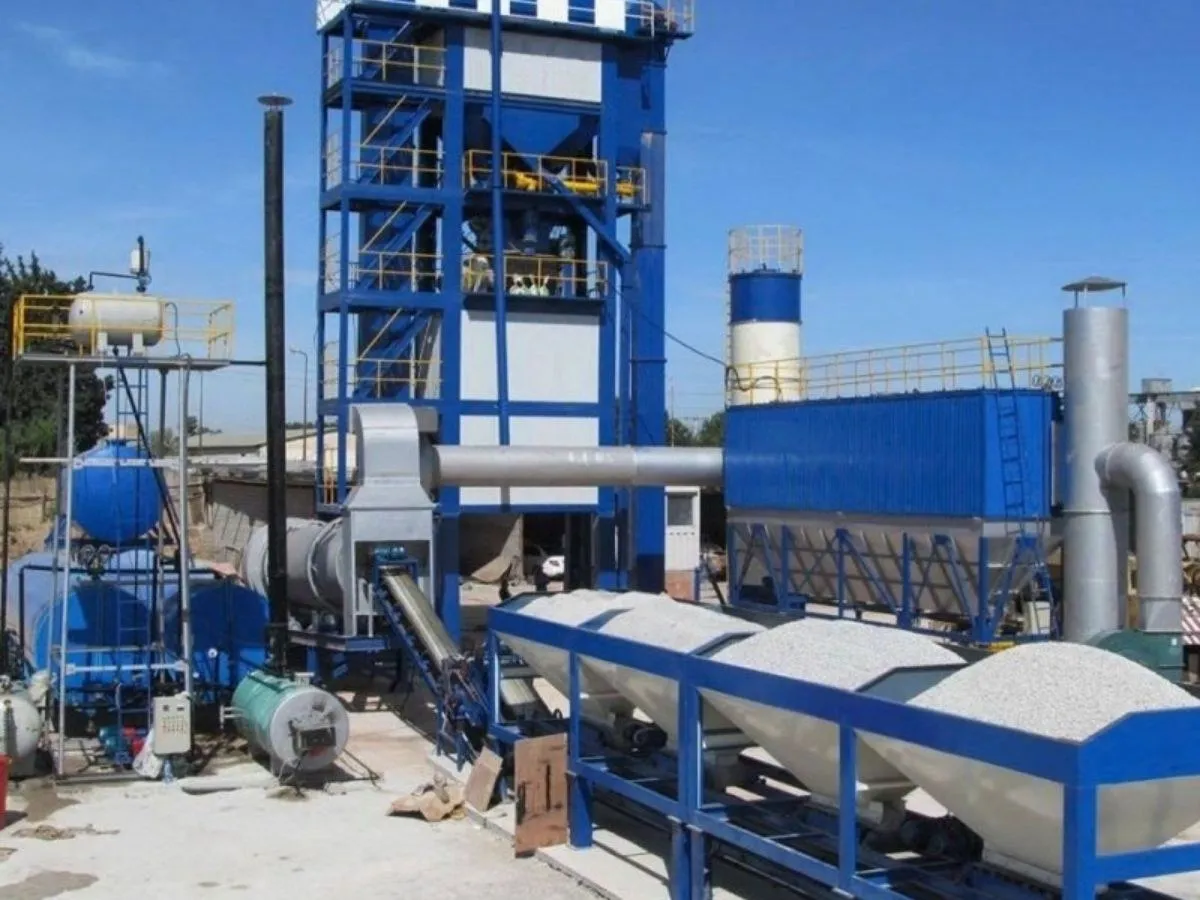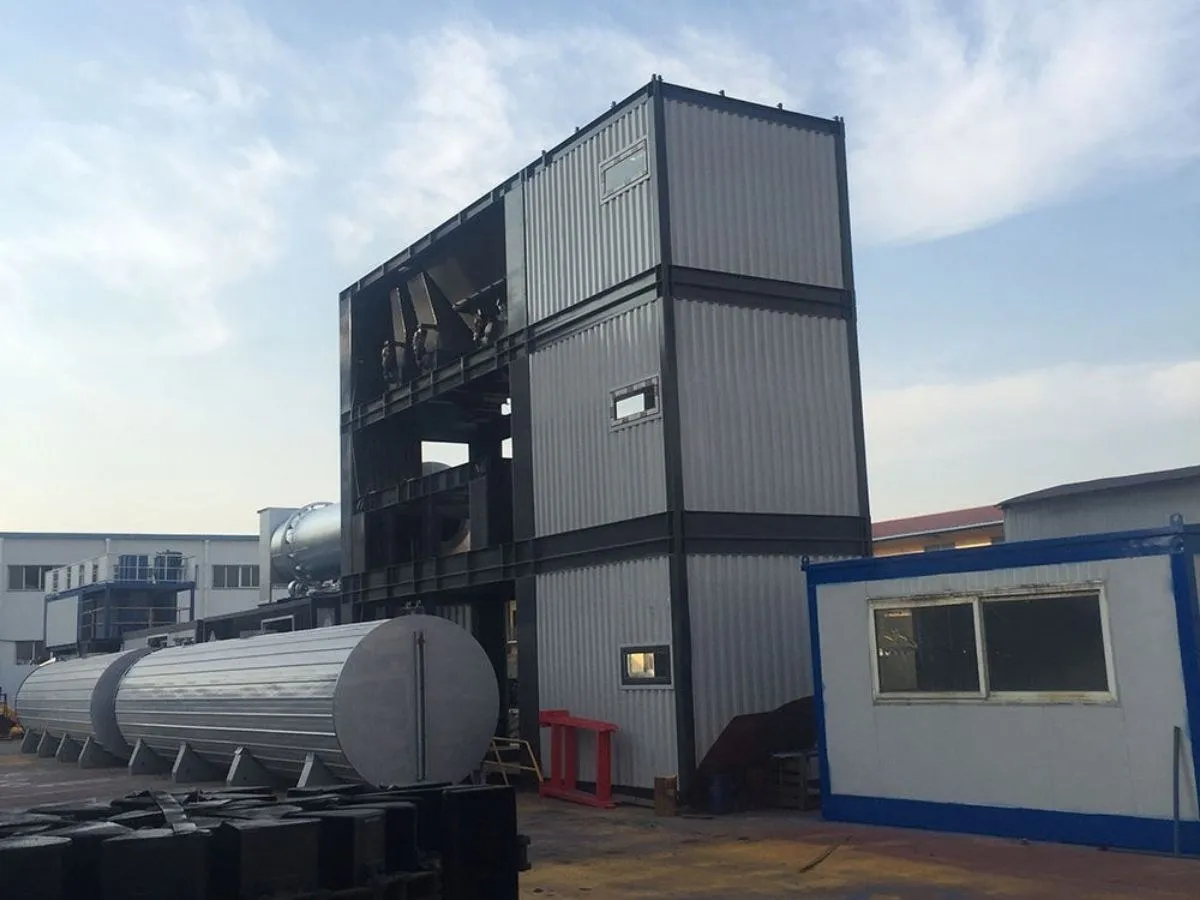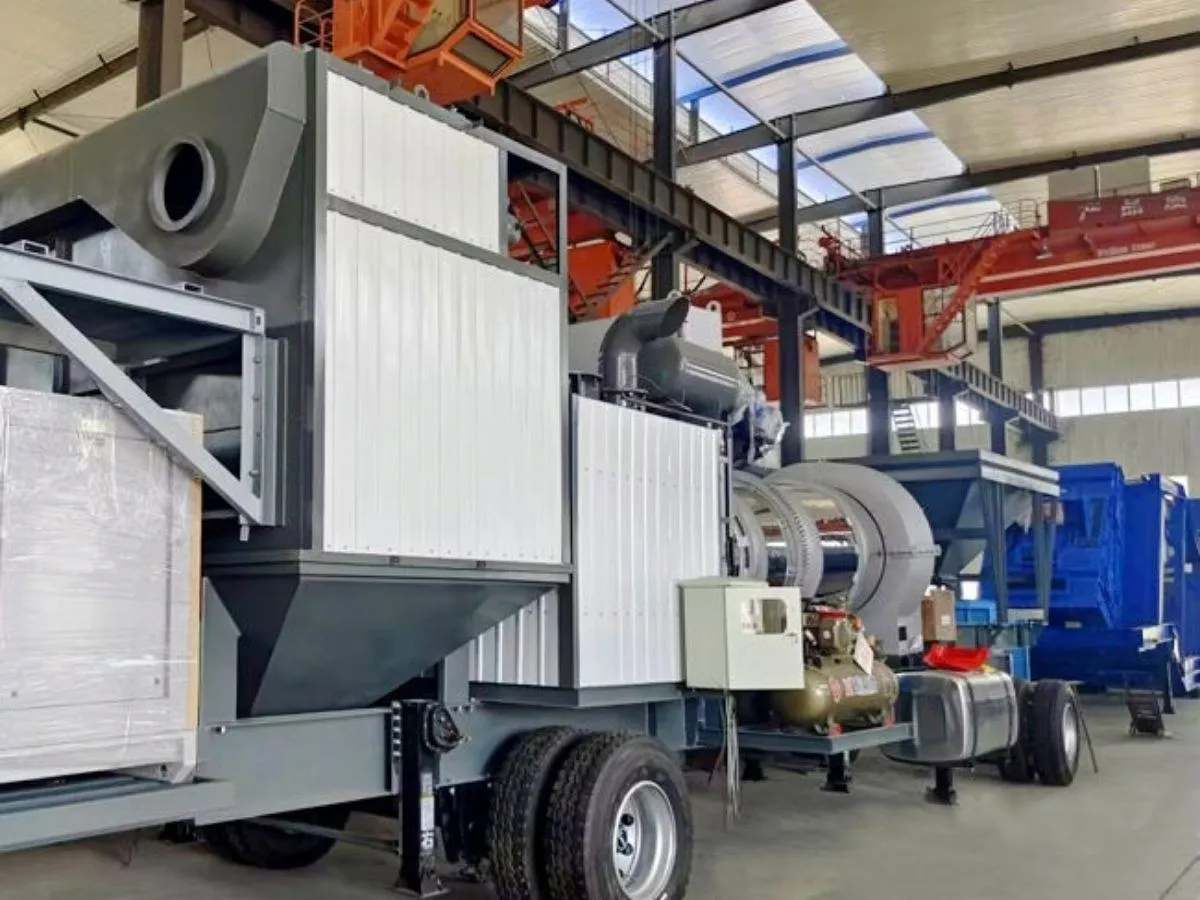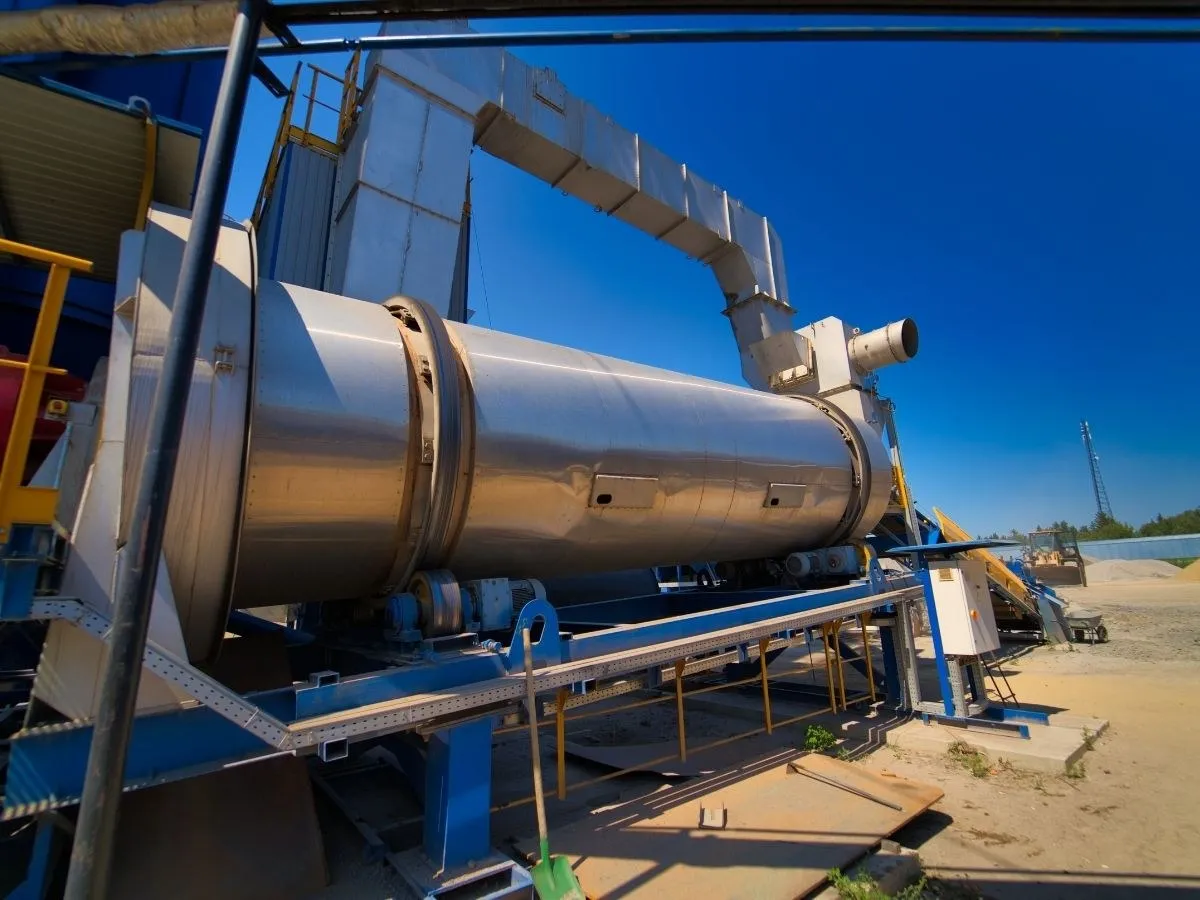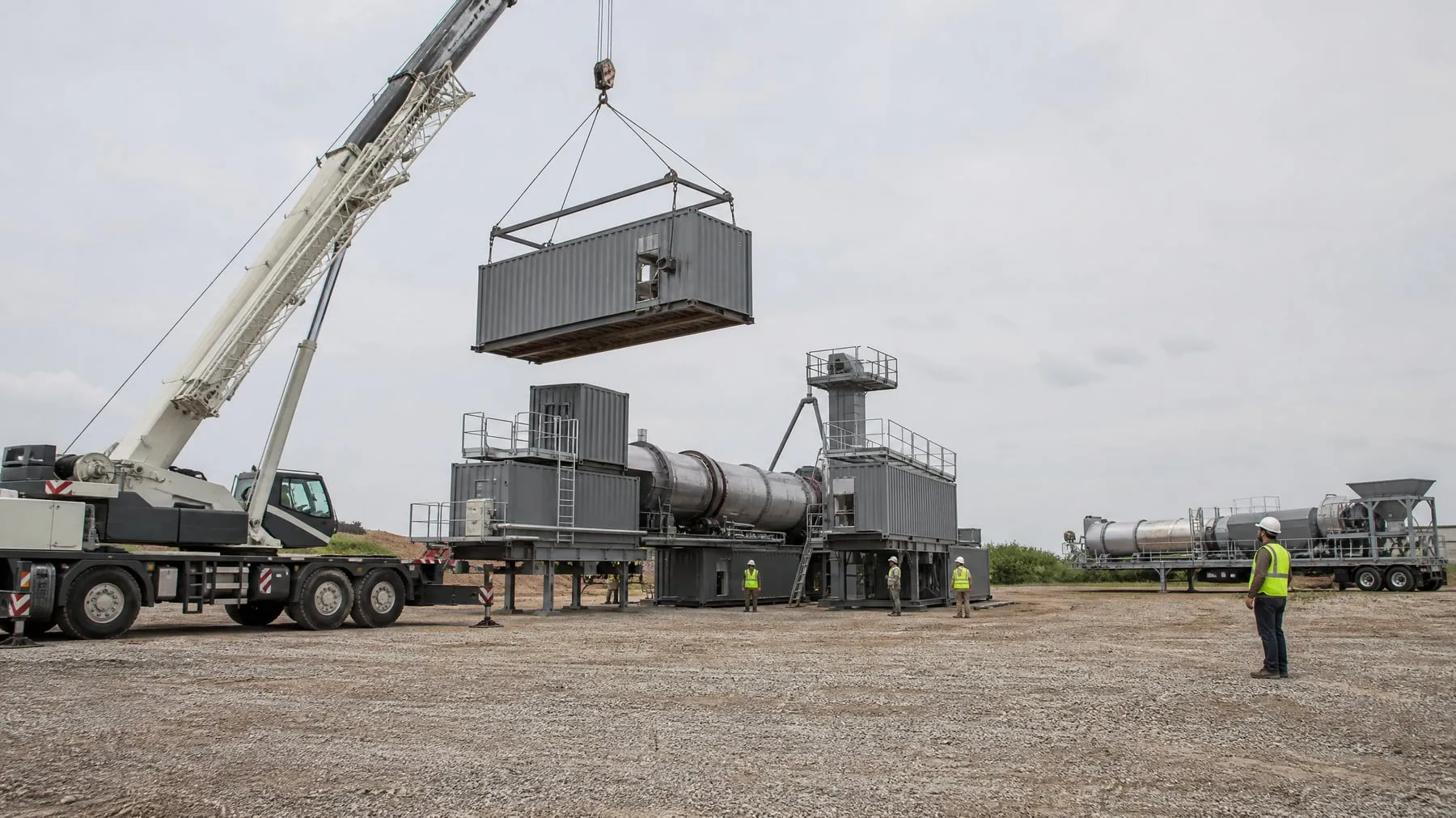
How much foundation work you need depends mostly on the plant type. A stationary batch plant needs reinforced concrete; a containerized plant needs a level, compacted pad; a mobile plant needs firm, leveled ground for its legs. In every case, the ground must carry the load points on the supplier’s drawing.
Foundations by plant type
| Plant type | Foundation | Typical work | Moves |
|---|---|---|---|
| Stationary batch | Reinforced concrete footings and slabs under tower, drum, baghouse, silos, tanks | Excavation, formwork, rebar, anchor bolts, pour, cure | New foundations at every move |
| Containerized | Level, compacted gravel or stabilized pad | Grading, compaction, drainage | New pad at the next site — simple and fast |
| Mobile | Firm, leveled ground; spreader plates under legs on softer soil | Grading and compaction | Set up again within days |
| Drum mix | Light footings, or leveled ground for trailer-mounted versions | Small concrete pads or compaction | Depends on layout |
What the supplier provides
- Layout drawing with the position of every unit
- Load points — vertical and horizontal loads at each support
- Anchor bolt positions and sizes (stationary plants)
- Pad requirements — area, level tolerance, bearing capacity (containerized and mobile)
A local civil engineer then designs the actual footings or pad to the soil conditions and local codes.
Soil check first
Before you build, have the ground tested. Settlement under the tower or drum can misalign the drum tyres and rollers, crack welds and bend the elevator. On soft or variable ground, the engineer may specify soil replacement, a thicker pad, larger footings or piles.
Drainage is part of the foundation
Water under a pad or footing weakens it. Slope the pad, provide drains around the plant and stockpiles, and keep the bitumen and fuel areas bunded so spills do not soak the ground.
Timing
| Step | Plan it |
|---|---|
| Soil check and civil design | As soon as the layout drawing arrives |
| Foundations or pad | During plant manufacturing |
| Curing (concrete) | Before heavy loading — your engineer sets the time |
| Plant arrival | When foundations or pad are ready |
For containerized and mobile plants, this step is short — one of the main reasons buyers choose them for projects that move. See the containerized vs stationary comparison for the cost side.
Checklist
- Layout drawing and load points received from the supplier
- Soil test done
- Civil design adapted to soil and local codes
- Anchor bolts set to the drawing (stationary plants)
- Pad level and compaction checked (containerized and mobile)
- Drainage around plant and stockpiles
- Bunding for bitumen and fuel areas
Ask for the layout and load drawing for your model. For the rest of the site, see site requirements.