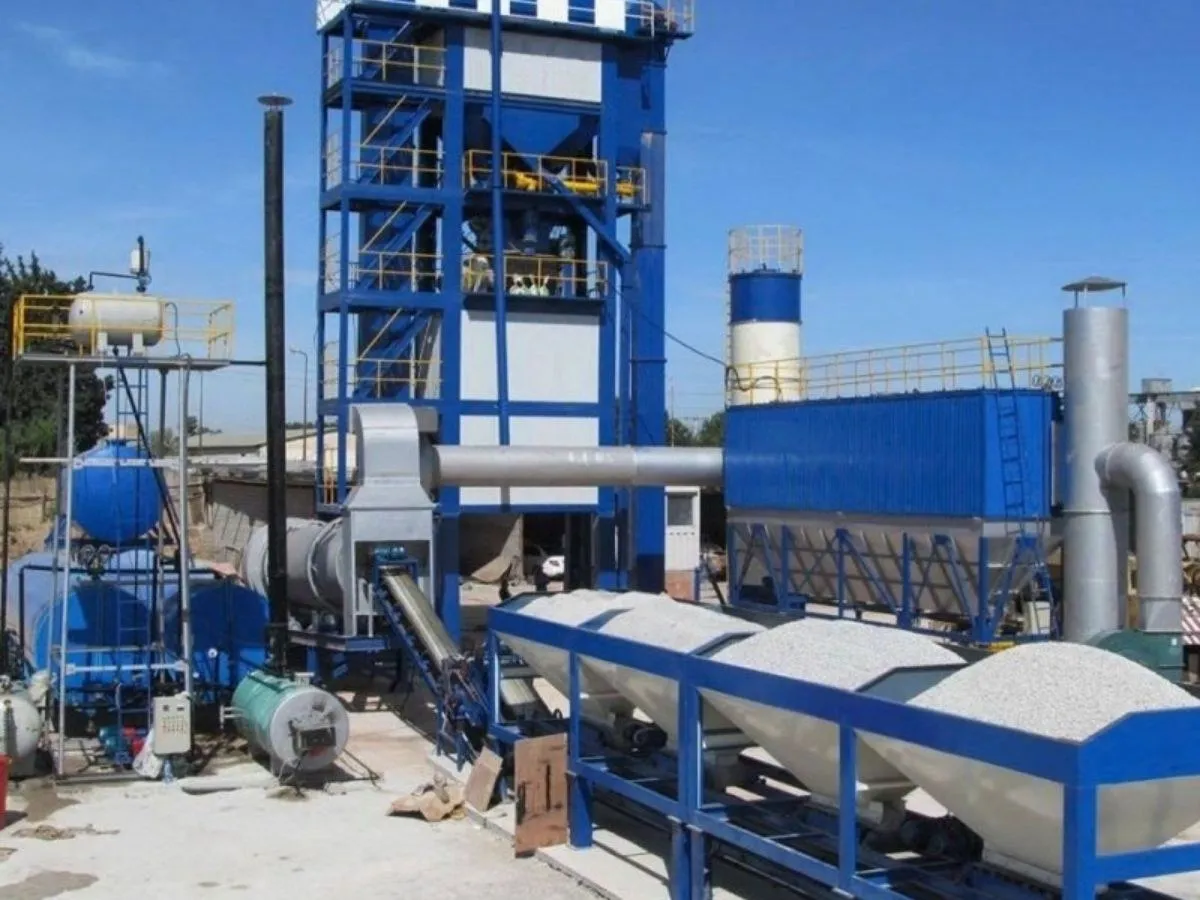
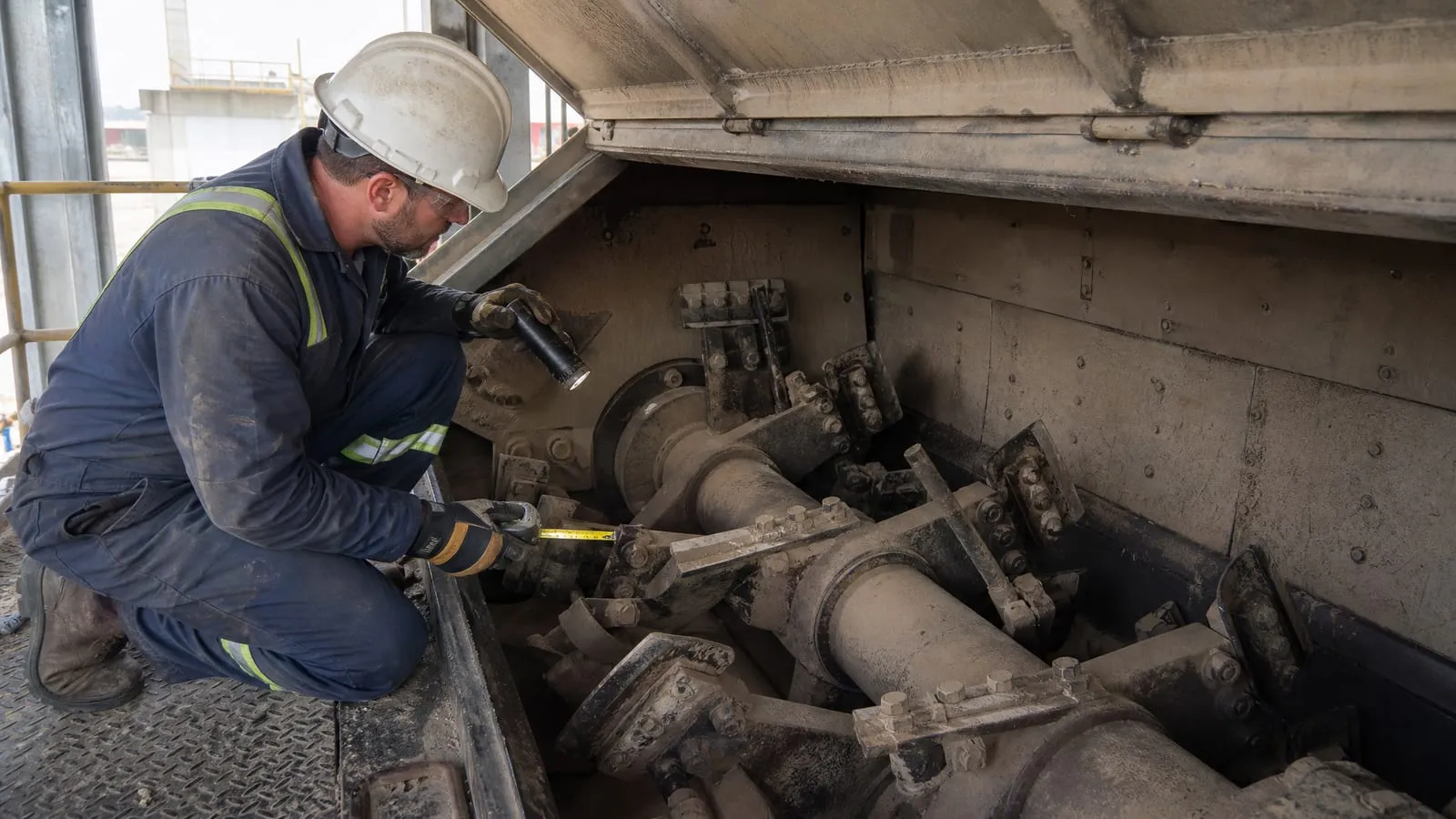
Asphalt plants combine heat, heavy moving machinery, fuel, dust and traffic. Most accidents happen during cleaning, maintenance and unblocking — when someone reaches into equipment that is still live, or enters a space without isolation. This checklist covers the main hazards. Always follow your local safety regulations and the plant manual.
Main hazards and controls
| Hazard | Where | Key controls |
|---|---|---|
| Burns | Bitumen tanks and lines, hot mix, drum, ducts | Insulation, guards, heat-resistant PPE, procedures for hot work |
| Entanglement and crushing | Conveyors, elevators, screens, mixer, drum drive | Guards, emergency stops, lock-out/tag-out |
| Confined spaces | Drum, mixer, silos, baghouse, tanks | Permit system, isolation, atmosphere testing, standby person |
| Fire and explosion | Fuel storage, burner, bitumen, coal dust, baghouse | Fuel handling rules, interlocks, extinguishers, no ignition sources |
| Vehicle traffic | Loaders, trucks, tankers | One-way layout, separated walkways, spotters, reversing alarms |
| Falls | Tower, silos, baghouse roof | Handrails, harnesses, safe ladders |
| Dust and fumes | Baghouse work, loading, bitumen | Ventilation, respirators |
| Noise | Burner, fan, screen | Hearing protection, signage |
| Electrical | Cabinets, cables | Qualified electricians, closed cabinets, earthing |
Lock-out/tag-out — the most important rule
Before anyone works on or inside equipment:
- Stop the equipment through normal controls
- Isolate every energy source: electrical, fuel, compressed air, hydraulic
- Apply a personal lock and tag to each isolation point
- Release stored energy: let drums and conveyors come to rest; vent air
- Test that the equipment cannot start
- Only the person who applied the lock removes it
Daily safety checklist
- Guards in place on all drives, belts and rotating parts
- Emergency stops and pull cords tested
- Walkways clear; handrails secure
- Fire extinguishers in place and charged
- No fuel or bitumen leaks
- Truck and loader routes clear; spotters where needed
- PPE worn by everyone on site
- Work permits issued for confined space, hot work and work at height
Site rules
- One-way truck route; loaders and trucks never share a lane
- Pedestrians use marked walkways only
- No one under suspended loads or near the mixer discharge while loading
- Bitumen tanker unloading supervised and bunded
- Visitors escorted
Emergency preparedness
- Written emergency procedure posted in the control room
- First-aid kit and trained first-aiders; burn treatment training
- Clear access for emergency vehicles
- Regular fire drills
Safety training is part of our commissioning and operator training. For the maintenance tasks that need isolation, see the maintenance checklist.