Short answer: Hot mix is made from heated aggregate and bitumen, laid hot and compacted before it cools, and it is the standard for main roads. Cold mix uses emulsified or cutback bitumen with no heating and suits patching, temporary repairs and light traffic, but is usually less durable. Our plants make hot mix; we do not sell cold mix equipment.
Cold mix is a convenient solution for patching and light traffic. This page explains the difference.
Side by side
| Hot mix asphalt | Cold mix asphalt | |
|---|---|---|
| Binder | Bitumen, heated | Emulsion or cutback, not heated |
| Aggregate | Dried and heated | Often damp, not heated |
| Laid | Hot, compacted before cooling | At ambient temperature |
| Durability | High | Lower |
| Typical use | Highways, city streets, airports | Patching, temporary repairs, light traffic |
| Equipment | Asphalt mixing plant | Simple mixers |
How hot mix is made
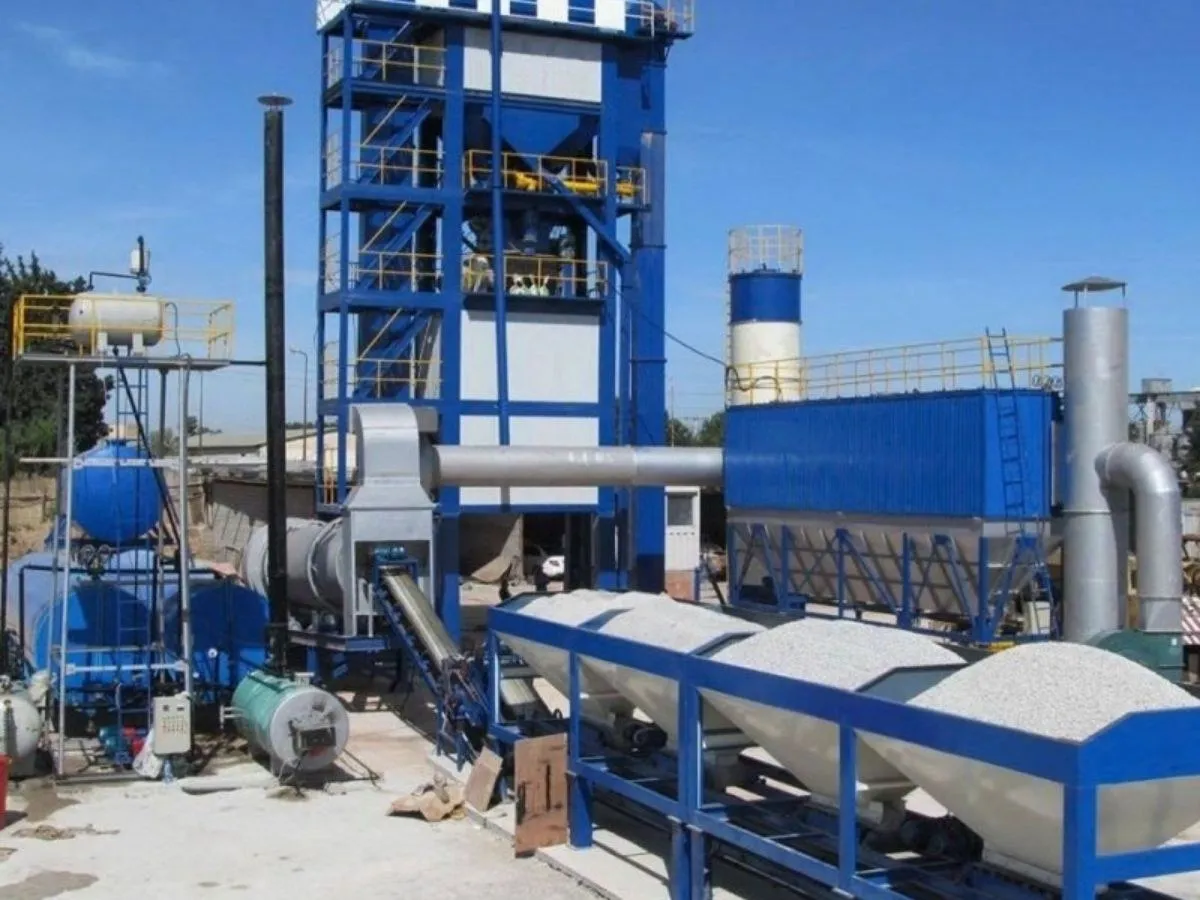
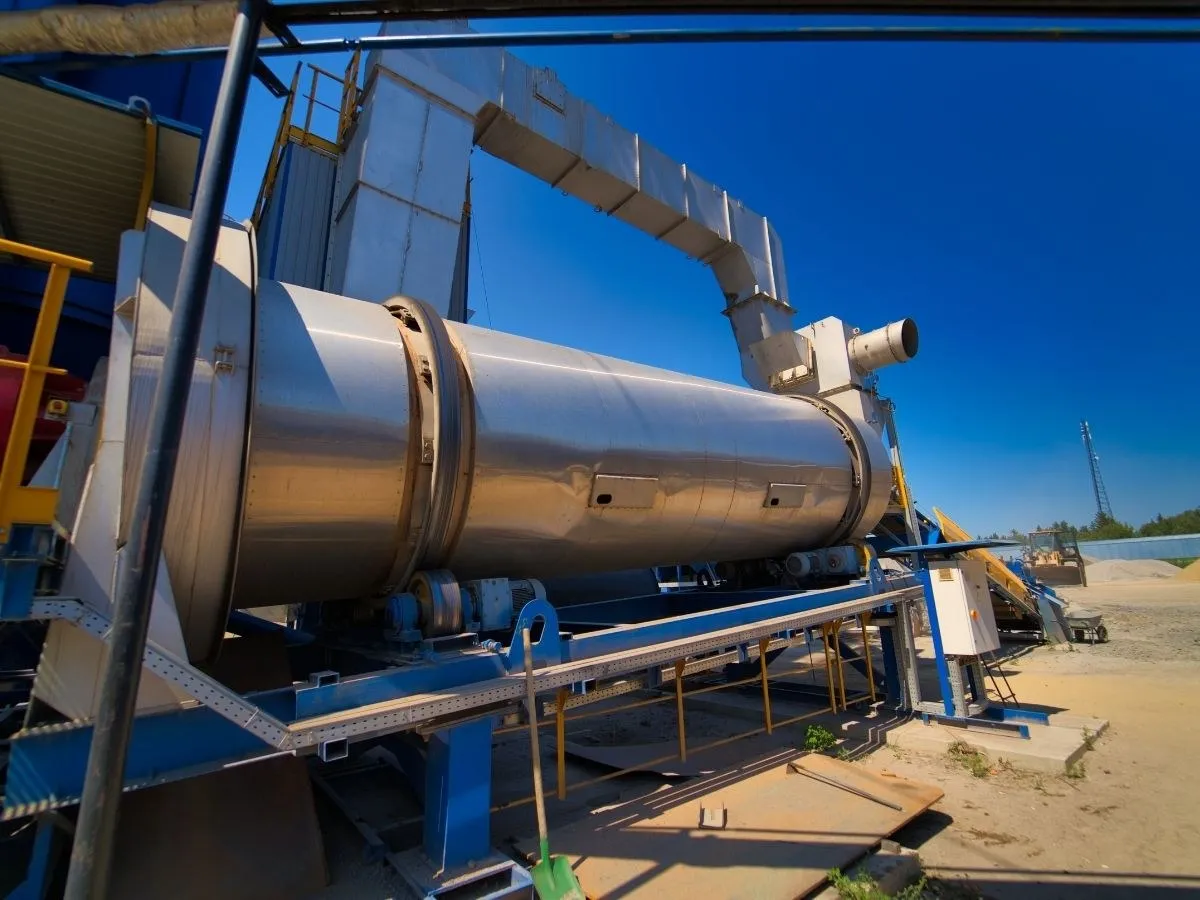
An asphalt plant dries and heats aggregate in a drum, weighs it with filler and hot bitumen (batch plant) or mixes it continuously (drum mix plant), and loads trucks that deliver to the paver. See how an asphalt plant works.
When cold mix makes sense
- Quick pothole patching with no heating equipment.
- Remote sites far from a plant.
- Temporary repairs before a proper overlay.
When hot mix is needed
- Main roads and any road with heavy traffic.
- When the specification calls for hot mix.
- When you want a long-lasting repair.
Choosing
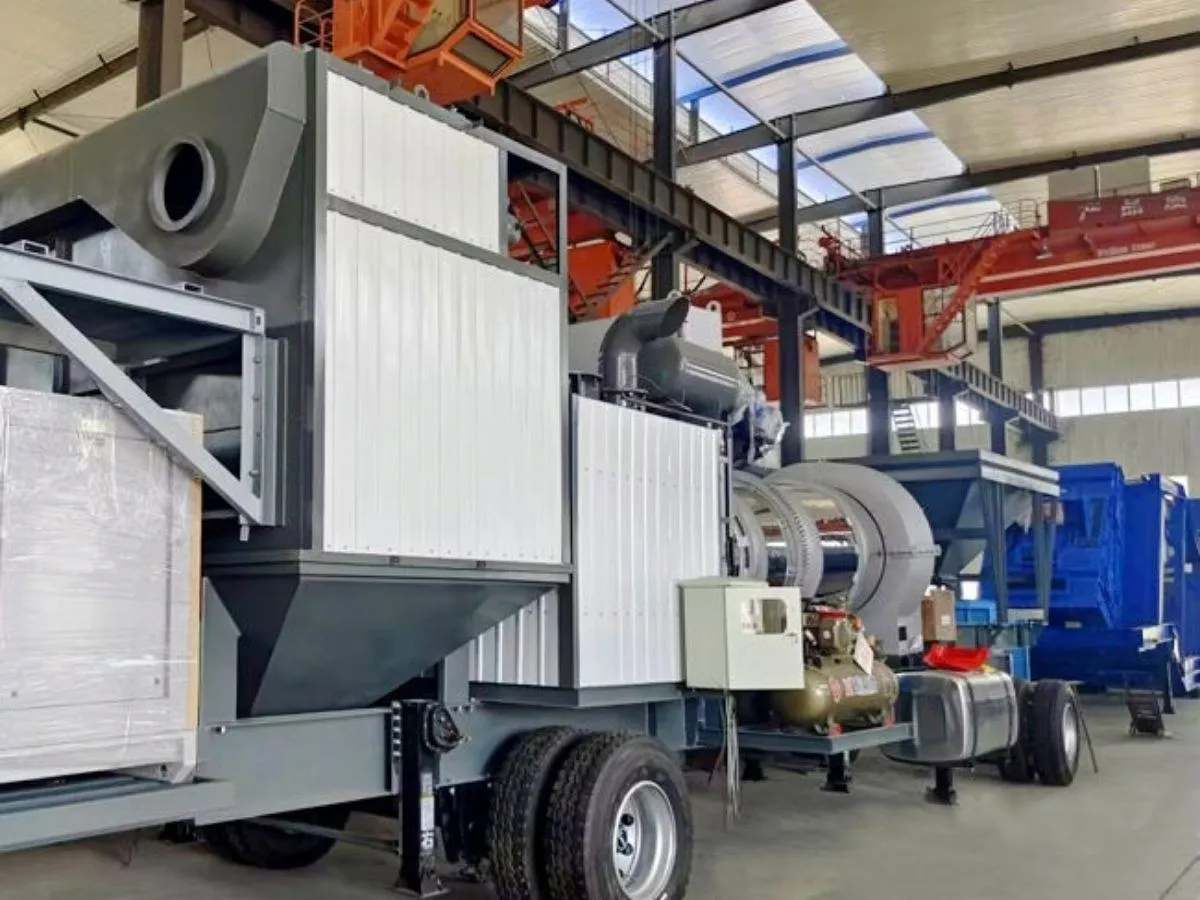
If you make hot mix, choose the type of plant from your volume and moves. If you only need small repairs, compare the cost of a small drum mix plant with buying mix. Tell us your work and we will say which route fits.