An asphalt plant runs for many years, and the manufacturer stays part of your business for all of them — through installation, training, breakdowns and parts orders. These fifteen checks help you choose a manufacturer that fits your project. They apply to every supplier, including us.
The 15 checks at a glance
| # | Check | What a good answer looks like |
|---|---|---|
| 1 | Questions before quoting | They ask about output, mixes, moisture, fuel, power, moves |
| 2 | Plant types offered | Several types, so the recommendation is not forced |
| 3 | Engineering team | Engineers you can talk to directly |
| 4 | Drum and burner sizing | Checked against your wet-season moisture |
| 5 | Mixer and scales | Batch size and scale ranges stated for each model |
| 6 | Dust collection | Baghouse area stated; matches your emission limit |
| 7 | Components | Brands of burner, motors, reducers, scales, PLC named |
| 8 | Electrical system | Built for your voltage and frequency |
| 9 | Drawings | Layout and foundation or pad drawings before order |
| 10 | Factory and inspection | Visit or live video; inspection before shipment |
| 11 | References | Same plant type, similar climate, contact you can call |
| 12 | Installation and training | Engineers on site; days and scope in writing |
| 13 | Spare parts | Wear parts list, stock, shipping times |
| 14 | Warranty | Written clause with inclusions and exclusions |
| 15 | Contract | Scope, delivery, payment stages and penalties match the quote |
Engineering fit (checks 1–6)
1. Do they ask before they quote? The best early signal. A manufacturer that sends a price list without asking about your project will not size the plant to your conditions.
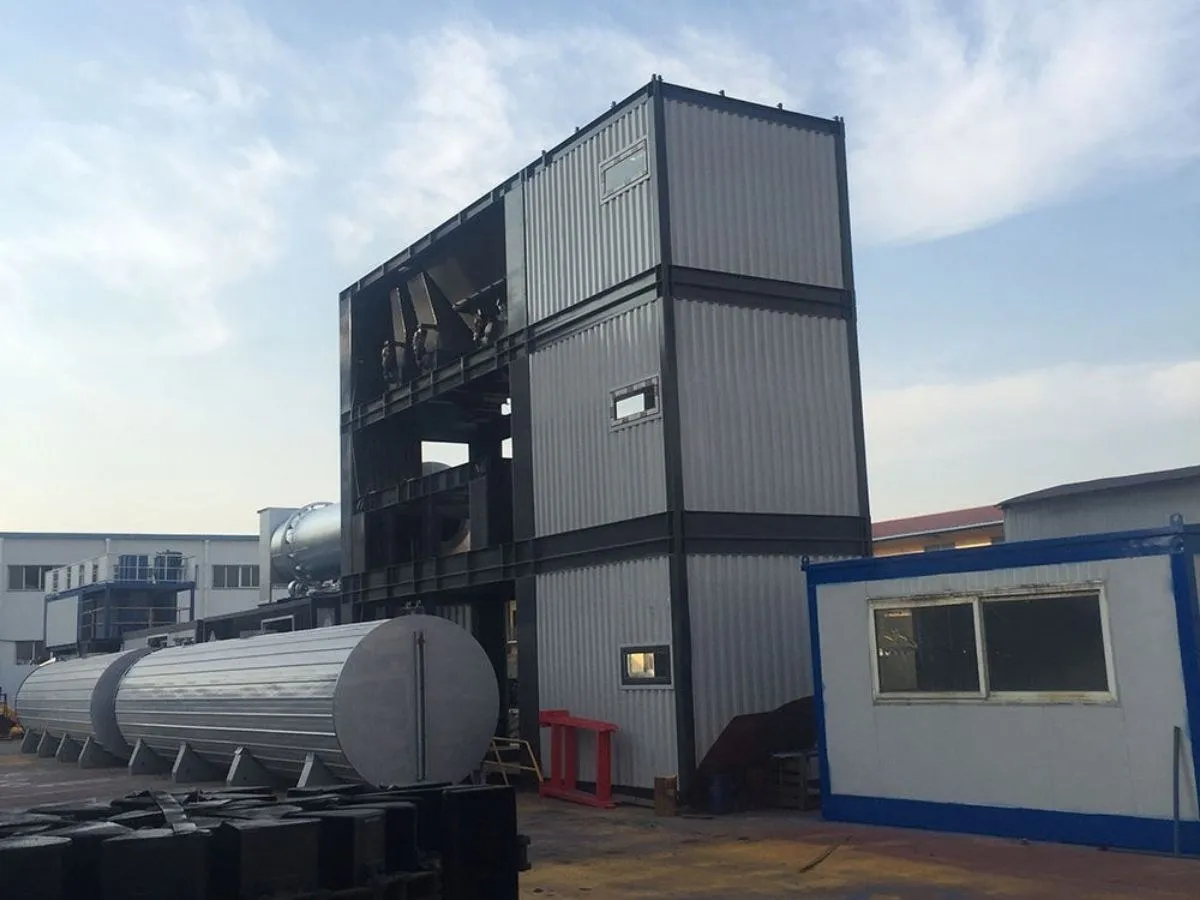
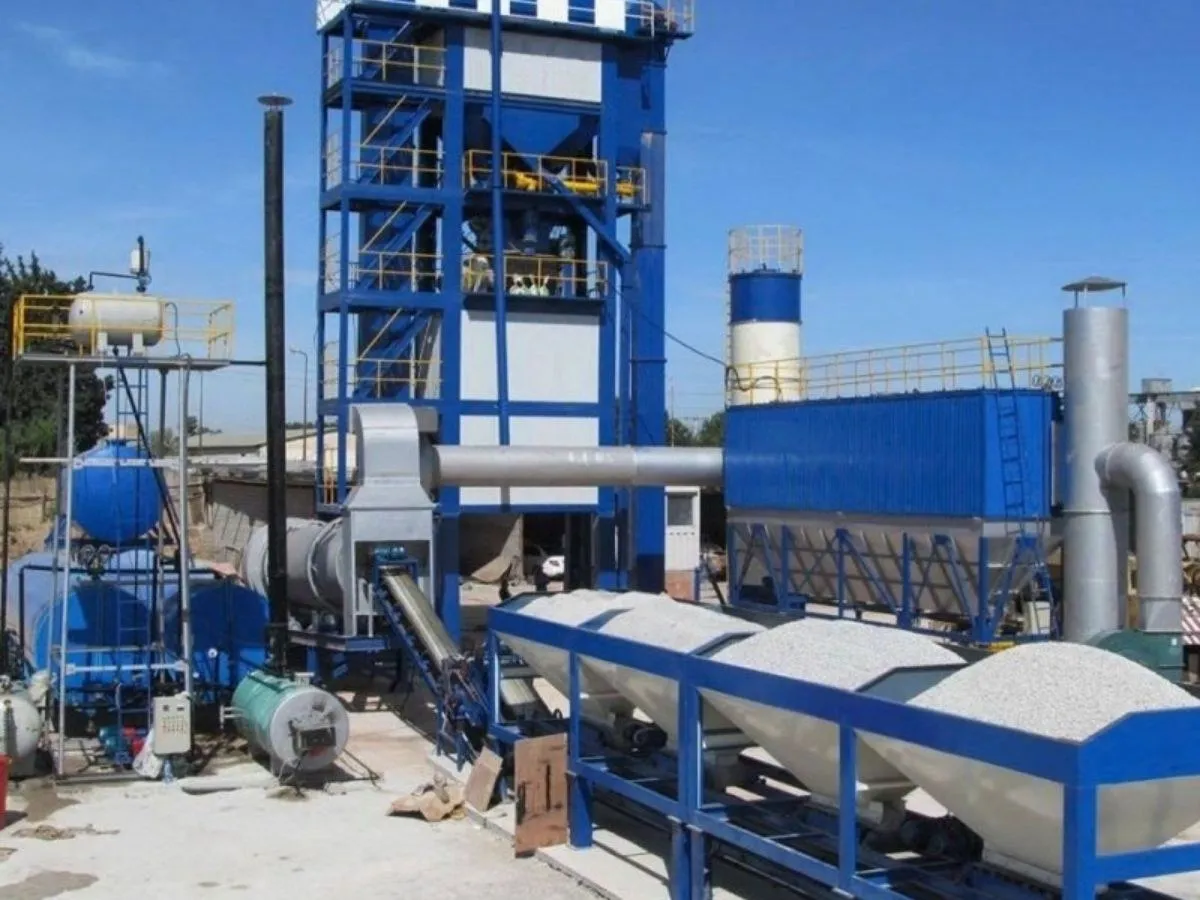
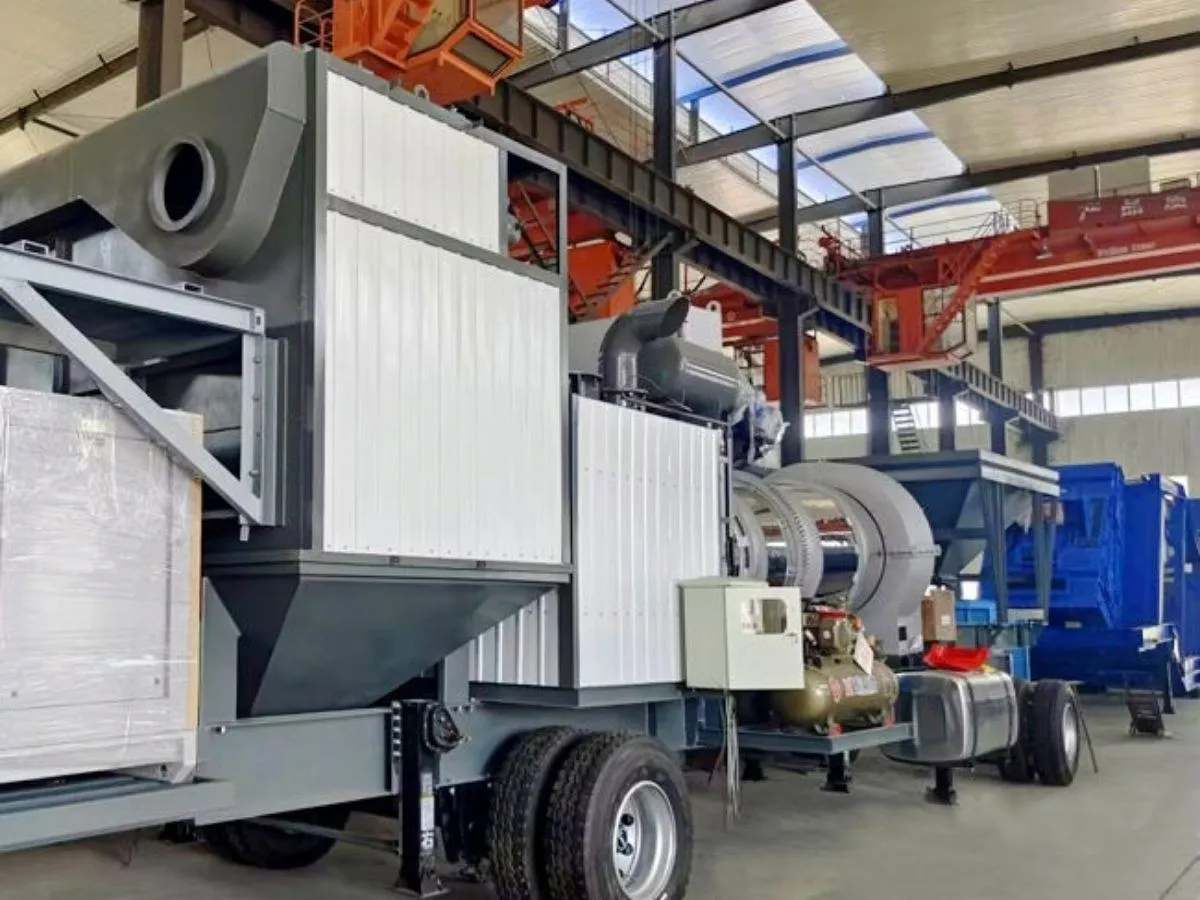
2. Do they offer more than one plant type? A supplier that only makes one type will recommend that type. One with containerized, mobile, stationary batch and drum mix plants can recommend what fits.
3. Can you talk to engineers? Sales staff should bring engineers into the conversation when technical questions come up — and those engineers should be reachable after delivery.
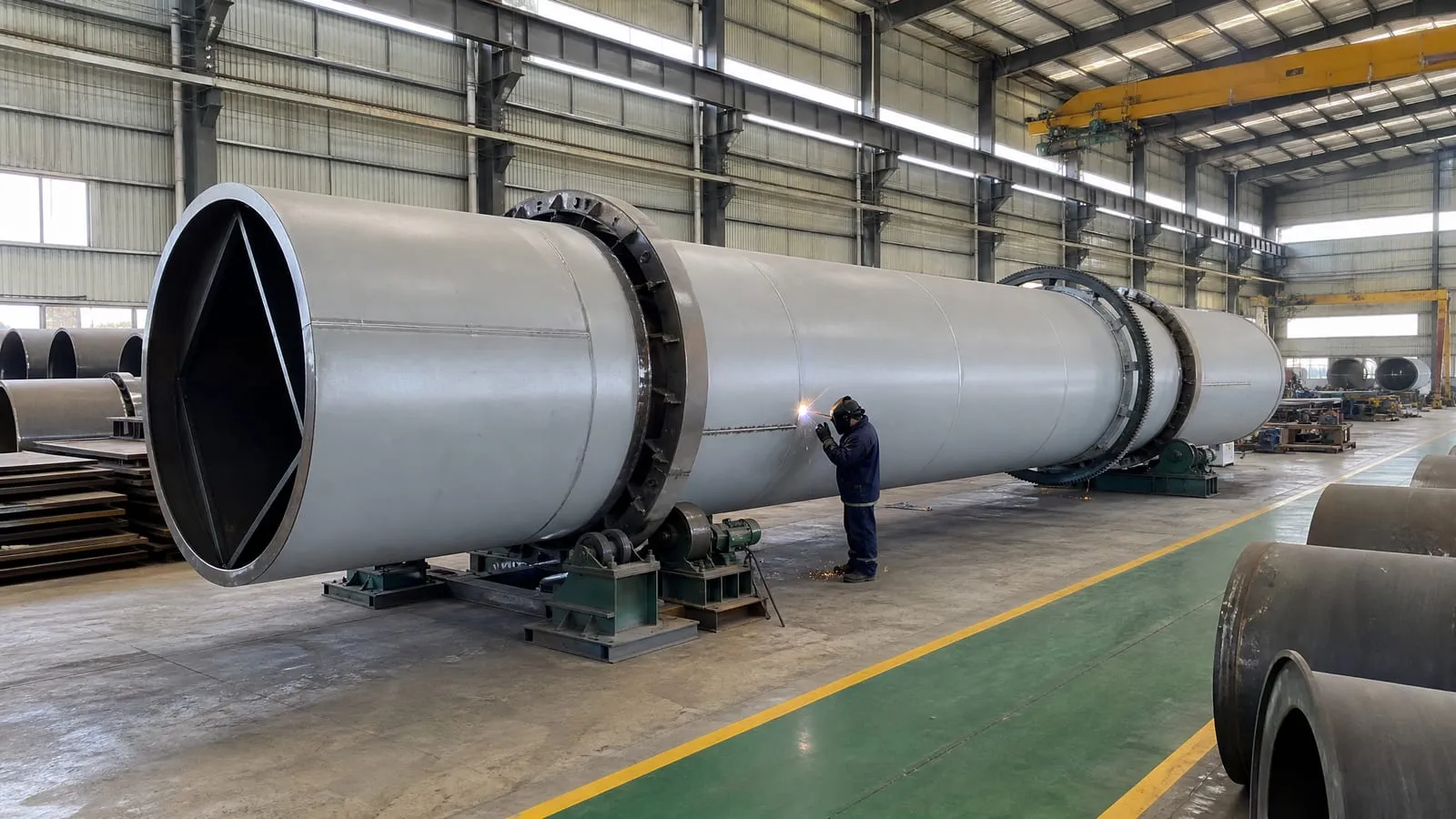
4. Is the drum and burner sized for your aggregate? Rated output usually assumes moderately dry aggregate. In rainy climates, drying capacity limits output; ask what the plant produces at your real moisture.
5. Are mixer and scales stated per model? Output in t/h comes from batch size × batches per hour. Ask for both, and for the scale ranges for aggregate, filler and bitumen.
6. Does the dust collection meet your limit? Ask for baghouse filter area and fan capacity, and check them against your environmental permit.
Build quality (checks 7–10)
7. Which components are quoted? About half of a plant’s cost is bought-in parts — burner, motors, reducers, bearings, load cells, PLC. Ask for the brands in writing; a quote that won’t name them is hard to compare.
8. Is the electrical system built for your grid? Voltage and frequency (for example 380 V/50 Hz or 440–460 V/60 Hz) must be fixed at order. Changing later is expensive.
9. Do you get drawings before you order? Layout and foundation or pad drawings let your civil engineer price the site works and your permit consultant prepare applications.
10. Can you see the factory and inspect before shipment? Visit, or ask for a live video tour. Agree on a pre-shipment inspection — your own or a third-party inspector. For due diligence on the company itself, see how to verify a Chinese machinery supplier.
Support (checks 11–14)
11. References in conditions like yours. Ask for plants of the same type working in a similar climate, with a contact you can call. Ask that contact about start-up time, parts and response to problems.
12. Installation and training in writing. How many engineers, for how many days, doing what? What must you provide — crane, crew, power, fuel? See what our service covers.
13. Spare parts plan. Ask for the first-year wear parts list, prices and shipping times. Plants stop for small parts; see our spare parts guide.
14. A warranty you can read. Get the clause in writing: period, what is covered, what is excluded, and how claims are handled.
The contract (check 15)
The contract — not the quotation, not emails — protects you. Check that it states:
- The full scope of supply, matching the quotation line by line
- Delivery time and what happens if it slips
- Inspection before shipment and acceptance criteria
- Payment stages tied to milestones, such as deposit, pre-shipment inspection and shipping documents
- Installation support, training and the warranty clause
- Incoterms (FOB, CFR, CIF) and who handles which costs
Red flags
- A quote that arrives before any questions about your project
- Unwillingness to name component brands or share drawings
- No references for the plant type you are buying
- Pressure to pay the full amount up front, or payment to a personal account
- A contract that differs from the quotation
Use the same checks on every candidate — including Roadmixa. Our price guide shows what to budget, and you can send us your project details to see how we answer check 1.