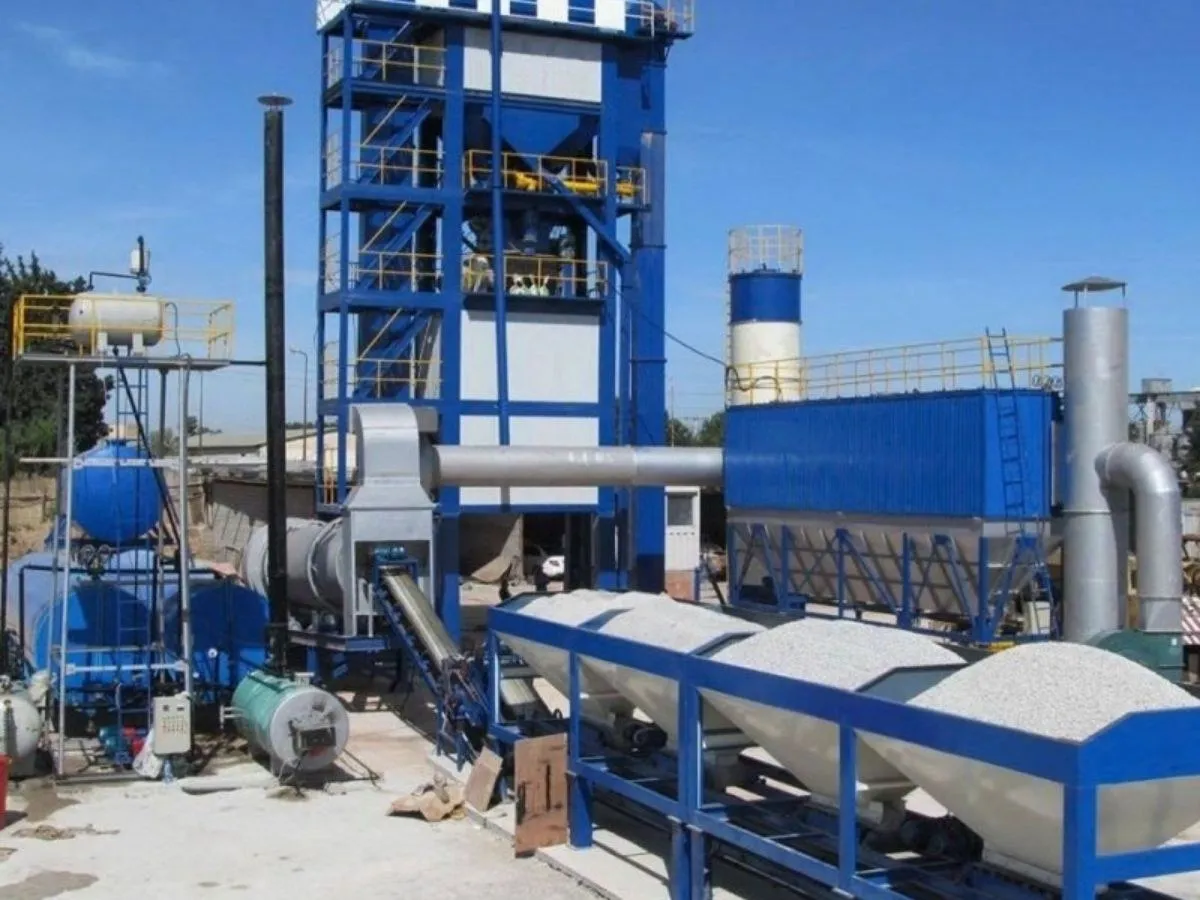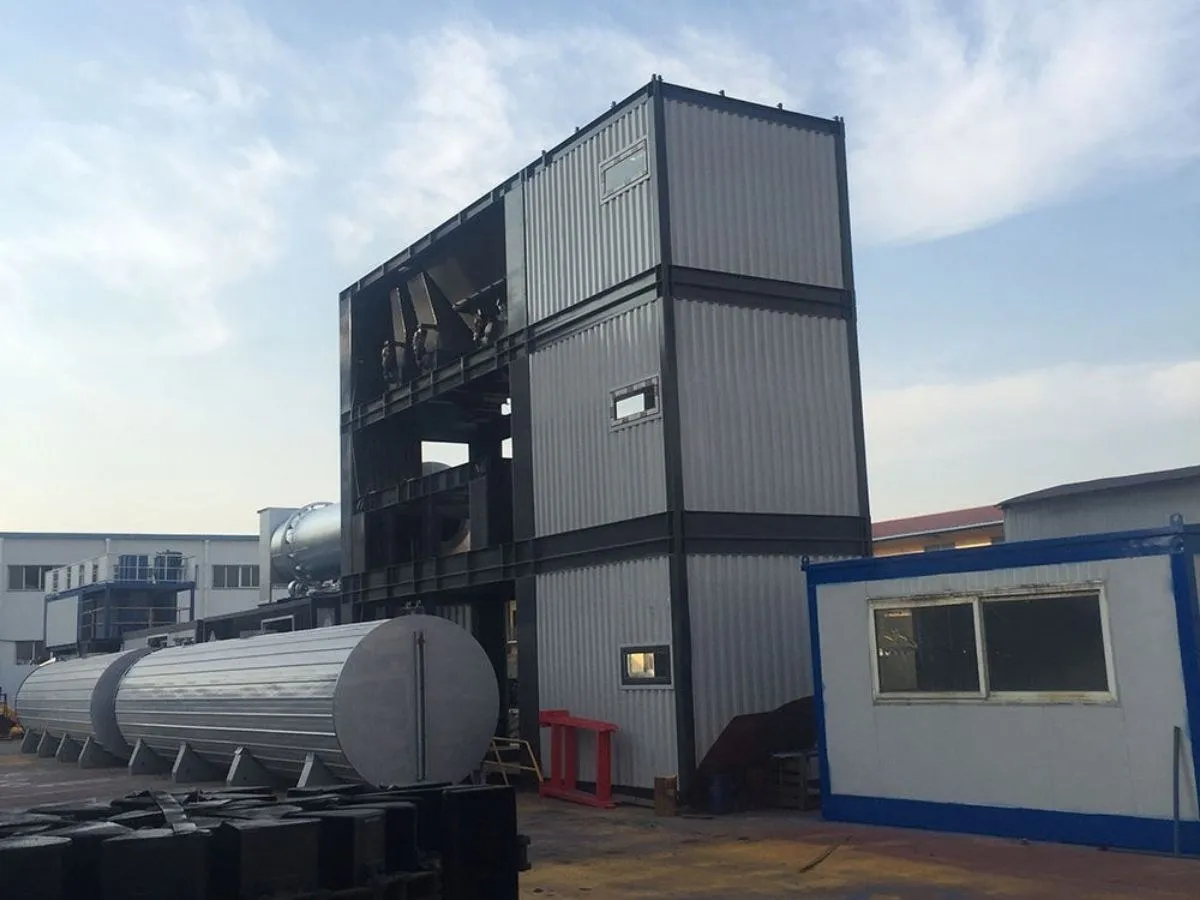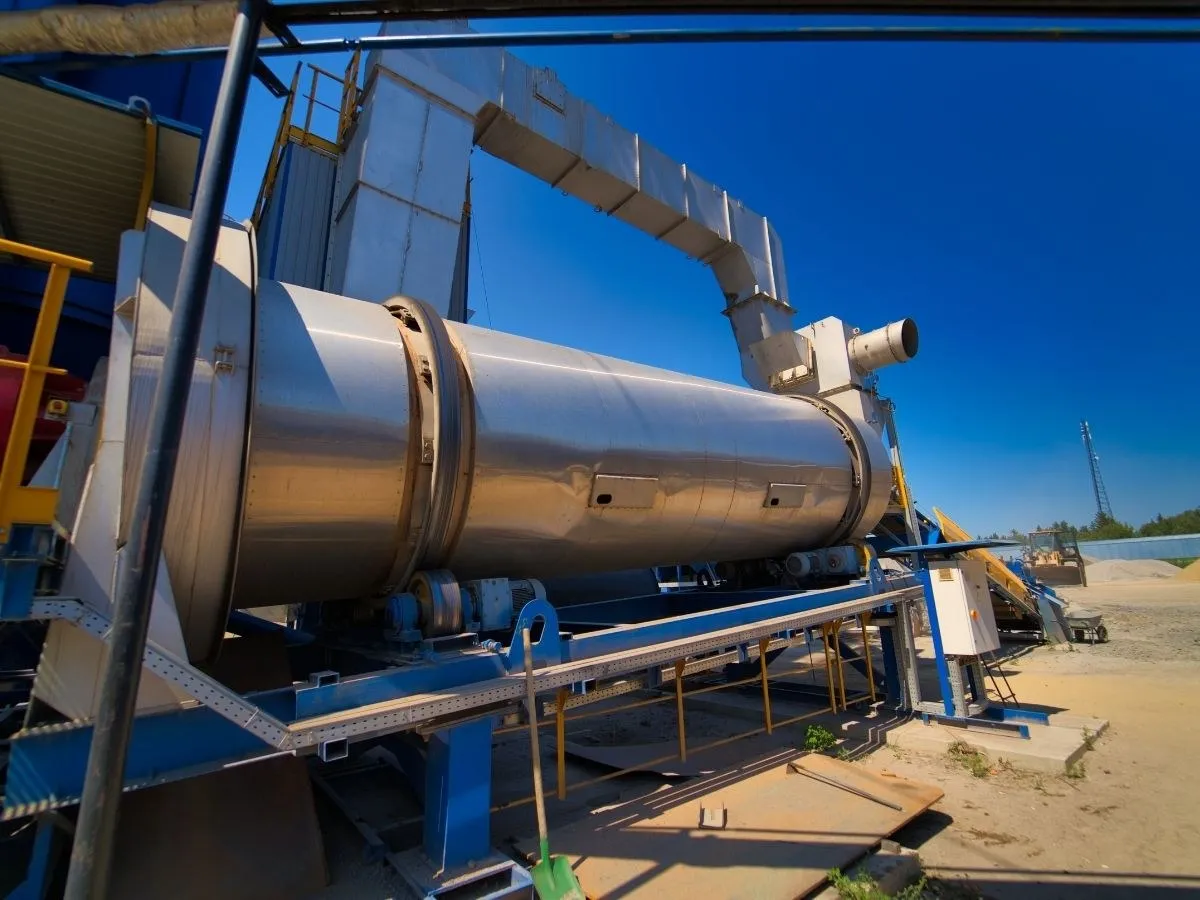
Short answer: Asphalt mixing plants are normally declared under HS 8474.32, machines for mixing mineral substances with bitumen. Only the first six digits are international; duty and taxes are national, so confirm the current rate with your customs broker. Use the same description on the invoice, packing list and technical documents.
The code decides which duty, taxes and checks apply at the border, so it is worth getting right before the plant ships.
What the code covers
HS (Harmonized System) codes are international up to six digits. Chapter 84 covers machinery; heading 8474 covers machines for sorting, crushing, mixing and similar work on mineral substances; subheading 8474.32 is the one for machines that mix mineral substances with bitumen. Batch and drum mix asphalt plants are classified there by several customs authorities.
| Level | Example | Who sets it |
|---|---|---|
| Chapter | 84 — machinery | International (HS) |
| Heading | 8474 — machines for working mineral substances | International (HS) |
| Subheading | 8474.32 — mixing with bitumen | International (HS) |
| National lines | Digits 7–10 | Each country or customs union |
| Duty and taxes | Percentages | Each country; can change |
What to put on the documents
- The same description on the commercial invoice, packing list and technical sheet — for example “asphalt mixing plant, batch type, 120 t/h”.
- The HS code the broker advises, not the one a supplier guesses.
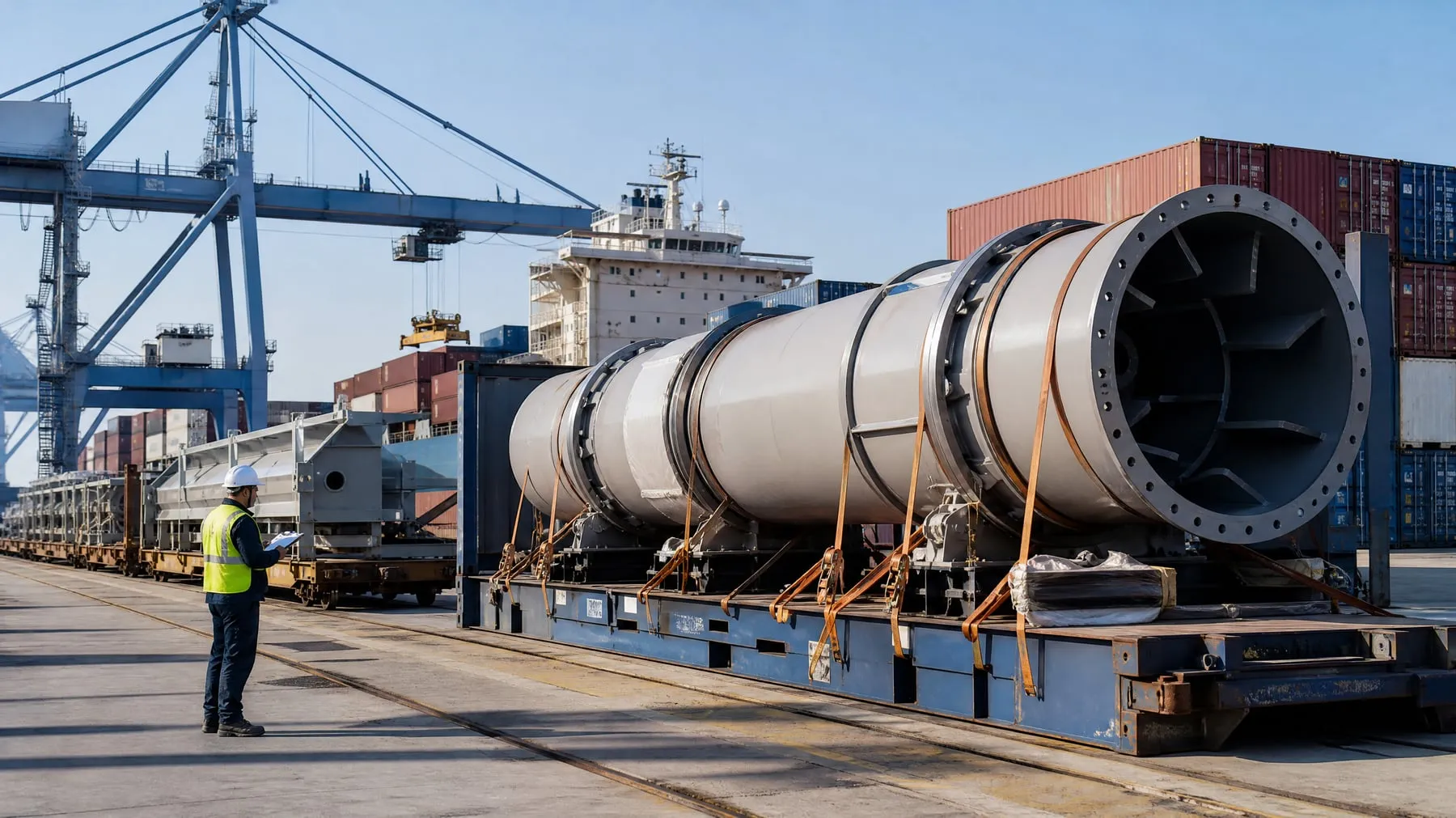
- A packing list that separates modules, loose parts and spare parts.
- Model numbers and capacity, so officers can match the goods to the code.
Spare parts and extras
A complete plant shipped in modules is declared as one machine. Spare parts, wear parts, laboratory equipment or generators that travel with it may belong to other headings. Splitting them on the packing list avoids delays at the port.
Questions for your customs broker
- What is the current duty and tax on this code, and does a trade agreement lower it?
- Are certificates of origin or conformity required for this machine?
- Do you want the plant described by its capacity, type or both?
- Are second-hand or used parts treated differently?
Rules change, so confirm on the date of shipment. For the other documents, see import documents for Africa and the shipping checklist; for terms of sale, see Incoterms for machinery. Send us your destination country and we prepare the invoice and packing list for your broker.