The short answer
Shipping an asphalt plant goes smoothly when three things are fixed before production starts: the route from the destination port to site, who is responsible for each leg (the Incoterm), and the document list your customs require. Everything else follows from those.
| Stage | What to settle | Who usually handles it |
|---|---|---|
| Before order | Route survey, site layout, Incoterm, destination port | Buyer + supplier |
| During production | Packing plan, unit dimensions and weights, documents list | Supplier |
| Loading | Container and flat-rack loading, lashing, photos, bill of lading | Supplier / forwarder |
| Sea freight | Booking, insurance (depending on Incoterm) | Buyer or supplier |
| Arrival | Customs clearance, port handling, inland permits | Buyer’s broker and transport company |
| Site | Crane, foundations or compacted base, installation | Buyer, with supplier guidance |
Step 1: Survey the route from port to site
Before we finalise unit sizes, find out:
- The destination port and whether it handles flat-rack or break-bulk cargo
- Bridge weight limits, tunnel heights and tight bends on the way to site
- Whether oversize loads need permits, police escort or night travel
- What cranes are available near the site and their capacity
This is where containerized plants earn their place: most units travel as container-sized freight, so fewer loads need special permits.
Step 2: Agree the Incoterm
Incoterms define where risk and cost pass from seller to buyer. Note that under both terms below, the risk passes when the cargo is loaded on the ship — CIF changes who pays freight and insurance, not who carries the risk at sea. The two most common for plant exports:
| FOB (Free On Board) | CIF (Cost, Insurance and Freight) | |
|---|---|---|
| Risk passes to buyer | When loaded on board at the port of loading | When loaded on board at the port of loading |
| Seller pays costs up to | Loading on board at the port of loading | Arrival at the destination port |
| Sea freight | Buyer | Seller |
| Insurance | Buyer | Seller (minimum cover) |
| Import clearance and duties | Buyer | Buyer |
| Inland transport at destination | Buyer | Buyer |
If you already work with a freight forwarder, FOB often gives you more control. If you do not, CIF simplifies the sea leg. Either way, arrange full-value insurance for high-value equipment.
Step 3: Understand how the plant will be packed
An asphalt plant is a mix of large steel units and many smaller parts:
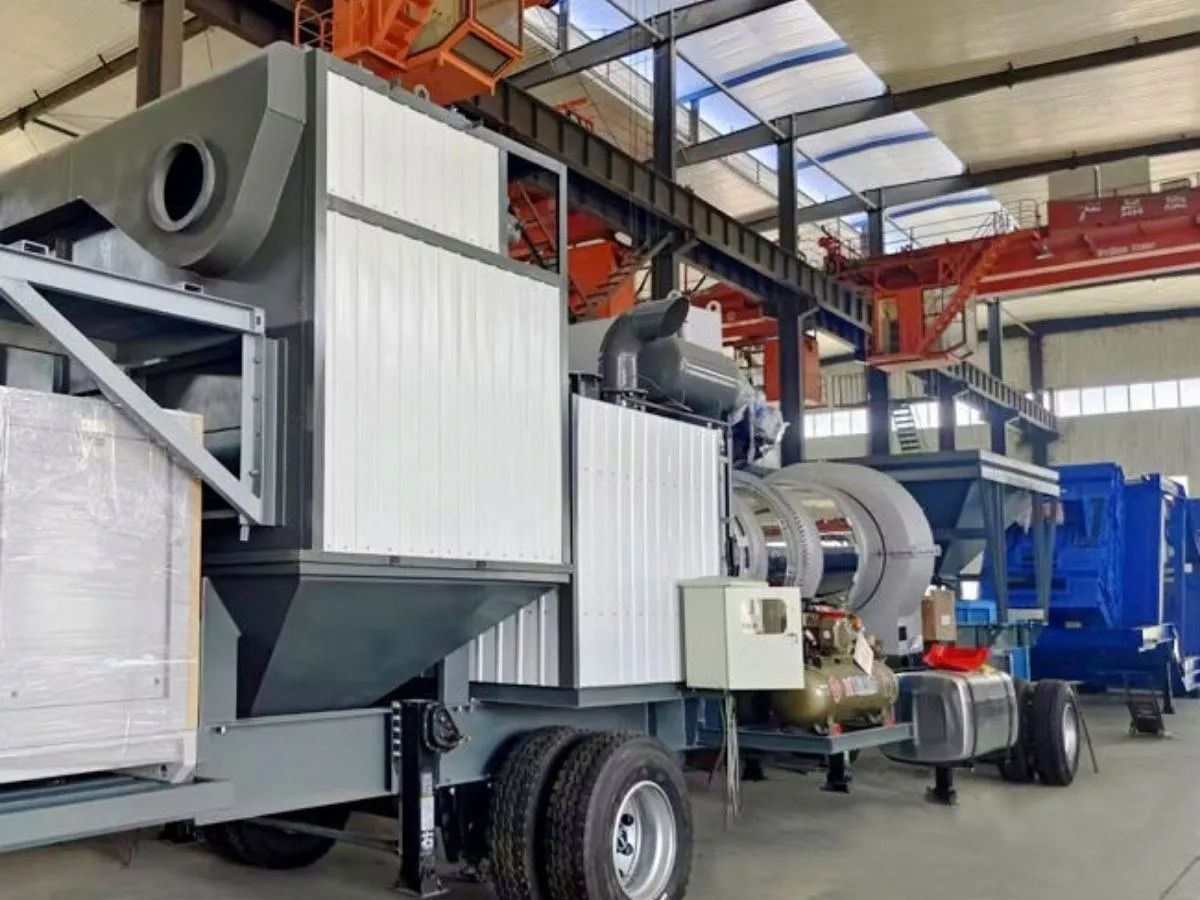
- Standard containers for motors, control cabinets, cables, pipes, burners, spare parts and small steel parts
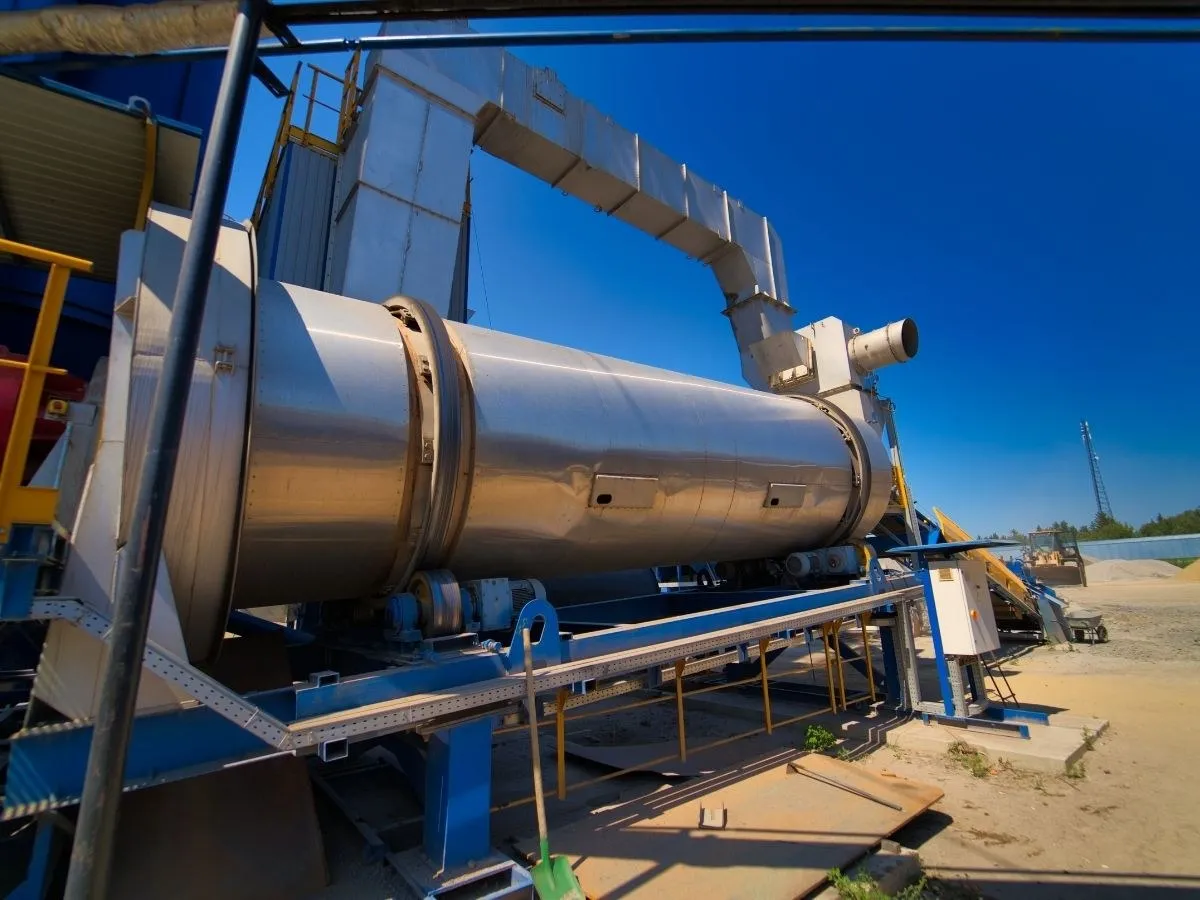
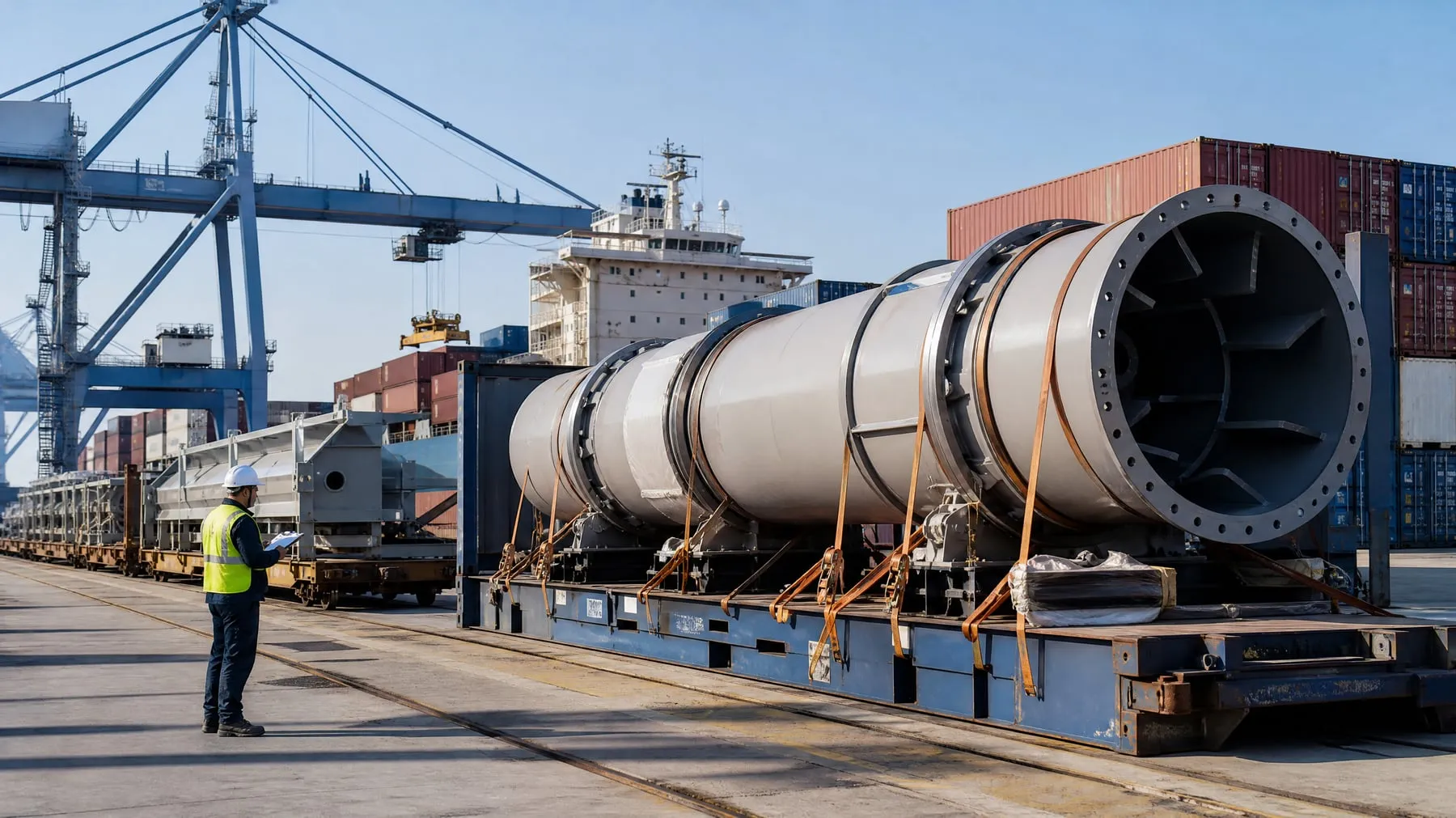
- Flat-rack containers or break-bulk for oversize items such as the drying drum, mixing tower sections, cold feed bins and baghouse
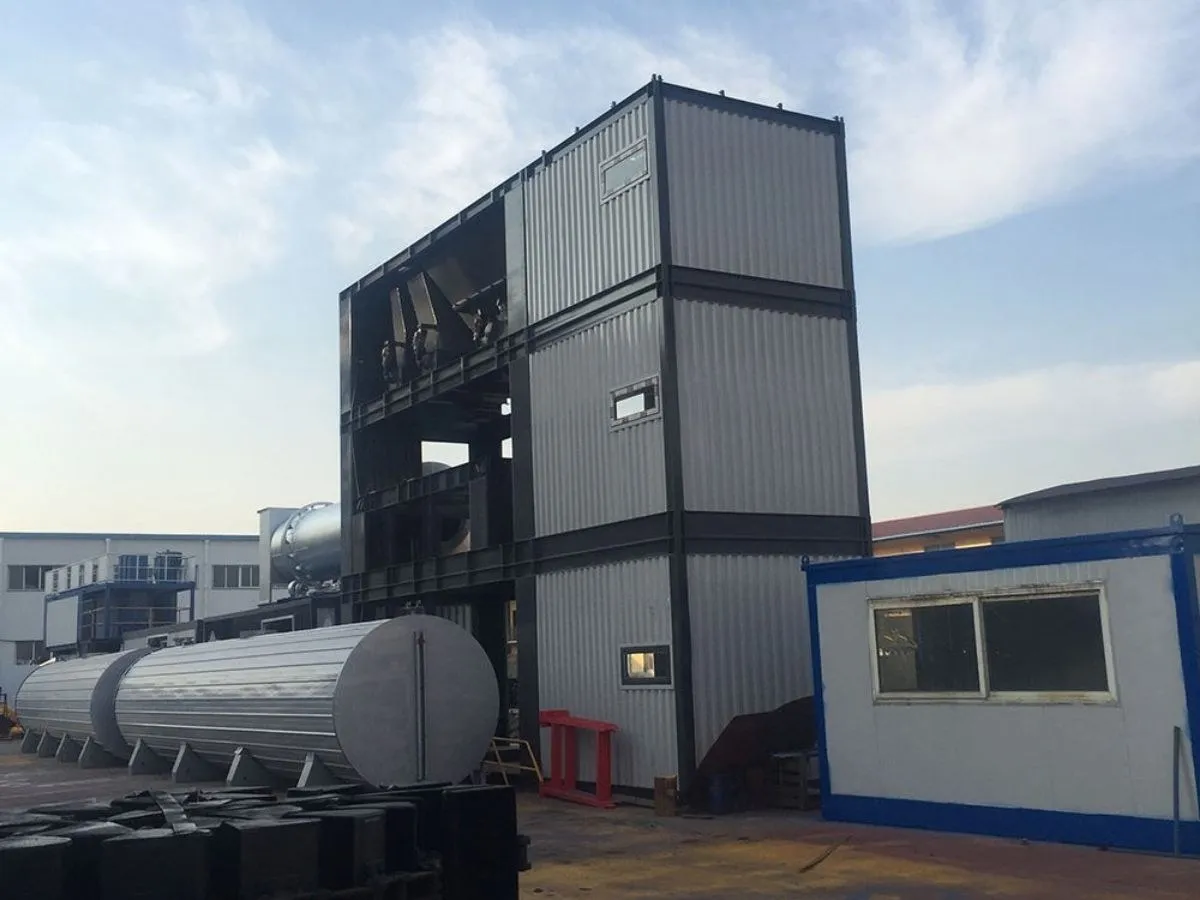
- Container-sized modules for containerized plants, which reduce the oversize share
Ask for a packing list with the dimensions and weight of every package and photos of loading and lashing. Your transport company and customs broker will both need it.
Step 4: Prepare the documents
Typical export documents:
- Commercial invoice
- Packing list (with dimensions, weights and package numbers)
- Bill of lading
- Certificate of origin
- Insurance certificate (under CIF)
- Any import-specific certificates your country requires — for example a pre-shipment inspection or a conformity certificate
Rules change and differ by country. Confirm the full list with your customs broker before shipment, not after the ship sails.
Step 5: Get the site ready before the ship arrives
Ports charge for storage after a free period, and plant parts waiting on a quay are exposed to weather. While the plant is at sea:
- Build foundations (stationary plants) or level and compact the base (containerized and mobile plants) according to the layout drawing
- Arrange power supply or generators, fuel storage and water
- Book cranes and trucks for the day of arrival
- Prepare aggregate stockpiles and bitumen supply so commissioning can start as soon as installation finishes
Step 6: Unload, check and install
When the cargo reaches site, check every package against the packing list and photograph any transport damage before signing the delivery note. Installation guidance, commissioning support and operator training are then carried out as agreed for the project.
Copy-and-use checklist
- Destination port confirmed; flat-rack/break-bulk handling available
- Route to site surveyed (bridges, heights, bends, permits)
- Incoterm agreed and insurance arranged
- Packing list with dimensions and weights received
- Customs documents list confirmed with broker
- Site base or foundations ready
- Power, fuel, water and aggregate ready
- Cranes and trucks booked for arrival
- Unloading inspection plan
Planning an import? Our region guides cover typical ports and routes for Southeast Asia, Africa, Latin America and Central Asia.