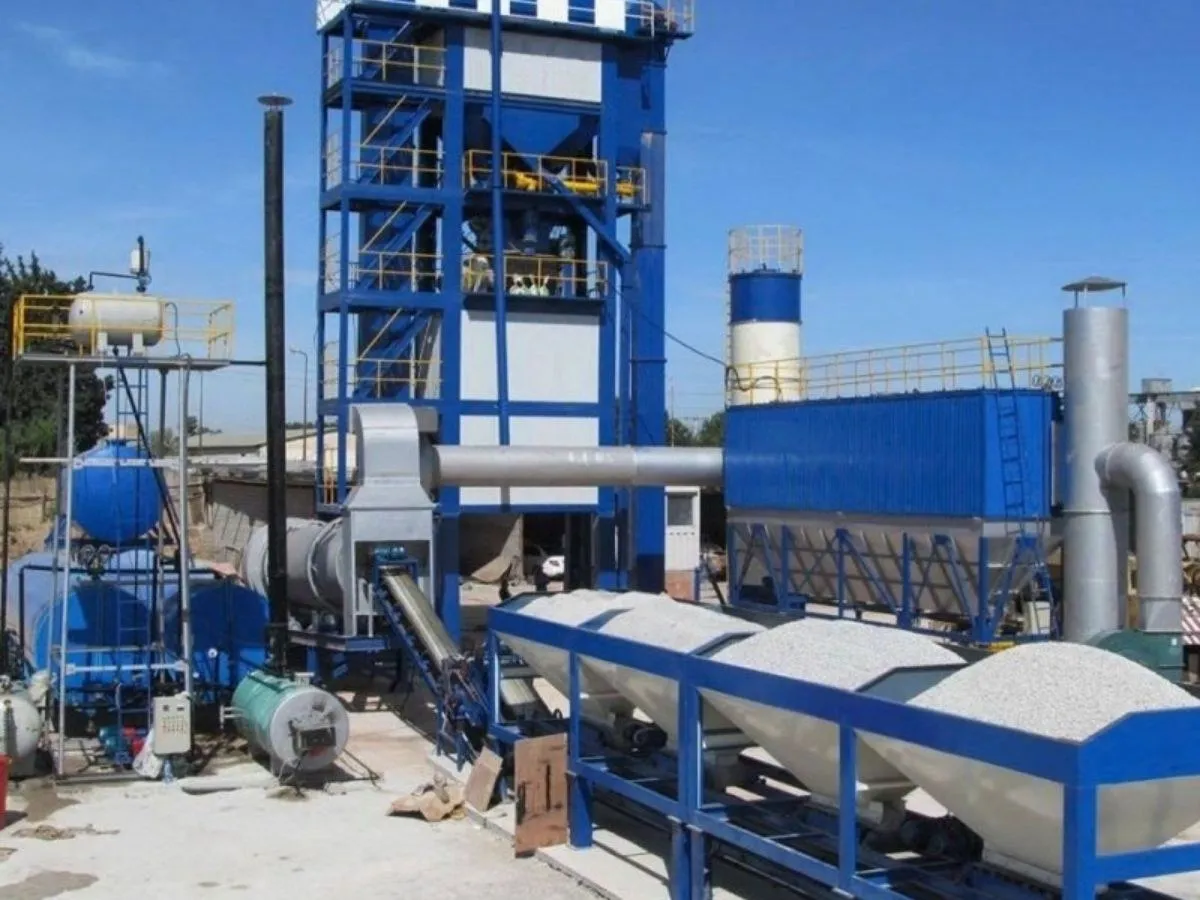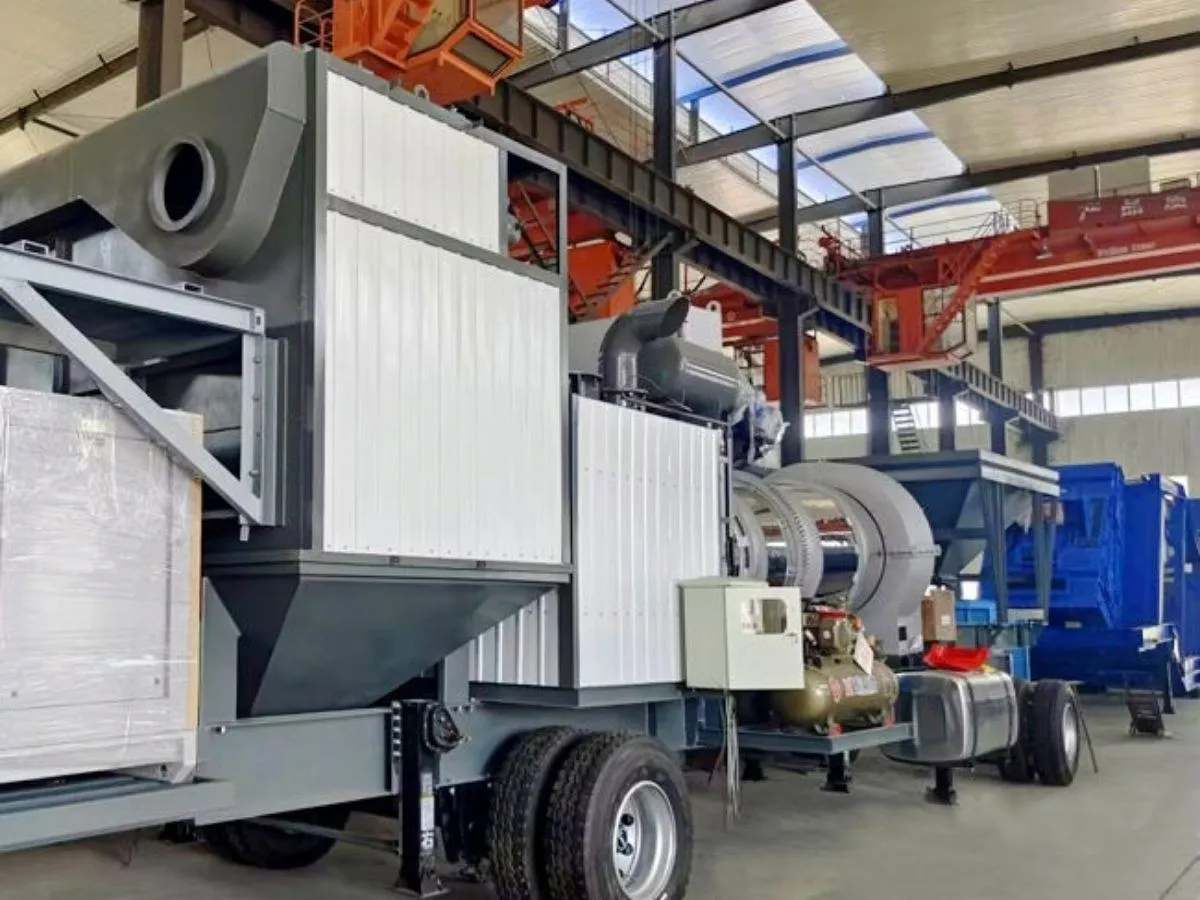
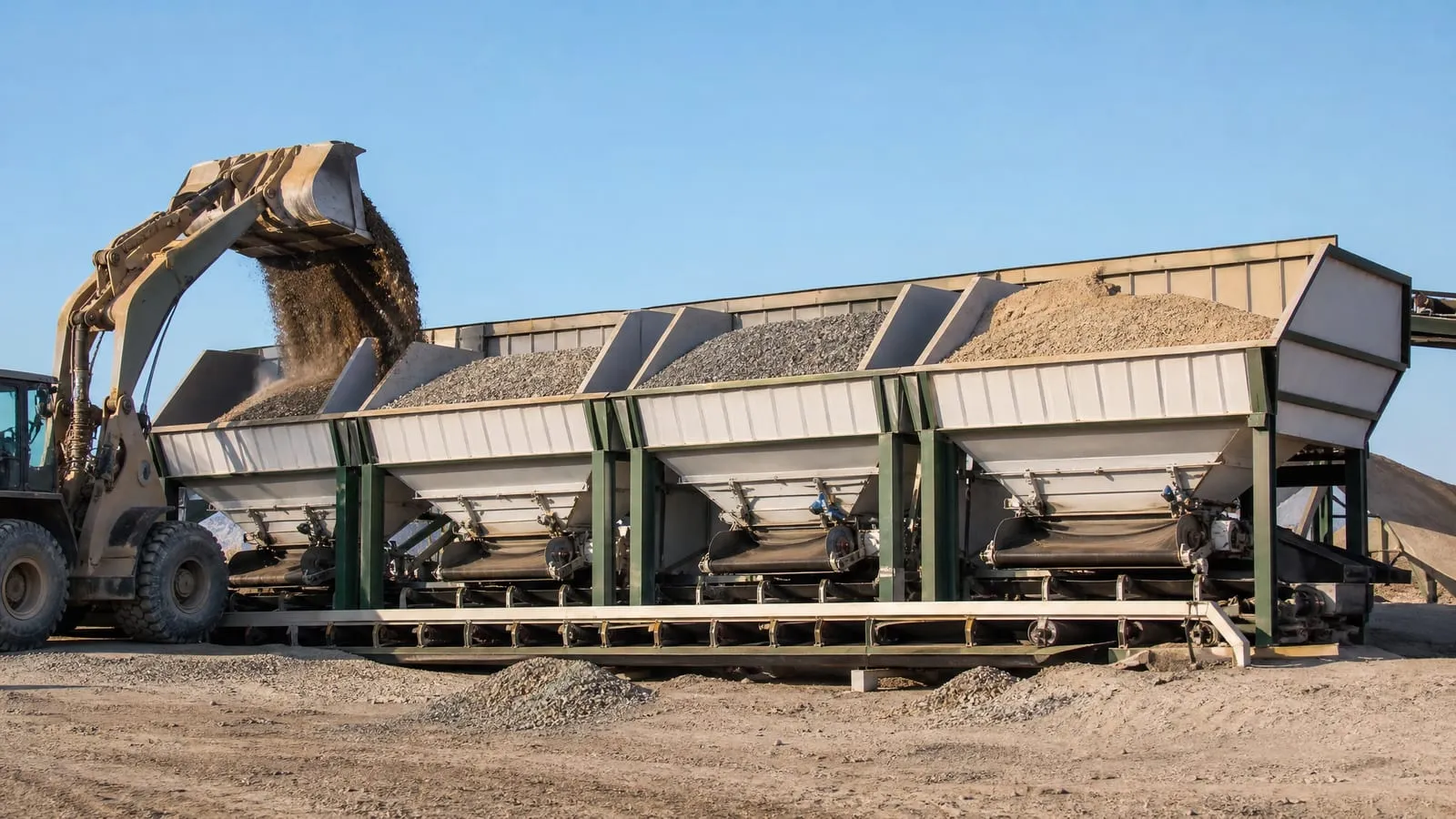
Short answer: A batch plant holds the recipe in three stages: the cold feed sets each fraction’s flow, the hot screen re-sorts the aggregate and the hot bins let each fraction be weighed separately. If cold-feed settings drift, bins overflow or run empty, so fix the cold feed and calibrate the scales first. Sample often and compare with the formula.
The job mix formula is the recipe; the plant is what delivers it. The table follows the recipe through the plant.
The path of the recipe
| Stage | What it does | What goes wrong |
|---|---|---|
| Cold feed | Feeds each fraction at a set flow | Drift in feeder speed or bin gates |
| Drying drum | Dries and heats the blend | Moisture variation changes hot-bin balance |
| Hot elevator | Lifts hot aggregate to the screen | Spillage, wear |
| Hot screen | Sorts the blend into fractions | Torn mesh, overload |
| Hot bins | Hold each fraction for weighing | Overflow or empty bins |
| Weighing | Weighs each fraction, filler and bitumen per batch | Scale drift |
| Mixer | Mixes the batch | Short mixing time |
Keeping gradation on target
- Calibrate the cold-feed bins against the formula.
- Check the screen meshes and loading.
- Watch the hot bins: an overflow means too much of that fraction is entering.
- Calibrate scales with test weights — see plant calibration.
- Test samples and adjust.
Hot bins and the screen
Hot bins let each fraction be weighed separately, so the final batch can correct for variation in the cold feed. See vibrating screen and hot bins.
Drum mix plants
Without a hot screen and bins, a drum mix plant relies on the cold feed and belt weigher. Keep the stockpile gradation consistent — see aggregate stockpile management.
Quality control
A site lab is the backbone: see quality control lab. Ask us for the cold-feed and weighing setup for your formula.