Short answer: Raw millings vary in size, binder content and moisture, so process them: keep millings from different roads separate, crush gently to break lumps without breaking the stone, screen into at least two fractions and cover the stockpiles, because wet RAP limits output and wastes fuel. Test each stockpile and give the mix designer the results.
Milled asphalt is valuable, but only after it is processed. Processing turns raw millings into consistent RAP fractions the plant can feed accurately and the mix designer can trust.
The processing chain
| Step | Purpose | Good practice |
|---|---|---|
| Source separation | Avoid mixing very different asphalts | Separate stockpiles by road or project where materials differ |
| Removal of contamination | Remove soil, concrete, debris | Inspect deliveries; reject contaminated loads |
| Crushing | Break lumps | Gentle crushing that breaks agglomerates without crushing aggregate |
| Screening | Split into fractions | At least two fractions (fine and coarse) |
| Stockpiling | Store consistent material | Covered; on drained base; not too high |
| Testing | Know what you have | Gradation, binder content, moisture per stockpile |
Crushing without over-breaking
The goal is to break lumps of millings apart, not to crush the stone inside. Over-crushing creates extra fines, which raise binder demand and can push mixes out of gradation limits. Choose crushers and settings suited to RAP.
Fractions and control
| Fractions | Control | Use |
|---|---|---|
| One (unsized) | Low | Low RAP percentages only |
| Two (fine + coarse) | Good | Common for 30–50% RAP |
| Three or more | Best | High RAP contents |
Storage
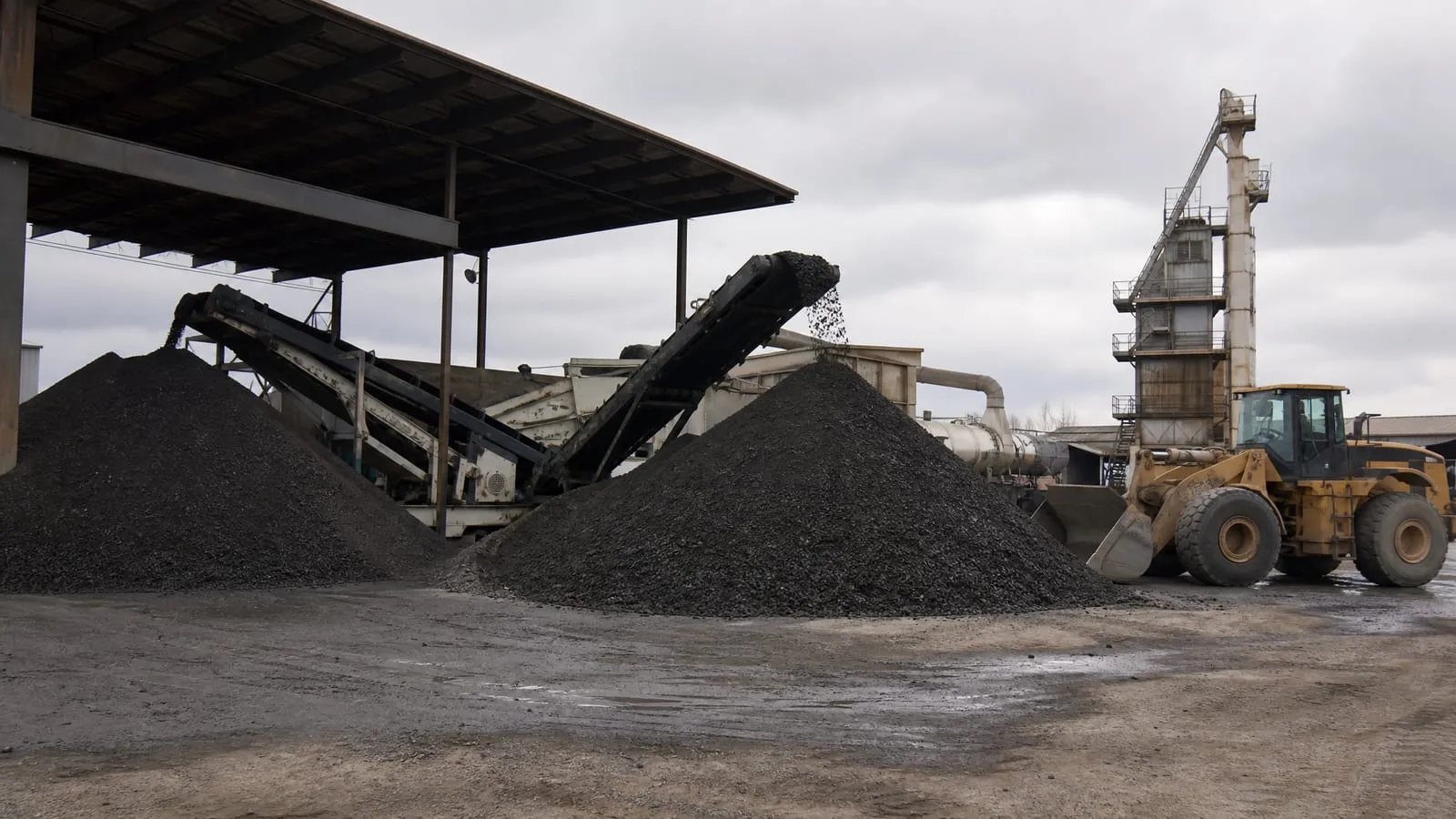
- Roof RAP stockpiles — moisture is the main enemy
- Keep piles moderate in height to limit compaction and sticking
- Use a hard, drained base
- Load from the face to keep material consistent
Testing and the mix design
Give the mix designer test results per stockpile: gradation of the recovered aggregate, binder content and moisture. The design then accounts for the RAP’s aged binder — see RAP percentage limits.
Plant side
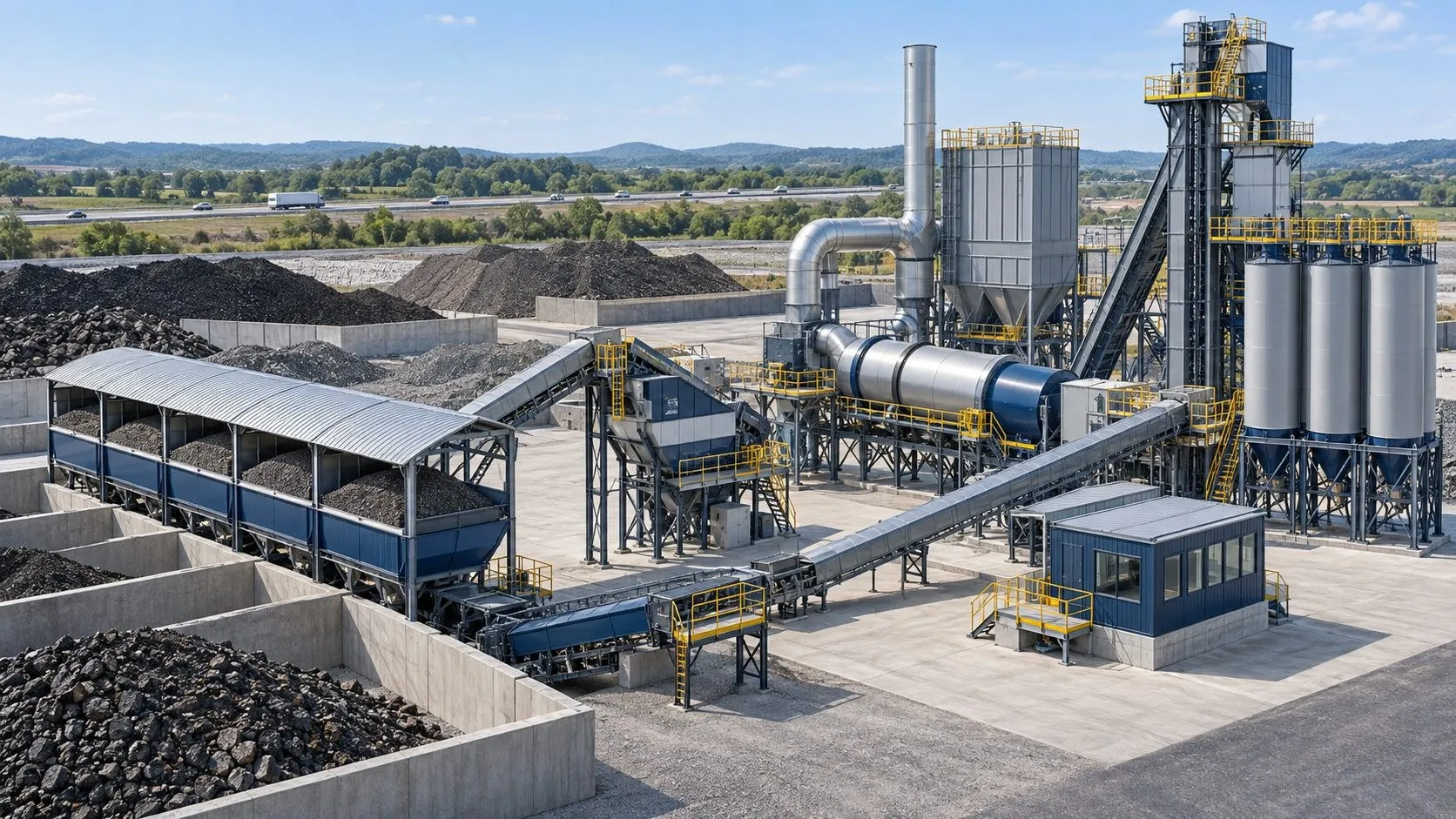
A recycling plant feeds each RAP fraction from its own bin into a separate RAP drum and weighs it per batch — see the RMX-R recycling plant. For the investment case, see when RAP pays off.