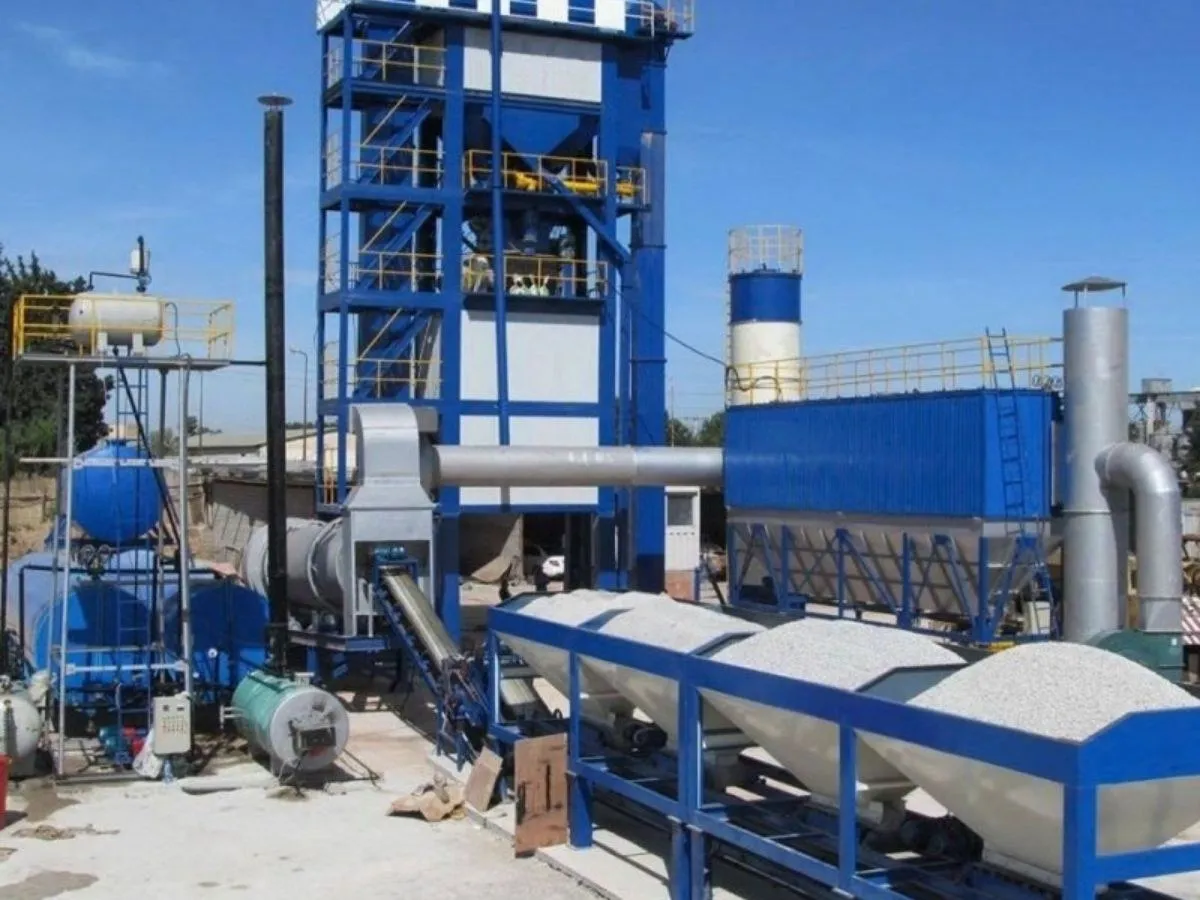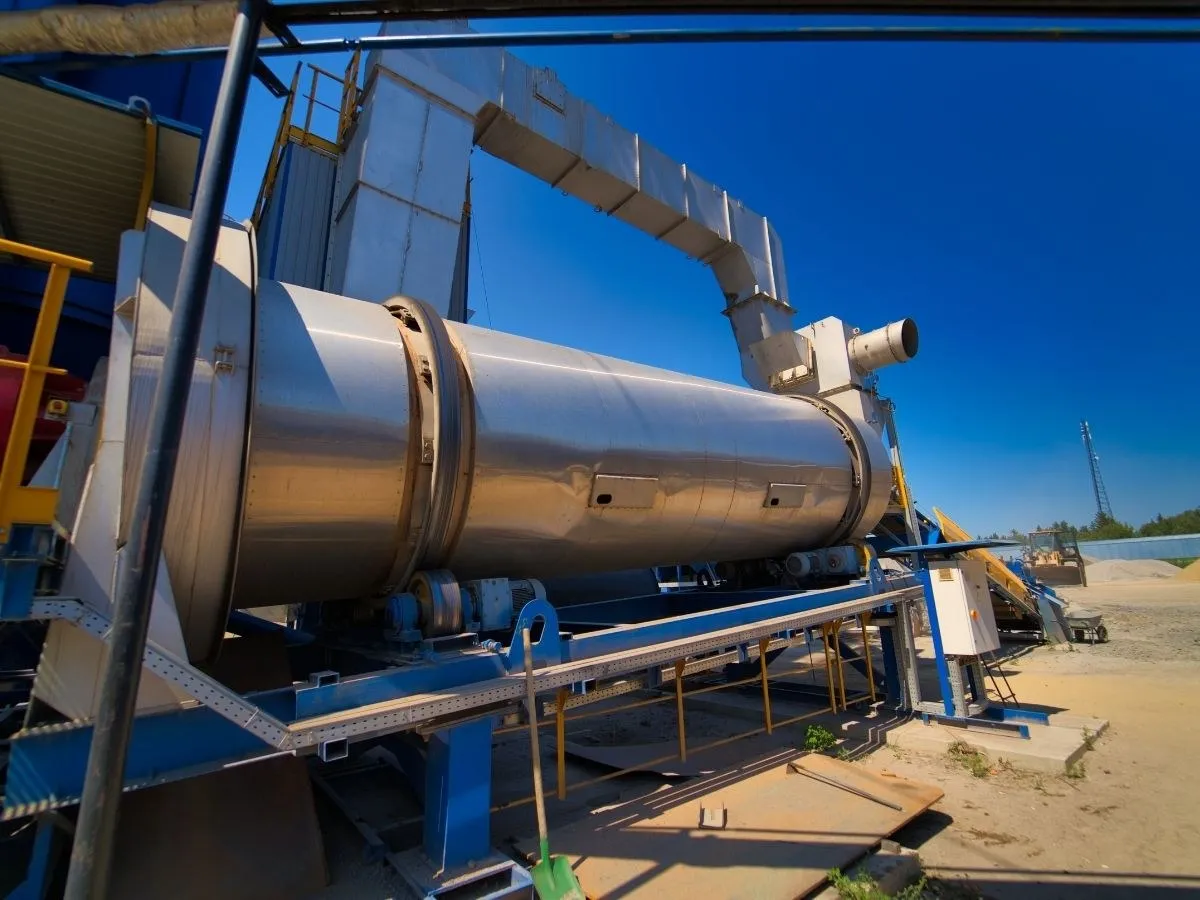
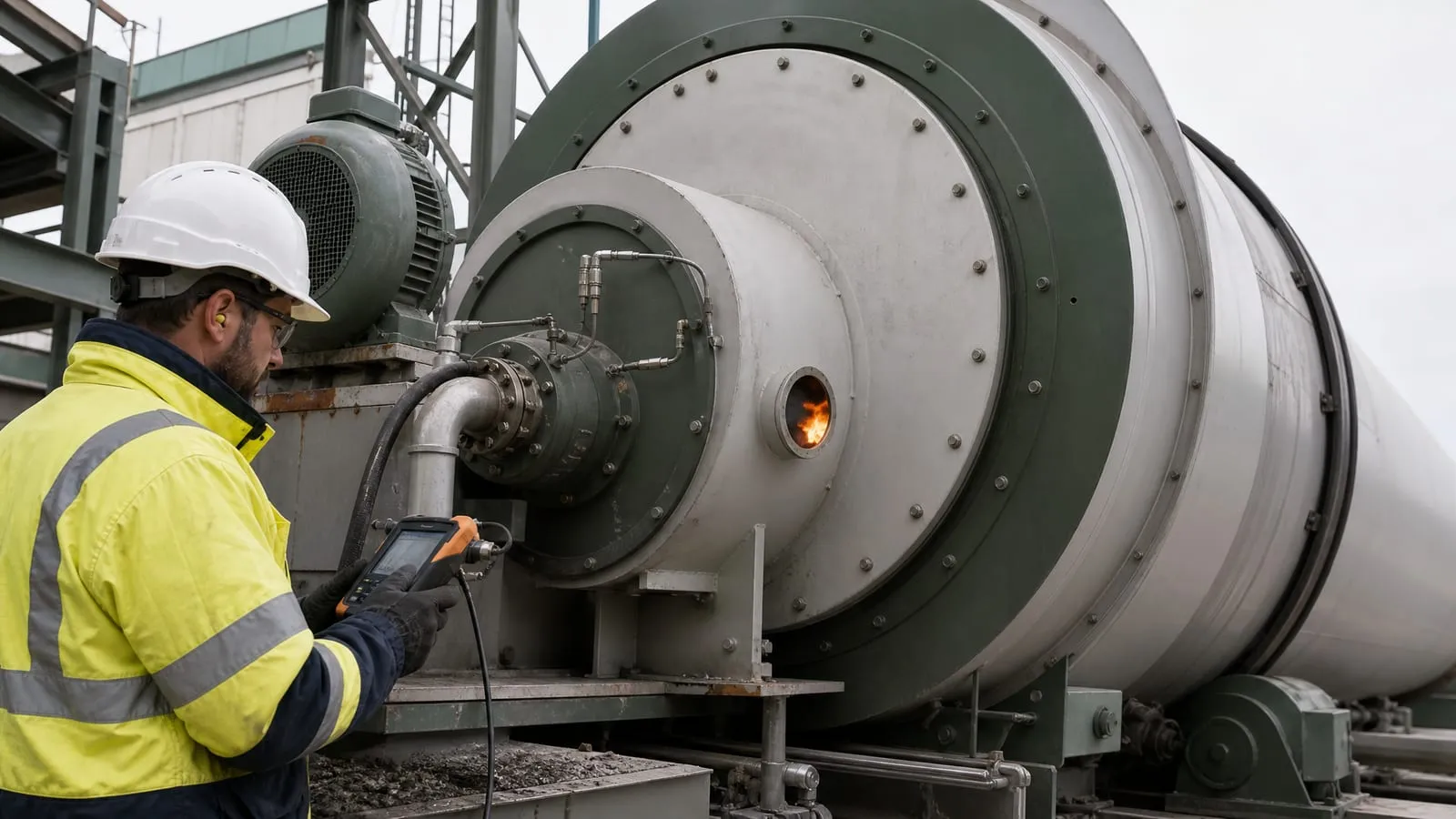
Short answer: Used oil can cut fuel cost where it is legally allowed and its quality is steady, but water, sediment, metals and chlorine cause clogging, deposits, corrosion and emissions problems. It needs settling, filtering, heating and a burner designed for it, and you should check permits and fuel specifications first. Reprocessed fuel oil is usually the safer choice.
Whether it saves money depends on the oil’s quality, how it is processed at the plant and whether regulations allow it.
Potential savings vs risks
Potential benefits
- Lower fuel cost — used oil is often cheaper per unit of heat than diesel or new fuel oil
- Good heating value — clean, dewatered used oil releases heat comparable to fuel oil
- Local supply — collected from vehicle fleets, workshops and industry near the plant
- Uses a waste stream — where the law allows, burning it under control can be a recognized recovery route
Risks
- Variable quality from load to load
- Water and sediment clog filters and nozzles
- Deposits in the drum, ducts and baghouse
- Corrosion from contaminants such as chlorine and acids
- Higher emissions of metals and other pollutants; possible permit breaches
- Unstable flame and burner trips
The benefits are mostly about price; the risks are about quality, equipment and compliance. That is why the decision depends on how consistent the oil is and what your permit allows.
What the plant needs
| Need | Why |
|---|---|
| Settling tank | Separate water and sludge |
| Filtration | Protect pumps and nozzles |
| Heating | Reach the viscosity for good atomization |
| Suitable burner | Rated for the fuel; robust nozzles |
| Combustion checks | Confirm clean burning — see burner tuning |
| Baghouse monitoring | Watch for oily deposits on bags — see baghouse care |
Regulations
Many countries and regions regulate the collection, processing and burning of used oil, sometimes requiring specific fuel specifications or permits. Check with your environmental authority and permit conditions before using it — see the permits checklist.
How to decide
- Is burning used oil allowed at your site?
- Is there a steady supply of consistent quality — ideally reprocessed to a specification?
- What is the delivered price per unit of heat compared with diesel, fuel oil or gas?
- Can you install settling, filtering and heating?
- Does a dual-fuel burner let you switch back to a clean fuel when needed?
If the answers are positive, run trials with combustion and emission checks. If not, compare the other options in burner fuel choices and reducing fuel consumption.