Who needs a 60 t/h plant
A 60 t/h asphalt plant suits work where one paving crew lays a few hundred tons a day: town and city streets, rural and farm-to-market roads, patching and overlay programs, and private work such as industrial yards. At about 65–85% of rated output over an 8-hour shift, a 60 t/h plant makes roughly 300–400 tons a day.
Three ways to get 60 t/h
| RMX-D60 drum mix | RMX-M60 mobile batch | RMX-B60 stationary batch | |
|---|---|---|---|
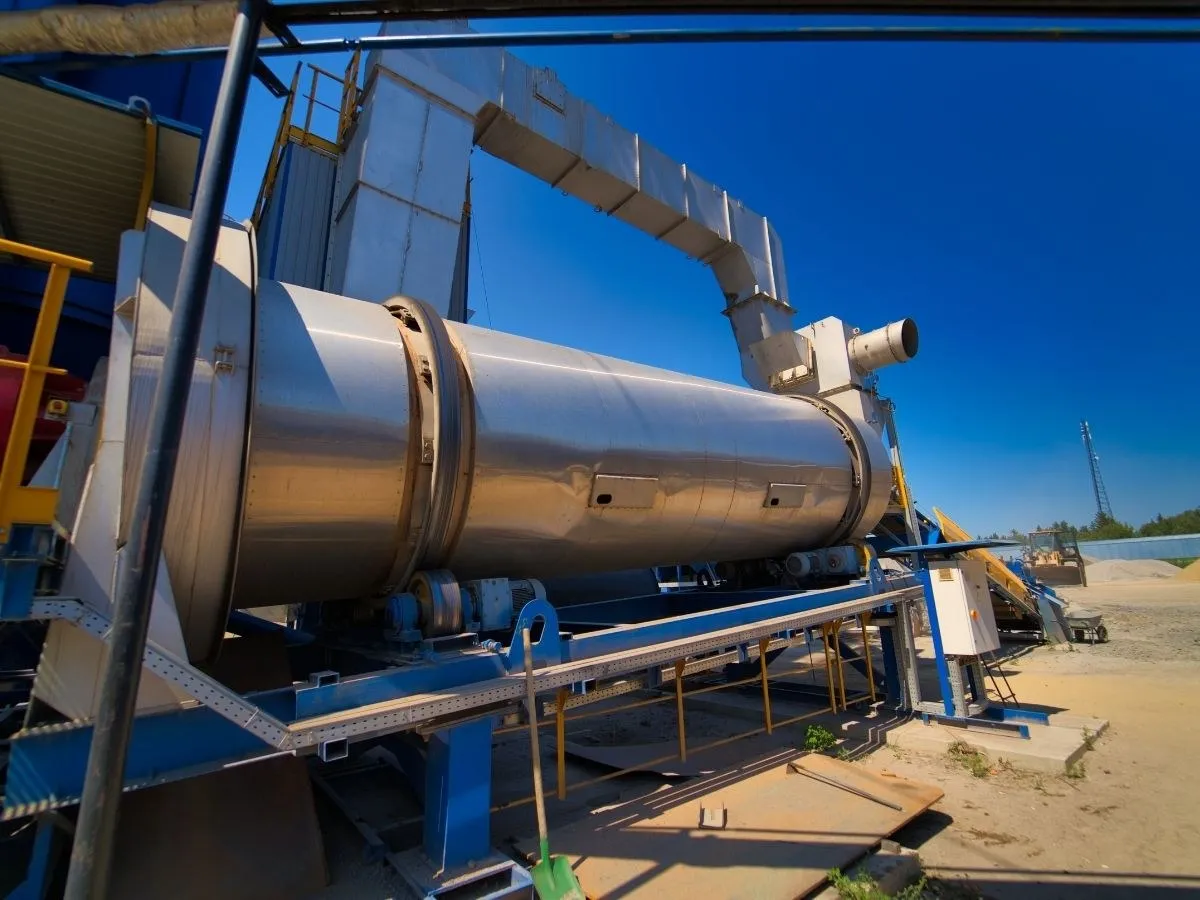
| Process | Continuous | Batch | Batch |
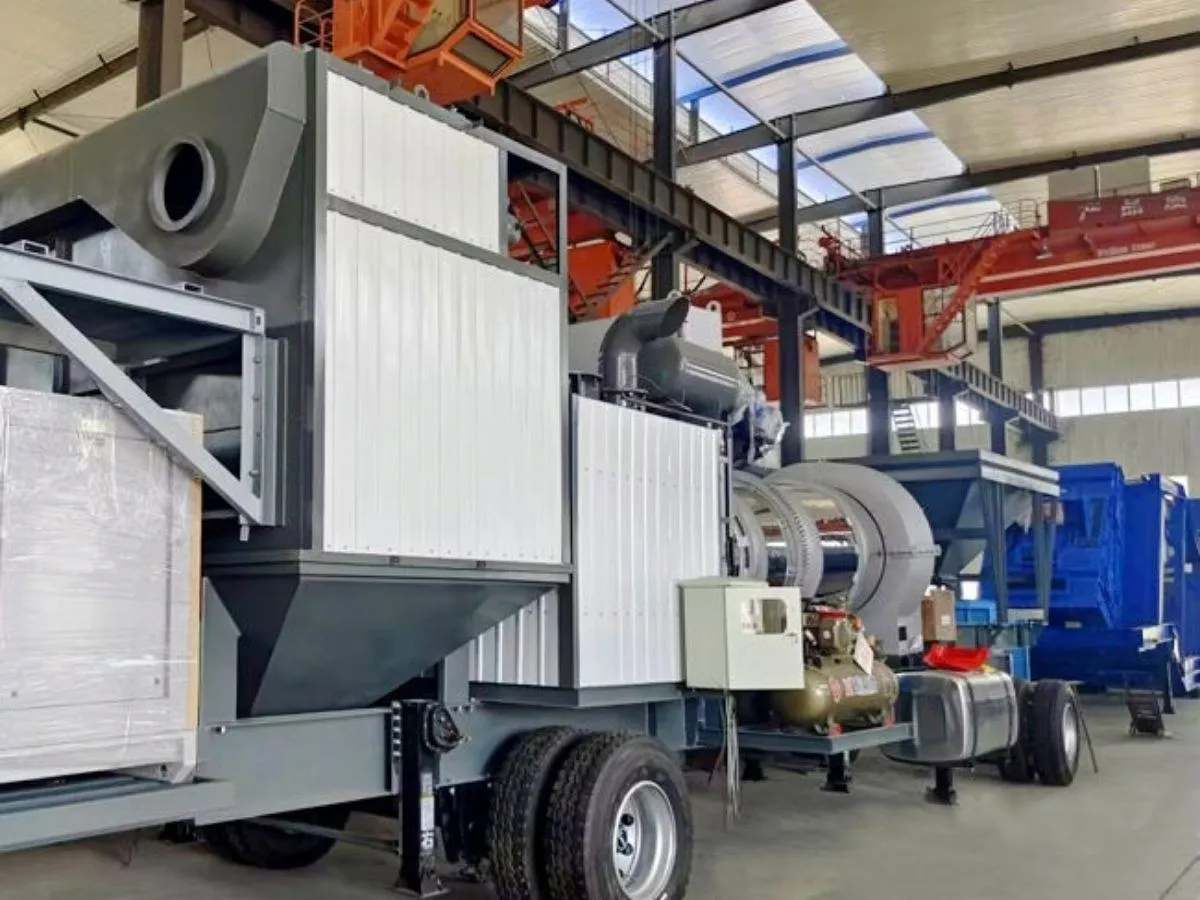
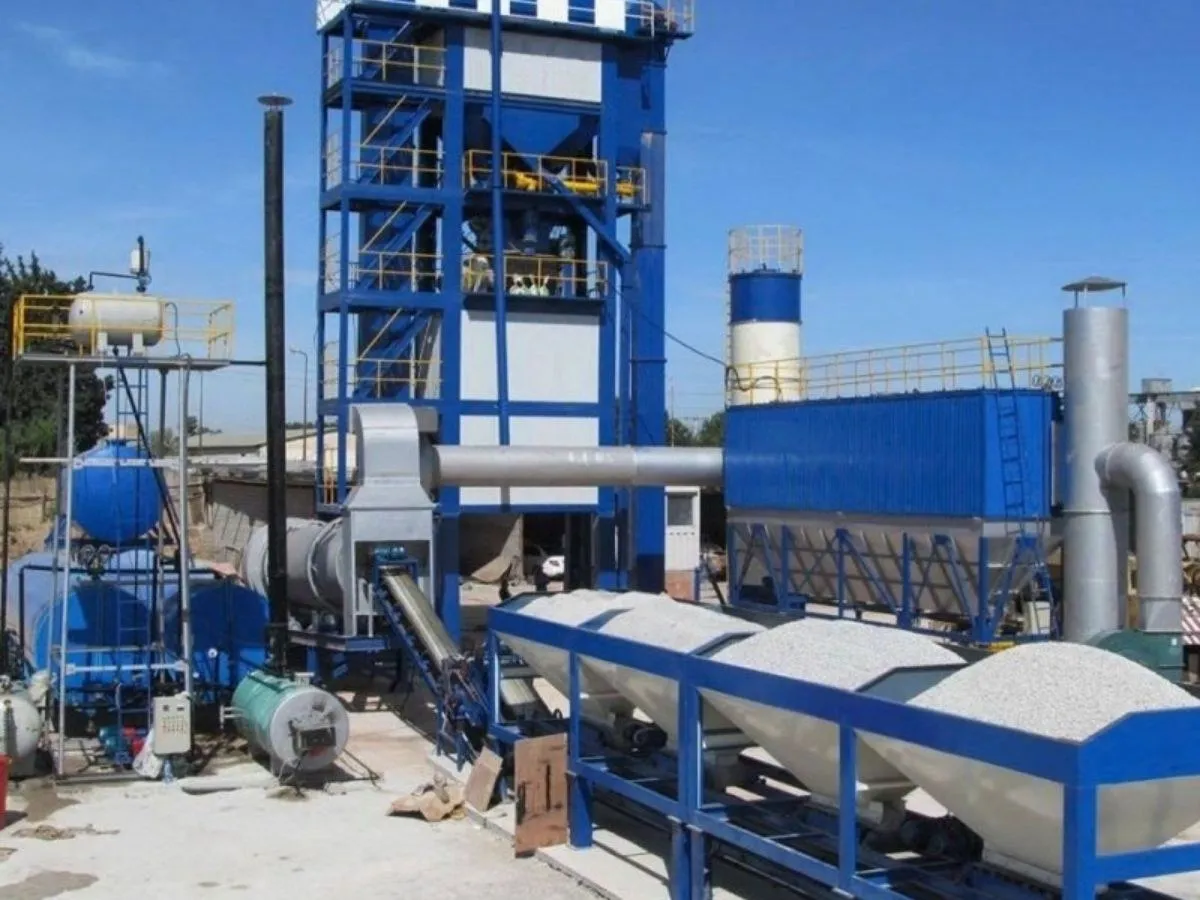
| Moves | Stationary or trailer-mounted | On its own trailer chassis | Permanent site |
| Foundation | Light | Leveled, compacted ground | Concrete |
| Installed power | about 105 kW | 157 kW | 178 kW |
| Mixer | — (mixes in drum) | 700 kg/batch | 750 kg/batch |
| Recipe changes | Slow | Batch by batch | Batch by batch |
| Indicative FOB price | $75,000 – $110,000 | $180,000 – $240,000 | $115,000 – $180,000 |
| Best for | One standard mix, lowest cost | Maintenance crews that move often | A local plant serving one town or district |
How to choose between them
Start with the number of mixes. If you produce one base or surface mix for months, the RMX-D60 gives the lowest purchase and running cost. If you switch between mixes, or your specification requires batch weighing, choose a batch plant.
Then ask how often the plant will move. Several moves a year by road favor the RMX-M60. A plant that will stay put for years is cheaper as the RMX-B60.
Finally, check the specification. Some agencies require batch plants for surface courses even on small jobs. Confirm before you buy.
What a 60 t/h site needs
- Aggregate: at 350 tons of mix a day, roughly 330 tons of aggregate — plan stockpiles for at least several days of production, and cover the sand
- Bitumen: around 15–20 tons a day for typical binder contents of 4.5–6%; a tank that holds several days’ supply
- Fuel: oil-fired batch plants of this type use about 5.5–7 kg of fuel oil per ton of mix (from the RMX-B and RMX-M parameter tables) — around 2 tons a day at 350 t
- Power: grid supply or a generator sized above the installed kW
- Crew: an operator, a loader driver, a maintenance hand and a lab technician as a minimum
- Trucks: enough to keep the plant loading while one paver works — usually three to five, depending on haul distance
Price and next steps
Indicative FOB prices for every 60 t/h option are in the table above and on the price guide. If you are unsure whether 60 t/h is enough, compare the 80 t/h options or send us your daily tonnage and haul distance — we will size the plant with you.