Short answer: An asphalt plant dries and heats aggregate and coats it with bitumen to make a hot product laid within hours, while a concrete batching plant mixes cold aggregate with cement and water. They share bins, weighing and mixers, but the processes and equipment differ, and one plant cannot make both. Choose by the road surface your contract specifies.
The names sound similar, but almost everything else differs. The table below compares the two side by side.
Side by side
| Asphalt mixing plant | Concrete batching plant | |
|---|---|---|
| Binder | Bitumen (hot) | Cement and water (cold) |
| Heat | Burner dries and heats aggregate | None |
| Process | Dry, heat, weigh, coat with bitumen | Weigh, add cement and water, mix |
| Output unit | Tons per hour of hot mix | Cubic meters per hour of fresh concrete |
| Delivery | Hot mix in covered trucks, laid within hours | Mixer trucks, placed before setting |
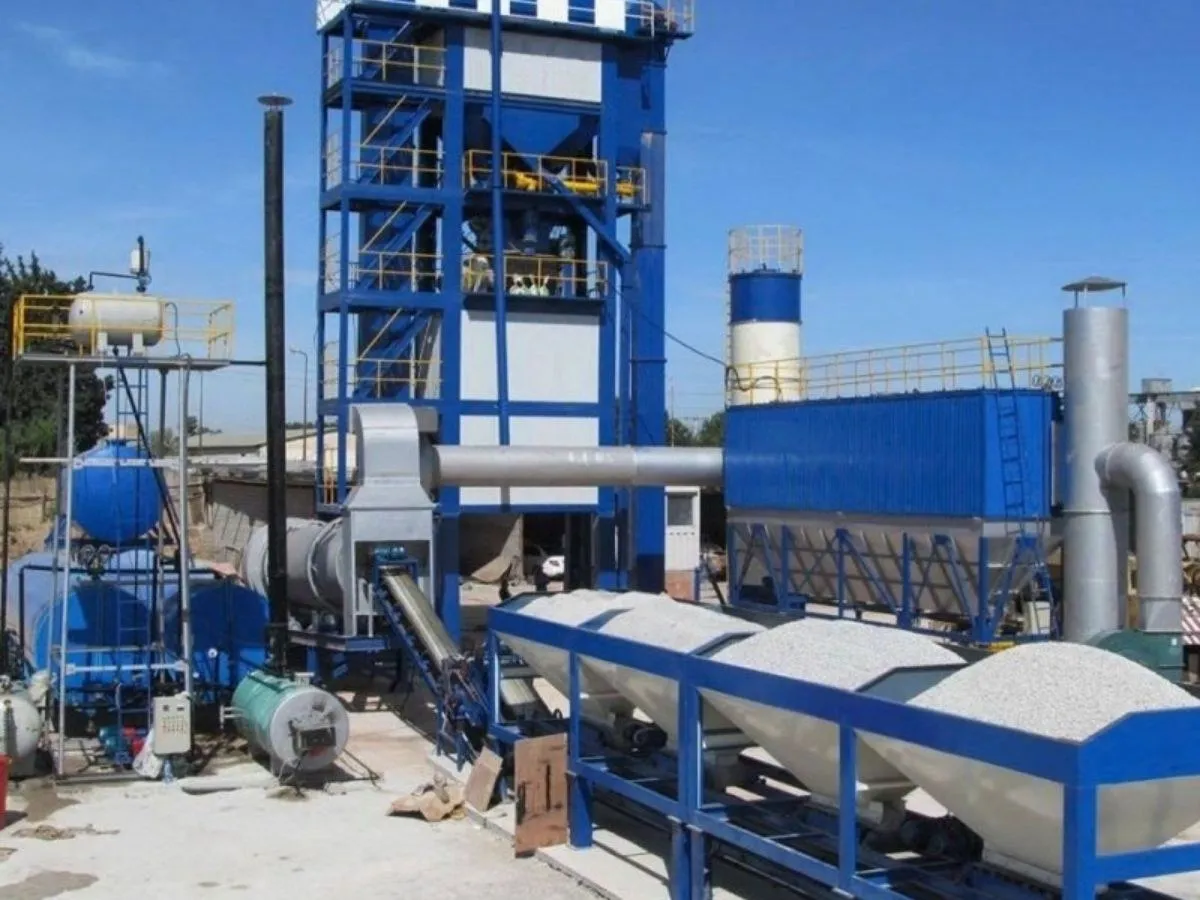
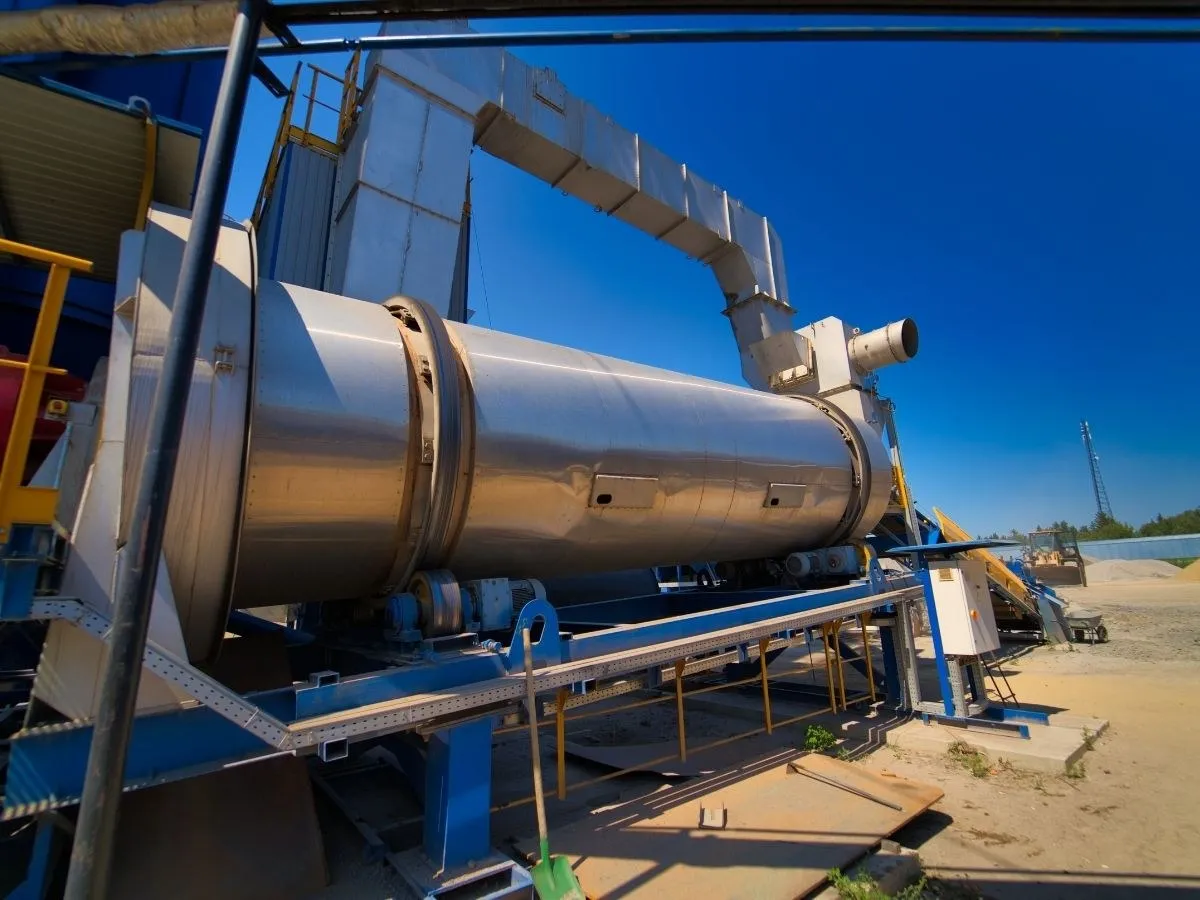
| Key equipment | Drying drum, burner, hot elevator, screen, mixer, baghouse, bitumen tanks | Cement silos, aggregate bins, mixer, water and admixture systems |
| Main hazards | Heat, fuel, hot bitumen | Dust, wet mix, setting in equipment |
Where they overlap
- Aggregate bins and feeders.
- Weighing and control systems.
- Twin-shaft or other mixers.
- Need for a site with good access and storage.
Choosing by the job
| Contract | Plant |
|---|---|
| Flexible asphalt road surface | Asphalt mixing plant |
| Rigid concrete pavement or structures | Concrete batching plant |
| Both | Two separate plants |
If your specification is asphalt, see how to choose an asphalt plant and how an asphalt plant works. For a cost view, see the price guide. We make asphalt plants only; tell us your project and we will say if one fits.