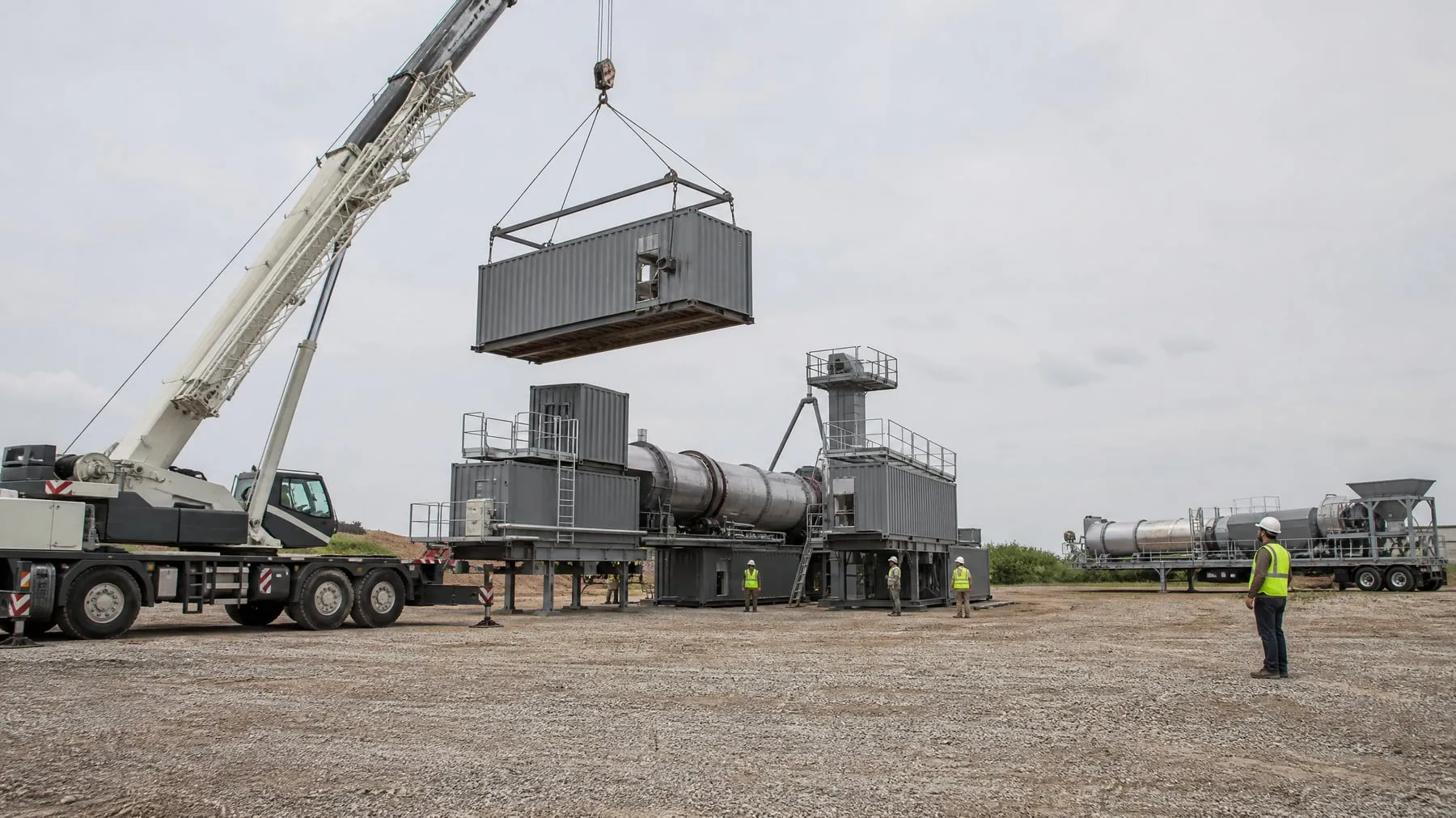
Buying an asphalt plant is easier when you decide what you need before suppliers tell you what they sell. These twelve questions cover everything that changes the plant’s type, size and configuration. Answer them, put the answers in your request for quotation, and every supplier will be quoting for the same job.
The 12 questions at a glance
| # | Question | What it decides |
|---|---|---|
| 1 | How many tons a day, and for how many days? | Plant size |
| 2 | How many effective hours a day? | Plant size |
| 3 | How many different mixes? | Batch or drum |
| 4 | Which specification must the mix meet? | Batch or drum; controls |
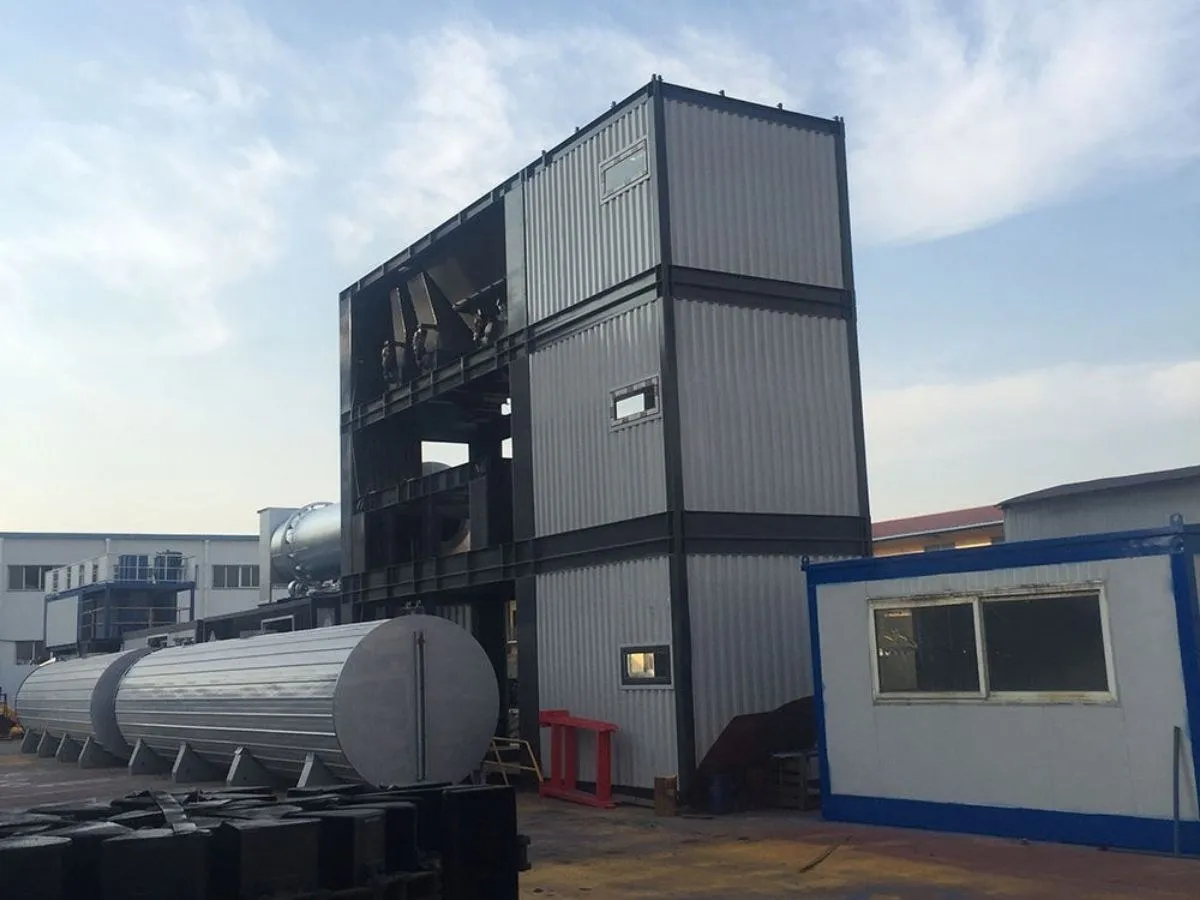
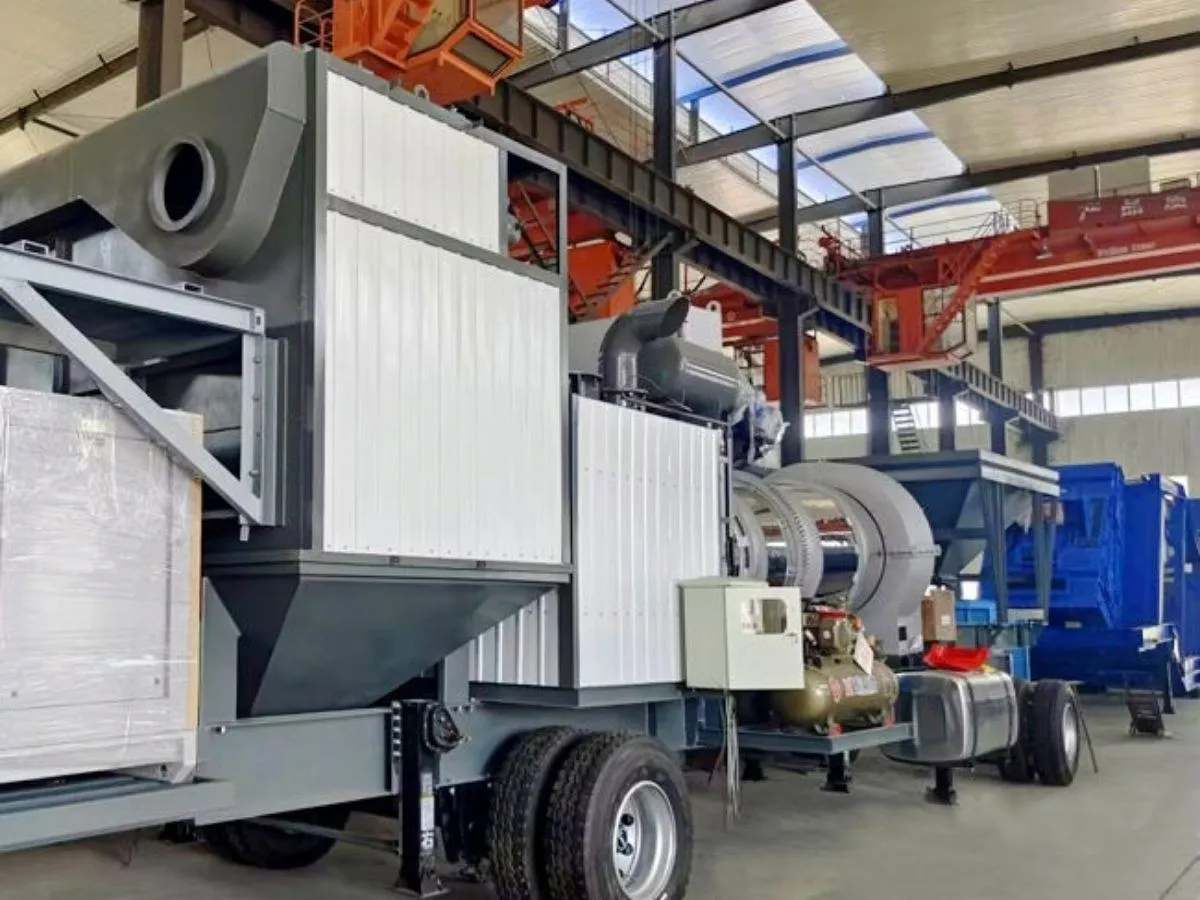
| 5 | How long will the plant stay at each site? | Stationary, containerized or mobile |
| 6 | How will it travel? | Containerized or mobile |
| 7 | How wet is your aggregate in the rainy season? | Drum and burner size |
| 8 | What altitude and climate? | Burner, fan, insulation |
| 9 | Which fuel can you buy all year? | Burner type |
| 10 | What power is on site? | Voltage, frequency, generator |
| 11 | What emission limits apply? | Dust collector |
| 12 | What is the total budget? | Options and phasing |
Size: questions 1–2
1. How many tons a day, for how many days? Work it out from the contract: length × width × thickness × density gives total tons. Our capacity calculator does the arithmetic.
2. How many effective hours a day? Not working hours — hours the plant actually makes mix after start-up, recipe changes and truck waiting. Seven to eight on a ten-hour day is common. Then:
plant size ≈ daily tons ÷ effective hours × 1.2–1.3
Round up to the next size: 60, 80, 120, 160 or 240 t/h.
Process: questions 3–4
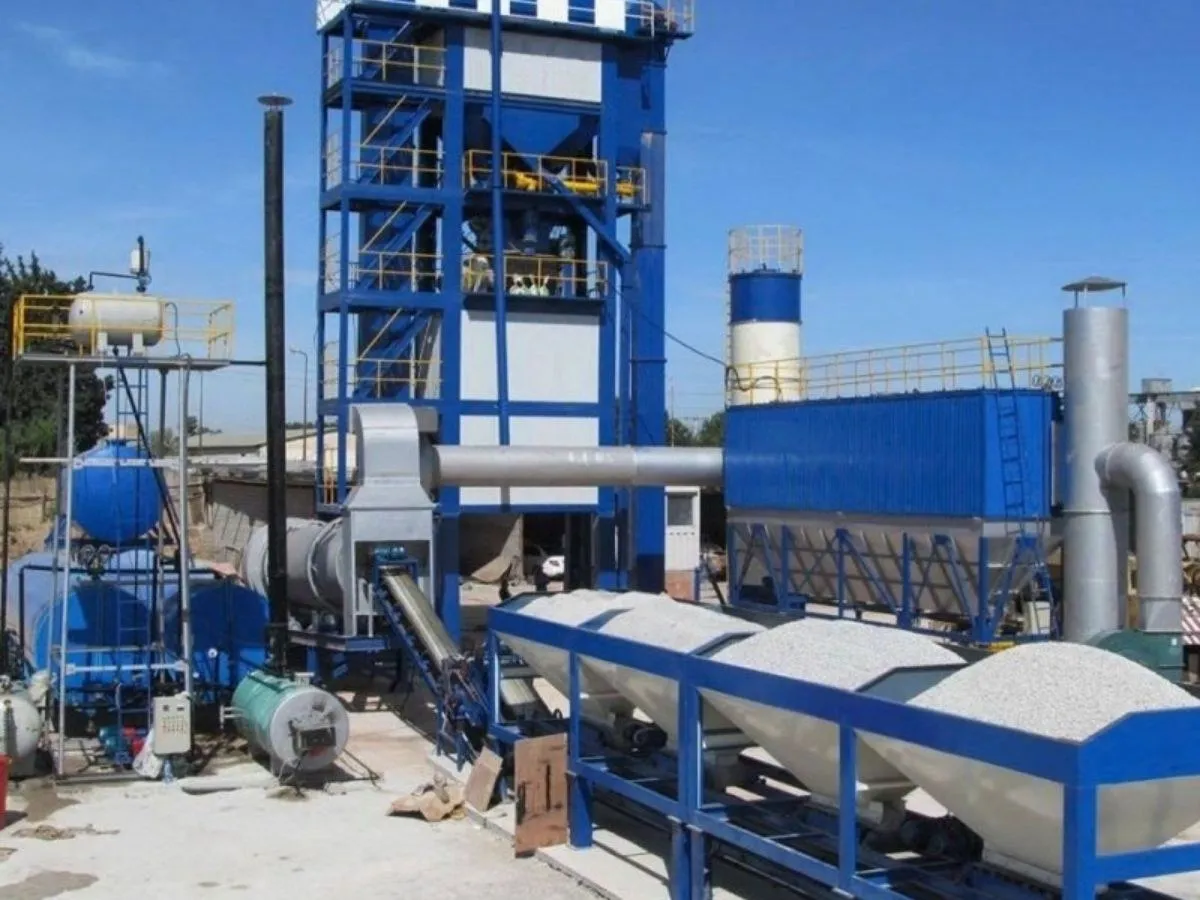
3. How many different mixes? If you switch between surface, binder and base courses, or between customers, a batch plant weighs every component per batch and changes recipe on the next batch. If you make one mix for months, a drum mix plant does it at lower cost.
4. Which specification? Highway and airport specifications often call for batch plants and tight tolerances. Check the clause before you choose.
Mobility: questions 5–6
5. How long at each site?
| Time at one site | Usually best |
|---|---|
| Many years | Stationary batch |
| One to three years per contract | Containerized |
| Weeks to months | Mobile |
6. How will it travel? By sea or long distances → containerized. By road within a region, often → mobile. Our stationary vs mobile vs containerized guide compares them in detail.
Site conditions: questions 7–11
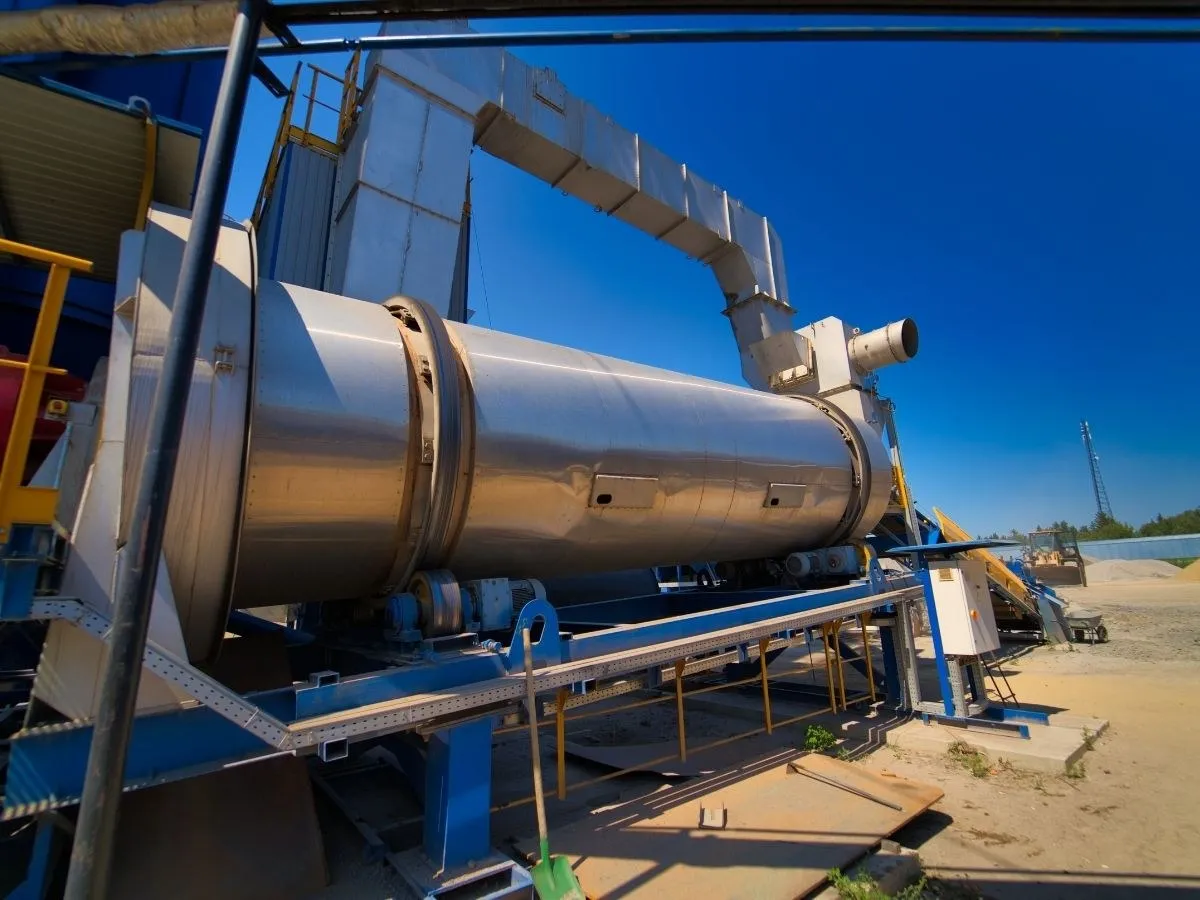
7. Aggregate moisture. Rated output assumes moderately dry stone. In tropical rainy seasons, moisture often climbs well above that, and drying capacity — not the mixer — limits output. Tell the supplier your wet-season moisture.
8. Altitude and climate. At high altitude, thinner air reduces burner and exhaust fan performance, so both are sized up. Cold climates need insulation and heating; hot, humid ones need sealed, cooled electrical rooms.
9. Fuel. Diesel, heavy oil, natural gas, LPG or coal powder — choose what you can buy reliably all year. Dual-fuel burners give flexibility.
10. Power. Grid voltage and frequency (for example 380 V/50 Hz or 440–460 V/60 Hz) must be fixed at order. Off-grid sites need a generator sized above the plant’s installed power.
11. Emissions. Your environmental permit sets the stack limit. A baghouse with enough filter area is the standard answer; wet collectors cost less but rarely meet strict limits.
Budget: question 12
12. What is the total budget? The plant price is only part of it. Add freight, duties, foundations or pad, installation and training, power, lab and permits. Our price guide shows indicative prices and the costs to add. If the budget is tight, phase the options — a hot mix silo or RAP line can be added later if the layout leaves room.
Turn the answers into a request for quotation
Copy this checklist into your inquiry:
- Output: ___ t/day, ___ effective hours/day, ___ paving days
- Mixes: ___ (list), specification: ___
- Time at each site: ___; transport: sea / road / both
- Aggregate source: ___; wet-season moisture: ___%
- Altitude: ___ m; climate: ___
- Fuel: ; power: grid ___ V/ Hz or generator
- Emission limit: ___ mg/Nm³
- Delivery port: ___; budget range: ___
Send it to our engineers and we will reply with a recommended plant, configuration and price — or use it to compare any supplier on equal terms. For choosing between suppliers, see how to choose an asphalt plant manufacturer.