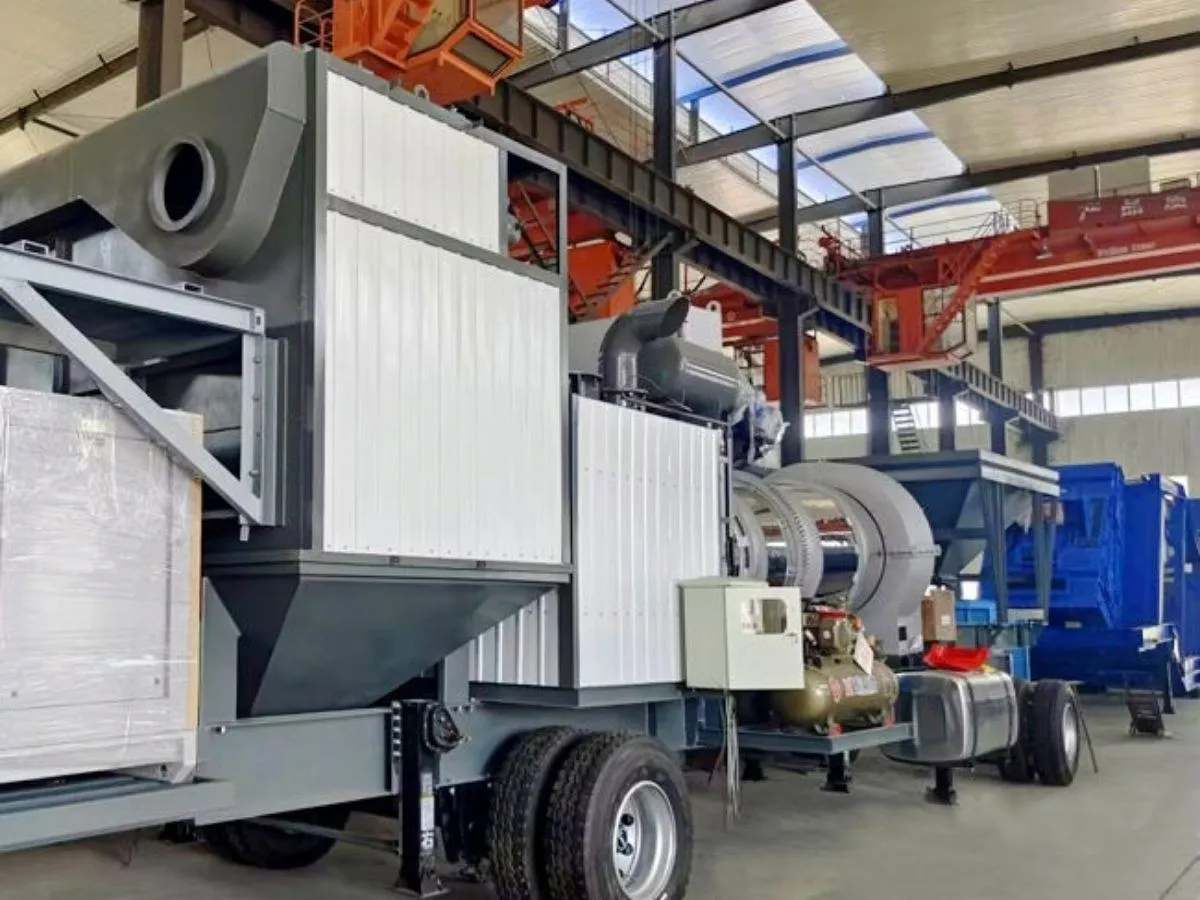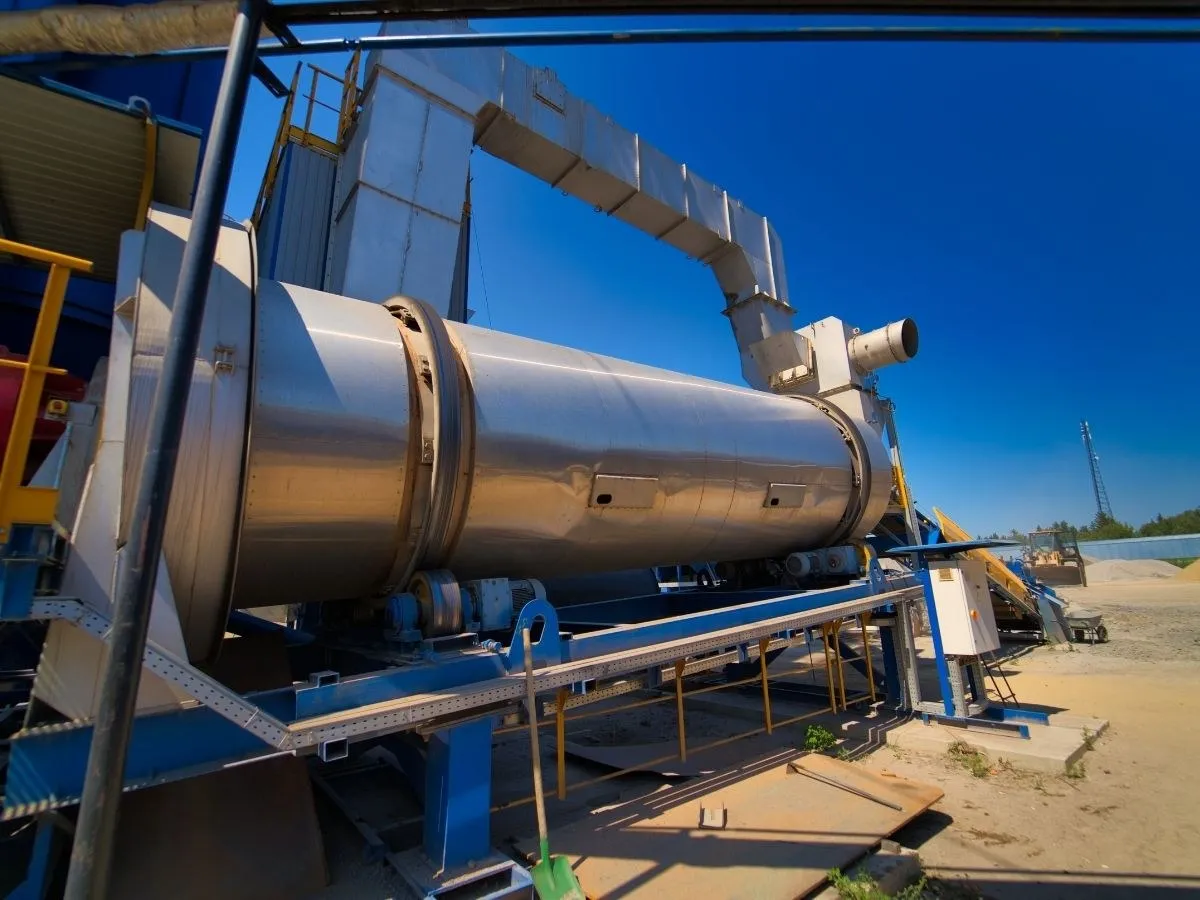
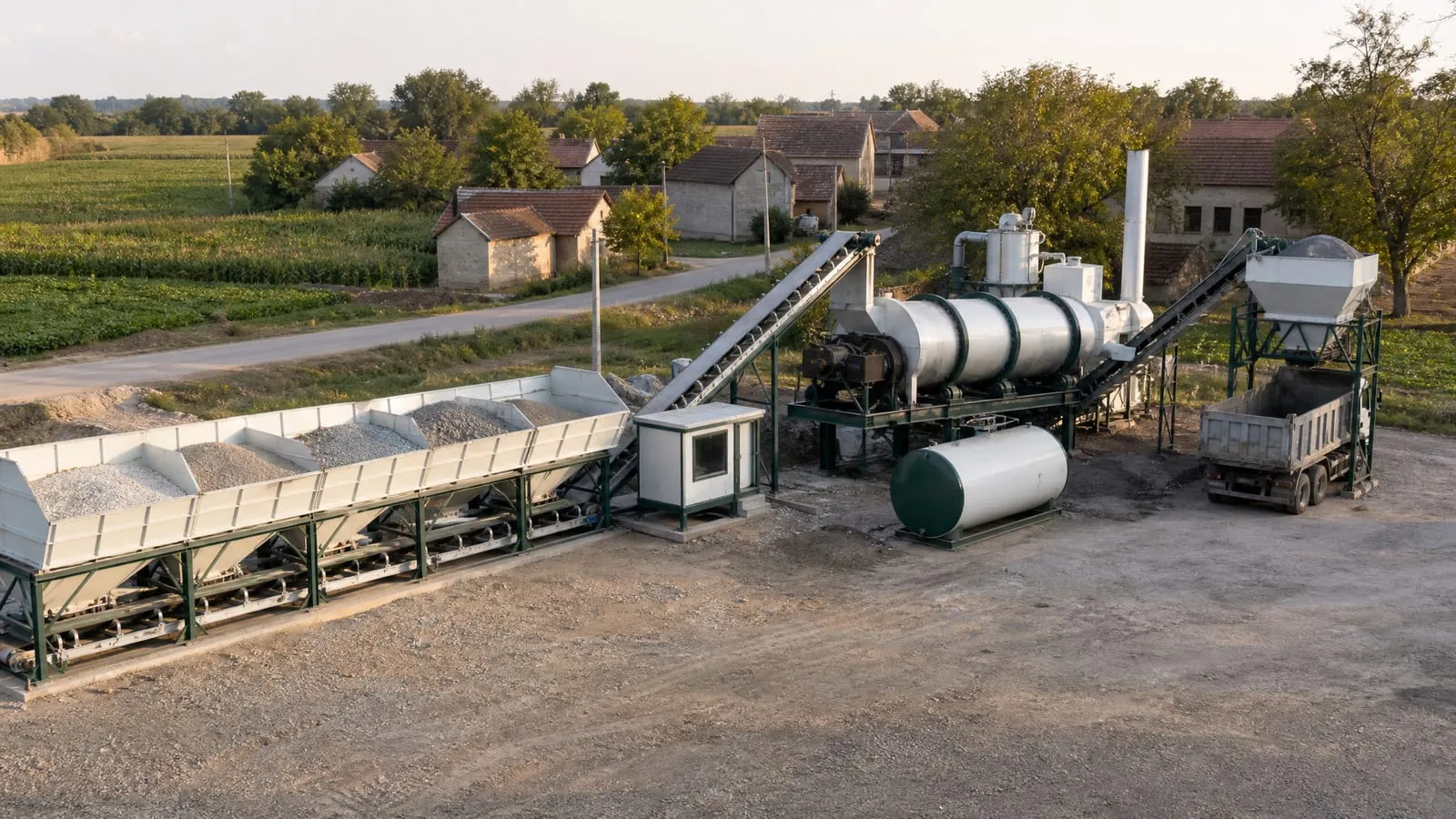
Short answer: Choose a mobile batch plant when specifications are strict or recipes change, because it weighs every batch and switches quickly. Choose a mobile drum plant, which mixes continuously, for steady standard mixes at the lowest price. In our range mobile batch runs 60–160 t/h and drum plants 10–160 t/h; either way check tow permits, axle loads and set-up time.
The table below compares the two side by side.
Side by side
| Mobile batch | Mobile drum mix | |
|---|---|---|
| Process | Weighs aggregate, filler and bitumen per batch | Dries and mixes continuously |
| Recipe changes | Quick | Slower |
| Tolerances | Easier to meet | Possible with careful calibration |
| Price | Higher | Lower |
| Units | More | Fewer |
| Typical range | 60–160 t/h | 10–160 t/h |
When to choose each
| Situation | Choose |
|---|---|
| Strict specification, several mixes | Mobile batch |
| Steady, standard mix, lowest cost | Mobile drum |
| Frequent moves on one region’s roads | Either; check set-up time |
| Long moves between countries | Consider containerized |
Moving the plant
- Licenses and routes: width and weight limits.
- Set-up: leveling, power, fuel and bitumen connections.
- Crew: a trained team shortens the set-up.
See moving a containerized plant for the steps, and installation time.
More on the choice
See when a drum mix plant is enough and stationary vs mobile vs containerized. Product pages: mobile and drum mix. Tell us your mixes and moves and we will recommend one.