Short answer: Never buy a used plant from photos. Inspect it in operation with someone who knows asphalt plants, read the maintenance records, and check wear in the drum, mixer, screens, elevators and baghouse first, then the controls and spare-parts support. Walk away if there are no records, no demonstration run, or no independent inspection.
This checklist covers the points that decide the first year’s cost.
Before the visit
- Ask for the model, year and hours or tons produced.
- Ask for maintenance records and a list of repairs.
- Check spare parts availability for the brand and age.
- Agree that you may bring an independent inspector.
Unit by unit
| Unit | Check | Red flag |
|---|---|---|
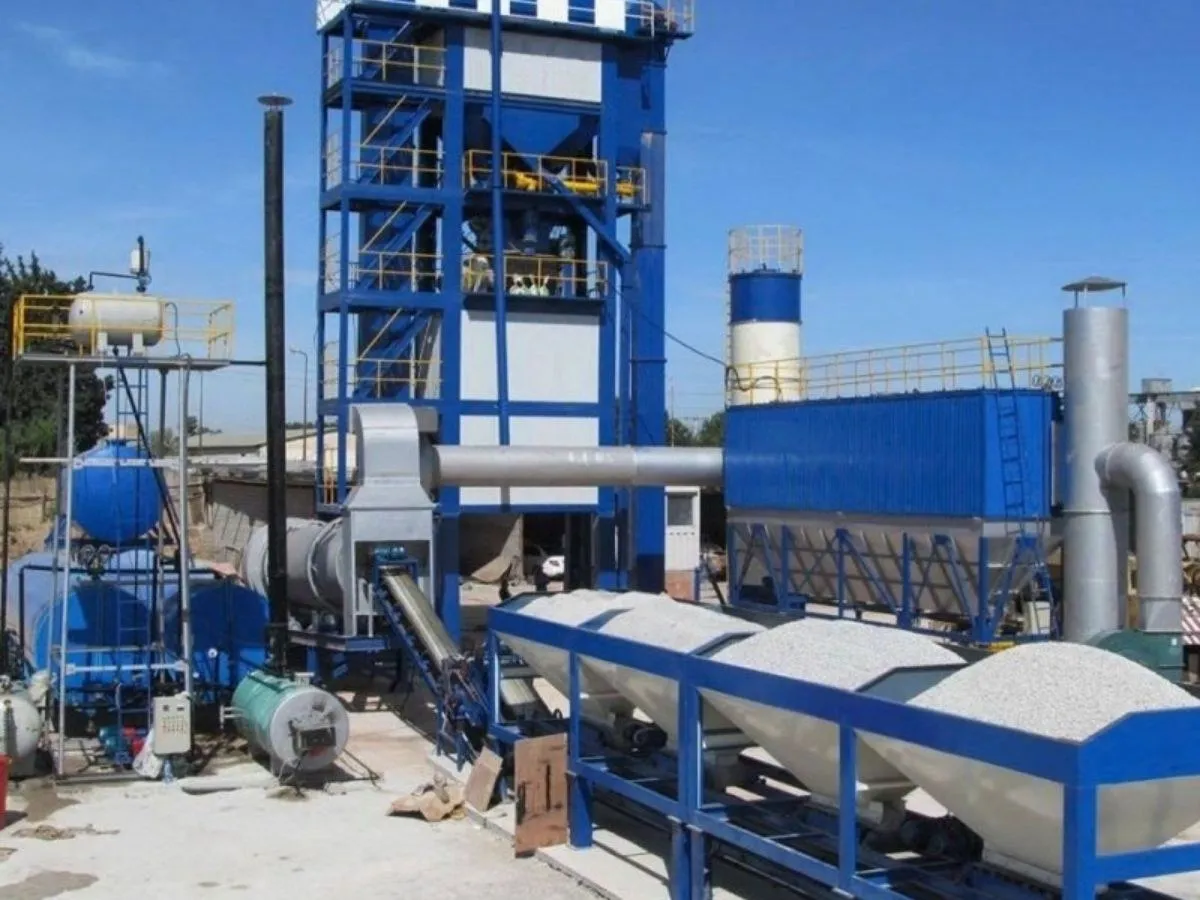
| Drying drum | Plate thickness, flights, rollers, seals | Thin shell, cracks, loose rollers |
| Burner | Nozzles, fan, flame control | Unstable flame, patched parts |
| Hot elevator | Chains, buckets, casing | Stretched chain, holes |
| Screen | Meshes, vibration, mounts | Torn mesh, cracked frame |
| Hot bins | Walls, gates, insulation | Leaks, worn gates |
| Weighing | Load cells, hoppers, calibration | Drift, repaired load cells |
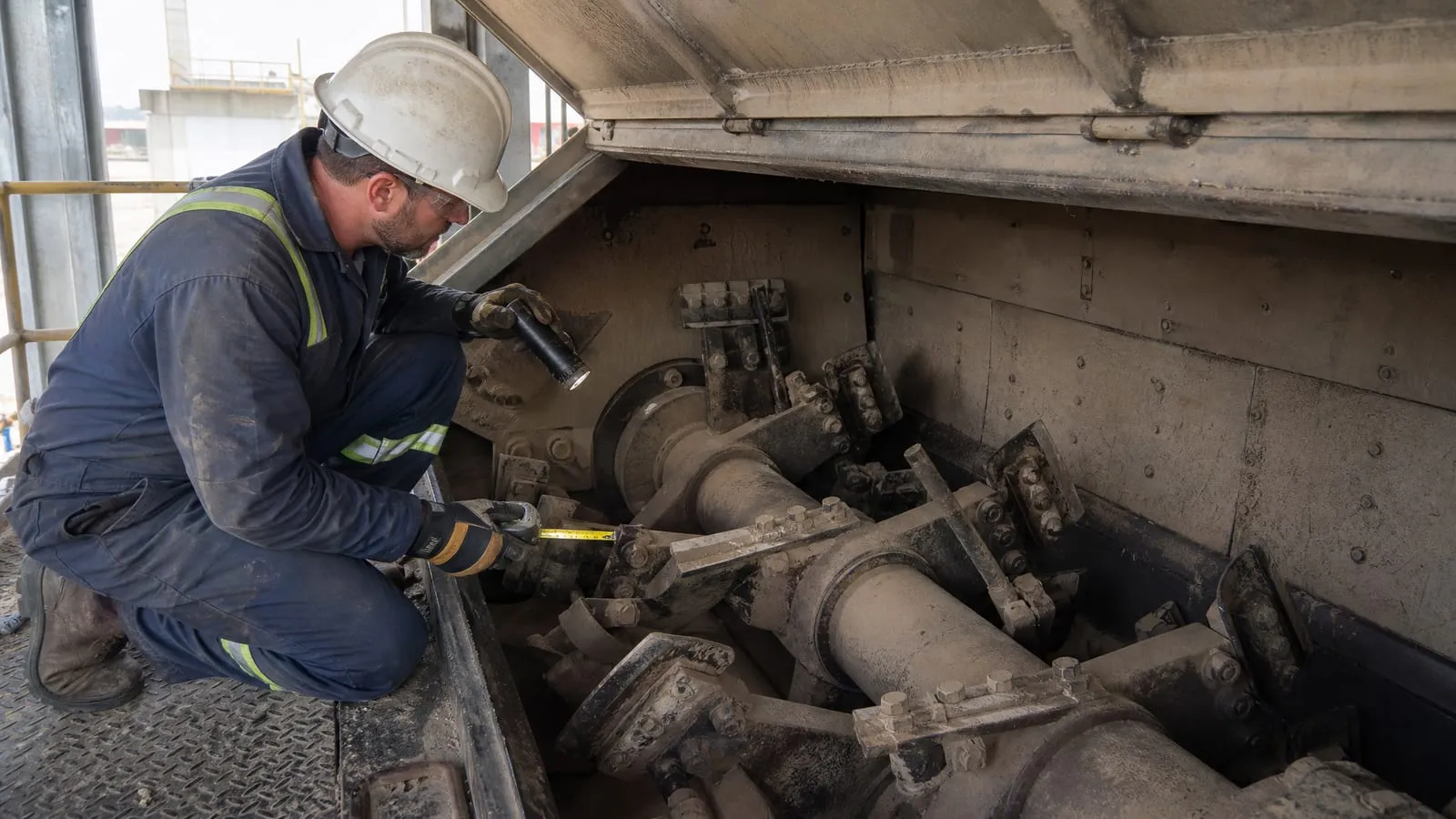
| Mixer | Paddles, arms, liners, shaft seals | Worn liners, leaking seals |
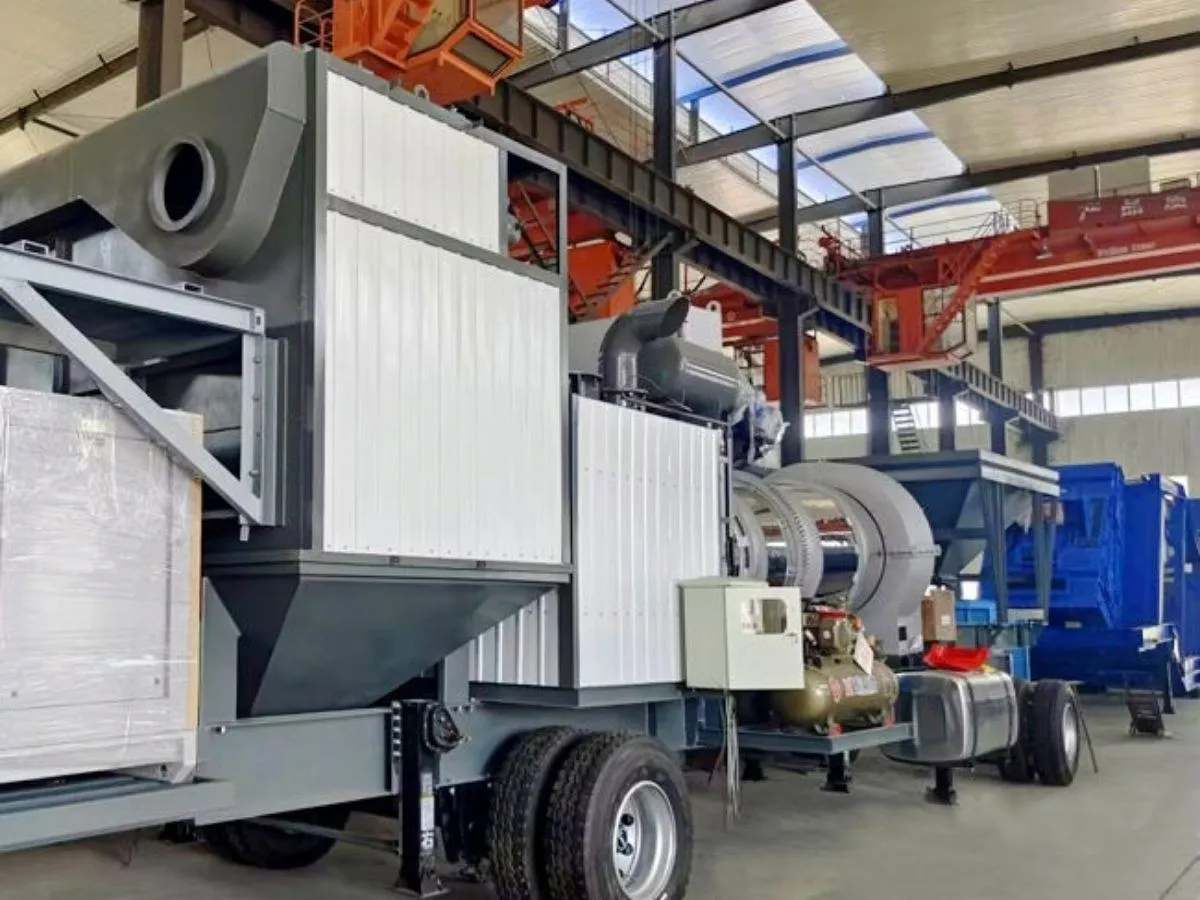
| Baghouse | Bags, fan, valves, casing | Many torn bags, corrosion |
| Bitumen system | Tanks, pumps, heating, lines | Leaks, failed heating |
| Controls | PLC, screens, wiring, backups | No manuals, unsupported software |
Run it
Ask for a demonstration run with material. Watch start-up, weighing, mixing, temperature control and discharge; check emissions and noise; ask for the batch records.
Documents
- Manuals, drawings and wiring diagrams.
- Proof of ownership and no liens.
- Emission and safety certificates if required in your country.
The cost view
Add the price, transport, repairs you expect, spare parts, extra fuel and downtime, and divide by the tons you will make. Compare with a new plant — see new vs used asphalt plant and upgrading an older plant. For a new plant, see our price guide. Tell us what you are considering and we will give an honest comparison.