The short answer
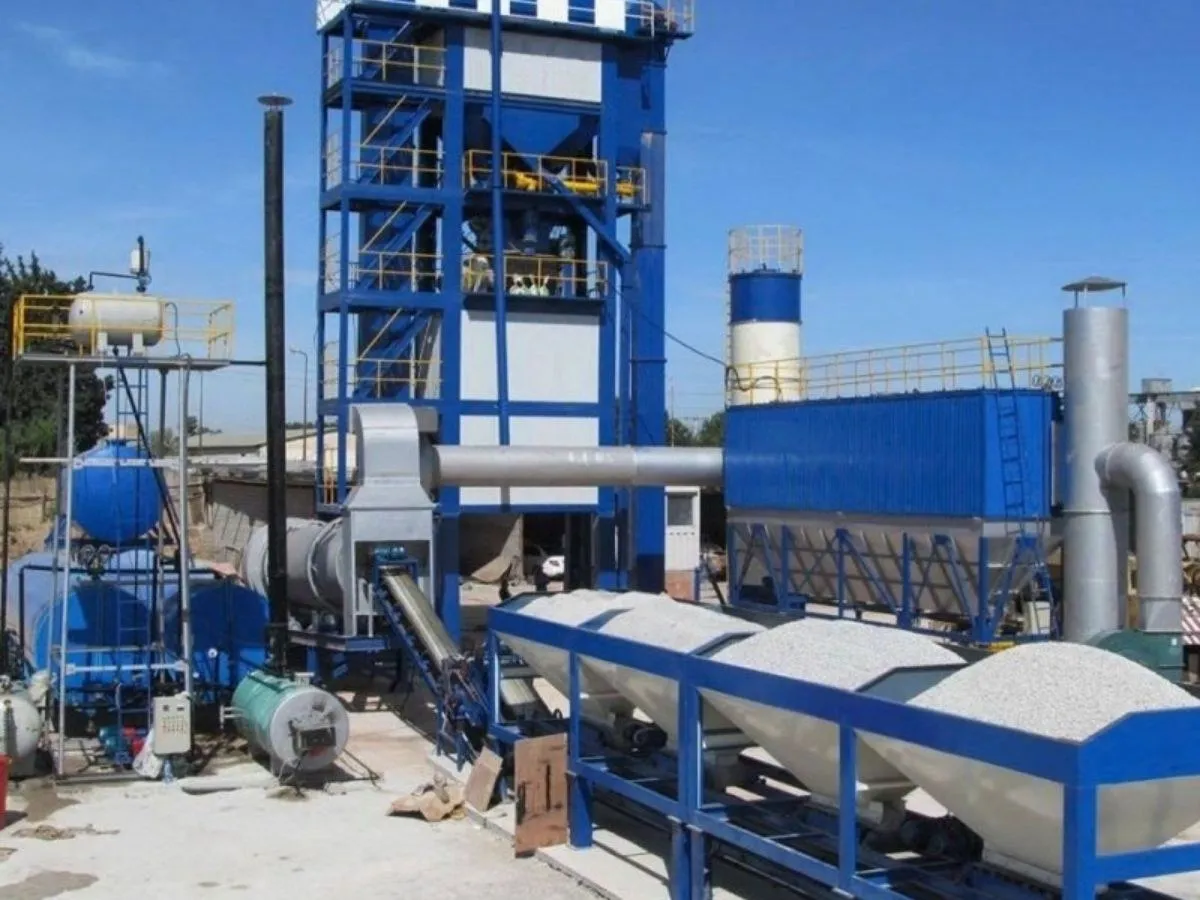
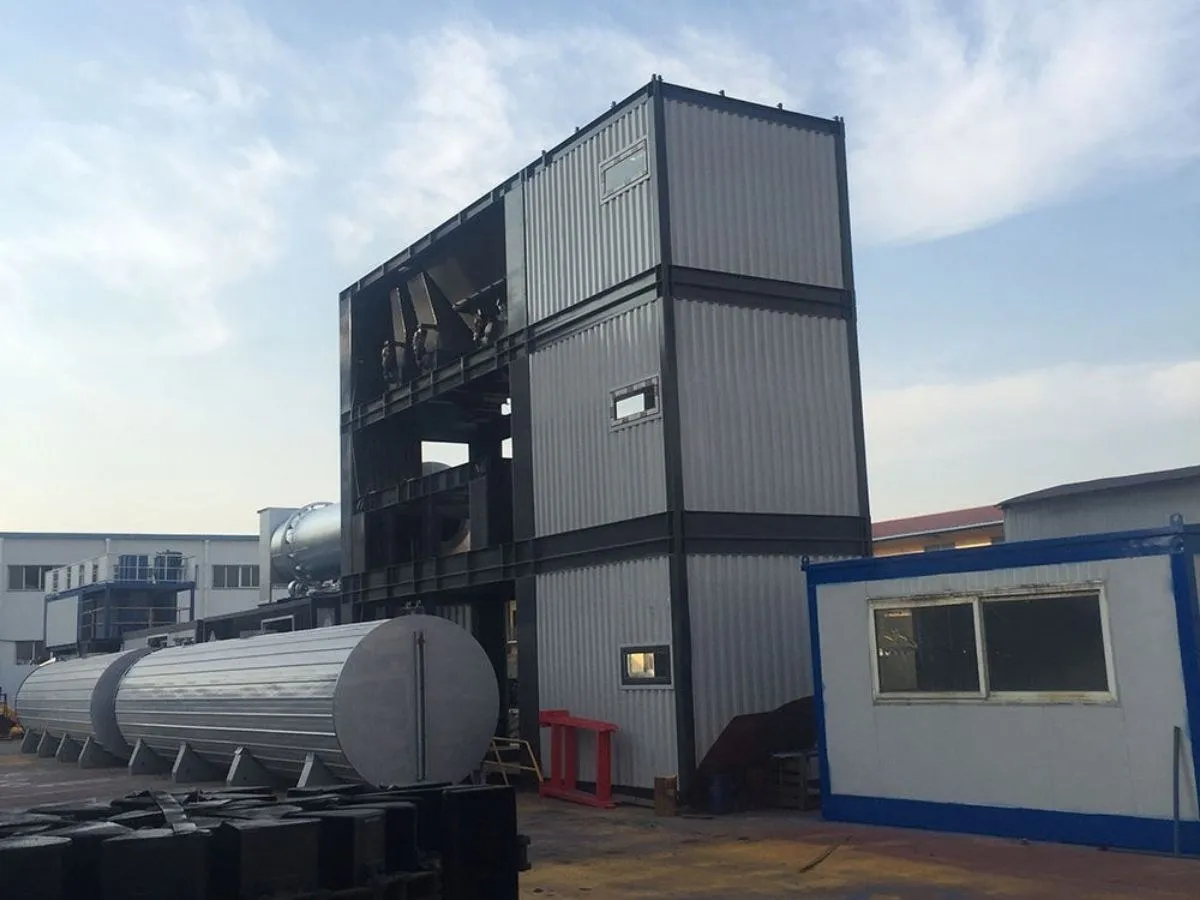
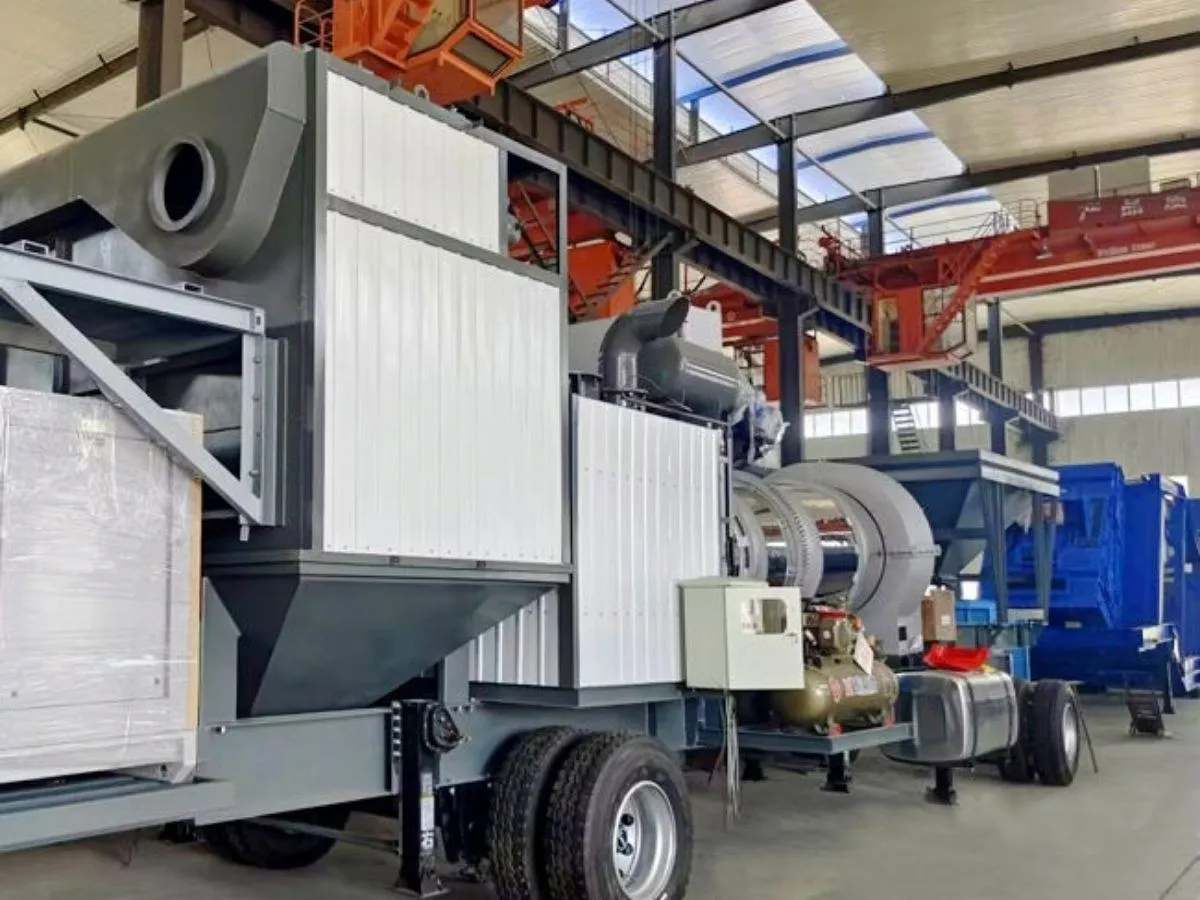
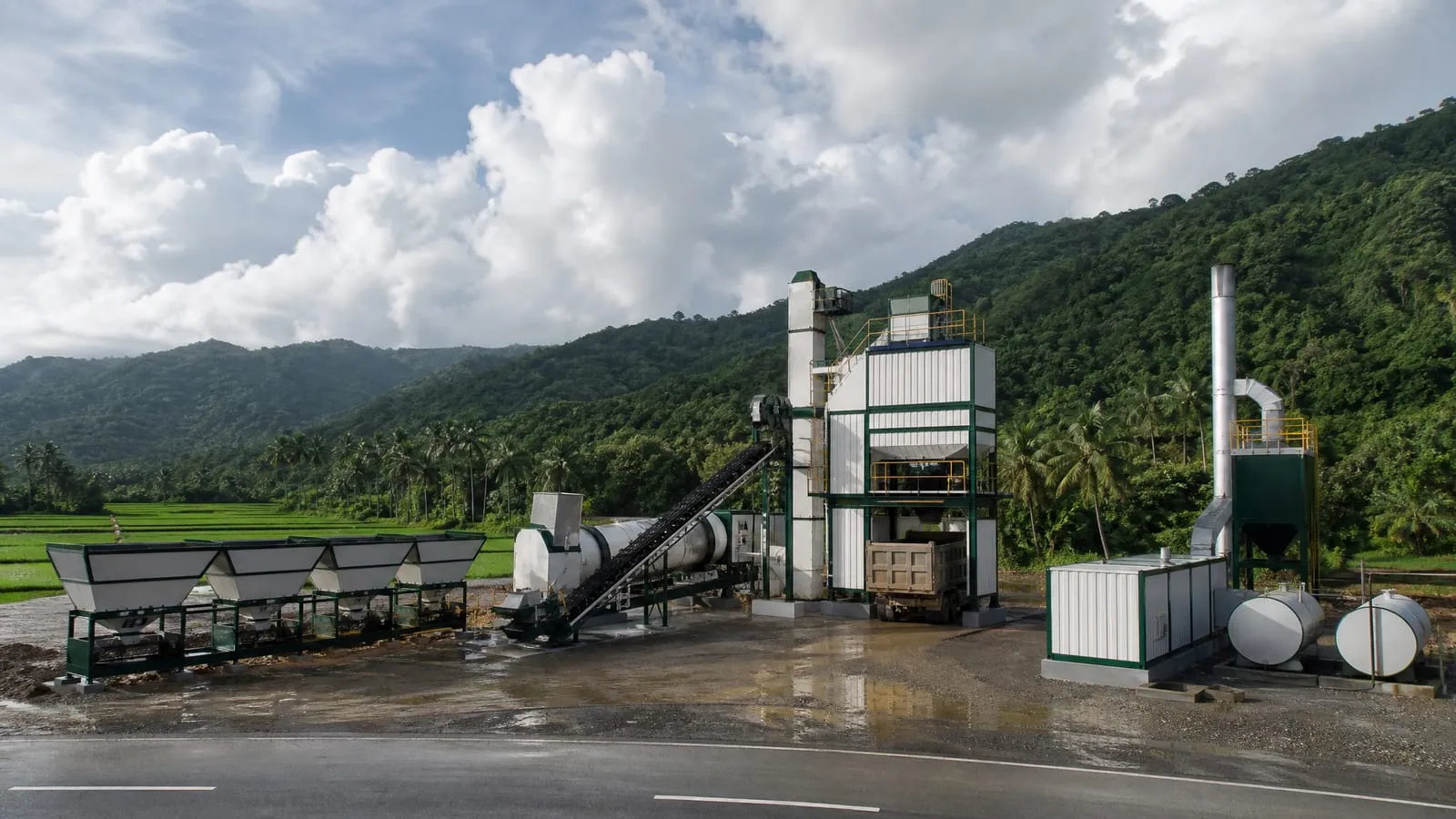
For Vietnamese expressway packages, a high-capacity stationary batch plant of 200–400 t/h, or several mid-size plants along the corridor, is the usual starting point. A containerized plant suits remote lots; a mobile plant suits maintenance.
Vietnam at a glance for plant buyers
| Topic | What to know | What it means for the plant |
|---|---|---|
| Expressway goal | 5,000 km by 2030 | Sustained demand for large plants |
| Progress | 2,242 km (Ministry of Construction, May 2025); 3,803 km in operation incl. access roads by end-2025 (later report) | Sources count differently |
| Remaining | One report: about 700 km to build and open in 2026–2030 | A smaller remaining pipeline |
| Climate | Tropical, heavy rain | Dry the aggregate; cover stockpiles |
| Geography | Long, narrow country | Plan haul distance; mid-size plants near lots |
| Power | 50 Hz; confirm voltage by site | 50 Hz motors; generator where the grid is weak |
What the figures say
Vietnam’s Prime Minister has said the country must build about four times as much as in the previous 20 years to reach 5,000 km of expressways by 2030. The Ministry of Construction put the network at 2,242 km in May 2025; a later report cites 3,803 km in operation by the end of 2025, including access roads, which likely counts differently. One Ministry-based report said only around 700 km would need to be built and opened between 2026 and 2030. Expressway packages are large, so the remaining pipeline is smaller than before but concentrated. I did not find national highway or asphalt-volume totals.
Choosing the plant
| Job | Starting point |
|---|---|
| Large expressway package | Stationary batch RMX-B240–B400 or several RMX-B160 |
| Remote lot | Containerized RMX-C240 |
| Maintenance | Mobile RMX-M120 |
Haul distance and moisture
On long corridors, check haul time — see how far hot mix can travel — and size the drum for wet-season moisture — see hot and humid climate.
Next steps
Send us your tonnage, schedule and location and we will propose a configuration.
Sources: Ministry of Construction (May 2025); press reports (2025).