Short answer: Haul distance is limited by temperature, not kilometers: the mix must still be hot enough at the paver to spread and compact. Many contractors treat one to two hours from loading to unloading as the practical limit for standard mixes, and less in cold or windy weather or thin layers. On long roads, moving a mobile or containerized plant closer beats long hauls.
The useful haul also depends on the mix itself, the weather and how well the truck keeps heat.
What shortens the safe haul
| Factor | Effect |
|---|---|
| Cold or windy weather | Mix cools faster |
| Thin layers | Less mass to hold heat |
| Uncovered trucks | Heat loss and crusting |
| Waiting at the paver | Adds to the cooling time |
| Heavy traffic | Longer, less predictable trips |
| Specification | Sets minimum temperature at the paver |
A rule of thumb
Many contractors treat one to two hours from loading to unloading as the practical limit for standard hot mix. Mix design, weather and the specification can move that either way, so confirm with your mix designer.
What it means for trucks
Round-trip time drives the truck count: trucks = output × round-trip time ÷ payload, plus a spare. For a plant making 90 t/h with 20 t trucks, a 30-minute cycle needs about 4 trucks, a 60-minute cycle about 6 and a 90-minute cycle about 8 including a spare. Use the capacity calculator for your numbers.
Where to put the plant
- Draw the road and the main supply points: aggregate, bitumen, fuel, water.
- Place the plant so most of the road is within the safe haul time.
- For long roads, consider moving the plant along the corridor — see stationary vs mobile vs containerized and moving a containerized plant.
- Check access: roads for trucks, space for stockpiles, power and water. The site layout guide lists them.
A mobile plant on a corridor
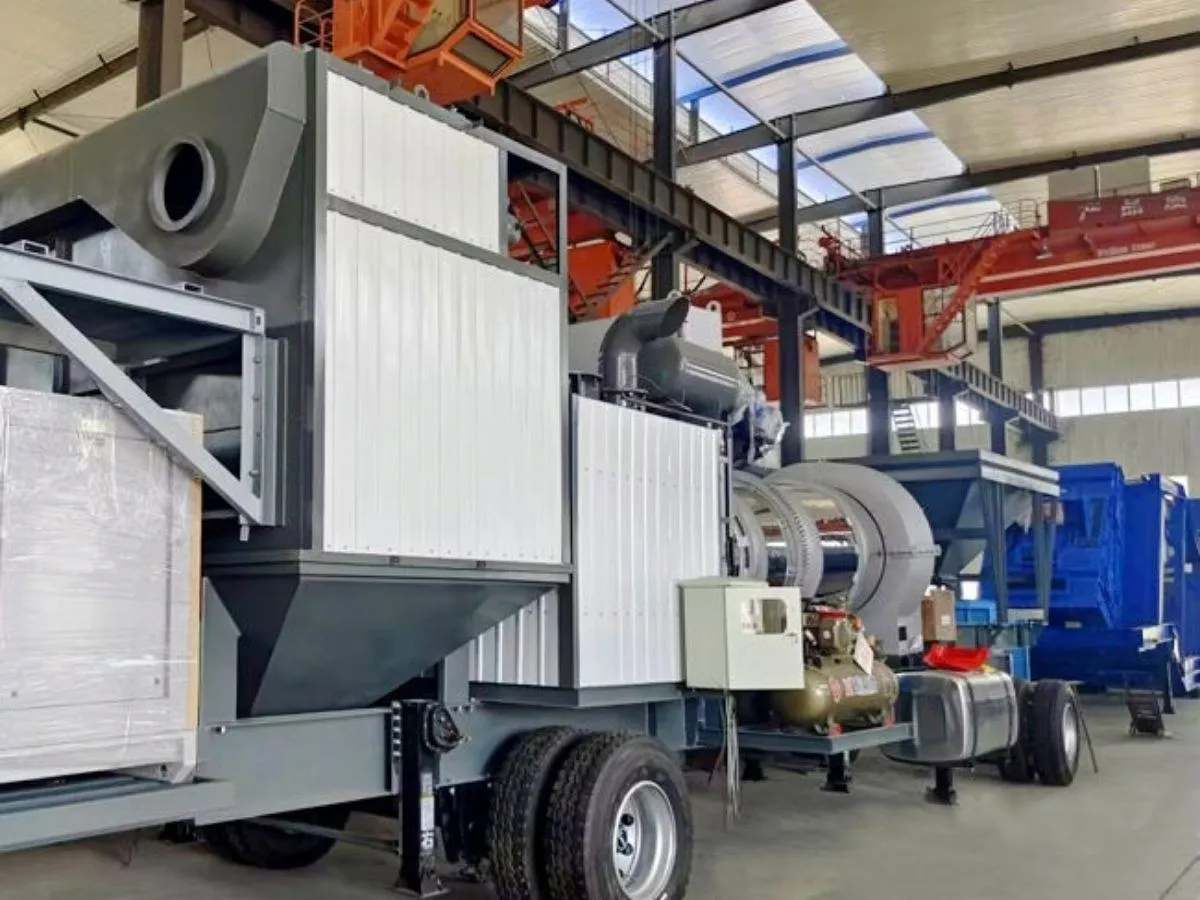
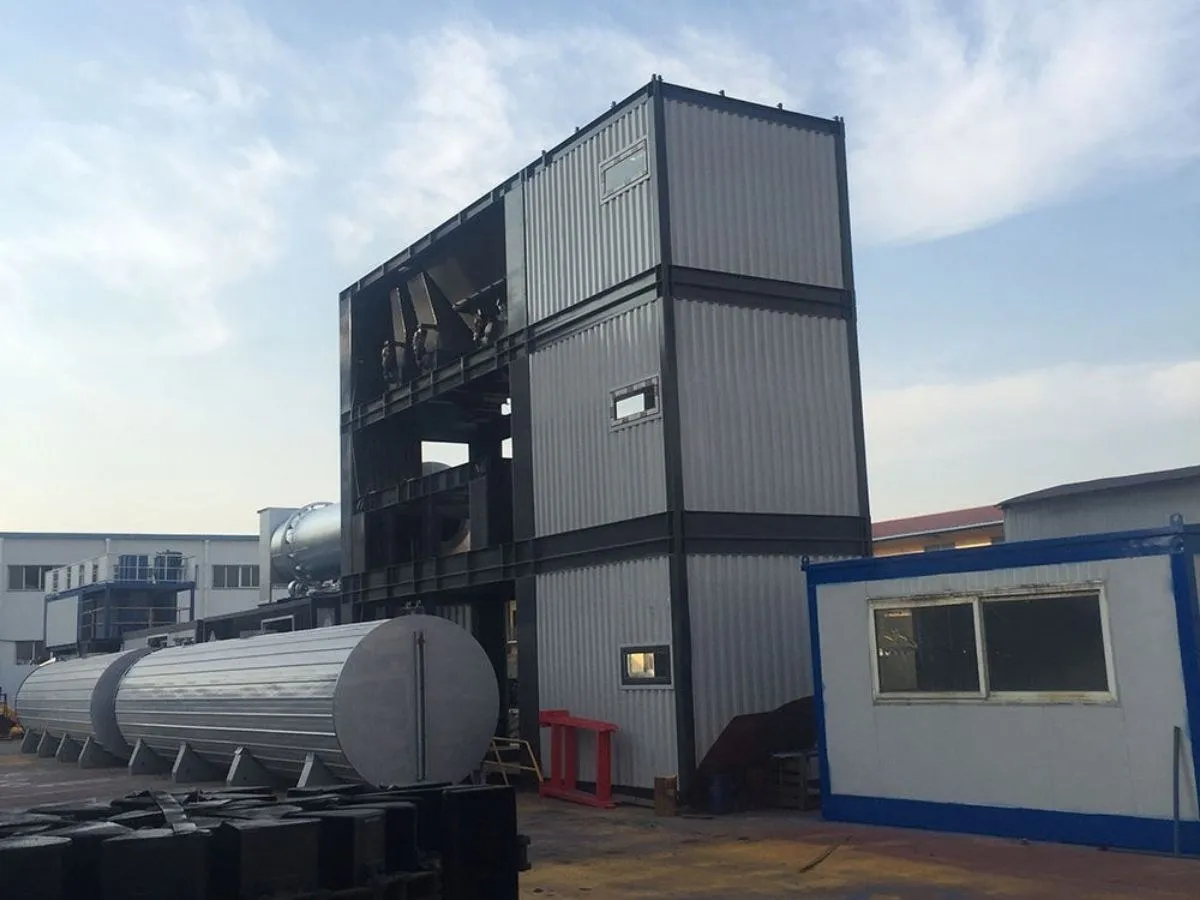
When the haul would exceed the limit, a mobile or containerized plant lets you re-set closer to the work. The cost of moving is often lower than the cost of extra trucks and cold mix.
Send us the road length and supply points and we will suggest plant locations and truck numbers.