The short answer
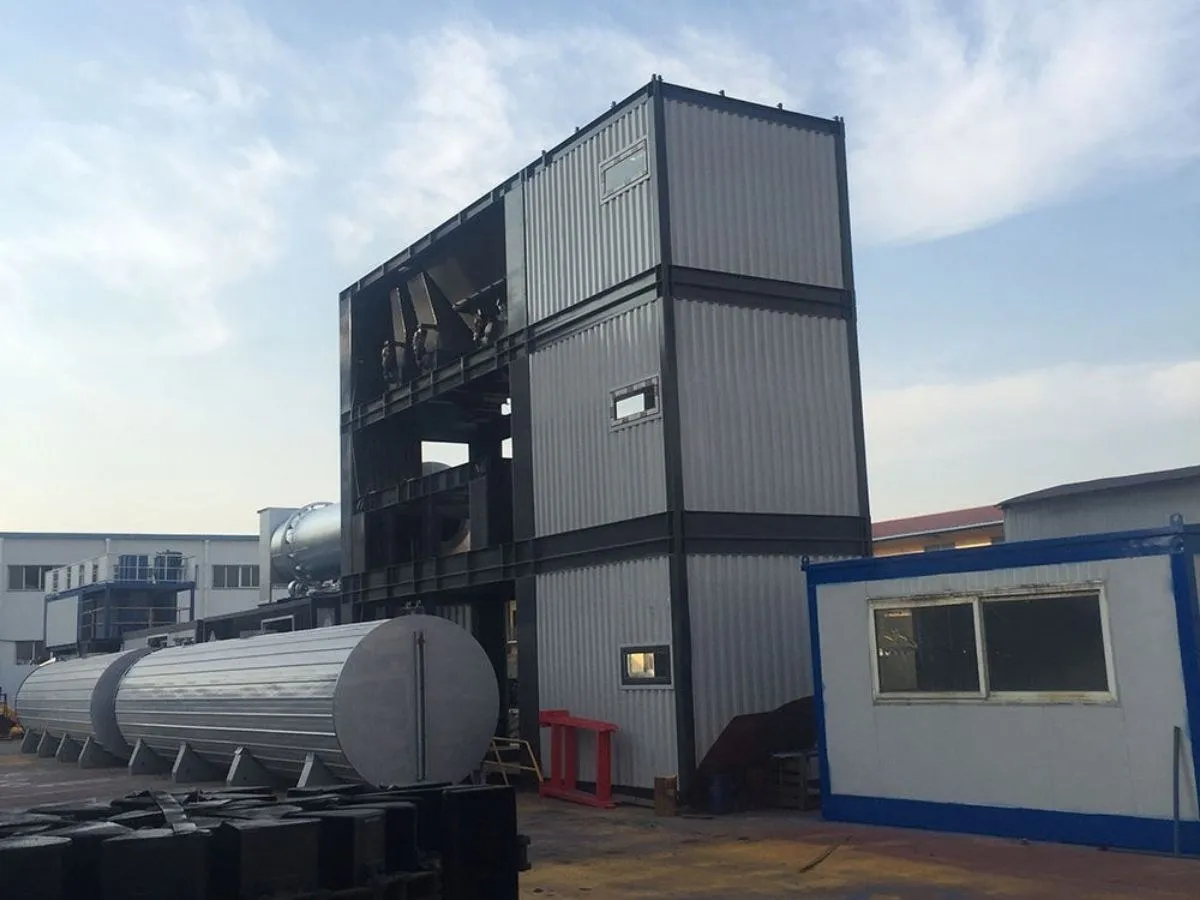
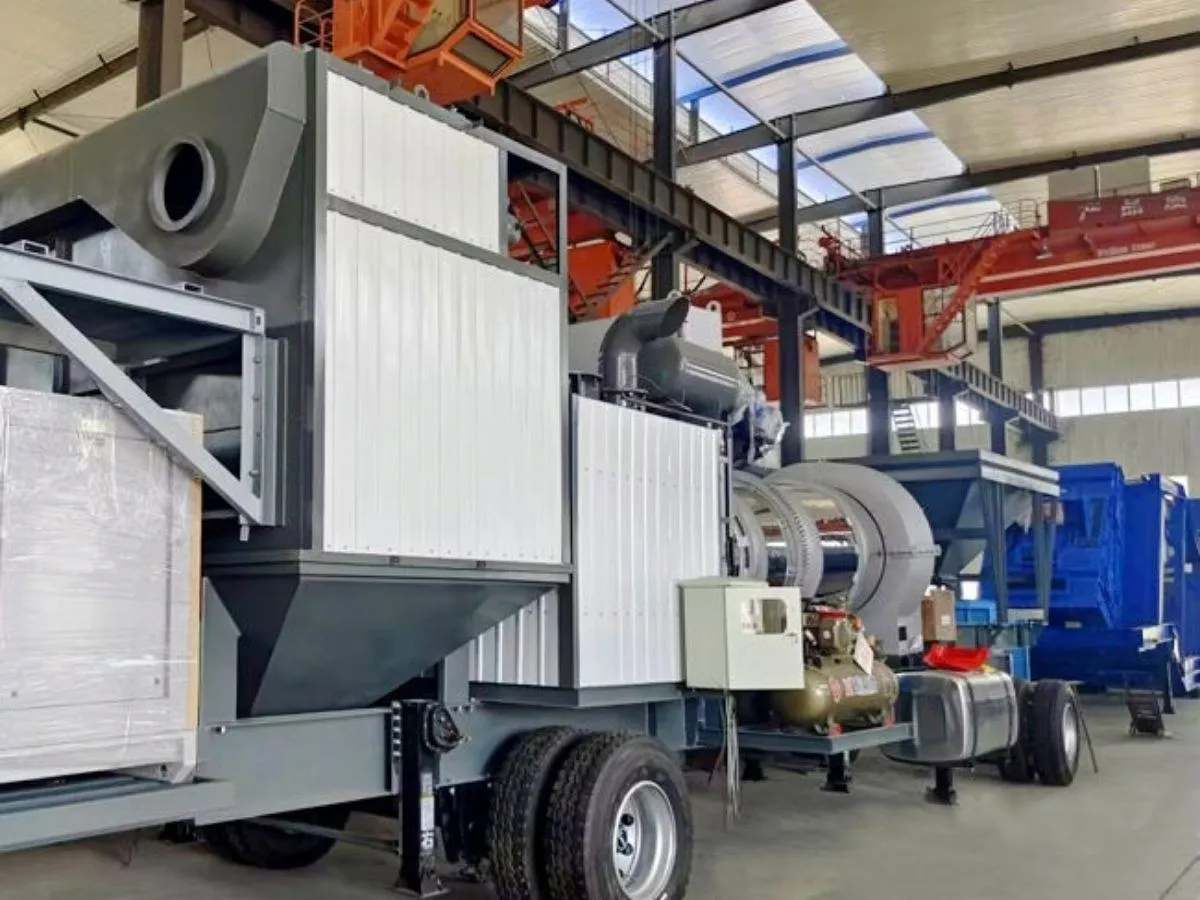
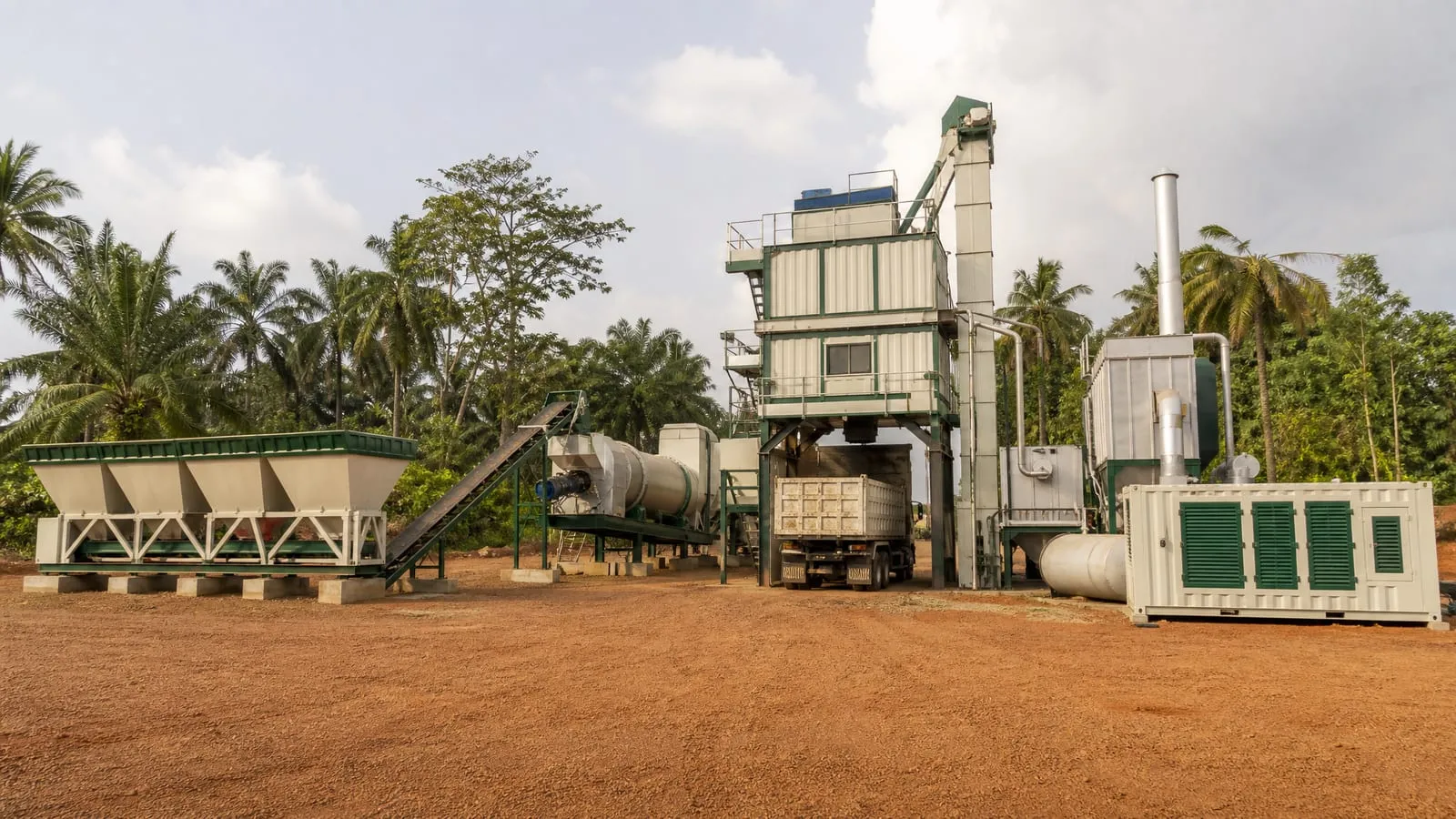
For Zimbabwean road work, a mobile or containerized batch plant of 60–120 t/h is the usual starting point, with payment terms and currency settled before the order. A mobile plant or containerized plant moves between road authorities; a stationary plant suits a municipal or commercial base.
Zimbabwe at a glance for plant buyers
| Topic | What to know | What it means for the plant |
|---|---|---|
| Funding | ZINARA disburses to 94 road authorities | Many small and medium clients |
| 2024 output | ZINARA claims 37,000 km of roadworks, ZWG 4.7 billion disbursed | Mostly maintenance, much of it gravel and patching |
| Network | About 98,000 km; about 18% sealed (one source) | Large rehabilitation backlog |
| Access | Landlocked; regional ports, then road | Container-sized modules |
| Power | 50 Hz; grid can be weak | Plan a generator |
What the figures say
ZINARA says it disbursed ZWG 4.7 billion to road authorities in 2024 and that 63 of the 94 authorities drew their full allocations, against about 20 in 2023. It also reports 37,000 km of roads maintained, above its 30,000 km target. The Emergency Road Rehabilitation Programme began in 2021 after roads were declared a national disaster; the 2025 phase was reported at ZWG 11.6 billion. Much of this reporting is from the agency or sponsored articles, and some projects have been questioned in the press, so use the numbers as context only.
Choosing the plant
| Job | Starting point |
|---|---|
| Rehabilitation lots for several authorities | Mobile RMX-M80 |
| Larger rehabilitation package | Containerized RMX-C120 |
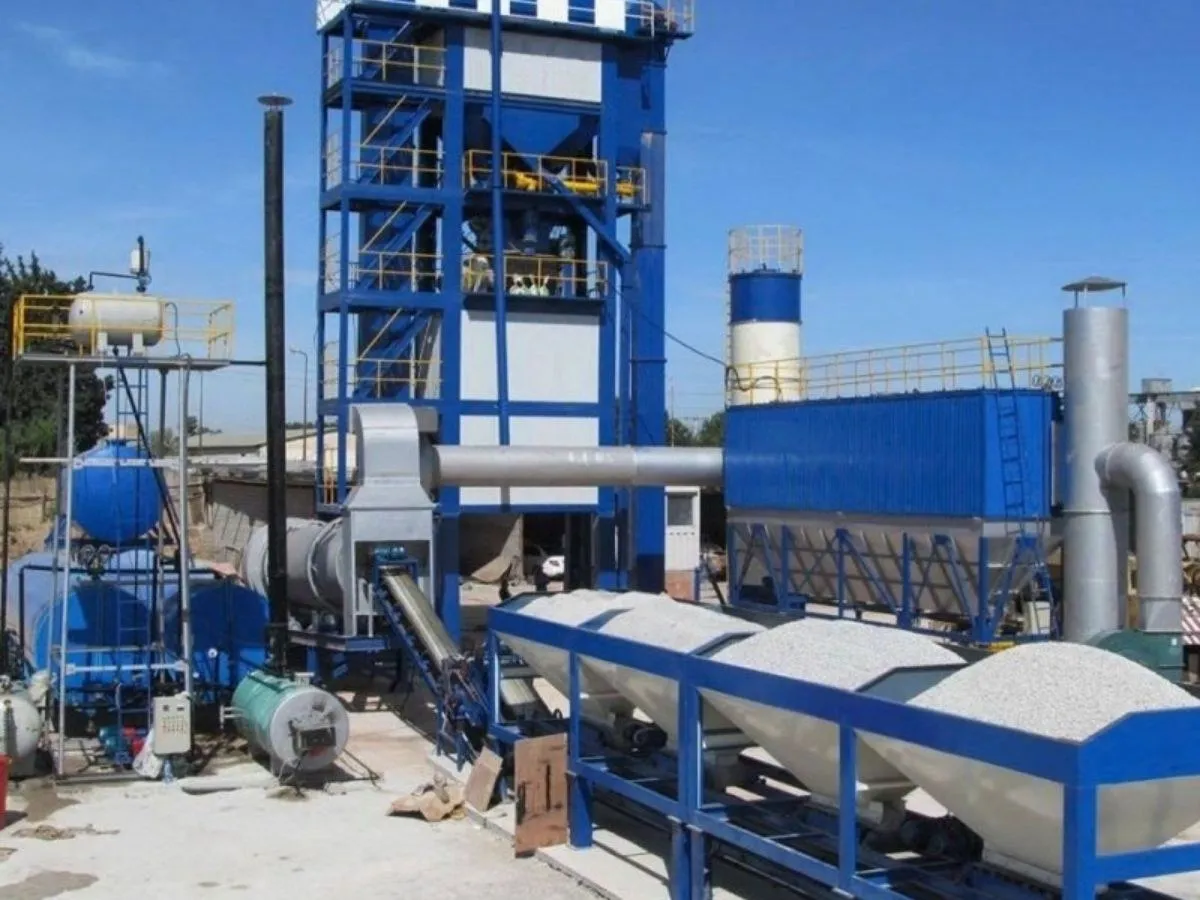
| Municipal or commercial base | Stationary batch RMX-B80 |
Payment and power
With money figures moving between currencies, agree terms and security before shipment (guide). Where the grid is unreliable, size a generator for the installed power (generator calculator).
Next steps
Send us your tonnage, area and fuel and we will propose a configuration.
Sources: ZINARA, reported by NewsDay (2024); AAroads wiki on the road network.