The short answer
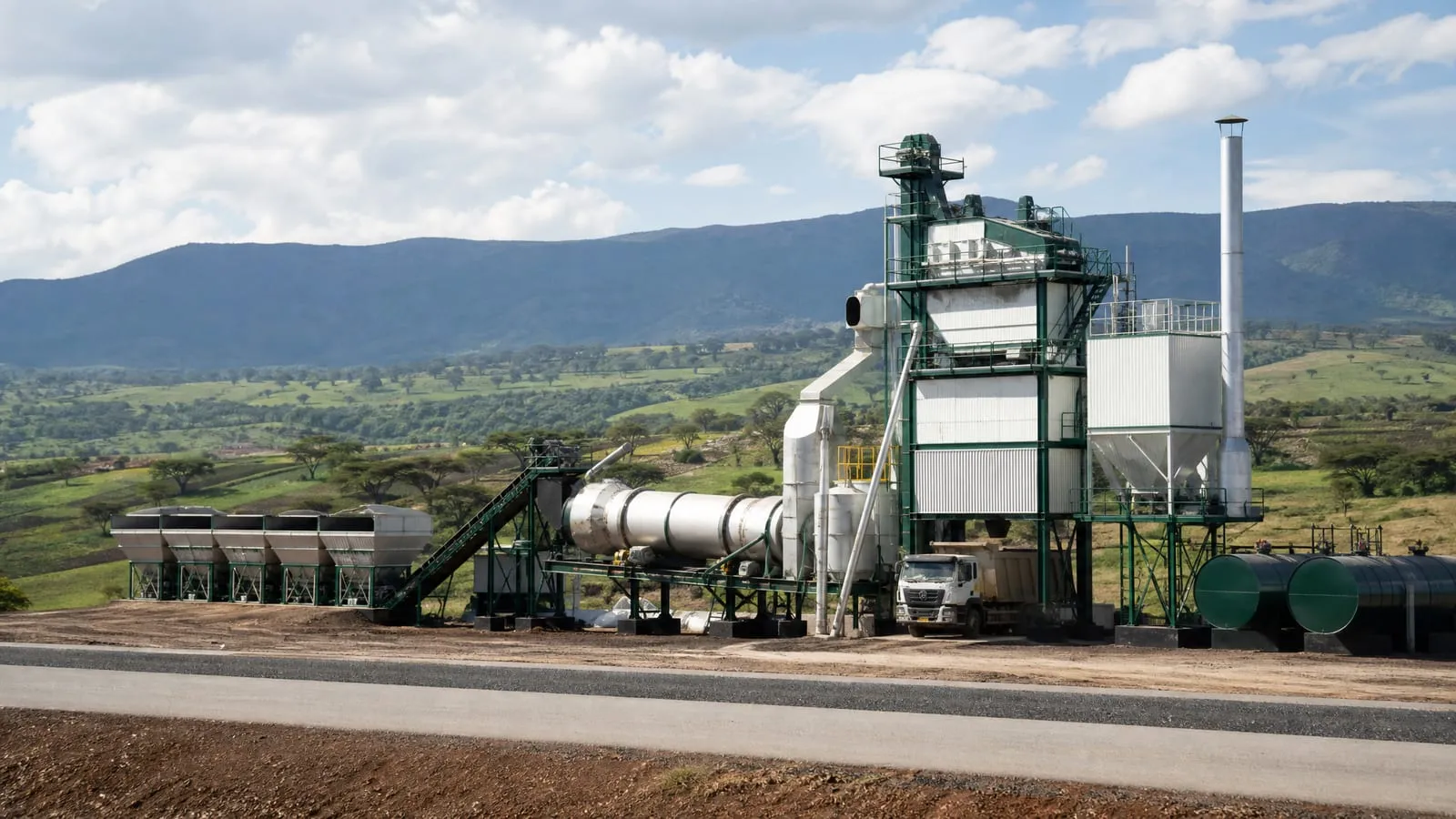
For Zambian road contracts, a batch plant of 80–160 t/h is the usual starting point, with the transit route planned before the order. A containerized or mobile plant suits contractors working across provinces; a stationary batch plant suits a commercial base.
Zambia at a glance for plant buyers
| Topic | What to know | What it means for the plant |
|---|---|---|
| Programme | Link Zambia 8000, launched 2012: 8,201 km planned in three phases | Large past programme; check current status |
| Baseline | Over 40,000 km of roads, about 8,200 km tarred (older figure) | Much unpaved road to upgrade |
| Agency | Road Development Agency (RDA) | Contract-specific specifications |
| Access | Landlocked; regional port, then road or rail | Container-sized modules; plan transit |
| Power | 50 Hz; confirm voltage by site | 50 Hz motors; generator where the grid is weak |
What the figures say
Link Zambia 8000 was launched in 2012 and planned to build or upgrade 8,201 km of roads in three phases over about five years; sources differ on its cost, and later accounts say that under Phase I 3,947 km were built, with 678 km opened to traffic. The dates of these reports are unclear and I found no 2025 status report. An older figure in an RDA-related publication gives over 40,000 km of roads, of which only 8,200 km were tarred. Use these only as history, and ask the agency for current data.
Choosing the plant
| Job | Starting point |
|---|---|
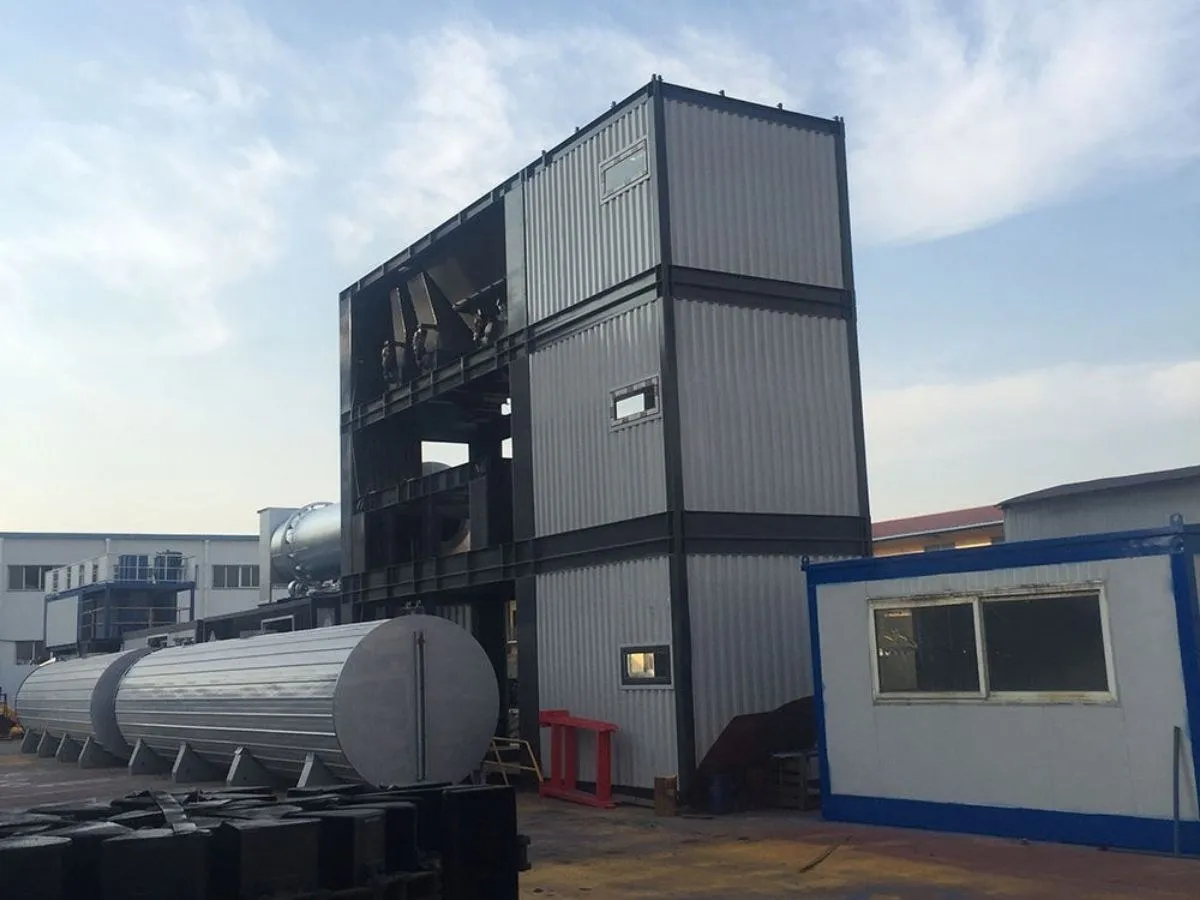
| Programme lots in several provinces | Containerized RMX-C120 |
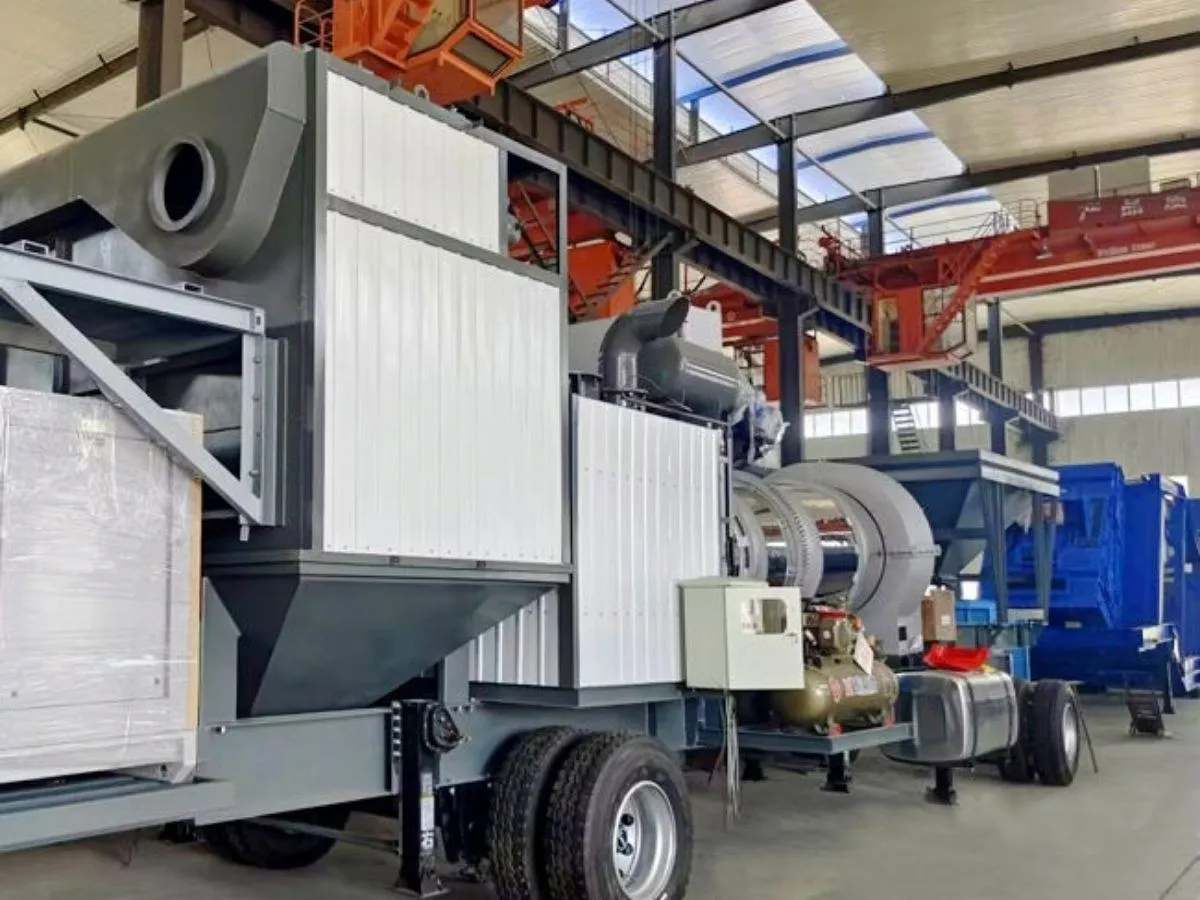
| Maintenance | Mobile RMX-M80 |
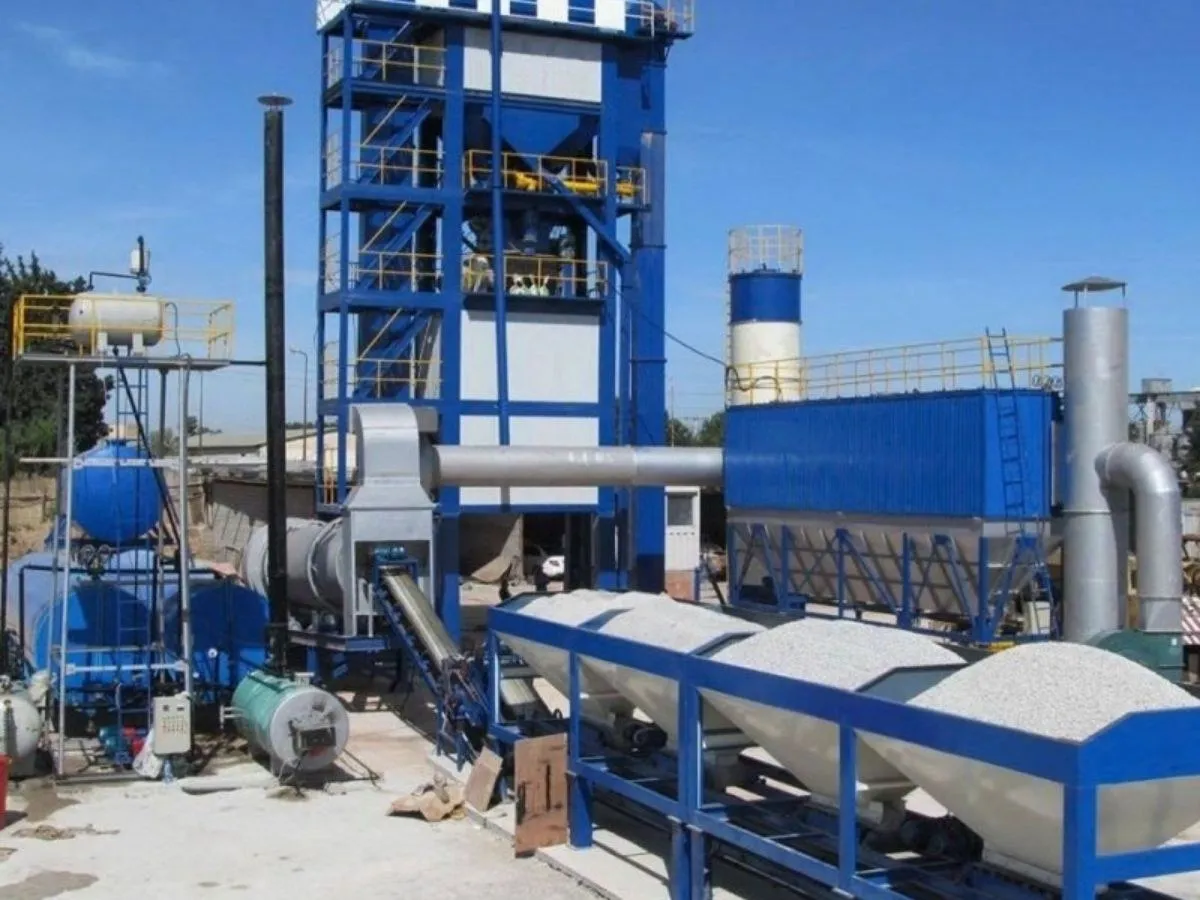
| Commercial plant near a city | Stationary batch RMX-B120 |
Landlocked logistics
Plan the port, transit time, customs, and the heaviest piece against road limits. See the shipping checklist and import documents for Africa.
Next steps
Send us your tonnage, province and fuel and we will propose a configuration.
Sources: Road Development Agency-related publication (undated); press reports on Link Zambia 8000.