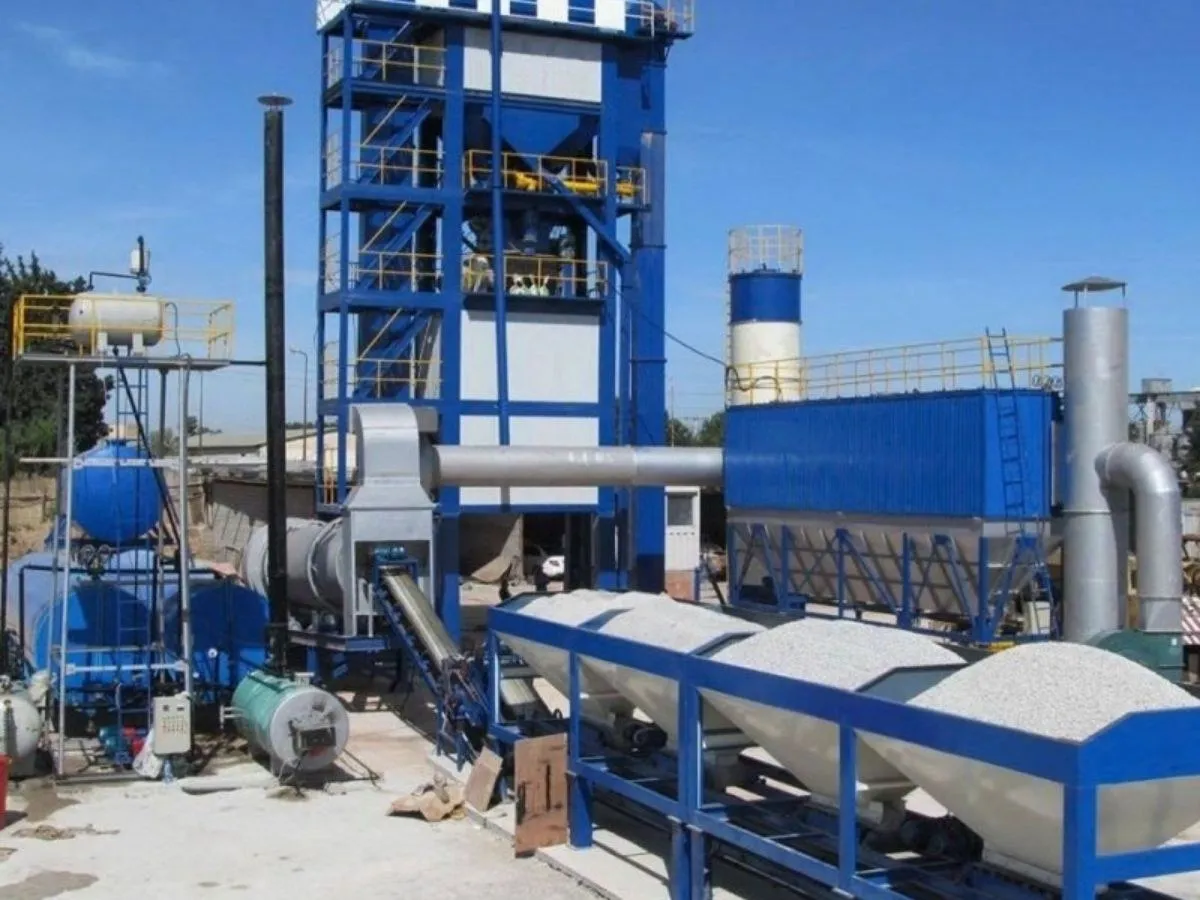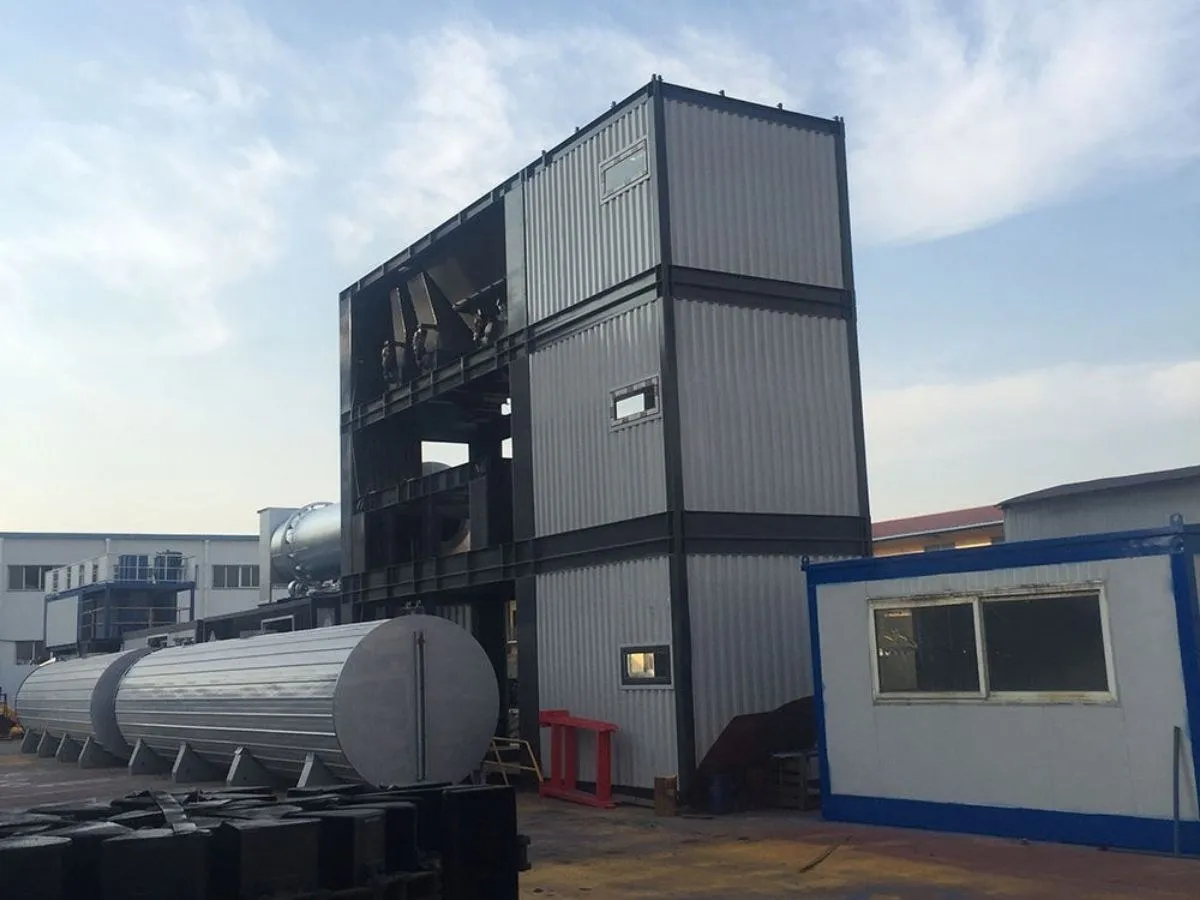
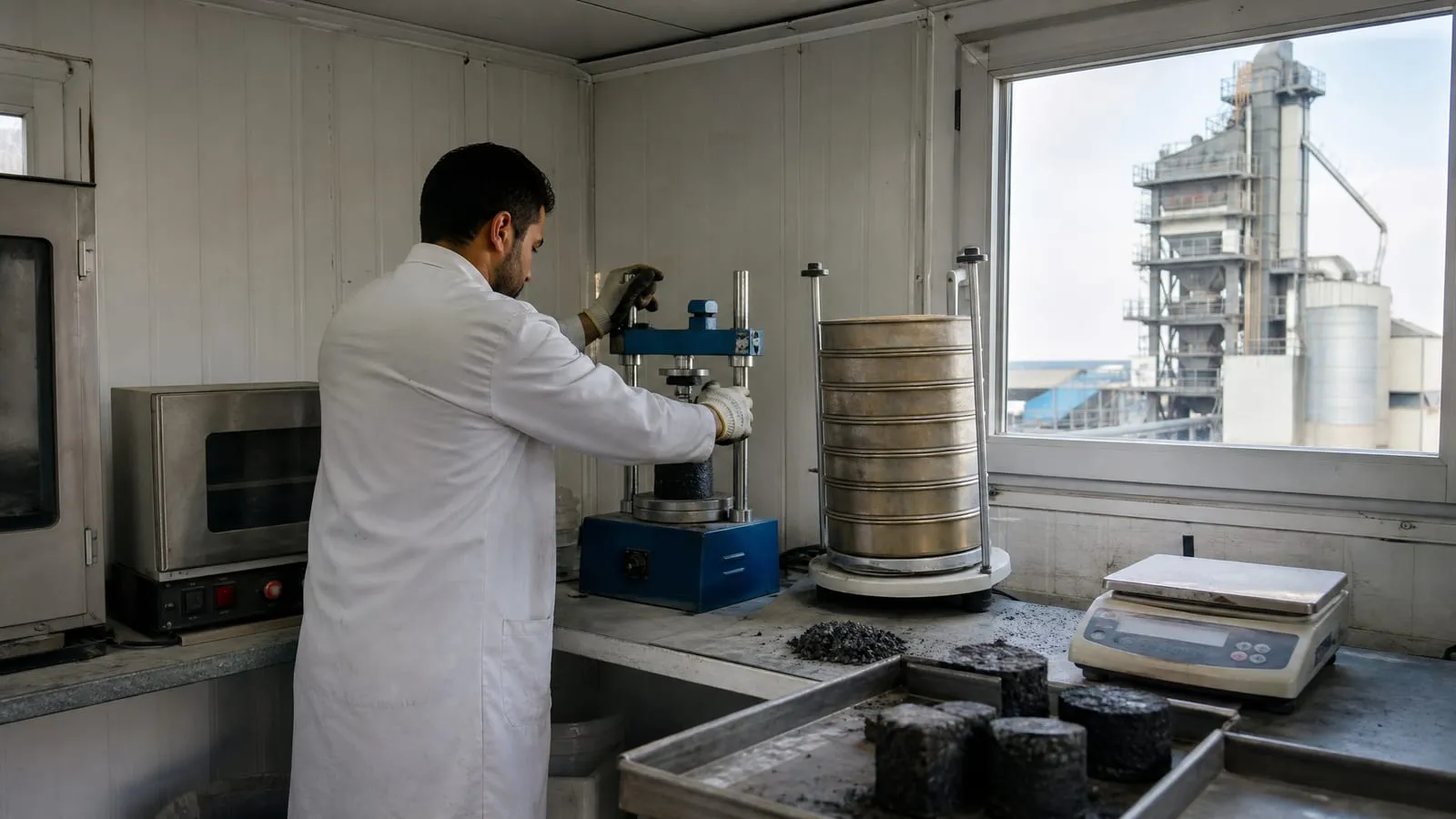
Short answer: Dense-graded mix runs on a standard setup, but SMA needs a fiber feeder, accurate filler weighing, longer mixing and often a modified binder tank, and open-graded mixes need tight temperature control against drain-down. Base courses need screens and bins for the largest stone. Decide your mix list first; a batch plant suits SMA and frequent mix changes.
Each asphalt mix type places different demands on the plant. Knowing which mixes you will produce — and in what share — is the starting point for configuring bins, screens, feeders, tanks and storage.
The main mix types
| Mix | What it is | Typical use |
|---|---|---|
| Dense-graded asphalt concrete | Continuous gradation, low air voids | Wearing, binder and base courses on most roads |
| Stone mastic asphalt (SMA) | Gap-graded stone skeleton with rich mastic of binder, filler and fibers | Heavily trafficked roads, durable surfaces |
| Open-graded / porous | Few fines, high voids for drainage | Drainage and noise-reducing surfaces |
| Base course mixes | Larger maximum aggregate size | Lower pavement layers |
| Modified-binder mixes | Polymer or other modified binders | High loads, hot climates, airports |
| RAP mixes | Include reclaimed asphalt | Where specifications allow recycling |
Names and gradation limits vary by country — for example AC-WC, AC-BC and AC-Base in Indonesia’s Bina Marga specification, or Section 423 mixes in Peru’s EG-2013.
What each mix asks of the plant
| Mix | Plant requirements |
|---|---|
| Dense-graded | Standard setup; good calibration and temperature control |
| SMA | Fiber feeder; accurate filler weighing for high filler content; modified binder tank; longer wet mixing; anti-drain-down practice in silos |
| Open-graded / porous | Tight temperature control to avoid drain-down; careful storage time |
| Base course | Screen decks and bins for the largest stone; robust mixer |
| Modified binder | Heated tank suited to the binder, sometimes agitation; higher temperatures — see PMB requirements |
| RAP mixes | RAP feed or separate RAP drum; rejuvenator dosing if specified — see RAP percentage limits |
Batch or drum for your mix range?
| Mix range | Usually best |
|---|---|
| One dense-graded mix for long periods | Drum mix plant |
| Several dense-graded mixes daily | Batch plant |
| SMA, porous or modified mixes regularly | Batch plant |
| Commercial supply of many mixes | Batch plant with silos |
See when a drum plant is enough.
Output by mix
Longer mixing times for SMA and modified mixes reduce batches per hour — see cycle time. Plan output for the slowest mix you produce in volume.
Send us your mix list and we will configure the plant around it.