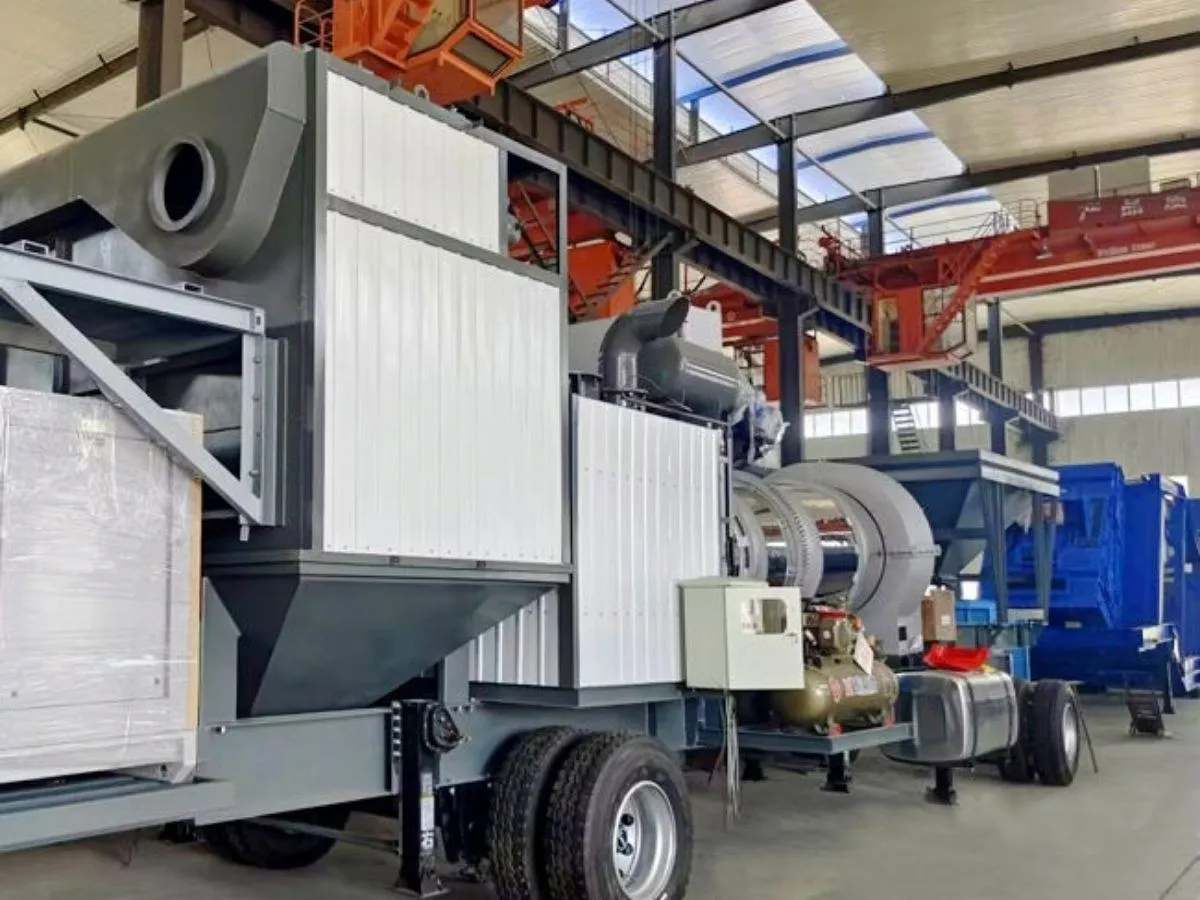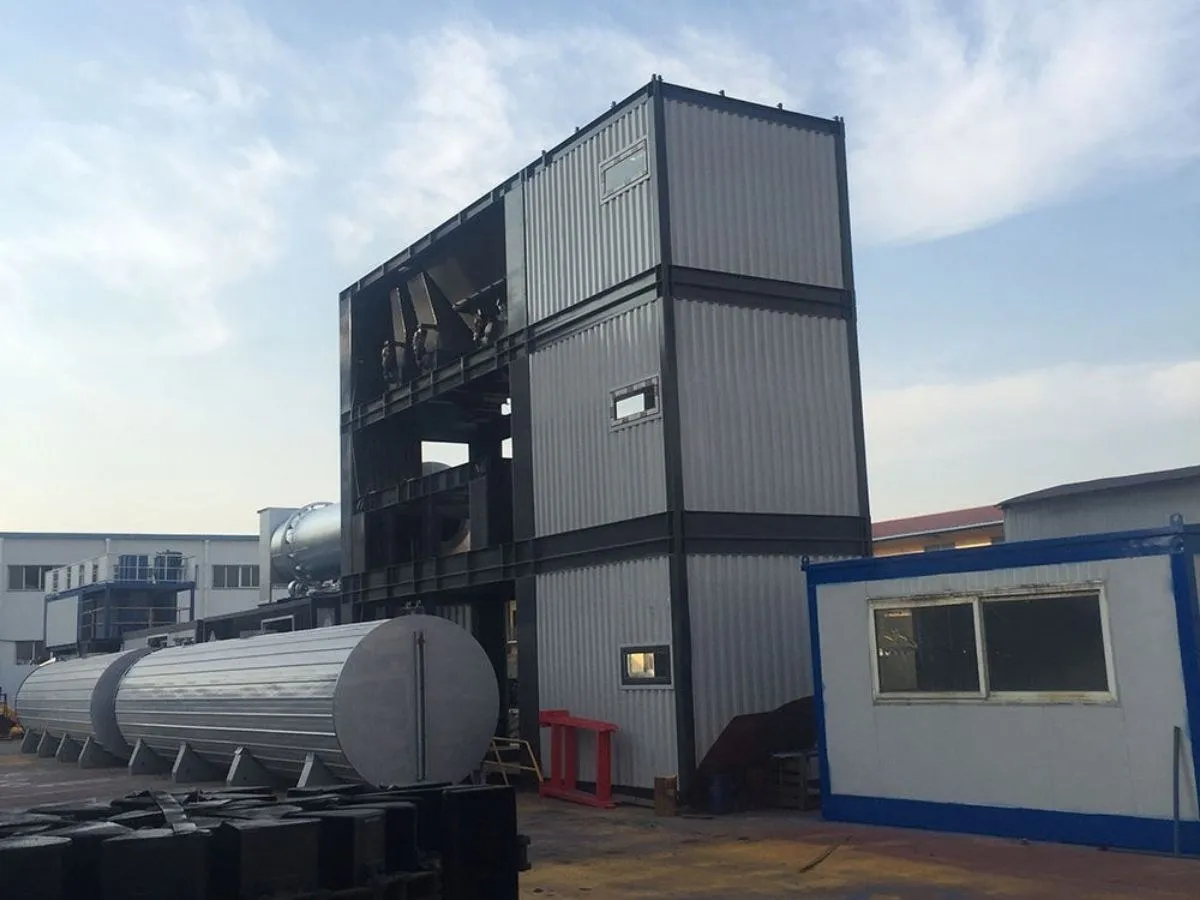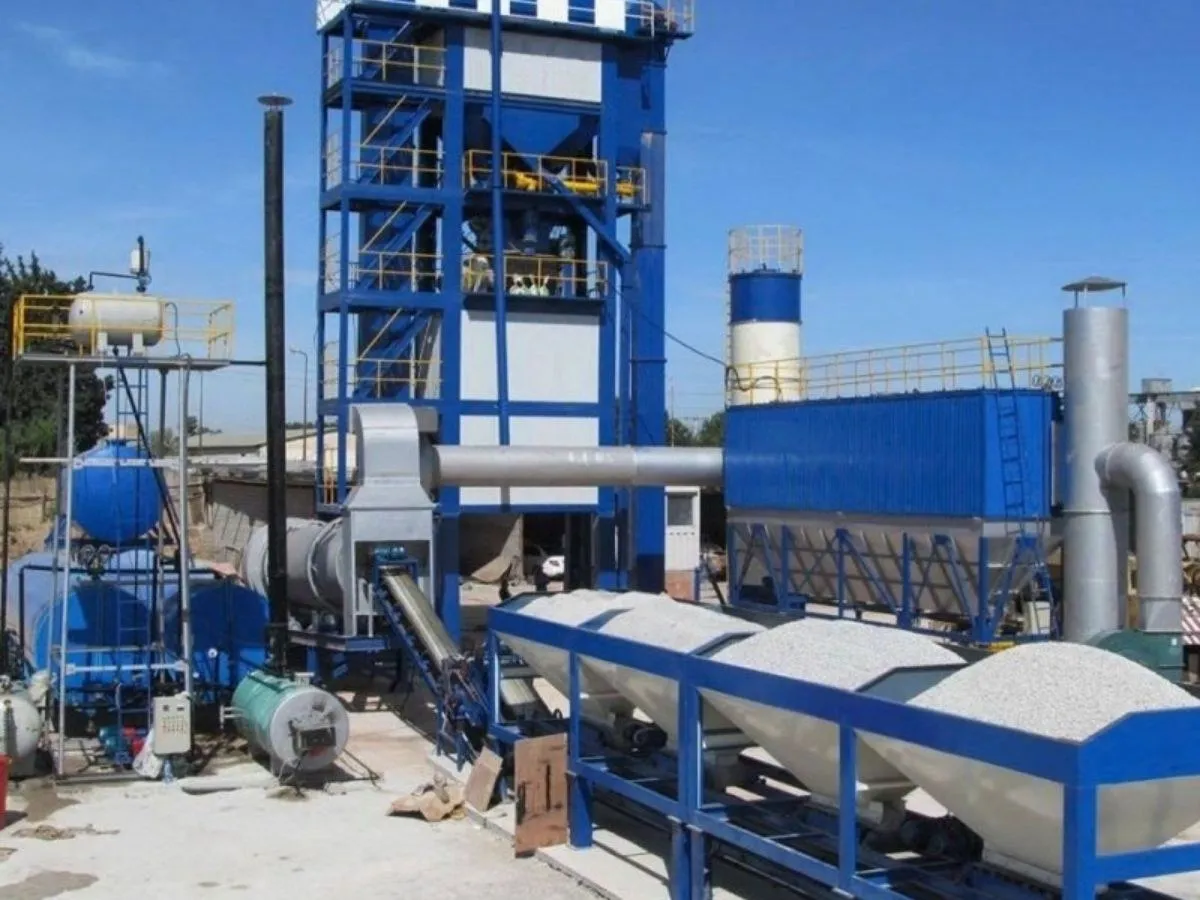
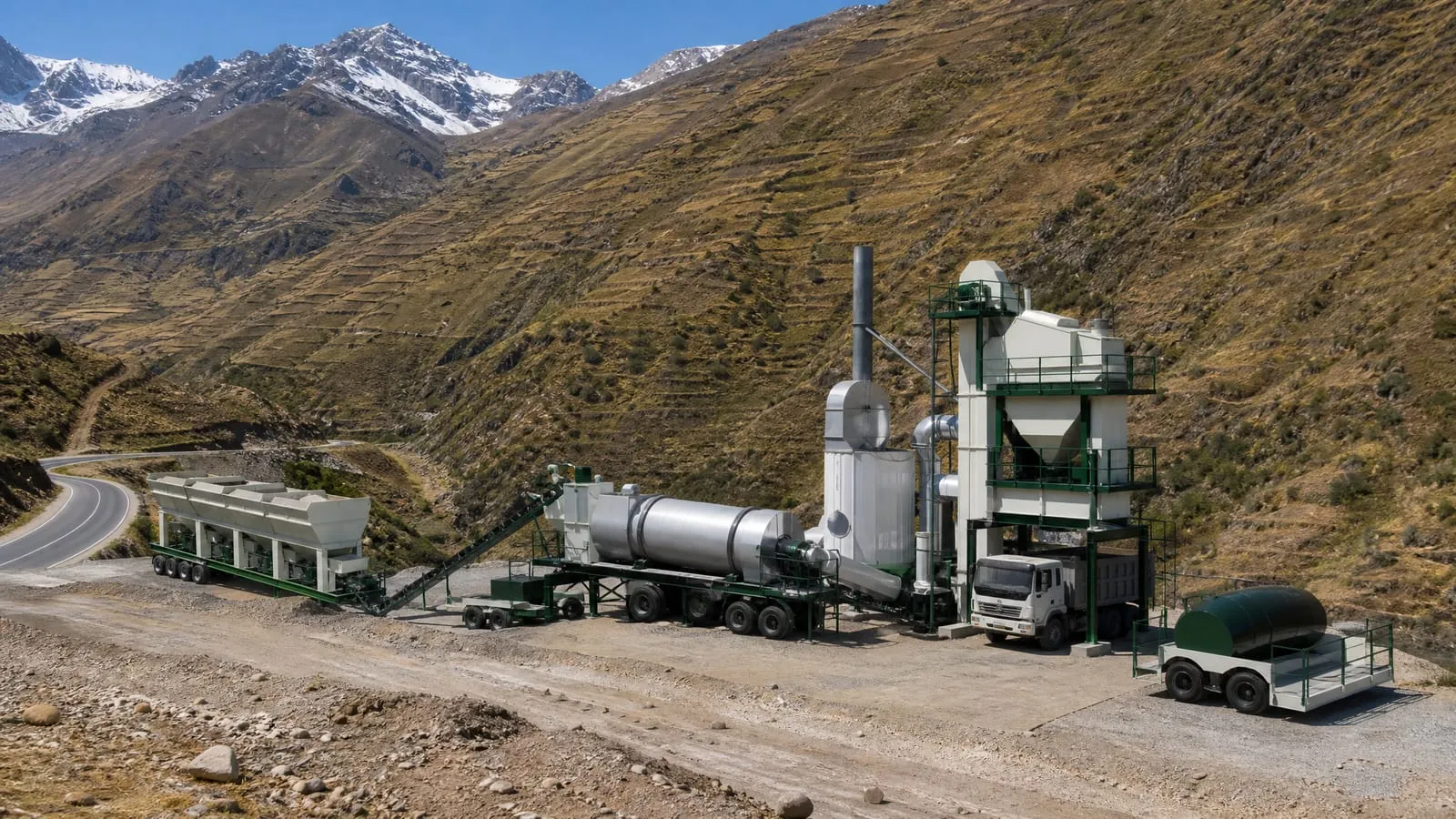
High altitude and cold weather both make it harder for a plant to heat aggregate and move exhaust gas. Both can be handled — if the plant is configured for them from the start.
Altitude: thinner air
| Elevation | Air density compared with sea level (approx.) |
|---|---|
| 0 m | 100% |
| 1,000 m | about 91% |
| 2,000 m | about 82% |
| 3,000 m | about 74% |
| 4,000 m | about 67% |
Approximate values for a standard atmosphere; actual density also depends on temperature.
| Effect | Configuration |
|---|---|
| Less oxygen per cubic meter of air | Burner and combustion air fan sized for elevation |
| Exhaust fan moves less mass | Exhaust fan and baghouse sized for the larger gas volume |
| Generators and diesel engines lose power | Generator derated — see the generator calculator |
| Lower boiling point of water | Small effect on drying |
| People need to acclimatize | Plan crew schedules |
Give the supplier your exact site elevation. See our Peru buyer’s guide and Kenya guide for high-altitude markets.
Cold weather
| Effect | Configuration |
|---|---|
| Colder aggregate needs more heat | Burner capacity with margin |
| Heat loss from drum and tanks | Insulated drum shell, tanks and pipes |
| Bitumen hardening in lines | Heat tracing; thermal-oil system |
| Frozen water and air lines | Drains; heated enclosures; air dryers |
| Cold electronics and condensation | Heated cabinets and control room |
| Brittle steel at very low temperatures | Suitable steel and design where extreme cold is expected |
Short seasons
Cold regions — and many high-altitude ones — have short paving seasons:
- Size the plant with output headroom to catch up after bad weather
- Choose a containerized or mobile plant for faster installation and moves
- Keep a first-year wear-parts stock on site
- Follow a proper shutdown and restart routine — see off-season checklist
See Uzbekistan for a Central Asian example.
Tell us your site elevation and temperatures and we will size burner, fan and insulation for them.