The short answer
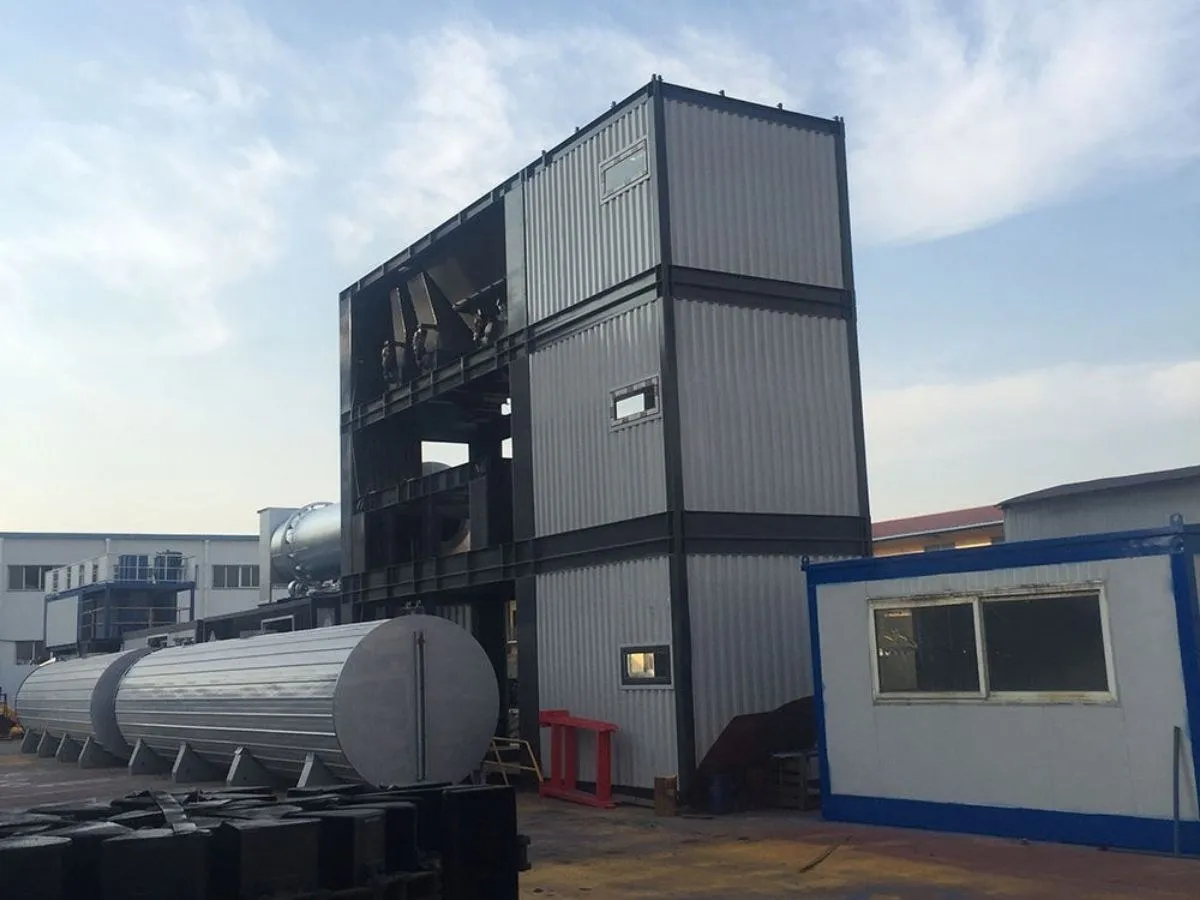
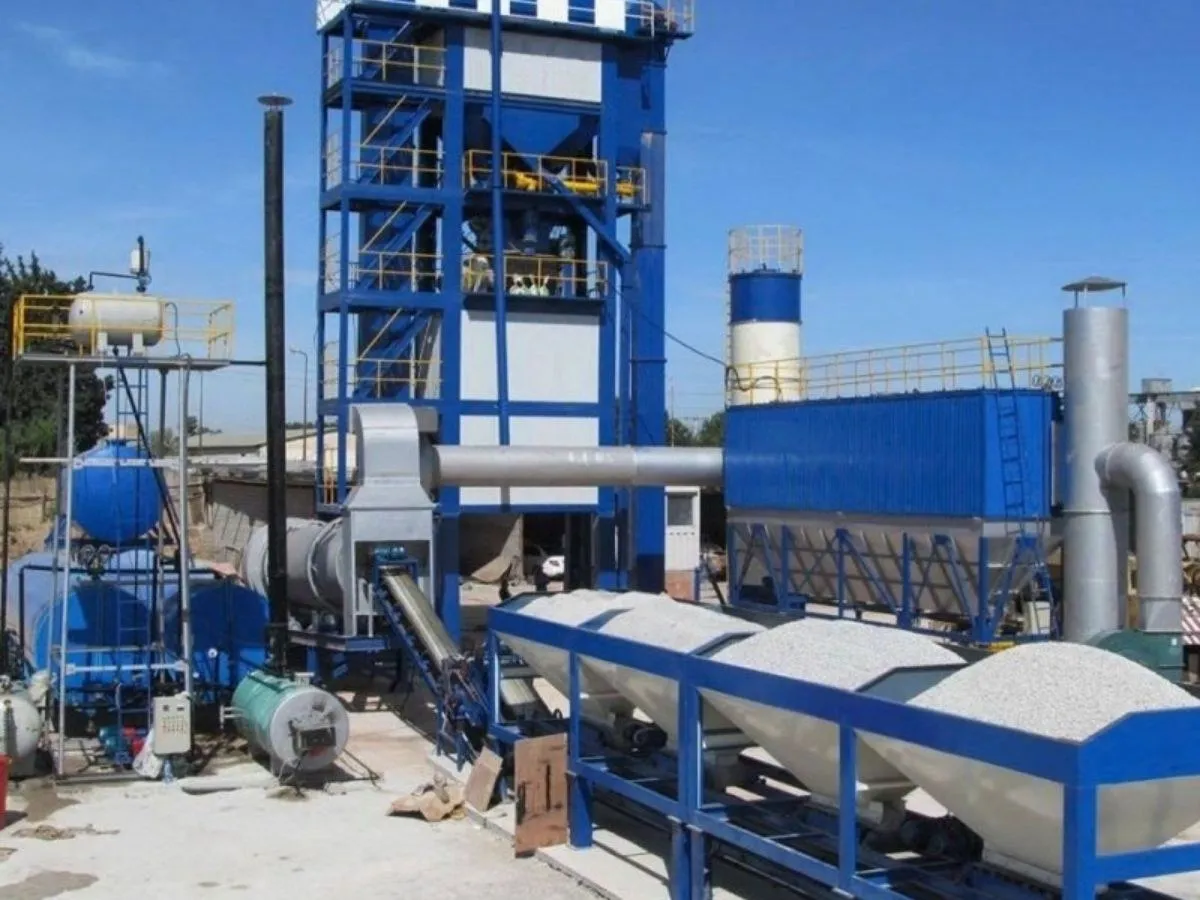
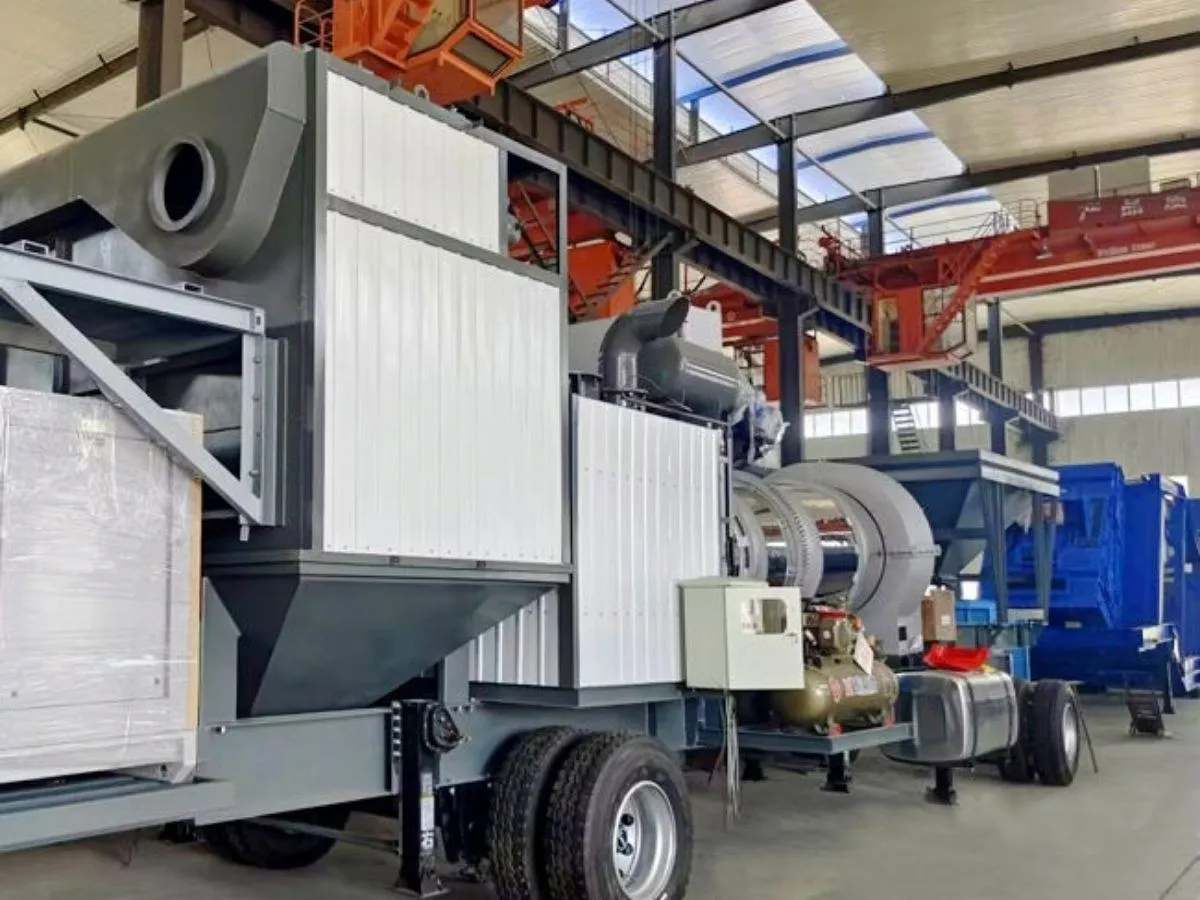
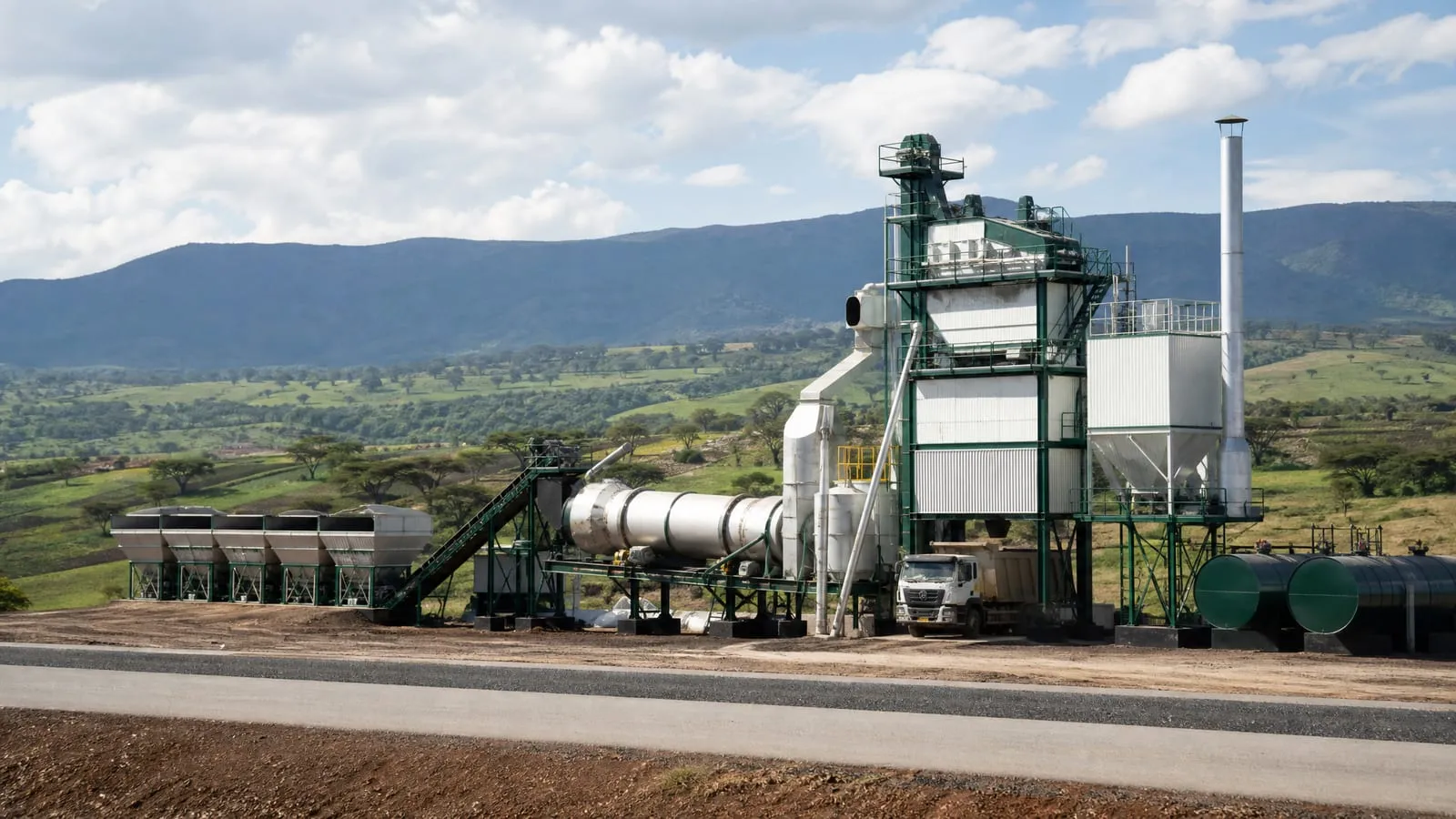
For Kenyan road contracts, a batch plant of 80–160 t/h with burner and fan sized for highland altitude is the usual choice — with the PVoC certificate planned before shipment. A containerized plant suits contractors following KeNHA, KURA or KeRRA contracts across counties; a stationary batch plant suits a commercial plant near Nairobi, Mombasa or another city; a mobile plant suits maintenance programs.
Kenya at a glance for plant buyers
| Topic | What to know | What it means for the plant |
|---|---|---|
| Import | KEBS PVoC: Certificate of Conformity before shipment for covered products | Appoint a PVoC agent early; share technical files |
| Port and corridor | Mombasa; Northern Corridor road and Standard Gauge Railway inland | Container-sized modules; check heaviest piece |
| Altitude | Nairobi and much of the highlands sit at roughly 1,500–2,000 m or higher | Burner and exhaust fan sized up |
| Climate | Long rains ~March–May, short rains ~October–December | Plan paving windows; dry the wet aggregate |
| Power | 50 Hz, 415/240 V | 50 Hz motors; generator where grid is weak |
| Agencies | KeNHA, KURA, KeRRA, county governments | Mix requirements set in each contract |
| Environment | NEMA environmental impact assessment license | Baghouse and stack data for the application |
PVoC: getting the Certificate of Conformity
The Kenya Bureau of Standards (KEBS) runs the Pre-Export Verification of Conformity (PVoC) program through appointed agents in exporting countries. For covered products, a Certificate of Conformity (CoC) is a mandatory customs document, and consignments arriving without it can be refused entry.
| Step | Who | Result |
|---|---|---|
| 1. Confirm whether the plant is covered and which standards apply | Importer with KEBS or a PVoC agent | Clear list of requirements |
| 2. Request for certification | Importer or exporter to the PVoC agent | Agent opens the file |
| 3. Documents, inspection and testing as required | Exporter (we prepare technical files and arrange inspection) | Agent’s assessment |
| 4. Certificate of Conformity issued | PVoC agent | CoC for customs in Kenya |
Machinery and spares imported by registered local manufacturers can be exempt. Because rules and agents change, confirm the current requirement before shipping.
Altitude: why Kenyan plants need a bigger burner and fan
At higher altitude the air is thinner: each cubic meter holds less oxygen, so a burner releases less heat for the same air flow, and the exhaust fan moves less mass. A plant sized for sea level can fall short of rated output in the highlands. For sites around Nairobi and higher, we size the burner and exhaust fan for the site altitude and adjust the burner on commissioning. The same applies to generators, which lose output with altitude.
Two rainy seasons
Kenya’s long rains (roughly March to May) and short rains (roughly October to December) shape the paving year. Plan:
- Main paving windows in the dry periods, with output headroom to catch up
- Drum and burner sized for wet-season aggregate moisture
- Roofed storage for sand and fines; drained stockpile areas
- A hot mix silo so production can continue through short showers
From Mombasa to site
Plants arrive through Mombasa. From there, cargo moves inland on the Northern Corridor highway or the Standard Gauge Railway toward Nairobi and Naivasha, then by truck to site. Containerized modules suit both road and rail. Check the packing list’s heaviest and largest items against road, bridge and rail limits, and plan the last kilometers to site — often on unpaved access roads.
Which plant type for which Kenyan project
| Project | Suggested plant |
|---|---|
| KeNHA highway section | RMX-C120 or RMX-C160 containerized batch |
| KURA urban resurfacing near a city | RMX-B120–B160 stationary batch with hot mix silo |
| KeRRA or county rural roads, one main mix | RMX-D60 or RMX-D80 drum mix |
| Maintenance programs moving between counties | RMX-M80 mobile batch |
Indicative prices are in the price guide.
Permits
An asphalt plant generally needs an environmental impact assessment license from NEMA, plus county permits. Your environmental consultant will confirm the requirements for the site. We provide the layout, baghouse and stack data, and fuel and power figures the application needs.
How Roadmixa supports Kenyan projects
We support Kenyan customers from China: configuration review before the order, technical files for PVoC, engineers on site for installation supervision, commissioning and training, and remote help by phone, WhatsApp and video afterwards. Spare parts ship by sea, or by air for urgent items. Training is in English. We do not have an office in Kenya.
What to include in your inquiry
- Output per hour and per day; mixes and the contract specification
- Site county and altitude
- Power: grid or generator; fuel available
- How long the plant stays at each site
- Aggregate source and moisture in the rainy seasons
- Who will handle PVoC and clearance
Sources
KEBS PVoC operations manual; US Department of Commerce — Kenya import requirements; mains electricity by country. Requirements change — confirm with KEBS, NEMA and your customs agent.