How the calculator works
The calculator above answers three questions for a road project:
- How much asphalt does the project need?
tons = length × width × thickness × density - What plant size in t/h will produce it in time?
t/h = tons ÷ (paving days × effective hours per day) × (1 + headroom) - How many trucks keep the plant running?
trucks = (hourly output × round-trip minutes ÷ 60) ÷ truck payload, rounded up
Choosing realistic inputs
| Input | Typical range | Notes |
|---|---|---|
| Compacted density | 2.30–2.45 t/m³ | Use your mix design value |
| Total thickness | 40–60 mm surface; 50–100 mm binder or base per layer | Add all asphalt layers |
| Paving days | Contract days minus rain and holidays | Rainy seasons cut paving days sharply in the tropics |
| Effective hours per day | 6–9 | Lower when trucks are few or recipes change often |
| Headroom | 20–30% | More if paving days are uncertain |
| Truck round trip | 30–120 min | Loading + haul + unloading + return |
Worked example
A contractor must pave 12 km of a 7.5 m road with 100 mm of asphalt (surface plus binder course) in 45 paving days, with 10 effective hours a day.
| Step | Result |
|---|---|
| Area | 12,000 m × 7.5 m = 90,000 m² |
| Volume | 90,000 × 0.10 = 9,000 m³ |
| Tonnage (2.35 t/m³) | about 21,150 t |
| Average demand | 21,150 ÷ (45 × 10) ≈ 47 t/h |
| With 20% headroom | ≈ 56 t/h → a 60–80 t/h plant |
| Trucks (20 t, 50-min round trip, ~56 t/h) | ≈ 3 trucks, so plan 3–4 |
If the same contract had to finish in 25 paving days, demand rises to about 101 t/h with headroom — a 120 t/h plant.
From result to plant choice
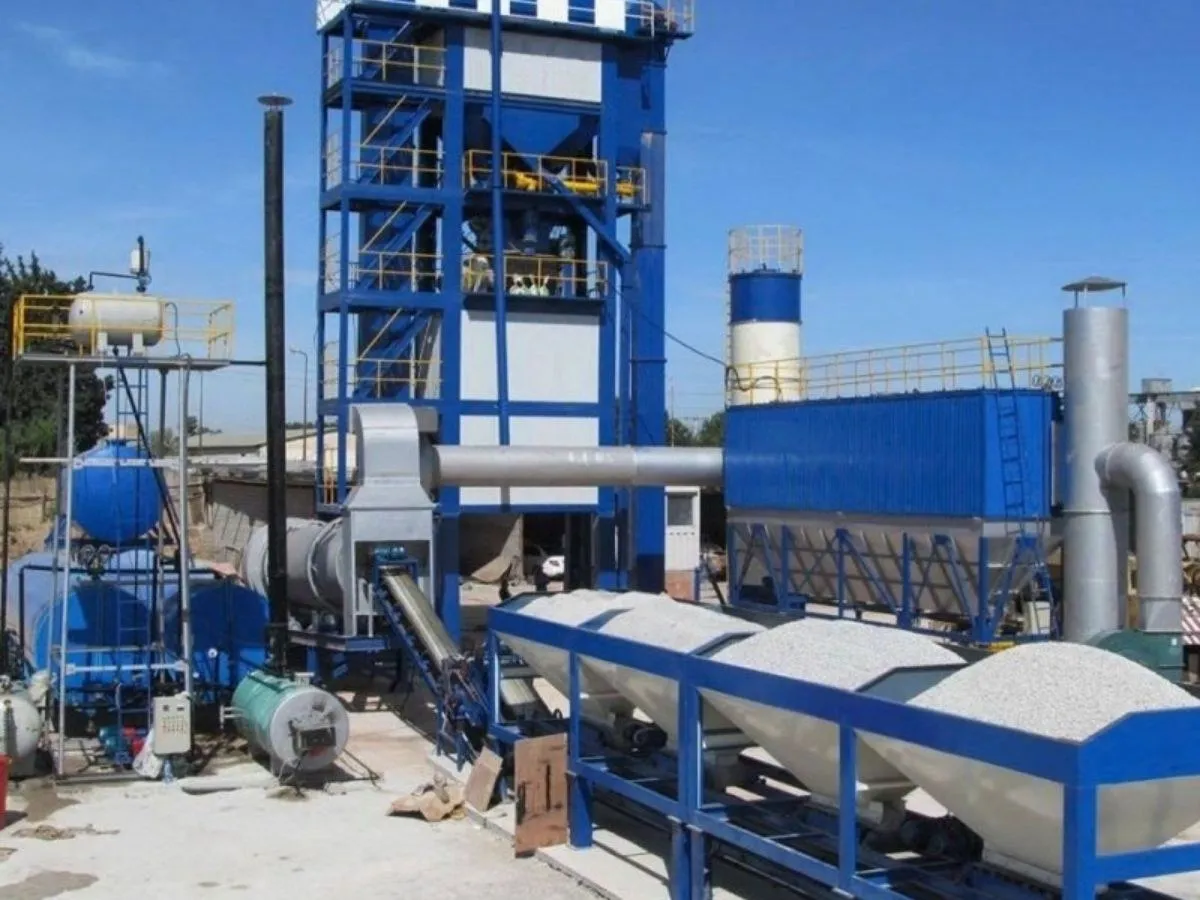
- Under 60 t/h: a 60 t/h plant — drum mix for one mix, batch for several
- 60–100 t/h: an 80 t/h plant
- 100–140 t/h: a 120 t/h plant
- 140–200 t/h: a 160 t/h plant
- Above 200 t/h: a 240 t/h plant or two smaller plants on separate fronts
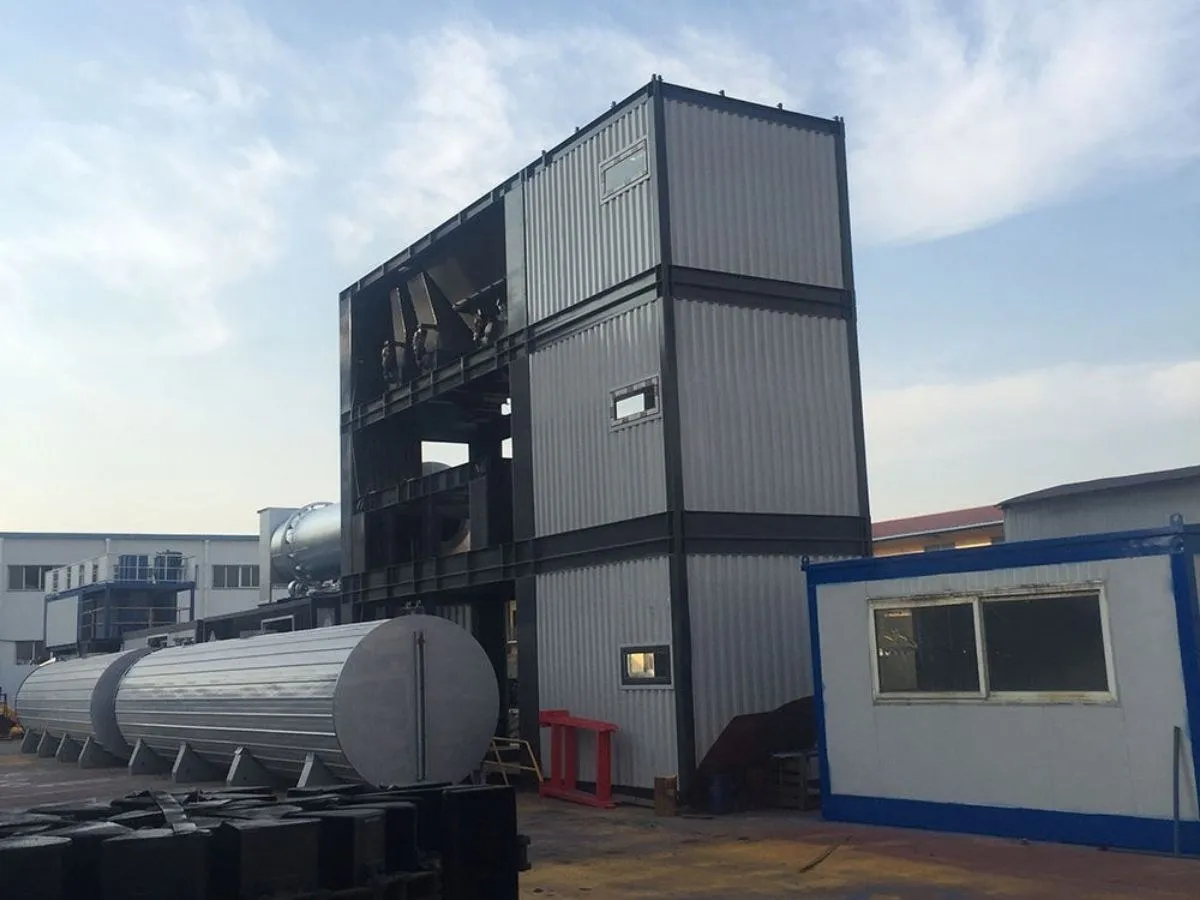
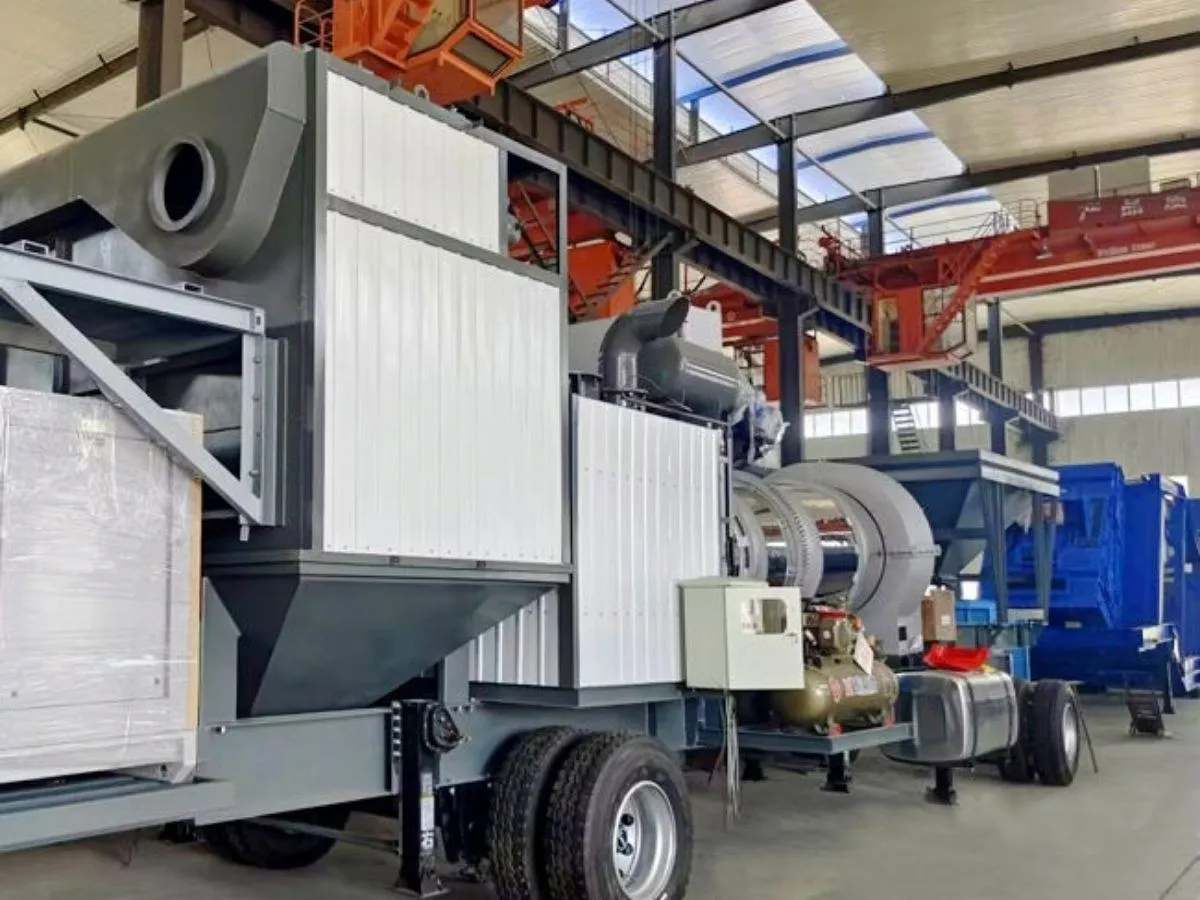
Then decide the plant type by how often it moves: containerized, mobile or stationary.
What the calculator cannot know
- Aggregate moisture. Wet stone cuts drying capacity, so real output can fall well below rated output in the rainy season.
- Mix type. Some mixes need longer mixing time per batch.
- Altitude. Thin air reduces burner and fan performance at high-altitude sites.
- Your contract rules. Night work bans, lane closures and inspection holds reduce effective hours.
Send your figures to our engineers and we will check them against these factors. Get a confirmed recommendation.