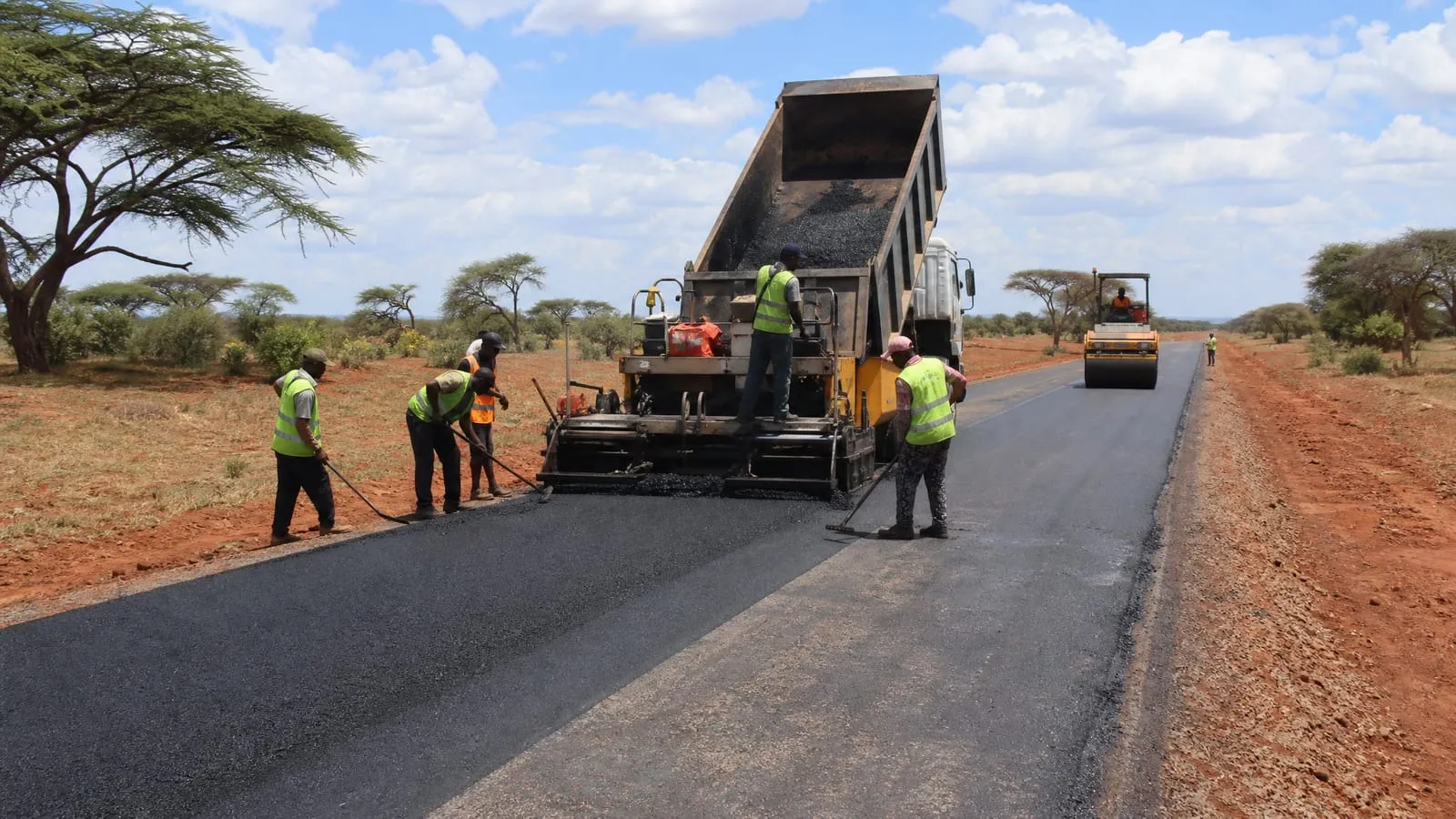
Short answer: A remote site must supply its own power, water, fuel, bitumen and spare parts, and often accommodation, so plan all of them before the plant ships. Size the generator for installed power plus motor starting, hold stock for longer delivery gaps, and choose a containerized or mobile plant, which ships in modules and needs light foundations.
Nothing can be fetched from a depot down the road, so work through the checklist below item by item.
The checklist
| Need | What to plan |
|---|---|
| Power | Generator sized for installed power and motor starting; fuel for it |
| Water | For dust control, cleaning and site needs |
| Fuel | Burner fuel storage for the gaps between deliveries |
| Bitumen | Heated tanks and a supply route — see bulk vs drummed bitumen |
| Aggregate | Stockpiles for several days of production, covered against rain |
| Spare parts | A larger first-year kit — see spare parts kit |
| People | Accommodation, food, transport for the crew |
| Communications | A way to reach support |
Power
The generator must carry the plant’s installed power and the starting current of the big motors. Start the large motors one by one. See the generator size calculator and 50 Hz or 60 Hz. Fuel for the generator belongs in the cost per ton.
Stocks
Hold more than a site near a depot: aggregate for several days, bitumen for the gaps between deliveries, burner fuel for the same, and a bigger spare-parts kit.
Which plant
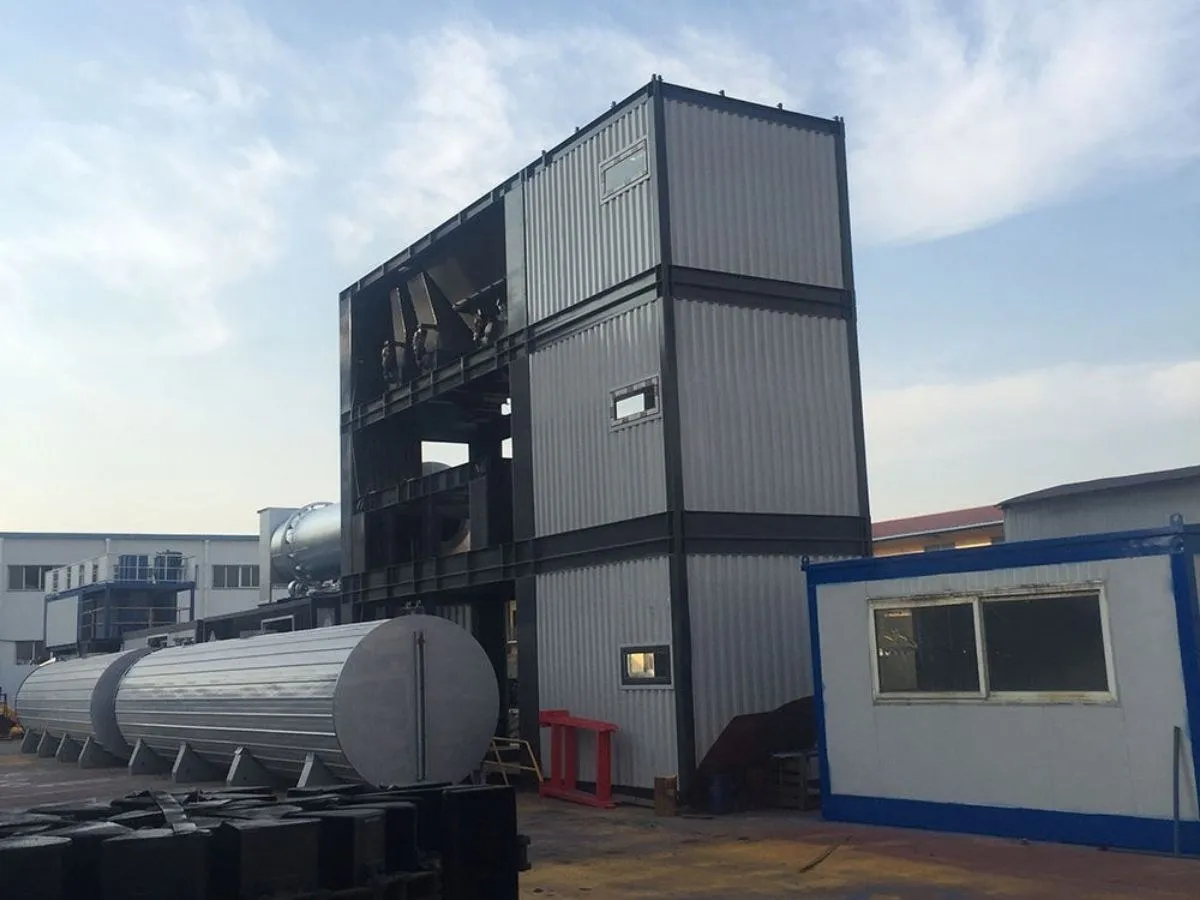
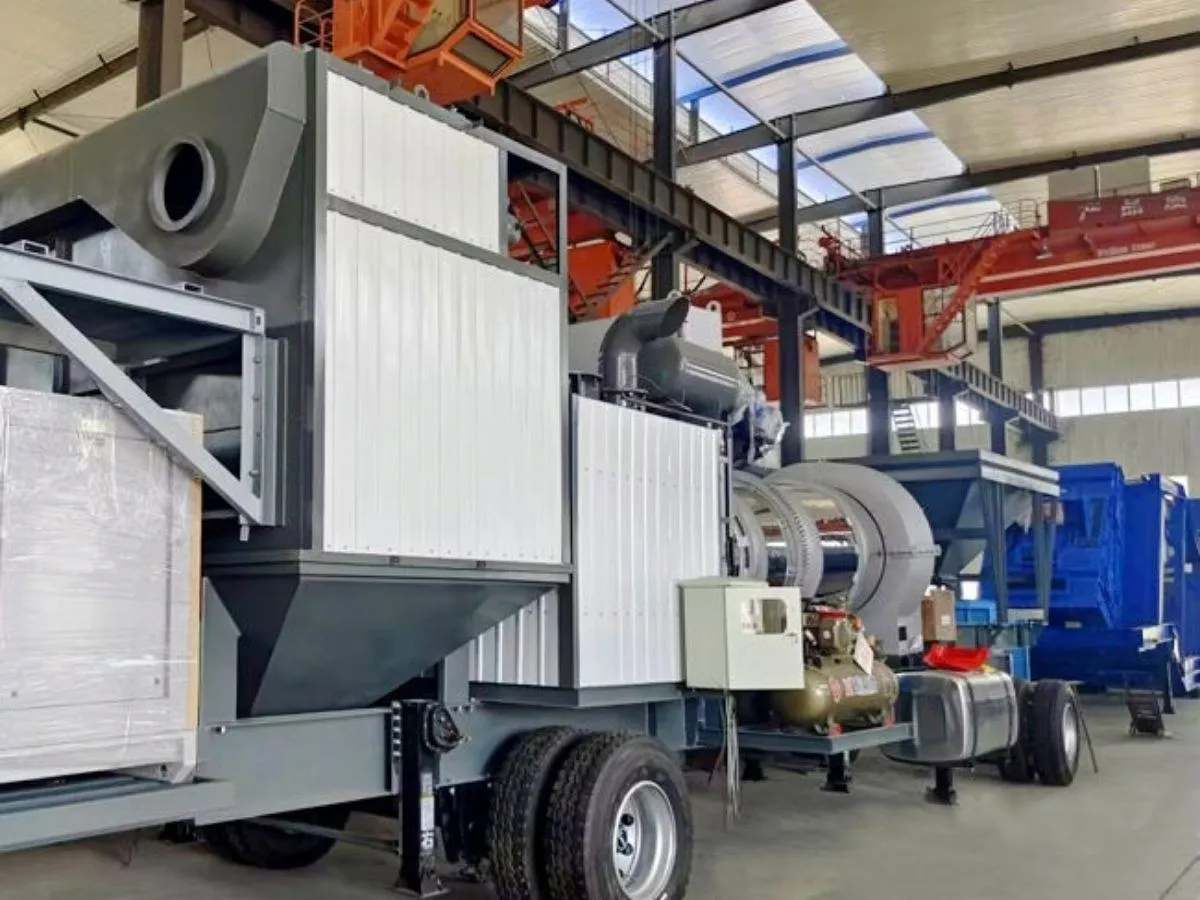
A containerized or mobile plant suits remote sites: modules ship by sea and road, and the foundations are light. See moving a containerized plant.
Describe your site and we will help you build the checklist for your model.