How the calculator works
The calculator above splits the cost of one ton of hot mix into seven parts:
bitumen      = binder content × bitumen price
aggregate    = (1 − binder content) × aggregate price
fuel         = fuel per ton × fuel price
electricity  = kWh per ton × electricity price
wear parts   = your maintenance cost per ton
crew         = crew cost per shift ÷ tons per shift
fixed        = fixed costs per year ÷ tons per year
Enter your own delivered prices in one currency. The defaults are placeholders so the calculator shows numbers — they are not market prices.
Where to find your inputs
| Input | Where it comes from |
|---|---|
| Binder content | Your approved mix design (often 4–6% for dense-graded mixes) |
| Bitumen and aggregate prices | Delivered to your plant, per ton |
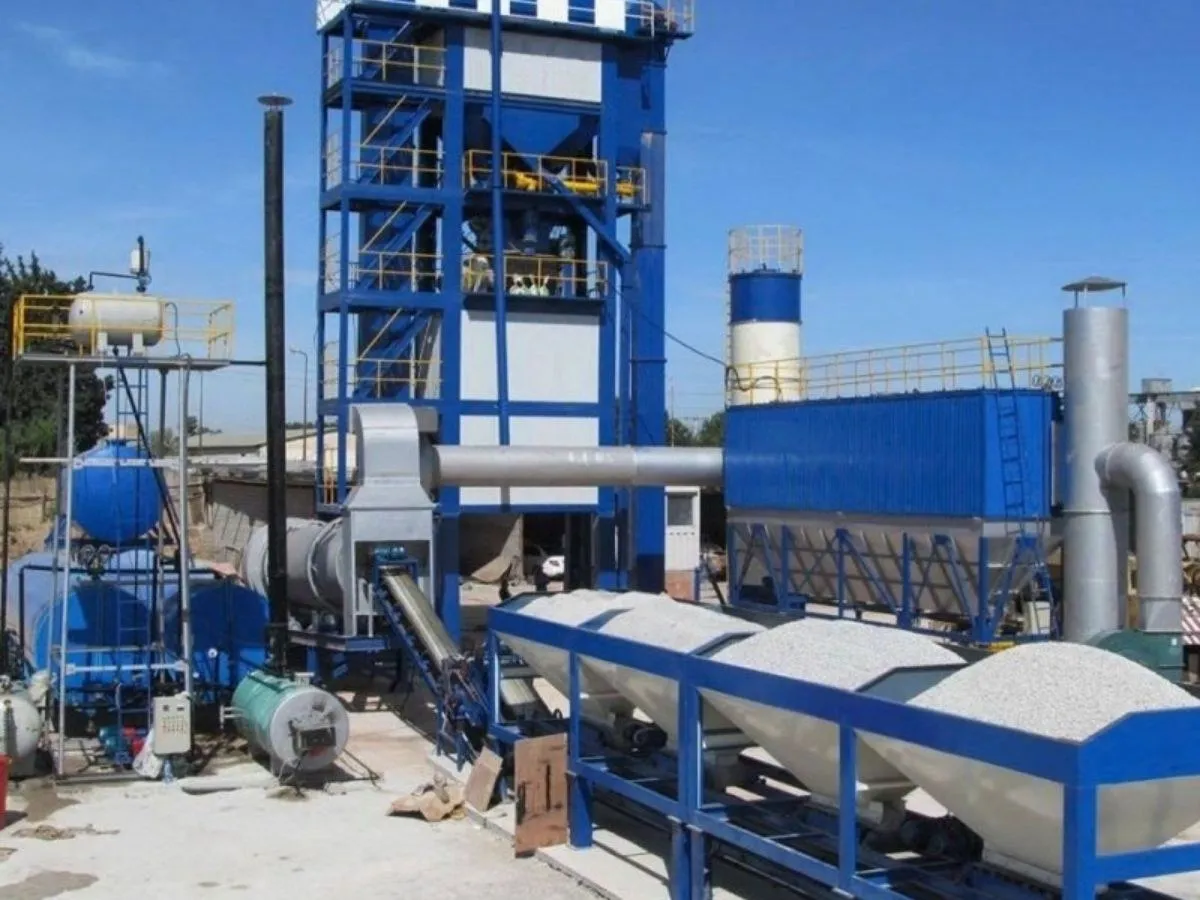
| Fuel per ton | Plant data sheet; Roadmixa batch plants list about 5.5–7 kg fuel oil per ton under typical conditions |
| Electricity per ton | Installed kW × load factor ÷ tons per hour, or your meter readings |
| Wear parts | Maintenance records; start with the supplier’s estimate |
| Crew per shift | Wages for everyone running the plant (not paving) |
| Fixed costs | Plant cost per year (depreciation or financing), site, permanent staff, insurance, permits |
What moves cost per ton most
| Lever | Why it matters |
|---|---|
| Binder content | Bitumen is the most expensive input; stay on the mix design, not above it |
| Aggregate moisture | Every extra percent of water costs fuel — see stockpile management |
| Utilization | Fixed costs spread over more tons — sell or pave more, run steadier shifts |
| Burner tuning | Correct air-fuel ratio saves fuel — see burner tuning |
| RAP | Replaces new aggregate and part of the new binder where allowed — see the recycling payback method |
Using the result
- Pricing your mix: add delivery, overheads and margin to the plant cost per ton
- Buy or own: compare with the delivered price of bought mix — see the break-even check
- Business plans: use the result in your cash-flow model — see the business plan guide
Ask us for consumption figures for your plant model — fuel, power and wear parts per ton.