The short answer
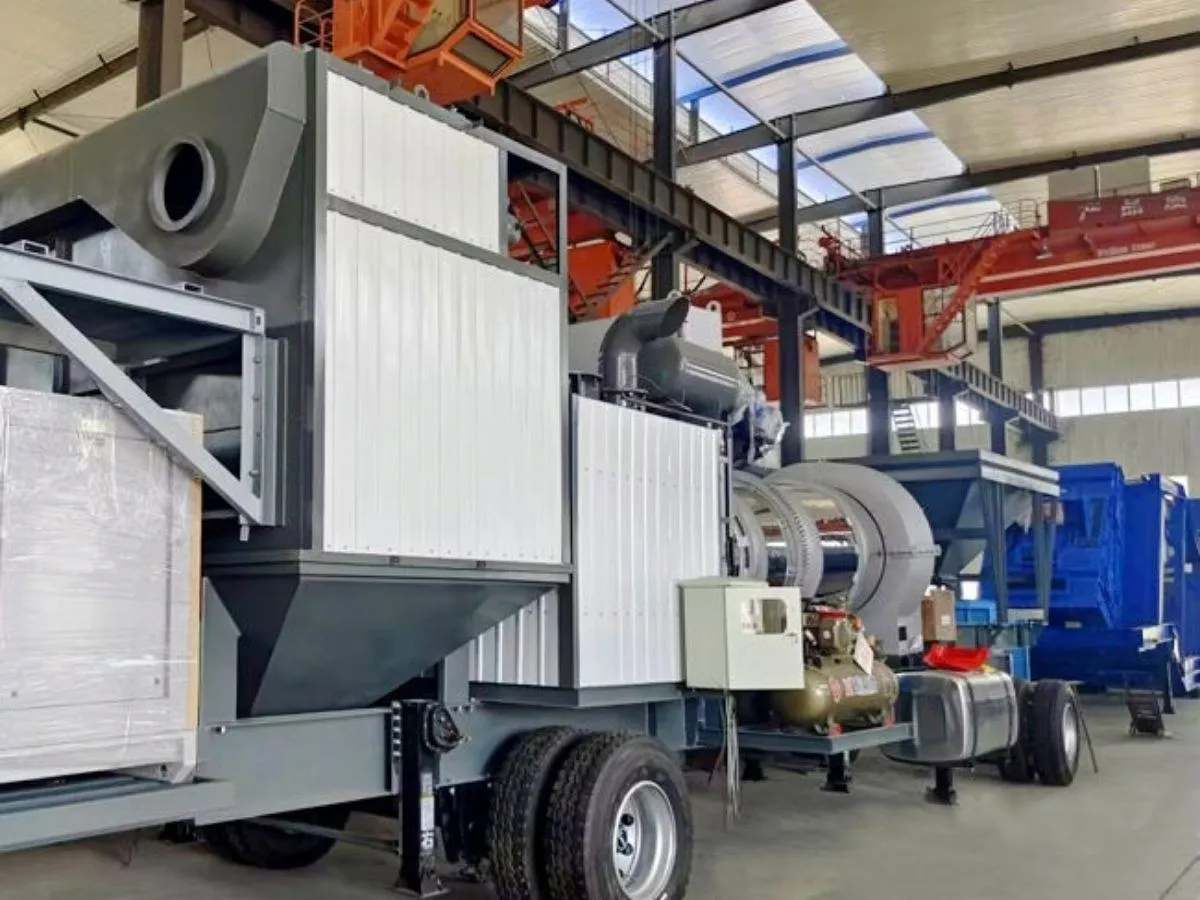
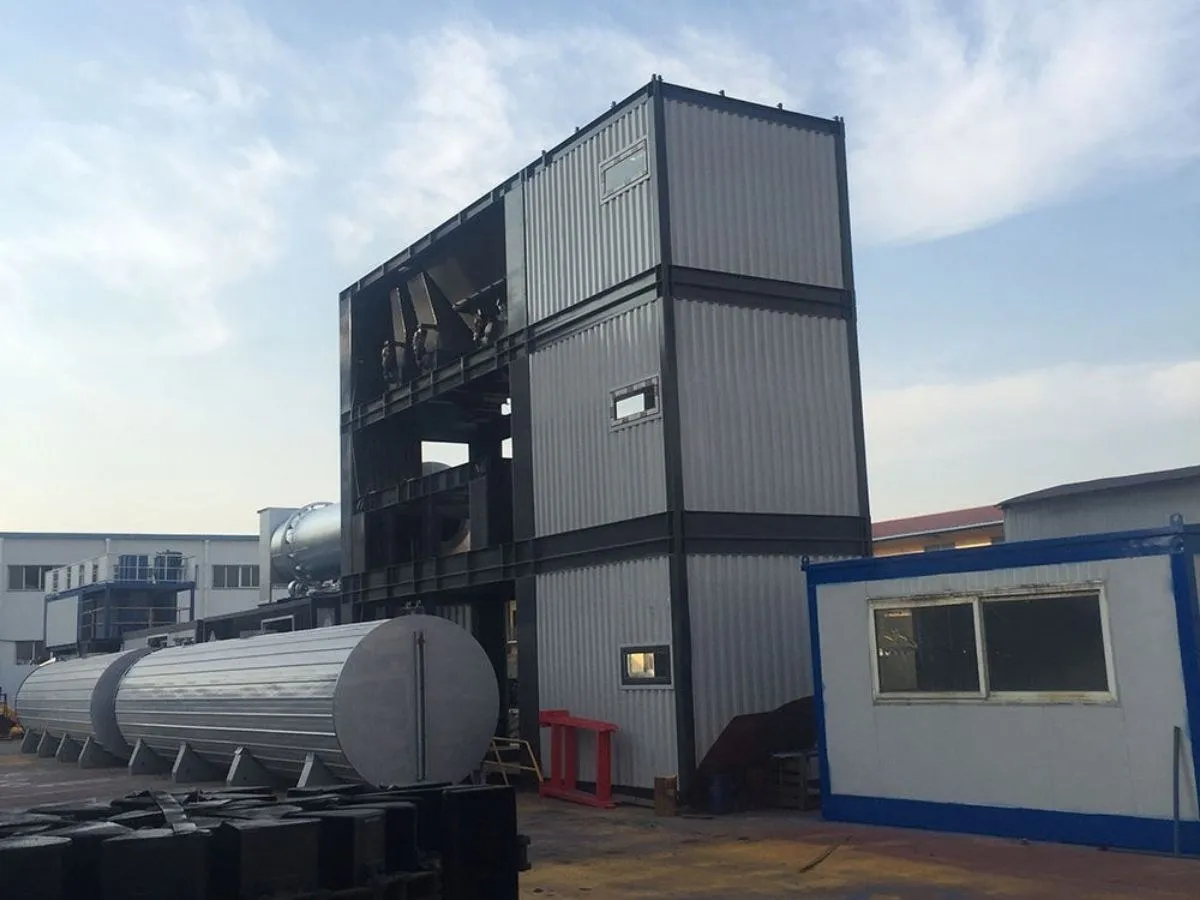
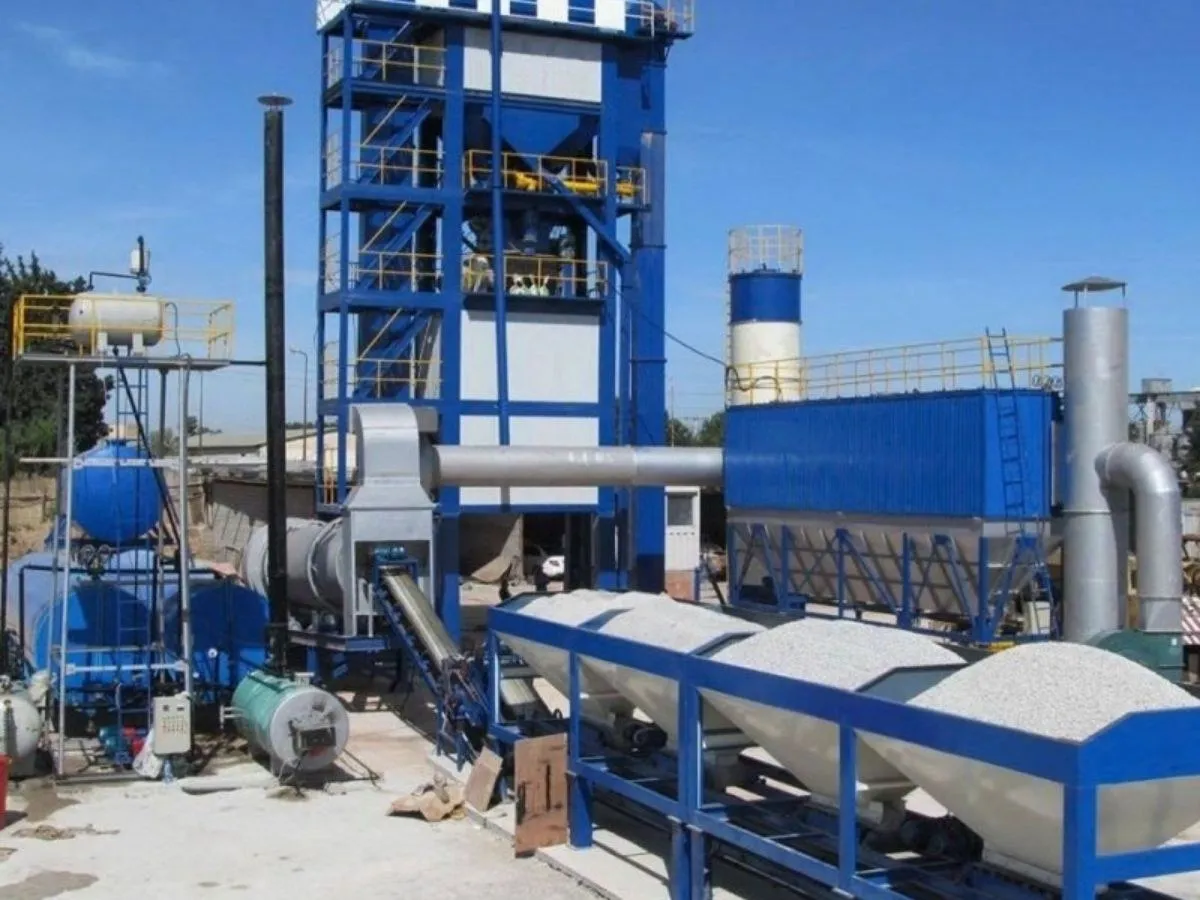
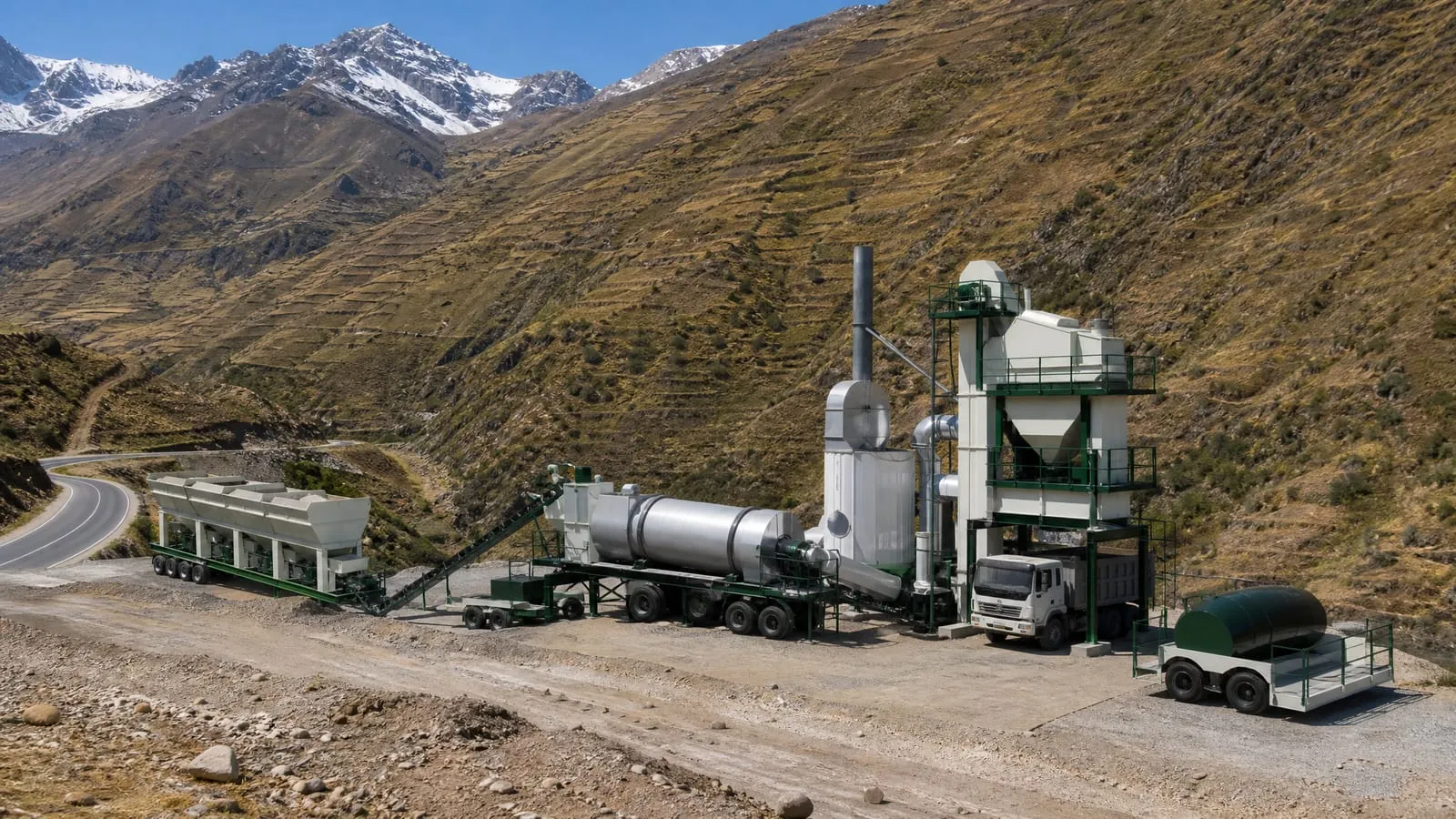
For Bolivia, a containerized or mobile batch plant of 60–120 t/h, specified for altitude and cold starts, is the usual starting point. Compare the mobile plant, the containerized plant and the stationary batch plant.
Bolivia at a glance for plant buyers
| Topic | What to know | What it means for the plant |
|---|---|---|
| RVF | 16,054 km, 34% paved (about 2014); over 17,000 km by Dec 2025 | Large unpaved share |
| All roads | 7.34% paved, against 39% for Latin America (IDB) | Long-term upgrade need |
| Maintenance funding | About 220 million Bs received against 370 million needed (Dec 2025) | Funding sets the pace |
| Altitude | Much work above 3,000 m | Burner derating; cold starts |
| Access | Landlocked; Chilean or Peruvian port, then road | Plan transit |
What the figures say
An IDB document of about 2014 gave the fundamental road network as 16,054 km, of which only 34% was paved, administered by the ABC since 2006, and the paved share of all roads as 7.34% against a Latin American average of 39%. In December 2025 the ABC president said the network exceeds 17,000 km because a law added more than 3,000 km without a matching budget, and that about 220 million bolivianos had been received against about 370 million needed for maintenance. I found no official 2024 paved percentage.
Choosing the plant
| Job | Starting point |
|---|---|
| Highland rehabilitation lots | Mobile RMX-M80 |
| Larger corridor package | Containerized RMX-C120 |
| Base near La Paz or Santa Cruz | Stationary batch RMX-B80 |
Altitude and logistics
At 3,000 m air density is about 70% of sea level, so the burner and fan must be sized for the site (cold and altitude guide). Check the port, the road route and the heaviest piece against bridge and axle limits before ordering.
Next steps
Send us your altitude, tonnage and fuel and we will propose a configuration.
Sources: IDB project document (about 2014); ABC president quoted by Eju.tv (December 2025).