The short answer
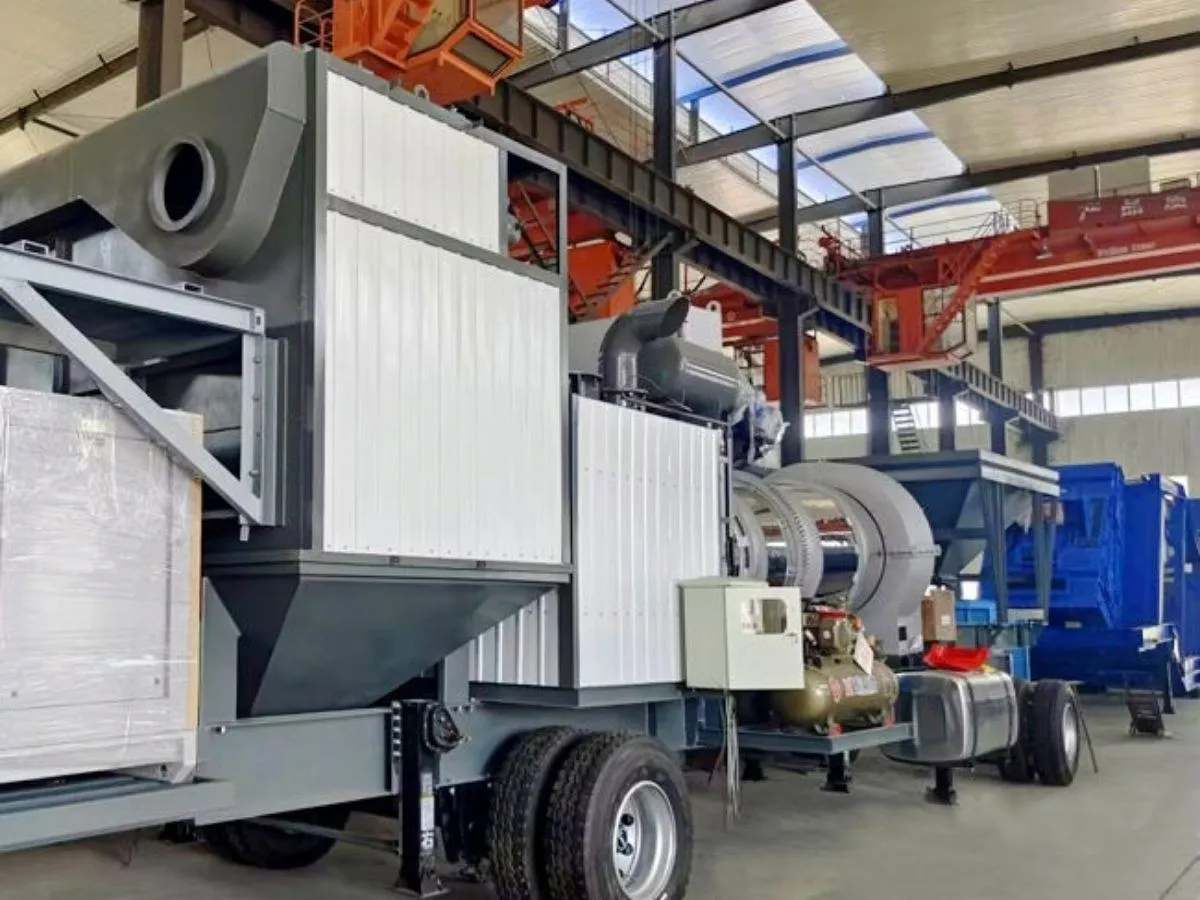
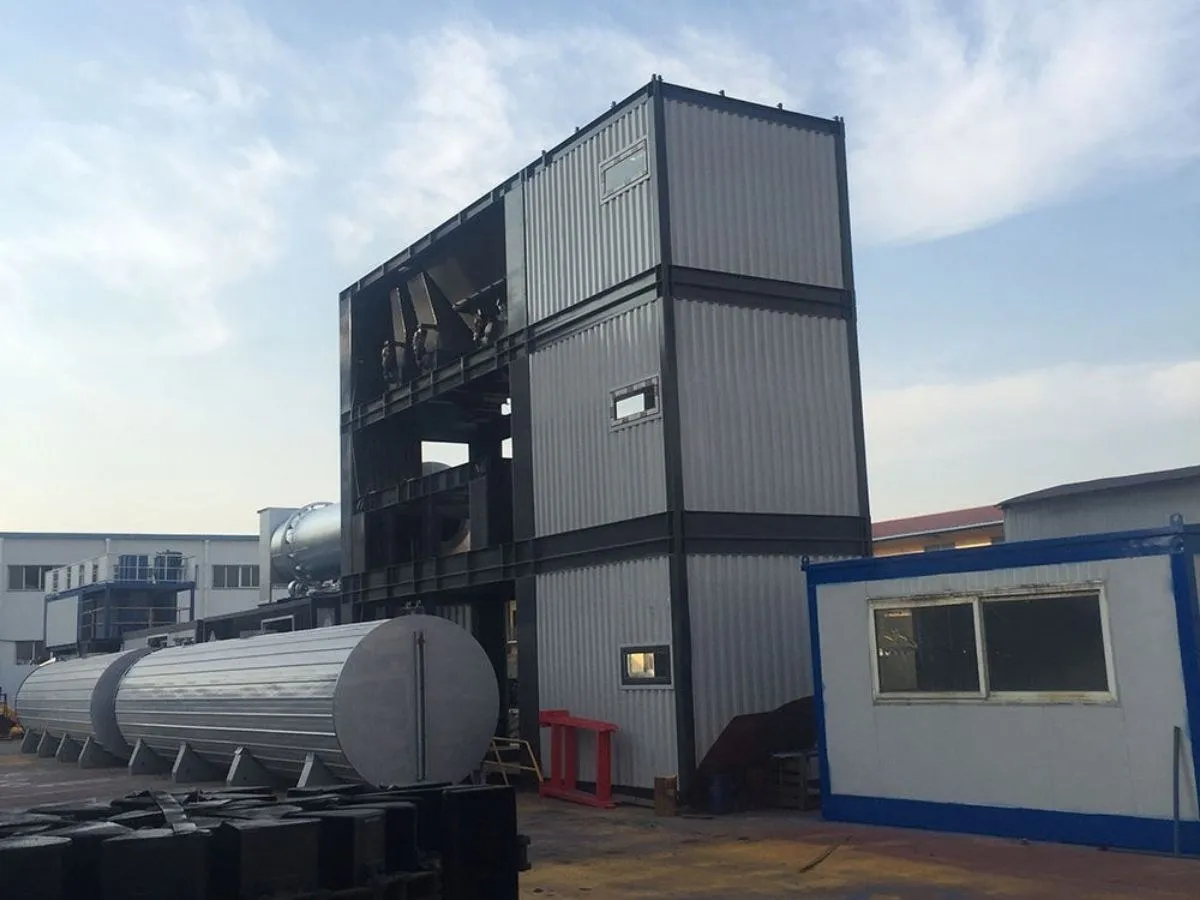
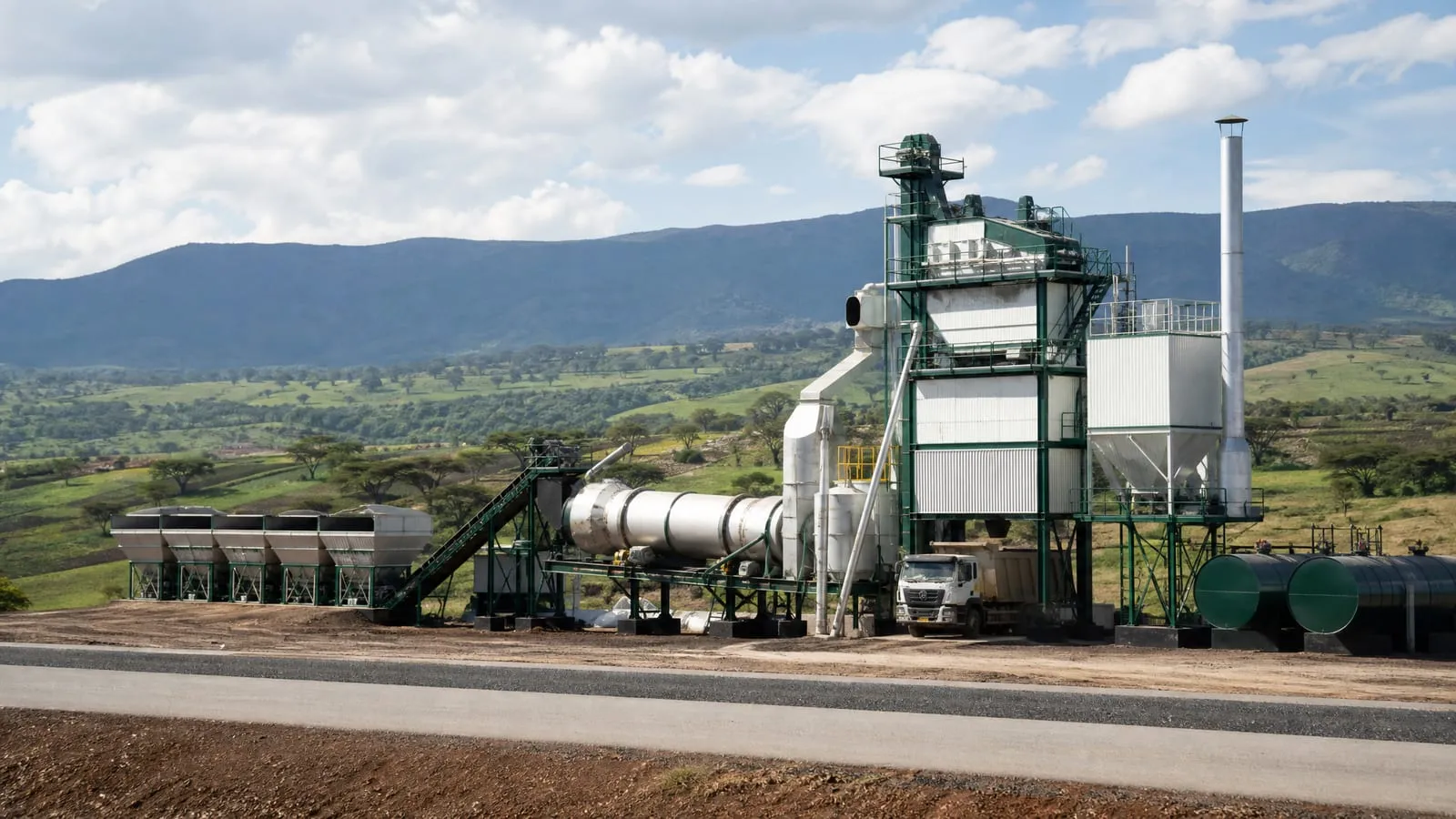
For Botswana’s long roads, a mobile or containerized batch plant of 60–120 t/h placed near the work usually beats a single fixed plant. The mobile plant and containerized plant shorten the haul; a stationary plant fits a commercial base near a city.
Botswana at a glance for plant buyers
| Topic | What to know | What it means for the plant |
|---|---|---|
| Central-government roads | 18,507 km in 2016: 6,925 km bitumen (37.4%), 7,560 km gravel, 4,022 km sand | Large unsurfaced share; upgrades and resealing |
| Other roads | District, access and internal roads under local authorities | Smaller, scattered jobs |
| Distances | Long routes, few towns | Haul time matters: keep the plant near the work |
| Access | Landlocked; regional ports, then road | Container-sized modules |
| Power | 50 Hz | Generator where the work is far from the grid |
What the figures say
Statistics Botswana’s 2016 transport report put the central-government network at 18,507 km: 6,925 km bitumen, 7,560 km gravel and 4,022 km sand; the total had not changed since 2013. An older Mmegi article described a 6,116 km paved public highway network. A 2024 summary on Wikipedia lists about 11,845 km paved of roughly 34,873 km, but it does not say which roads are counted. These sets are not comparable, so ask the client which network your tender covers.
Choosing the plant
| Job | Starting point |
|---|---|
| Long rural upgrade or reseal | Mobile RMX-M80 |
| Several packages across districts | Containerized RMX-C120 |
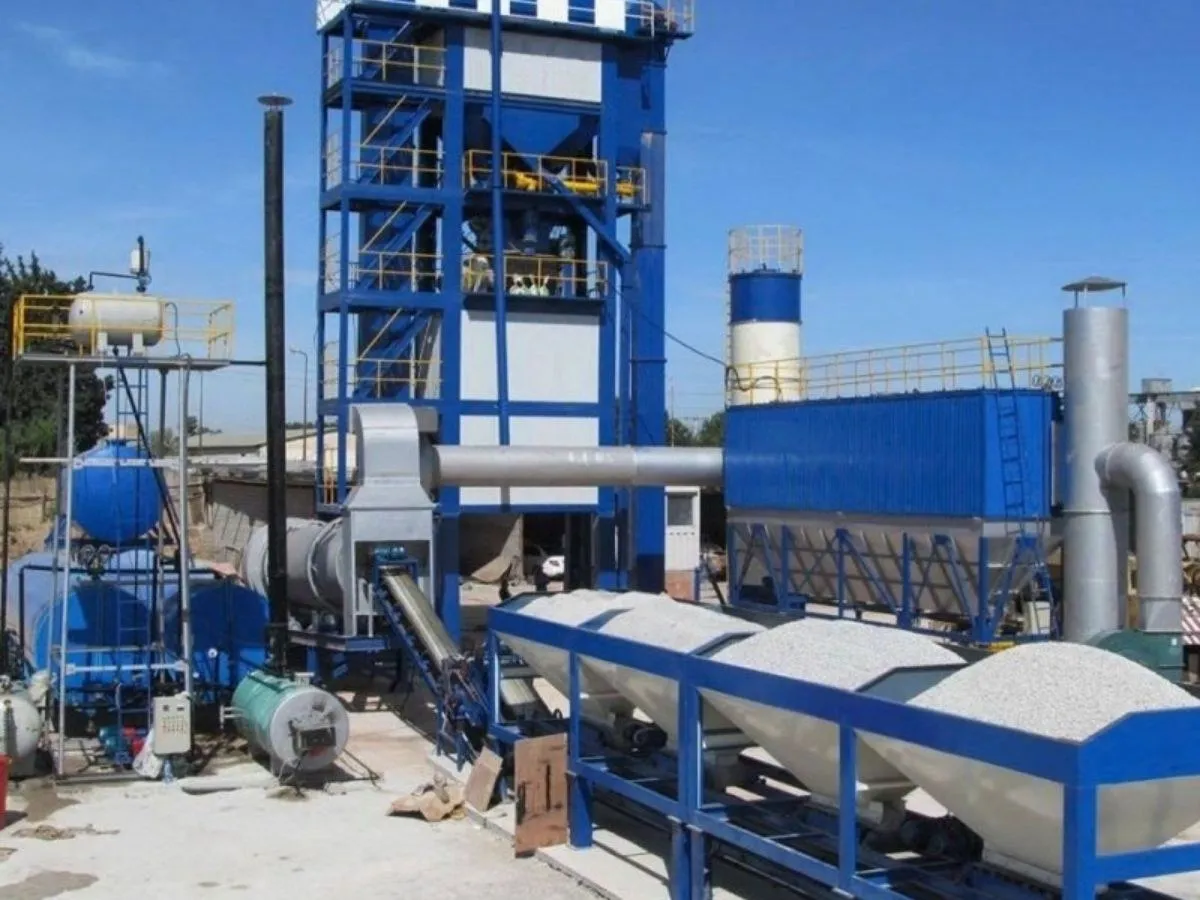
| City commercial plant | Stationary batch RMX-B80 |
Haul distance and heat
Hot mix loses temperature on a long haul; read how far hot mix can travel and place the plant accordingly. In desert heat, also plan shade and water for the crew and cooling for the control room.
Next steps
Send us your route, tonnage and fuel and we will propose a configuration.
Sources: Statistics Botswana, Transport and Infrastructure Statistics Report (2016); Mmegi (2011); Wikipedia summary (2024).