The short answer
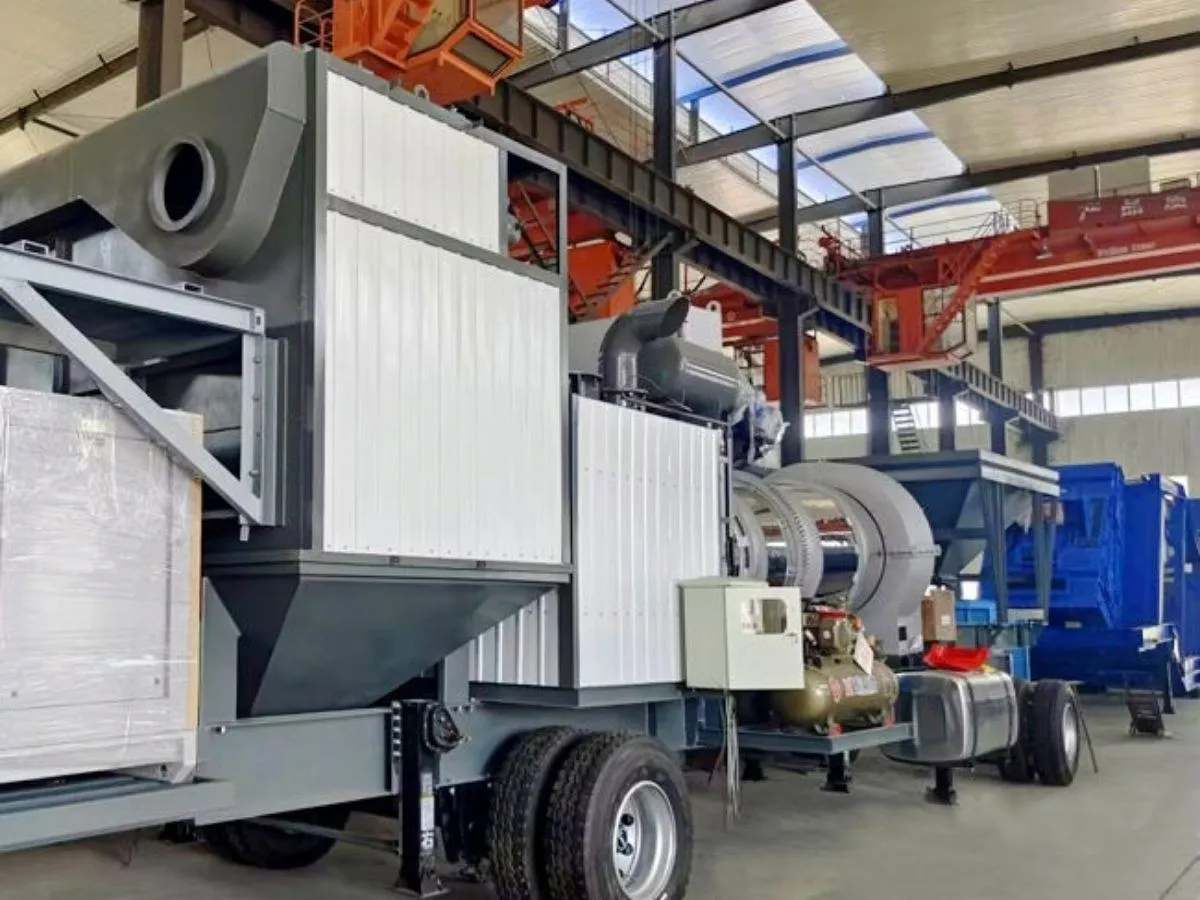
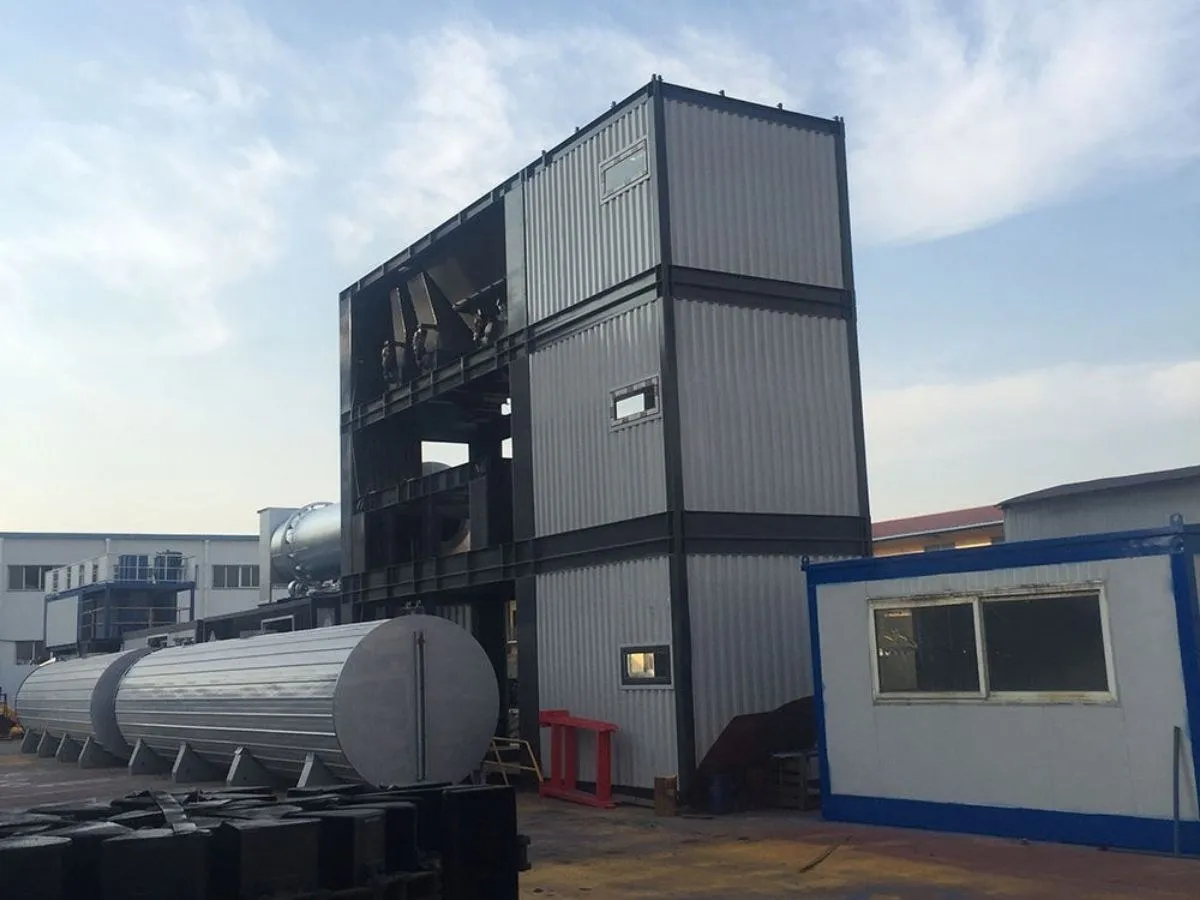
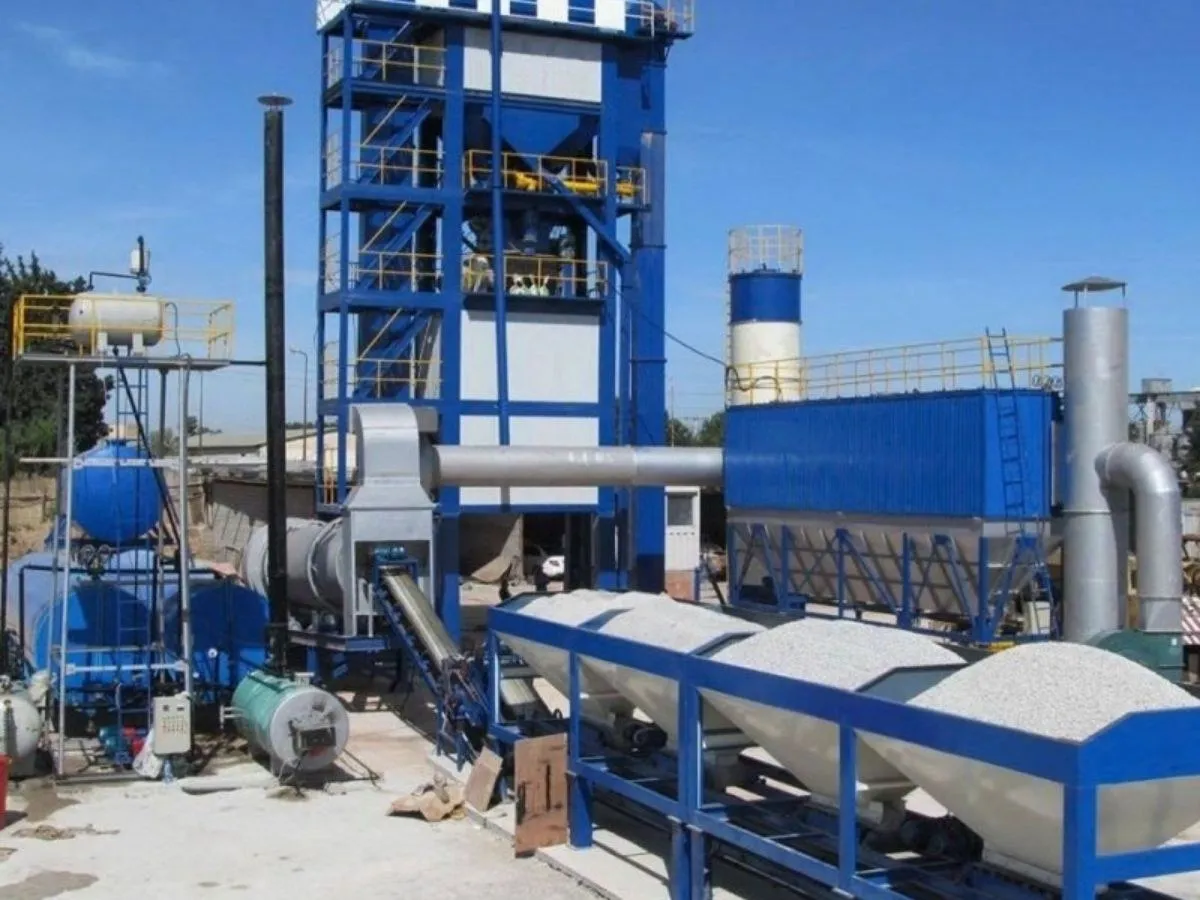
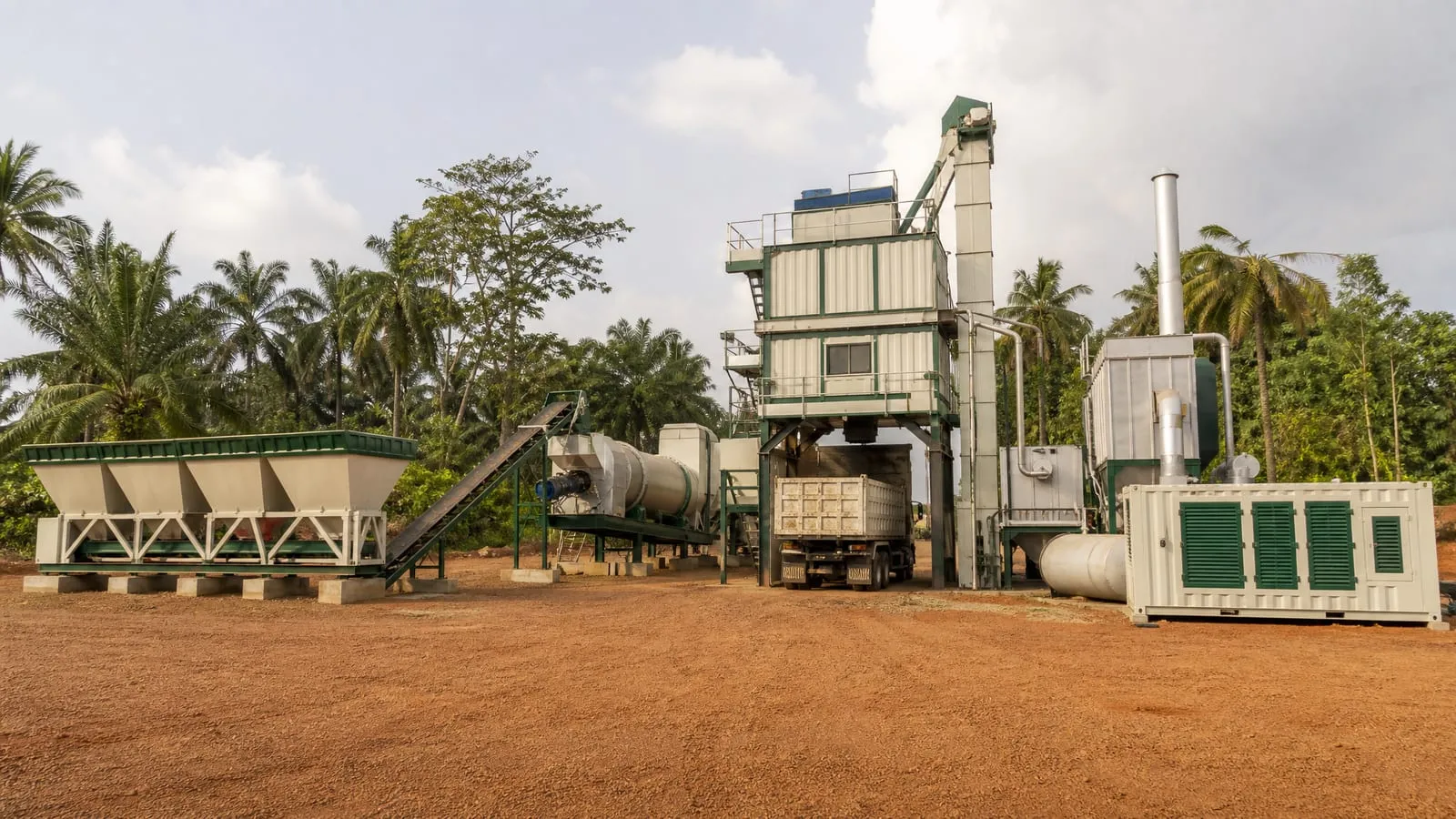
For Namibia, a mobile or containerized batch plant of 60–120 t/h suits long upgrade and rehabilitation lots far from Walvis Bay. The mobile plant and containerized plant move along the route; a stationary plant is for a commercial base.
Namibia at a glance for plant buyers
| Topic | What to know | What it means for the plant |
|---|---|---|
| Network | 48,899.89 km reported: 8,259.4 km bitumen, 25,889.3 km gravel, 13,359.9 km earth | Gravel-to-bitumen upgrades remain the long-term need |
| Plan | 2023 five-year plan: 700 km to bitumen, 715 km rehabilitation, 2,800 km re-gravelling | Steady, mid-sized lots |
| Client | Roads Authority | Contract-specific specifications |
| Access | Walvis Bay, then long road hauls | Plan the heaviest piece and escort needs |
| Power | 50 Hz | Generator for remote sites |
What the figures say
Press reports citing the Roads Authority put the network at 48,899.89 km, with 8,259.4 km bitumen, 25,889.3 km gravel, 13,359.9 km earth roads, 189.3 km salt roads and 1,201.9 km proclaimed-only roads. An older 2017 breakdown lists about 6,664 km of standard bitumen road and 412 km of low-volume bitumen road, so the sealed length has been growing. The authority’s five-year plan from 2023 targets 700 km to bitumen standard, 215 km of gravel road, 715 km of rehabilitation and 2,800 km of re-gravelling. I found no 2024 annual report; ask the authority for current numbers.
Choosing the plant
| Job | Starting point |
|---|---|
| Rural upgrade or reseal | Mobile RMX-M80 |
| Large rehabilitation package | Containerized RMX-C120 |
| Commercial plant | Stationary batch RMX-B80 |
Remote sites
With few towns, plan water, fuel and spare parts for weeks of work; see our notes on remote-site power, water and fuel and the installation time for each plant type.
Next steps
Send us your route, tonnage and fuel and we will propose a configuration.
Sources: Roads Authority figures reported by New Era (about 2025); Roads Authority business plan (2023); older 2017 breakdown.