The short answer
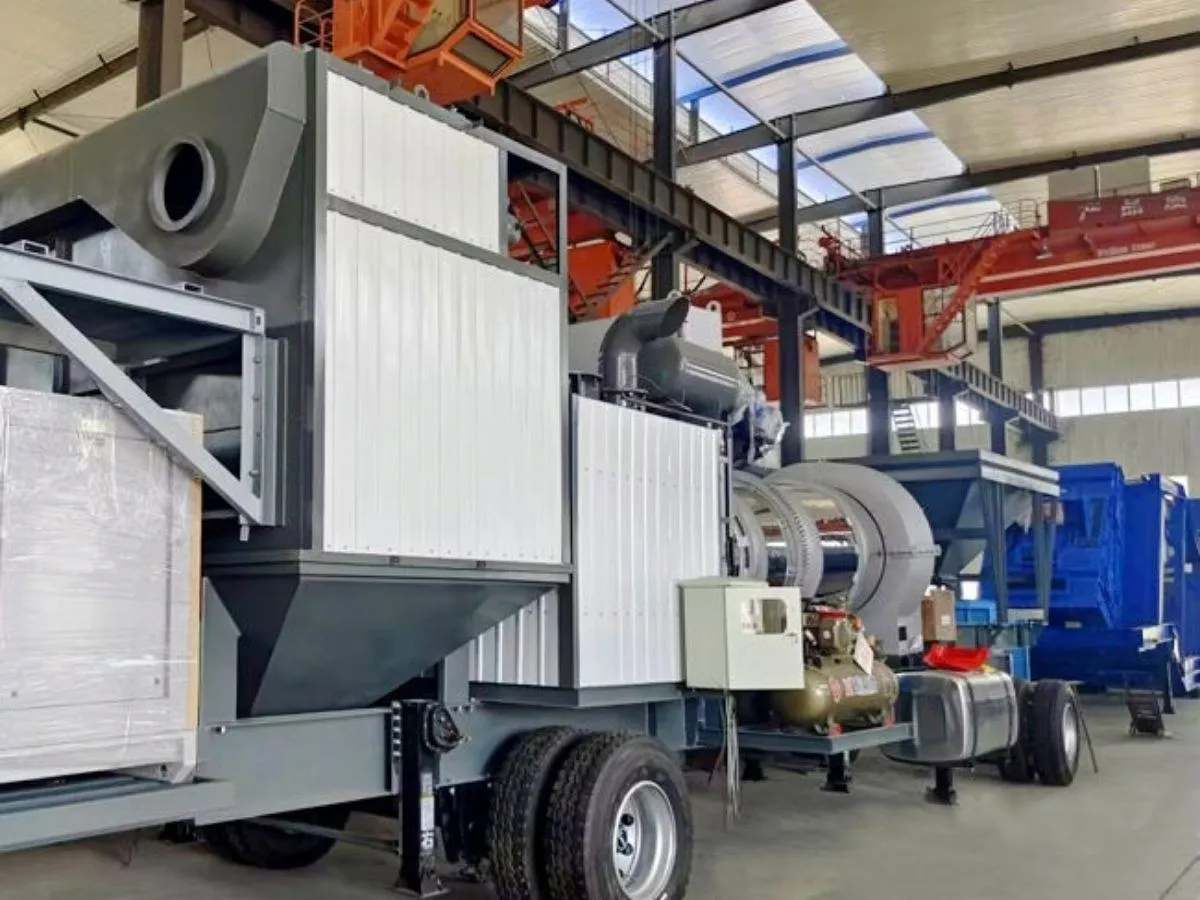
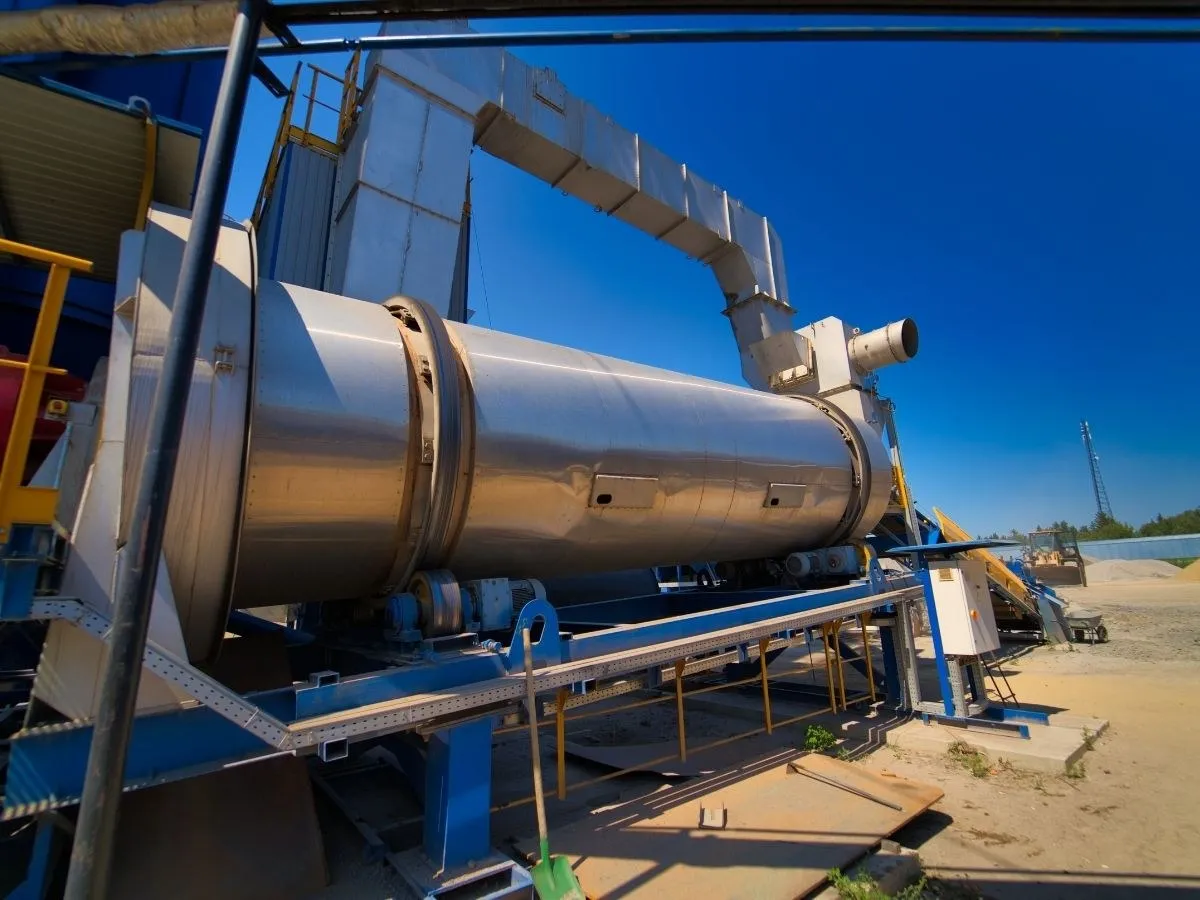
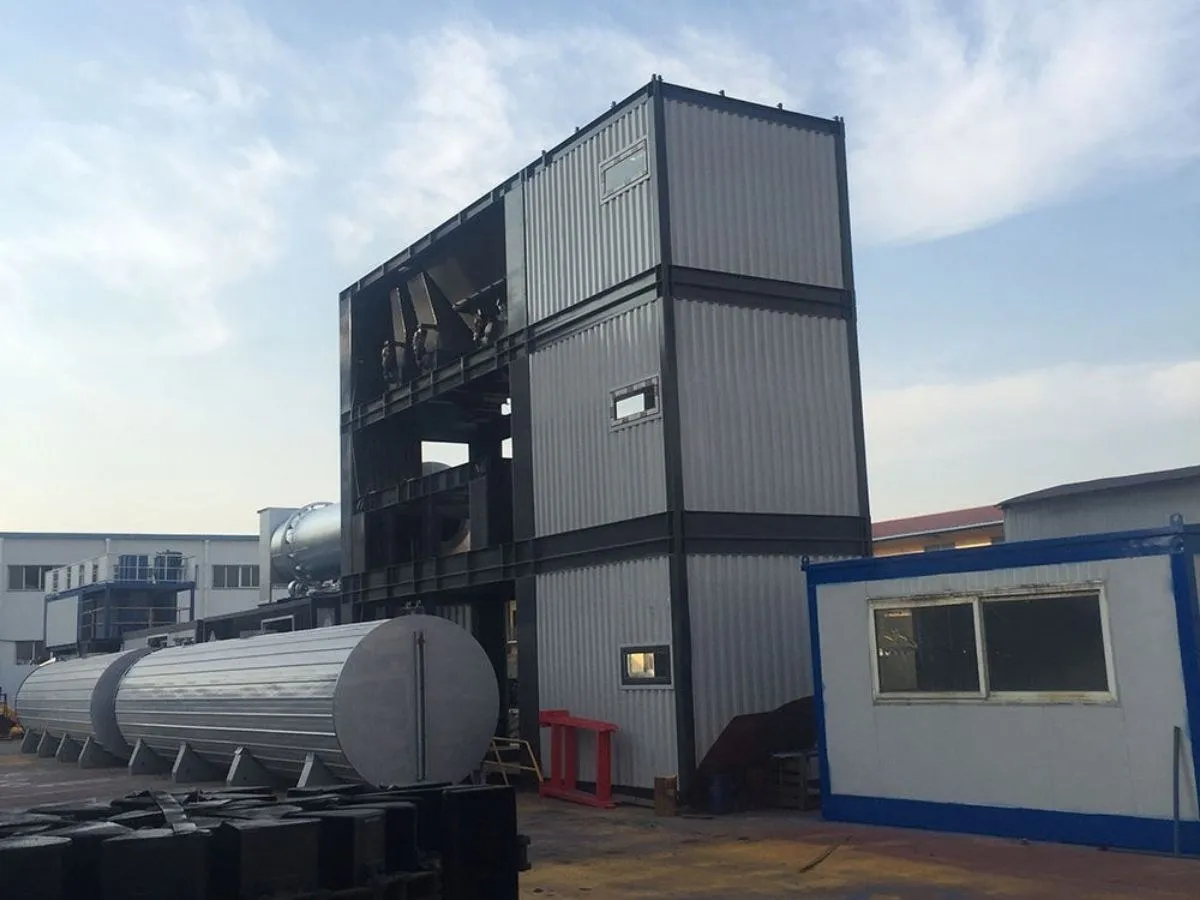
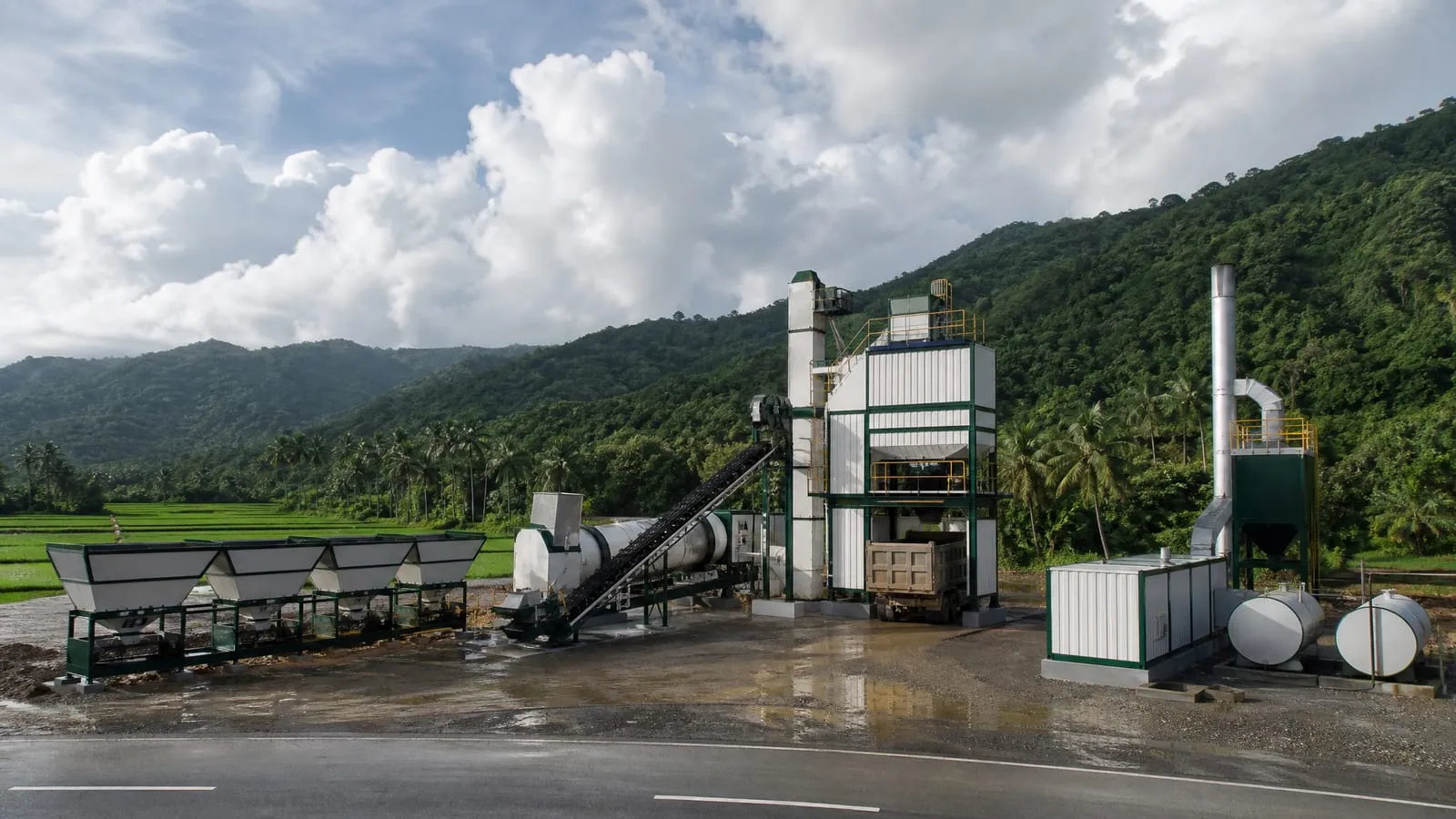
For Cambodia, a mobile or drum-mix plant of 40–80 t/h is the usual starting point for rural and provincial roads; national-road packages use a 120 t/h batch plant. Compare the mobile plant, the drum-mix plant and the containerized plant.
Cambodia at a glance for plant buyers
| Topic | What to know | What it means for the plant |
|---|---|---|
| National paved roads | 2,254 km linking borders (ADB description) | Main-road packages need larger plants |
| Inland and provincial | 5,007 km inland national (70% paved), 9,031 km provincial (30% paved) | Upgrade backlog on provincial roads |
| Rural roads | 17% asphalt or concrete (July 2024); 75% of villages by 2030 target | Many small jobs |
| Surface type | Much double bituminous surface treatment | Check whether the tender needs hot mix |
| Power | 50 Hz | Generator for remote sites |
What the figures say
An ADB project document describes 2,254 km of national paved roads linking the country to its borders and the regional network, 5,007 km of inland national roads of which 70% are paved, and 9,031 km of provincial roads of which only 30% are paved. A 2016 UN country presentation gave about 15,376 km of paved national and provincial roads out of 47,263 km of all roads, including 1,180 km of asphalt concrete and 5,423 km of double bituminous surface treatment. In July 2024 the Ministry of Rural Development said only 17% of rural roads (about 10,000 km) are asphalt or concrete, and aims for at least 75% of 14,577 villages to have such roads by 2030. These are different years and definitions.
Choosing the plant
| Job | Starting point |
|---|---|
| Rural roads and short lots | Drum-mix RMX-D60 |
| Provincial roads, several lots | Mobile RMX-M80 |
| National-road package | Containerized RMX-C120 |
Surface treatment or hot mix
Many Cambodian roads use double bituminous surface treatment, which needs a sprayer and chip spreader rather than a mixing plant. A plant only matters where the specification calls for asphalt concrete, so read the tender before sizing.
Next steps
Send us your tonnage, province and fuel and we will propose a configuration.
Sources: ADB project document; UNCRD country presentation (2016); Ministry of Rural Development, reported July 2024.