The short answer
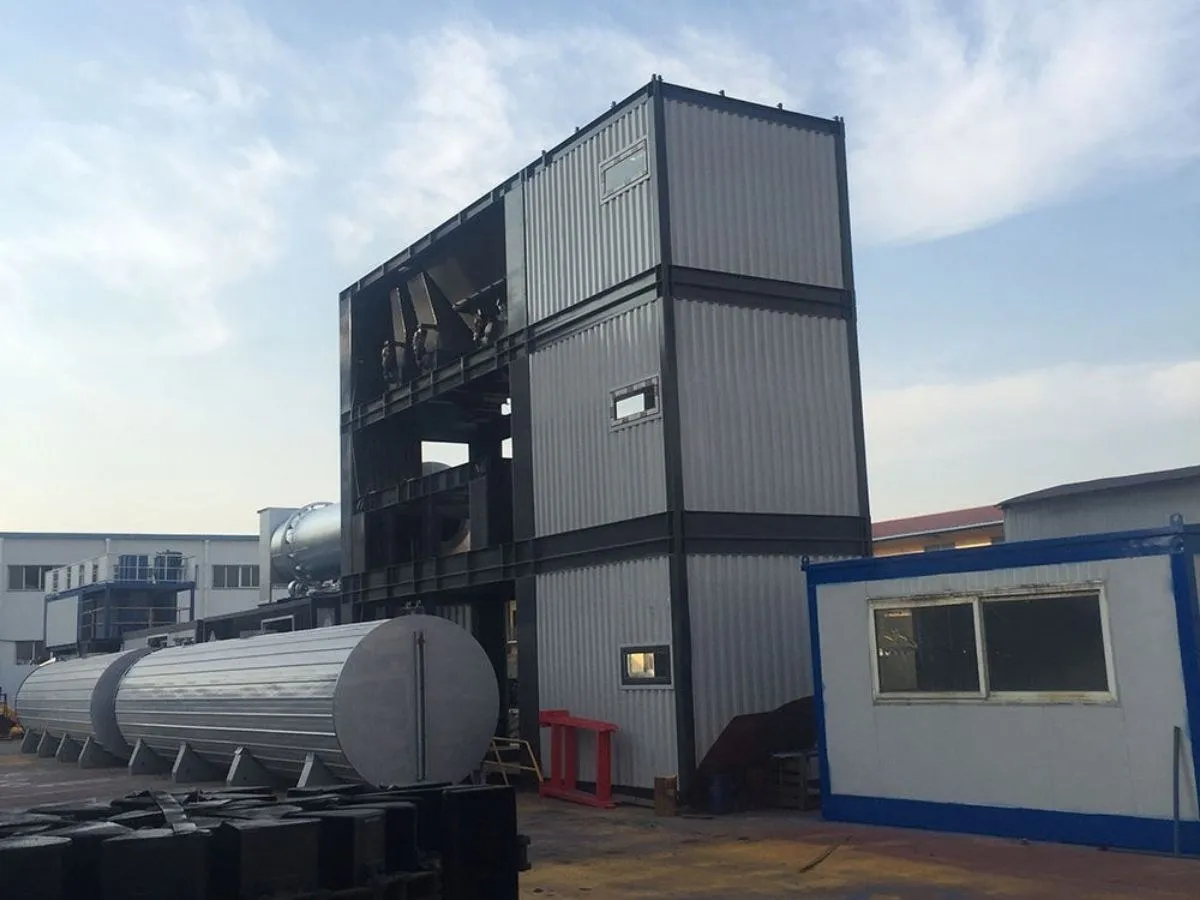
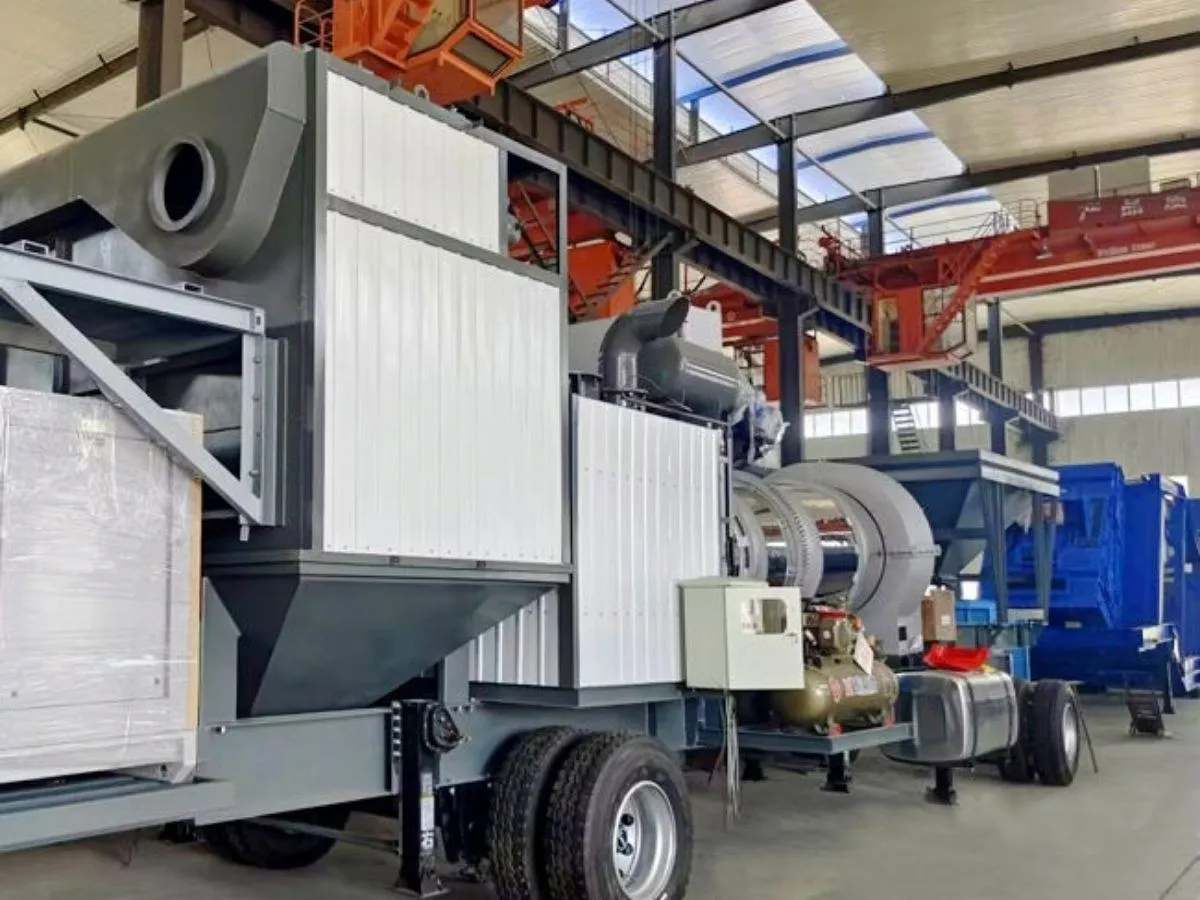
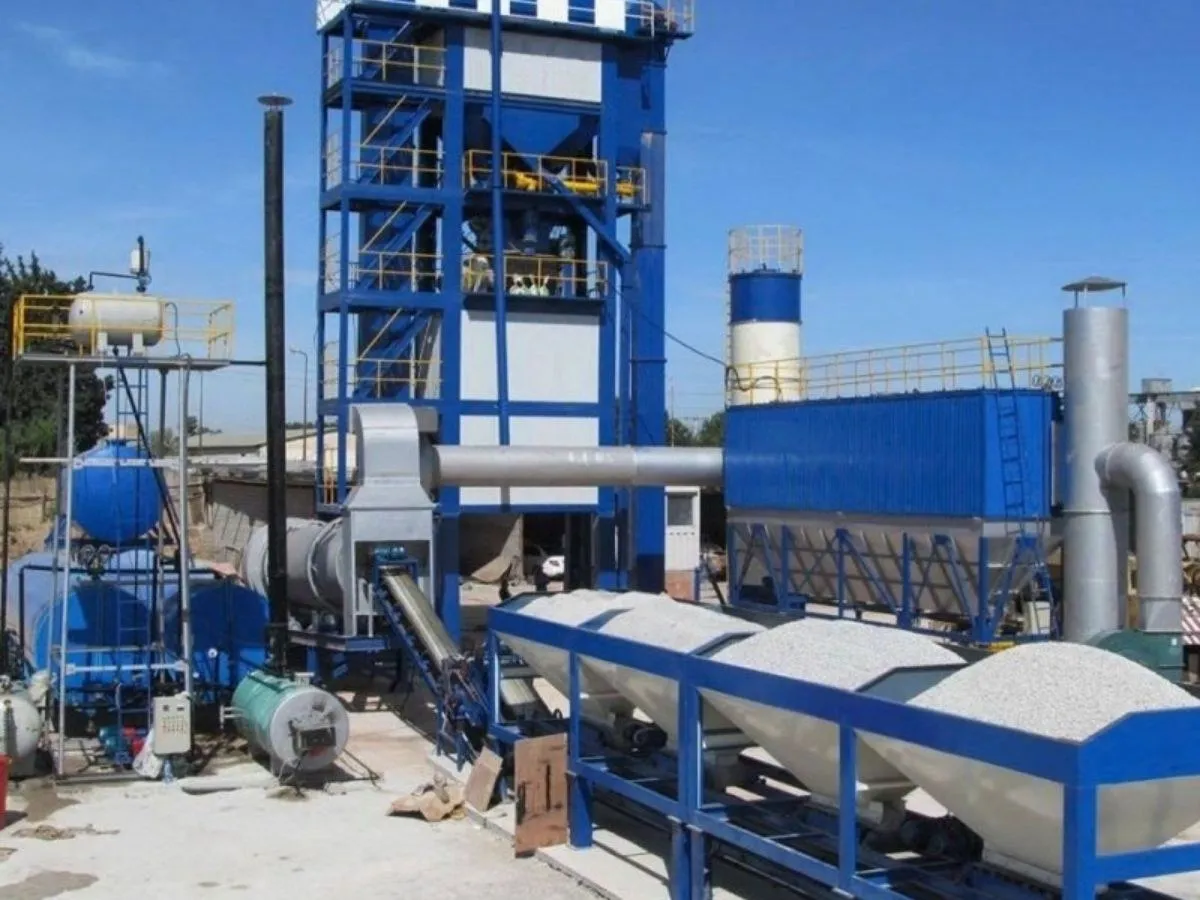
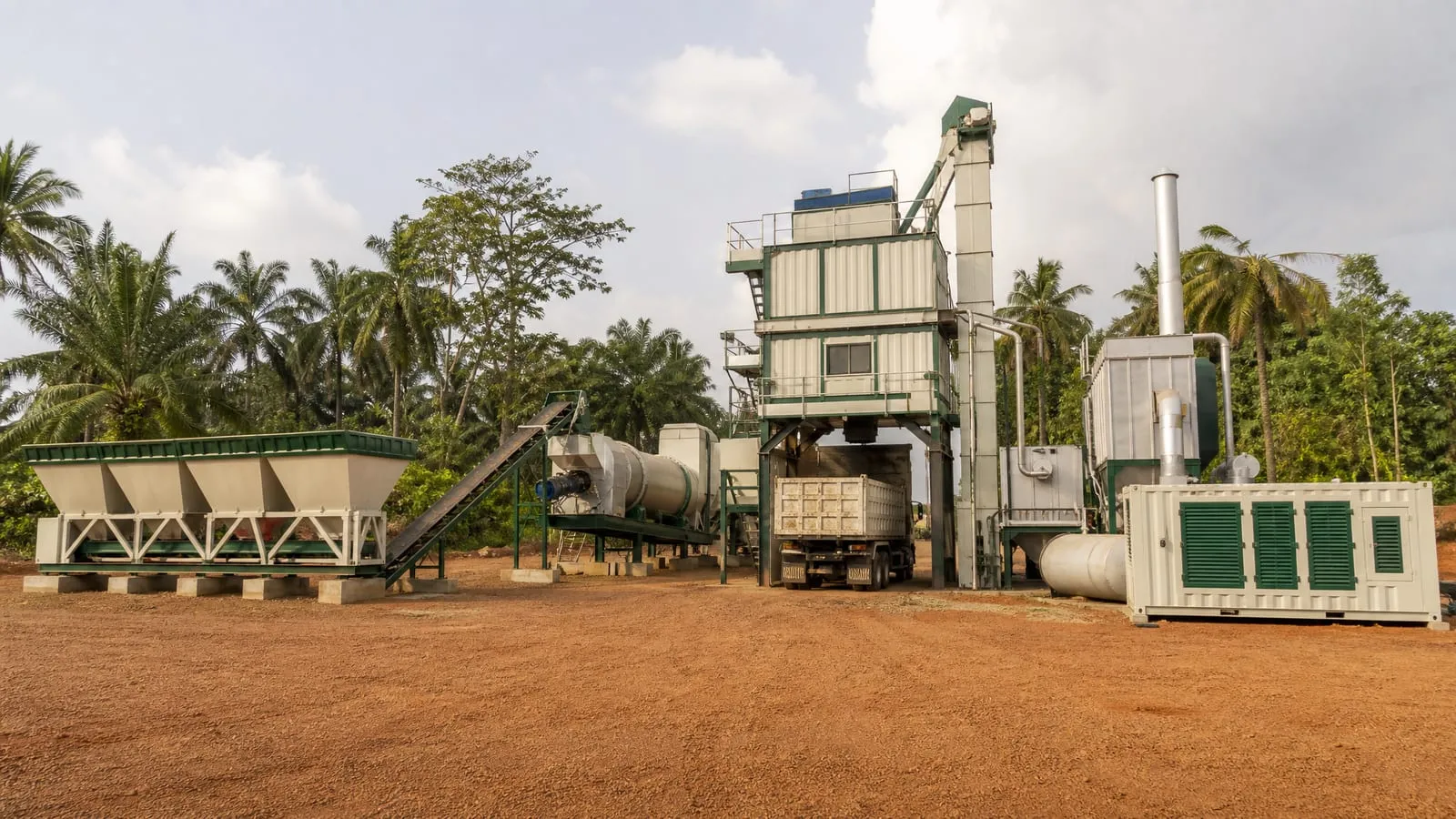
For DR Congo, the paved share is very small and distances are huge: a containerized or mobile batch plant of 80–120 t/h that follows the lots is the usual starting point. See the containerized plant, the mobile plant and the stationary batch plant for an urban base.
DR Congo at a glance for plant buyers
| Topic | What to know | What it means for the plant |
|---|---|---|
| Network | About 58,000 km general-interest roads; about 2,700 km paved (June 2024) | Very small paved share |
| Target | About 15,516 km paved in five years; 25% of roads | Long programme, funding-dependent |
| Climate | Equatorial, heavy rain | Covered aggregate; dryer sized for moisture |
| Access | Atlantic ports or eastern corridors; difficult roads | Container-sized modules |
| Power | 50 Hz; grid often weak or absent | Generator |
What the figures say
In June 2024 the minister of infrastructure and public works presented a programme: the current paved network of about 2,700 km out of nearly 58,000 km of general-interest roads, with a five-year target of about 15,516 km, meaning 12,815 km to build. The aim is 25% paved against under 5% today, at an estimated US$450 million a year. An older thesis describes 58,509 km managed by the Office des Routes, split into 21,140 km of national roads, 20,124 km of priority provincial roads and 17,245 km of secondary provincial roads, with about 3,000 km paved. I found no 2024 official figure from the Office des Routes, so these are press and older figures.
Choosing the plant
| Job | Starting point |
|---|---|
| Scattered lots | Mobile RMX-M80 |
| Multi-year programme | Containerized RMX-C120 |
| Urban base | Stationary batch RMX-B80 or B120 |
Logistics and rain
Check the port, inland transport and the heaviest piece against road limits. Cover aggregate and size the dryer for the rainy season (guide).
Next steps
Send us your province, tonnage and fuel and we will propose a configuration.
Sources: Minister of Infrastructure, reported by Actualite.cd (June 2024); older university thesis on the road network.