The short answer
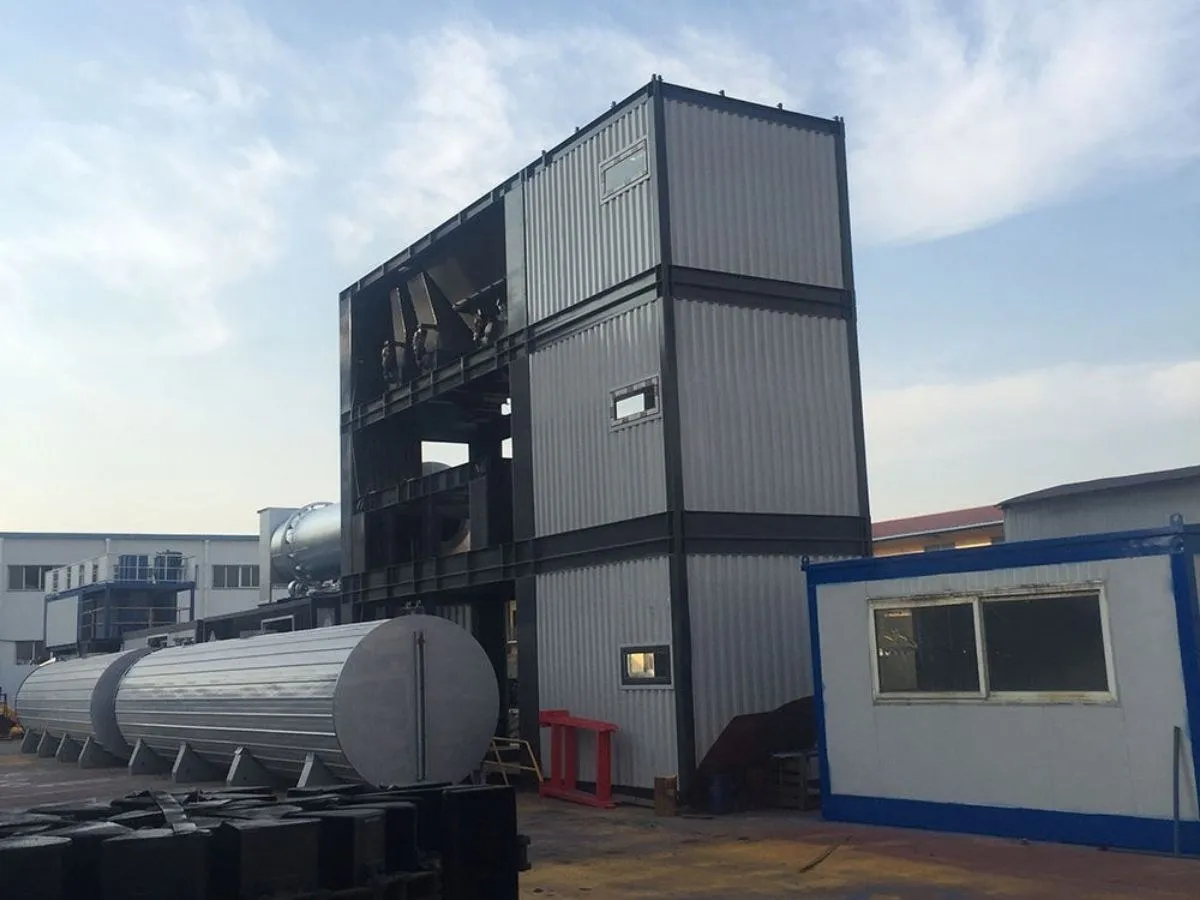
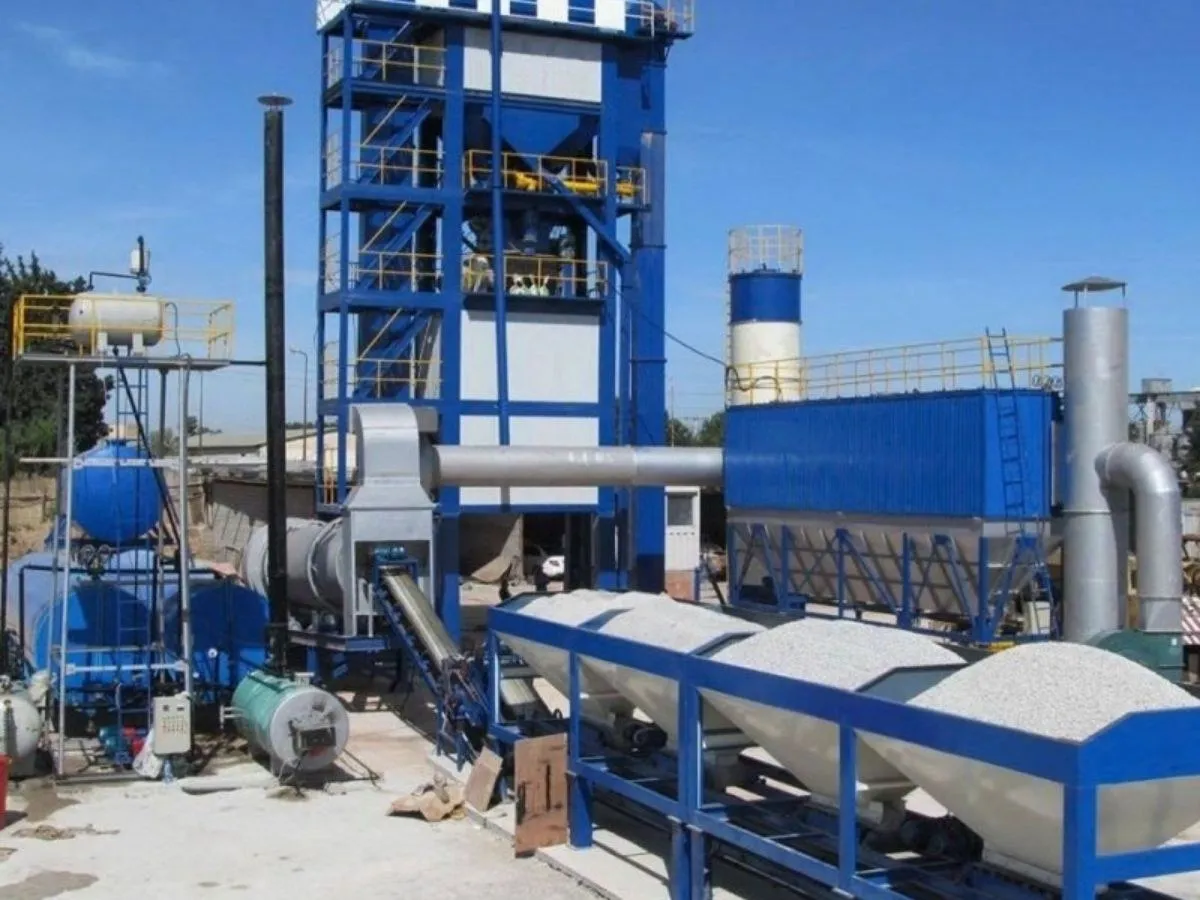
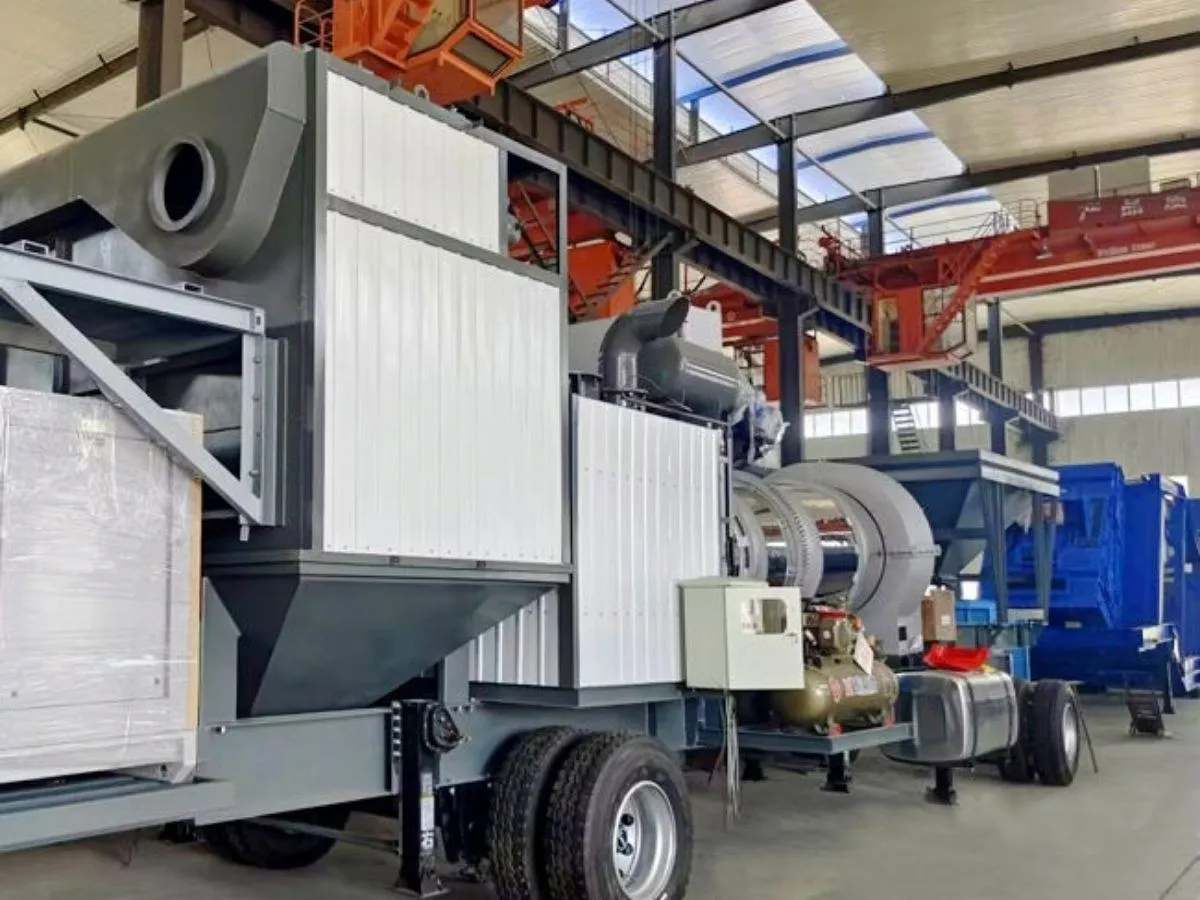
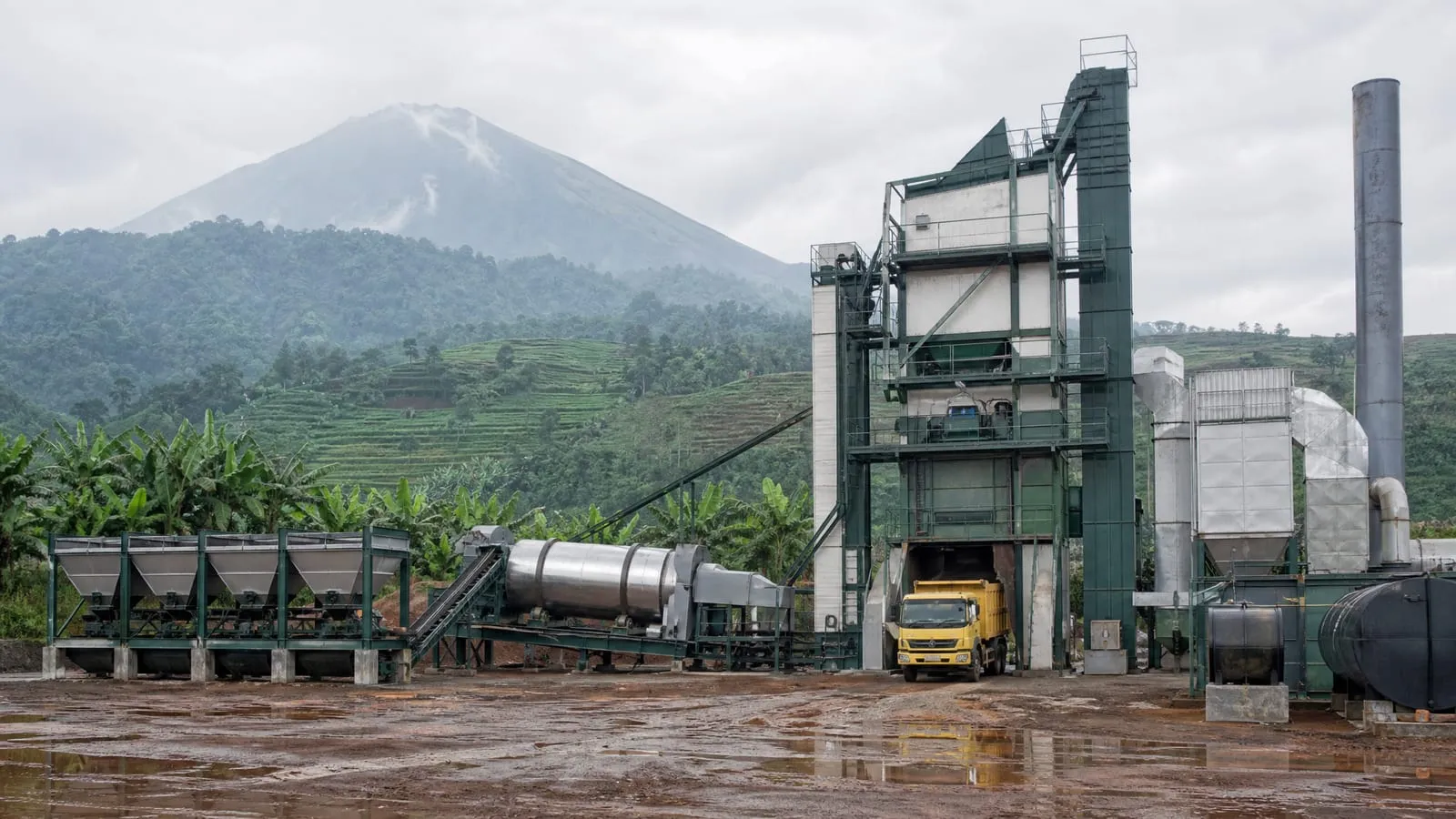
For national and provincial roads in Indonesia, a 50 Hz batch plant of 80–160 t/h, sized for wet aggregate, is the usual starting point. A containerized plant fits projects outside Java or on islands, where the plant must travel on ships and narrow roads; a stationary batch plant fits a long-term site near a city; a mobile plant fits maintenance work that moves every few months.
Indonesia at a glance for plant buyers
| Topic | What to know | What it means for the plant |
|---|---|---|
| Specification | Bina Marga General Specification, Division 6 (Laston AC-WC, AC-BC, AC-Base) | Batch plant for tight binder tolerances |
| Grid power | 50 Hz; low voltage 400/230 V | 50 Hz motors; generator outside strong grid areas |
| Climate | Humid tropical, with a main wet season in much of the country roughly November–March | Drum and burner sized for wet aggregate; covered fines |
| Geography | Thousands of islands; projects far from main ports | Container-sized modules, light foundations |
| Fuel | Diesel, fuel oil, natural gas in some regions, abundant coal | Burner choice by site and how often the plant moves |
| Trade | ASEAN–China Free Trade Area (Form E certificate of origin) | Preferential duty on many machinery lines; check your HS code |
Meeting Bina Marga Division 6
Indonesia’s road agency, Bina Marga (Directorate General of Highways), publishes the General Specification (Spesifikasi Umum). Division 6 covers asphalt pavements, including the three Laston (AC) mixes:
| Mix | Layer | Approx. maximum aggregate size |
|---|---|---|
| AC-WC | Wearing course | 19 mm |
| AC-BC | Binder course | 25.4 mm |
| AC-Base | Base course | 37.5 mm |
The specification sets Marshall properties (stability, voids in mix, VMA, VFB) and a tight tolerance on binder content against the job-mix formula. In practice that favors a batch plant: aggregate, filler and bitumen are weighed for every batch, and the hot screen separates aggregate into sizes before weighing, which absorbs some of the variation in stockpiles.
If the contract also includes modified-binder mixes, plan a heated tank for the modified binder and, if needed, an additive feeder.
Island-by-island logistics
| Region | Typical entry ports | Plan for |
|---|---|---|
| Java | Tanjung Priok (Jakarta), Tanjung Perak (Surabaya), Tanjung Emas (Semarang) | Dense traffic; truck routing and night deliveries |
| Sumatra | Belawan (Medan), Panjang (Lampung) and others | Long road distances; mobile or containerized plants |
| Kalimantan | Balikpapan, Banjarmasin, Pontianak | River and coastal transport; soft ground at many sites |
| Sulawesi | Makassar, Bitung | Mountainous roads; check the heaviest piece |
| Eastern islands and Papua | Smaller regional ports | Barge transport; containerized plants; generator power |
A containerized plant is easiest here: modules travel as standard container or flat-rack units on any vessel, and set up on a compacted pad without a concrete foundation. Before ordering, get the packing list and check every leg of the route — especially bridge limits and ferry or barge capacity — against the heaviest piece.
Fuel: coal, oil or gas?
| Fuel | Strengths | Watch out for |
|---|---|---|
| Diesel | Available everywhere; simple burner | Highest cost per unit of heat in many areas |
| Fuel oil | Cheaper per unit of heat | Needs heating and filtering; deposits on nozzles |
| Natural gas | Clean, low maintenance | Only where a supply exists |
| Coal powder | Low fuel cost where coal is cheap | Needs pulverized coal storage, feeding, fire and dust safety; best on long-term sites |
For a plant that will move between projects, a diesel or dual-fuel (diesel and fuel oil) burner is usually the practical choice. Coal makes sense for a stationary plant with steady output near a reliable coal supply.
Rain and aggregate moisture
Wet aggregate is the main output limiter in the rainy season: every extra percent of moisture must be dried off in the drum. We size the drying drum and burner for your realistic wet-season moisture, and recommend roofed storage for sand and fines, a drained stockpile pad, and sealed, cooled electrical rooms for the humidity.
Power
Indonesia’s grid runs at 50 Hz, with low-voltage supply at 400/230 V. Plants near industrial areas can often connect to the grid through a transformer; many project sites in Sumatra, Kalimantan, Sulawesi and the eastern islands run on diesel generator sets. Size the generator above the plant’s installed power — shown in each spec table — with a margin for motor starting.
Permits
An asphalt plant is an air-emission source and usually needs environmental approval before operating — depending on scale and location, an AMDAL or UKL-UPL-based approval, processed through Indonesia’s business licensing system — plus local permits. Requirements change and depend on the site, so confirm them with a local environmental consultant. We provide the technical data these applications need: layout, baghouse and stack data, fuel and power use.
Indonesia also regulates imports of used capital goods; if you are considering a used plant, check the current import rules first.
Which plant type for which Indonesian project
| Project | Suggested plant |
|---|---|
| National road package outside Java, 2–3 years | RMX-C120 or RMX-C160 containerized batch |
| Provincial roads, several short packages | RMX-M80 or RMX-M120 mobile batch |
| City plant near Jakarta, Surabaya or Medan supplying several contractors | RMX-B160–B240 stationary batch with hot mix silo |
| District roads with one standard mix | RMX-D60 or RMX-D80 drum mix |
Indicative prices for each are in the price guide.
How Roadmixa supports Indonesian projects
We support Indonesian customers from China: engineers review the configuration before the order, travel to site for installation supervision, commissioning and training, and stay available by phone, WhatsApp and video afterwards. Spare parts ship by sea, or by air for urgent items; we recommend a first-year wear-parts stock on site, especially for projects far from main ports. Training is in English; we work with your interpreter where needed. We do not have an office in Indonesia.
What to include in your inquiry
- Output per hour and per day; mixes (AC-WC, AC-BC, AC-Base, others)
- Site location (province, nearest port) and transport route
- How long the plant stays at each site
- Fuel available; grid power or generator
- Aggregate source and wet-season moisture
- Emission limits or permit conditions known so far
Sources
Bina Marga General Specification 2018 (Revision 2), Division 6 — summaries published by provincial public works offices; mains electricity by country. Rules change — confirm current requirements with the relevant agencies.