The short answer
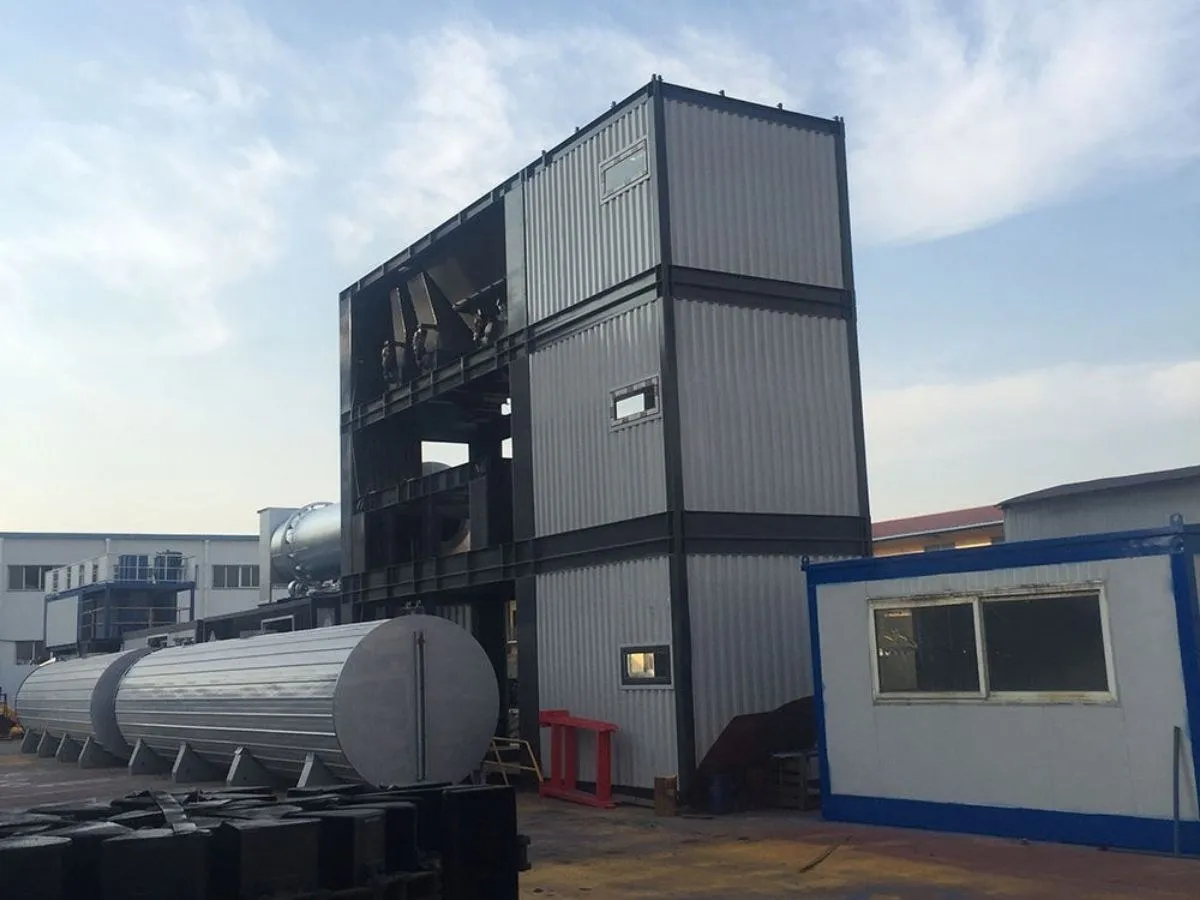
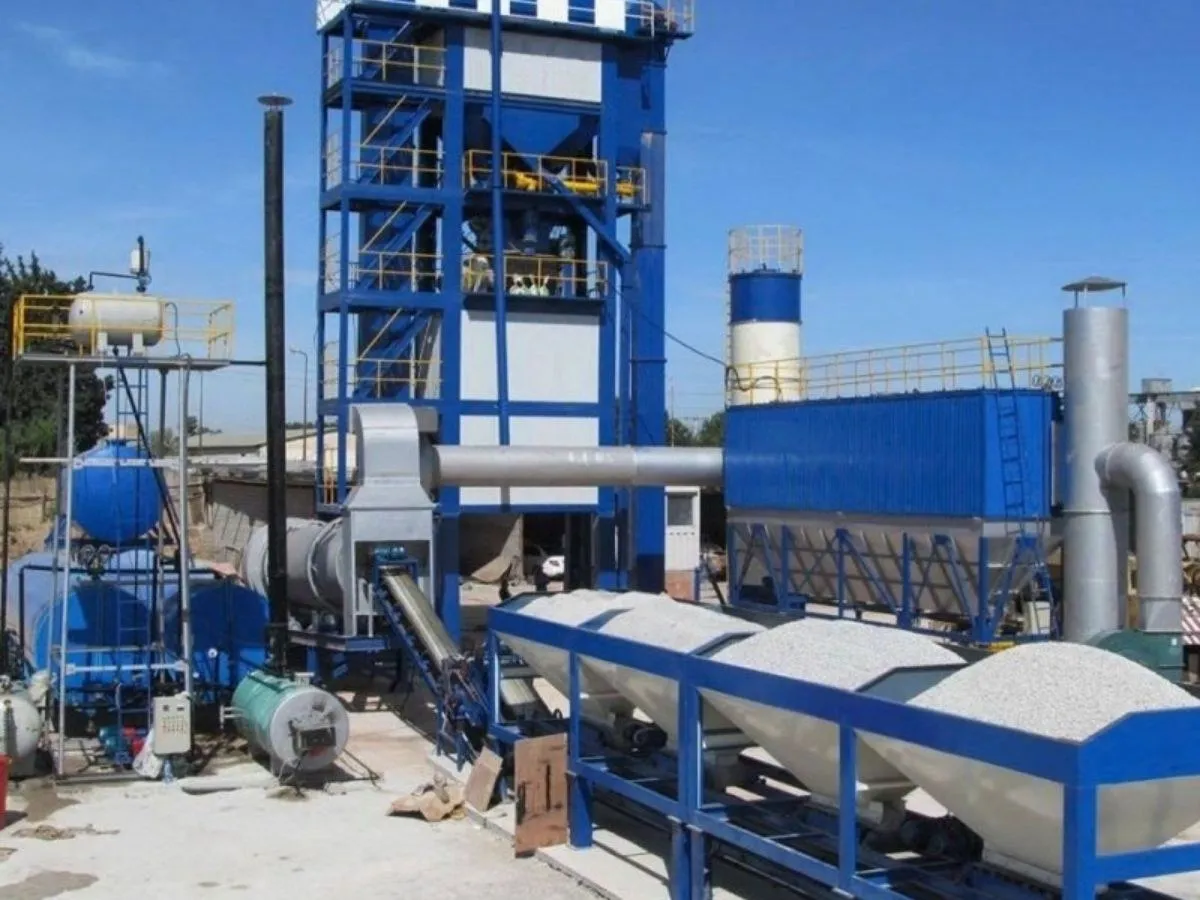
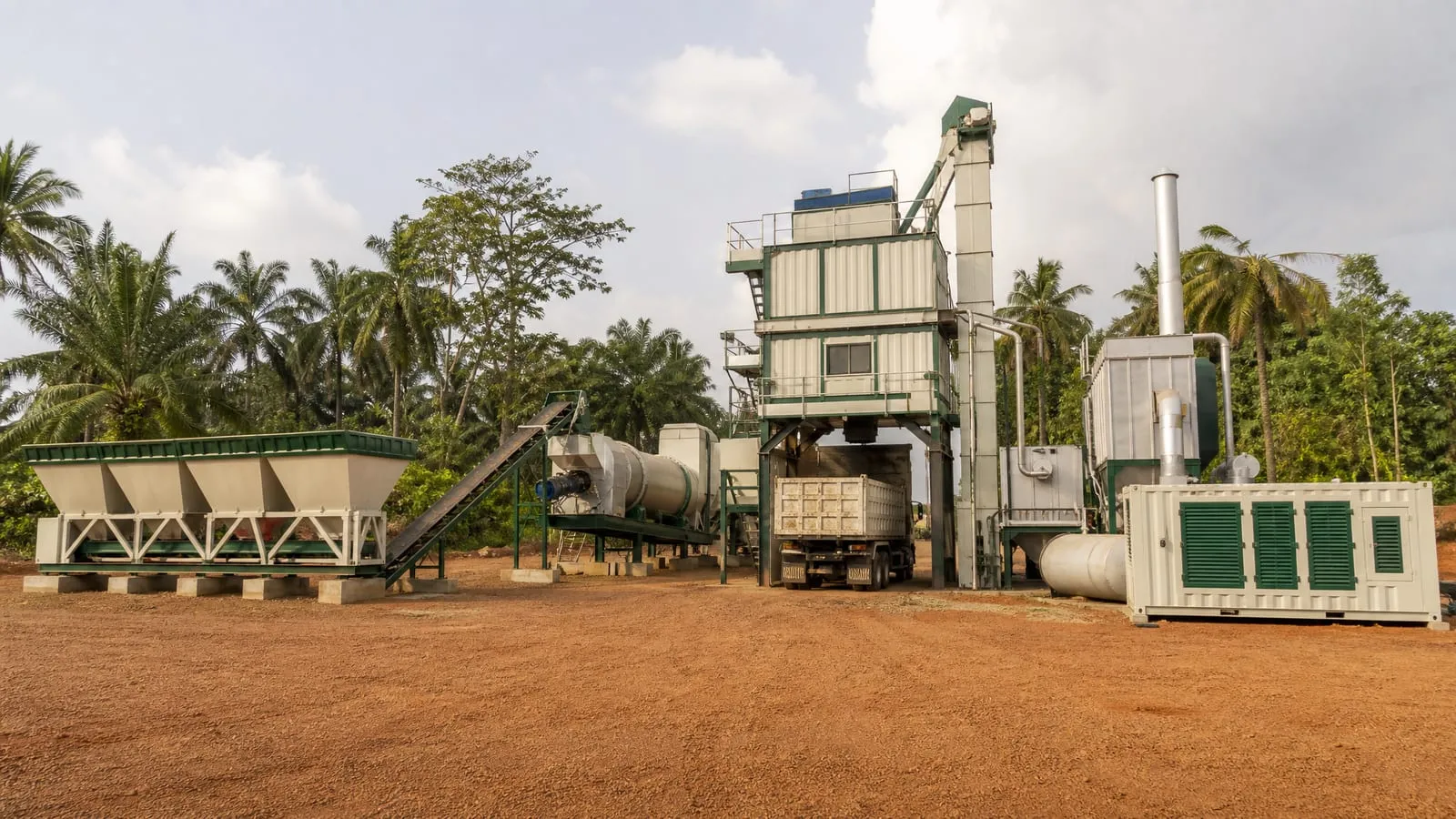
For most Nigerian road projects, choose a batch plant of 80–160 t/h with a generator sized for it, a dual-fuel burner, and SONCAP planned before the plant ships. A containerized plant suits contractors who move between states; a stationary batch plant suits a permanent site near Lagos, Abuja or Port Harcourt; a drum mix plant suits rural roads with one standard mix.
Nigeria at a glance for plant buyers
| Topic | What to know | What it means for the plant |
|---|---|---|
| Power | Grid supply is often unreliable at plant sites; 50 Hz, 415/230 V | Diesel generator sized above installed kW; stable controls |
| Import | SONCAP certification for regulated products | Arrange Product Certificate and SONCAP Certificate before shipment |
| Fuel | Diesel (AGO), low pour fuel oil (LPFO) | Dual-fuel burner; heated fuel tank for LPFO |
| Climate | Rainy season roughly April–October in the south; Harmattan dust in the dry season in the north | Wet-season drying capacity; good air filtration for electrics |
| Ports | Lagos (Apapa, Tin Can Island), Onne | Allow time for clearance and inland haulage |
| Specifications | FMW General Specifications for Roads and Bridges on federal projects | Batch plant for surface courses with tight tolerances |
Power: plan the generator with the plant
On many Nigerian sites the plant runs entirely on diesel generators. That makes three decisions part of the plant purchase:
- Generator size. Start from the plant’s installed power (in each spec table) and add a margin for starting the exhaust fan, drum and mixer motors. Soft starters on the largest motors reduce the generator size needed. Our generator size calculator gives a first estimate.
- Number of sets. Two smaller sets in parallel give redundancy — production continues at reduced load if one fails.
- Fuel logistics. A 120 t/h plant and its generator together consume several tons of fuel a day. Plan bulk storage, delivery and theft prevention.
We configure the control system to ride through brief power dips and to shut down in a safe sequence if power fails, protecting the drum, mixer and baghouse.
SONCAP: import certification step by step
The Standards Organisation of Nigeria (SON) runs SONCAP, a pre-shipment conformity program for regulated products. The usual sequence:
| Step | Who | Result |
|---|---|---|
| 1. Check whether the shipment is regulated | Importer with an accredited agent | Confirms what is needed |
| 2. Product certification | Exporter and accredited agent (testing or document review) | Product Certificate |
| 3. Consignment certification before shipment | Accredited agent | SONCAP Certificate (SC) |
| 4. Customs clearance in Nigeria | Importer and customs broker | SC presented with Form M and other import documents |
Product Certificates come in levels; an unregistered certificate covers one shipment, while registered or licensed status lasts longer. Bona fide manufacturers importing machinery for their own production may instead qualify for a SON import permit. Start this early — goods arriving without the required certificate can be detained. We provide technical files, drawings and product information to the agent you appoint.
Fuel: diesel or LPFO
| Diesel (AGO) | Low pour fuel oil (LPFO) | |
|---|---|---|
| Cost per unit of heat | Higher | Lower |
| Handling | Simple, no heating | Heated storage and lines; filtering |
| Burner maintenance | Low | More nozzle cleaning |
| Best for | Mobile plants, small outputs | Stationary plants with steady output |
A dual-fuel burner lets you start on diesel and switch to LPFO once the burner is hot, or change fuel with prices.
Rain, dust and aggregate
In the south, the rainy season runs roughly from April to October, with heavy downpours that soak stockpiles and stop paving. In the north, the dry Harmattan season brings fine dust. Plan for:
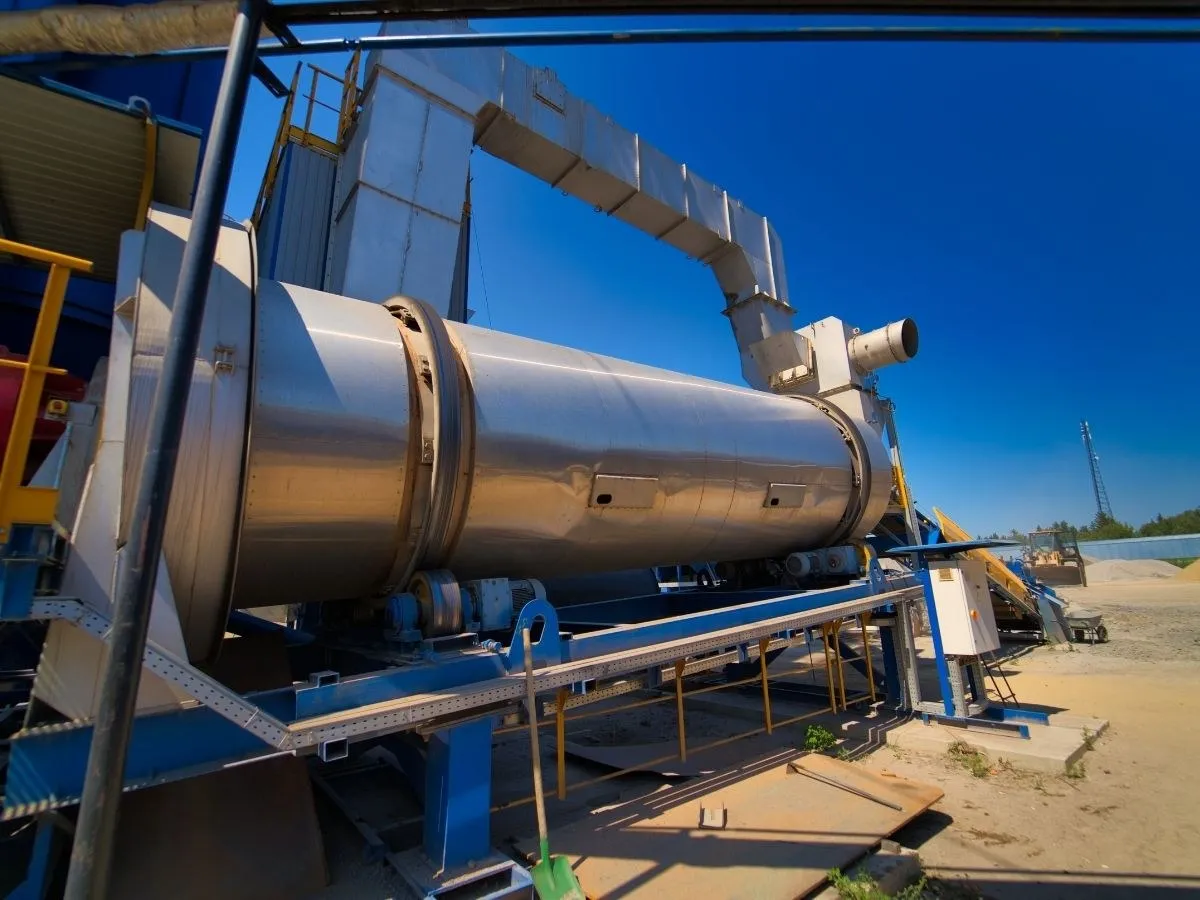
- Drying drum and burner sized for wet-season moisture
- Roofed stockpiles for sand and fines; drained stockpile pads on laterite soil
- Sealed, filtered electrical cabinets and control room
- A hot mix storage silo, so production can continue while trucks wait out a downpour
Ports and inland transport
Most plants arrive through Lagos — Apapa or Tin Can Island — or Onne in Rivers State. Port congestion and clearance can take time; build it into the schedule and agree who handles clearance under the contract’s Incoterms. For inland haulage, check bridge limits and road condition for the heaviest piece on the packing list. Containerized modules travel on standard trucks and are easiest to move between states.
Which plant type for which Nigerian project
| Project | Suggested plant |
|---|---|
| Federal highway section, 2–3 years | RMX-C120 or RMX-C160 containerized batch |
| State road programs, several sites | RMX-C80 containerized or RMX-M80 mobile batch |
| Commercial plant near Lagos, Abuja or Port Harcourt | RMX-B160–B240 stationary batch with hot mix silo |
| Rural roads with one standard mix | RMX-D60 or RMX-D80 drum mix |
See indicative prices in the price guide.
How Roadmixa supports Nigerian projects
We support Nigerian customers from China: configuration review before the order, technical files for SONCAP, engineers on site for installation supervision, commissioning and training, and remote help by phone, WhatsApp and video afterwards. Spare parts ship by sea, or by air for urgent items; we recommend a generous first-year wear-parts stock because of clearance times. Training is in English. We do not have an office in Nigeria.
What to include in your inquiry
- Output per hour and per day; mixes and specification
- Site state and nearest port
- Power: grid connection or generator; existing generators
- Fuel available: diesel, LPFO or both
- How long the plant stays at each site
- Who will handle SONCAP and clearance
Sources
Standards Organisation of Nigeria — SONCAP and SONCAP FAQ; mains electricity by country. Requirements change — confirm current rules with SON, your customs broker and the project’s engineer.