The short answer
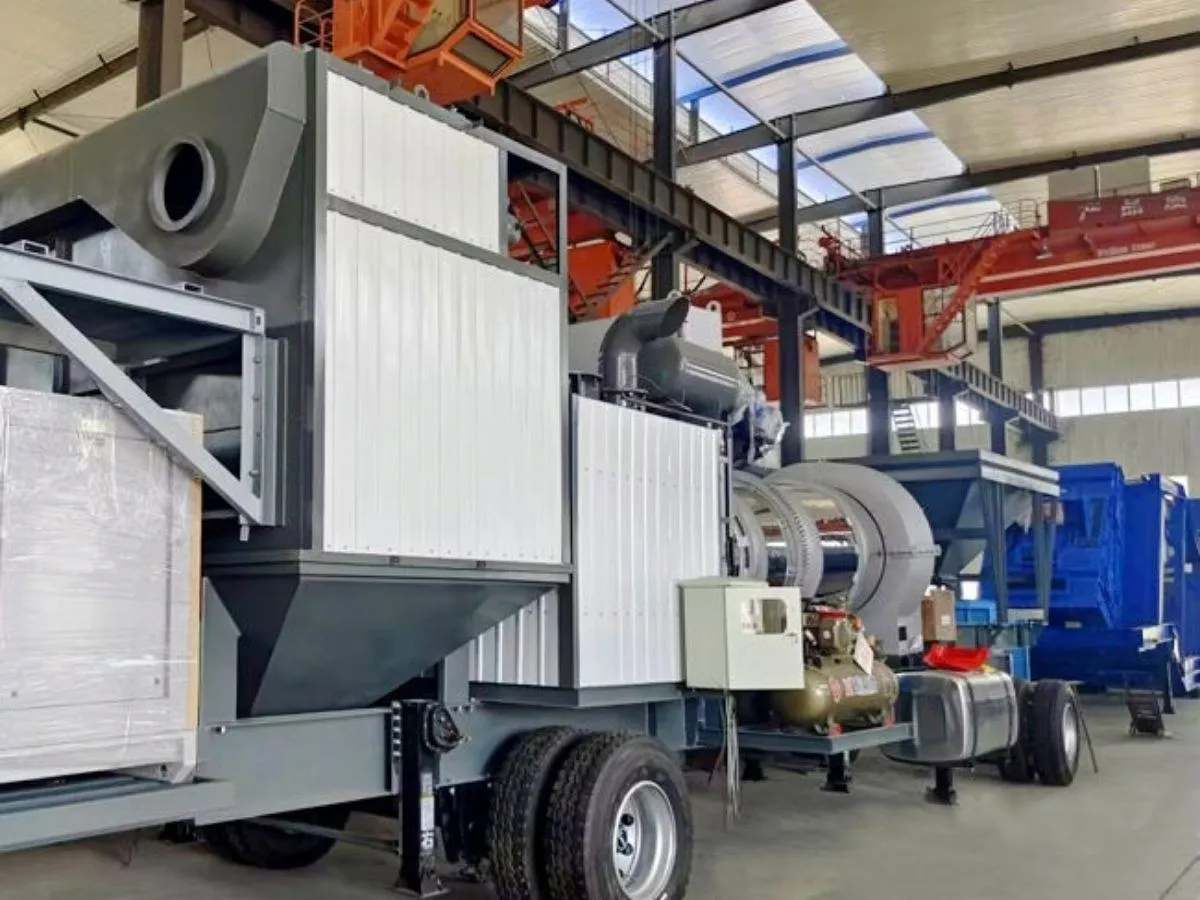
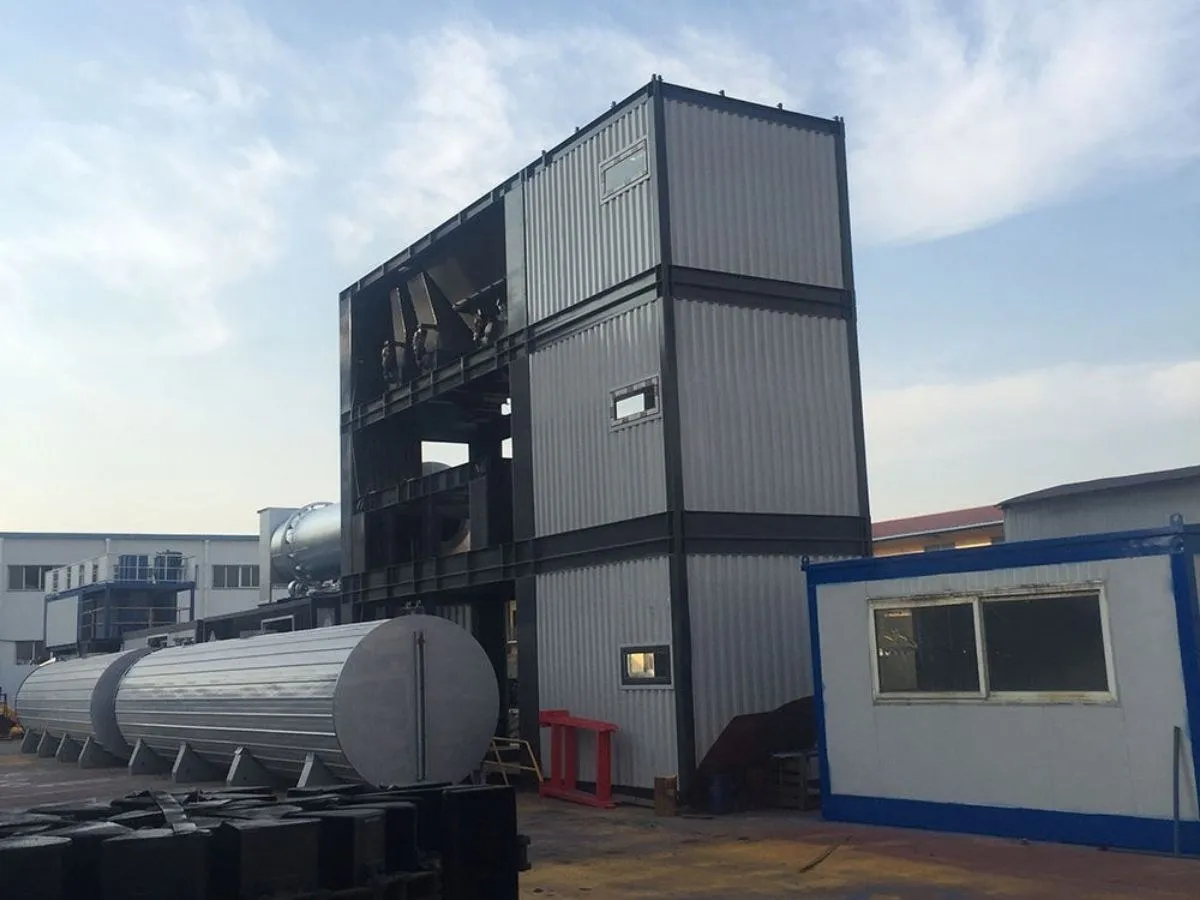
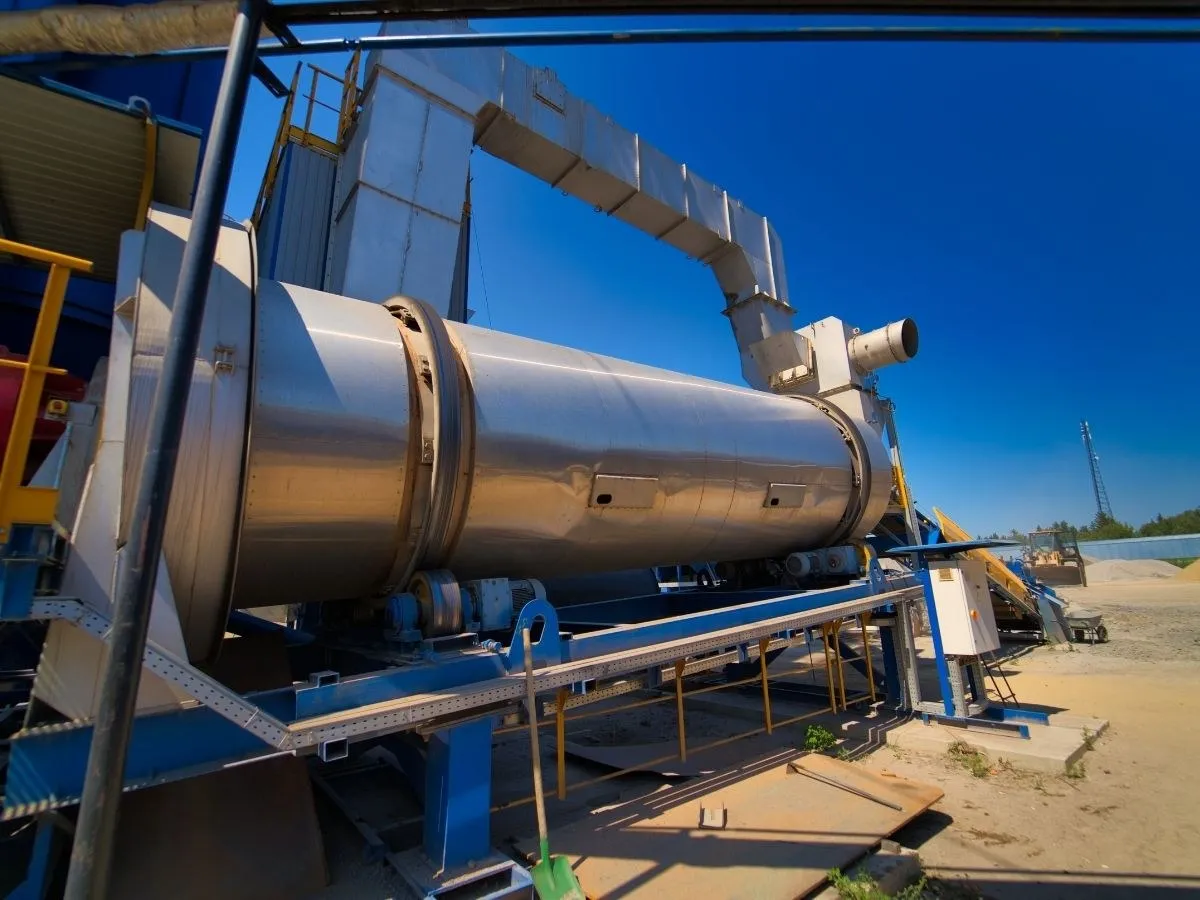
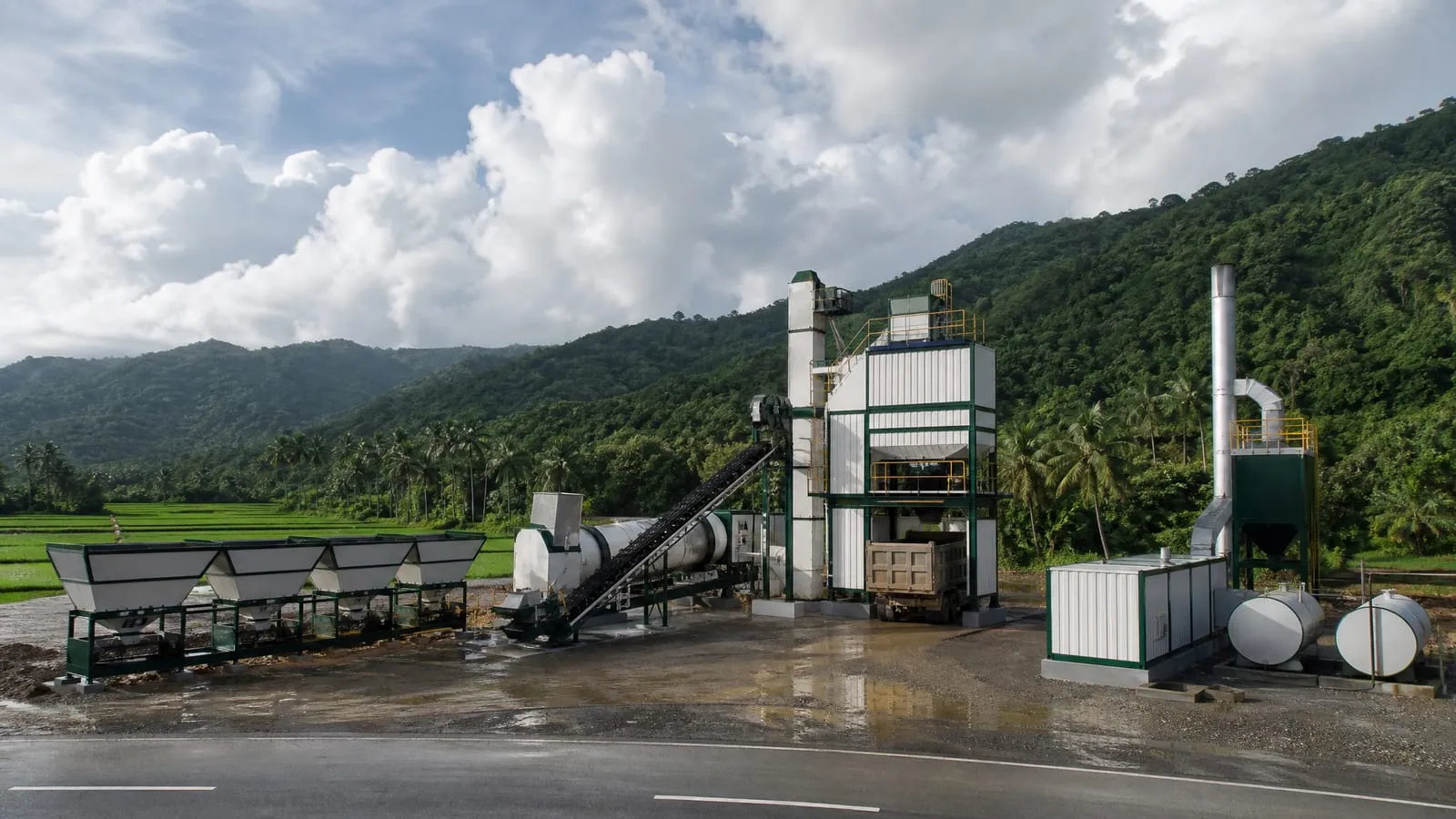
For Laos, a containerized or mobile plant of 60–80 t/h is the usual starting point, because modules travel better on mountain roads. See the containerized plant, the mobile plant and the drum-mix plant for simple mixes.
Laos at a glance for plant buyers
| Topic | What to know | What it means for the plant |
|---|---|---|
| Network | 59,963.61 km: 1.45% concrete, 12.03% asphalt concrete (2025 presentation) | Most roads are not yet asphalt |
| Other estimate | About 23% paved (logistics cluster) | Definitions differ |
| Coverage | All provincial capitals and 147 districts connected by asphalt roads (KPL report) | Demand shifts to maintenance and links |
| Access | Landlocked; through Thailand or Vietnam | Border crossing and transit rules |
| Power | 50 Hz | Generator for remote sites |
What the figures say
A 2025 Department of Roads presentation gives a total network of 59,963.61 km, with 1.45% concrete and 12.03% asphalt concrete pavement. A logistics-cluster profile gives about 23% paved, and a 2009 JICA-era figure put the national roads at about 55% paved, so the share depends on the definition and the road class. A Lao news agency (KPL) report says all provincial capitals and 147 districts, 99.3%, are connected by asphalt roads. Use these as context and ask the client for the network in your tender.
Choosing the plant
| Job | Starting point |
|---|---|
| National or provincial road lot | Containerized RMX-C80 |
| Maintenance across districts | Mobile RMX-M60 |
| Rural links, simple mix | Drum-mix RMX-D40 |
Mountain transport
Check road width, bridge limits and axle loads along the route before the order; container-sized modules help (moving a containerized plant). Border crossings add time, so build it into the schedule.
Next steps
Send us your route, tonnage and fuel and we will propose a configuration.
Sources: Department of Roads presentation to UNCRD (2025); Logistics Cluster; Lao News Agency (KPL).