The short answer
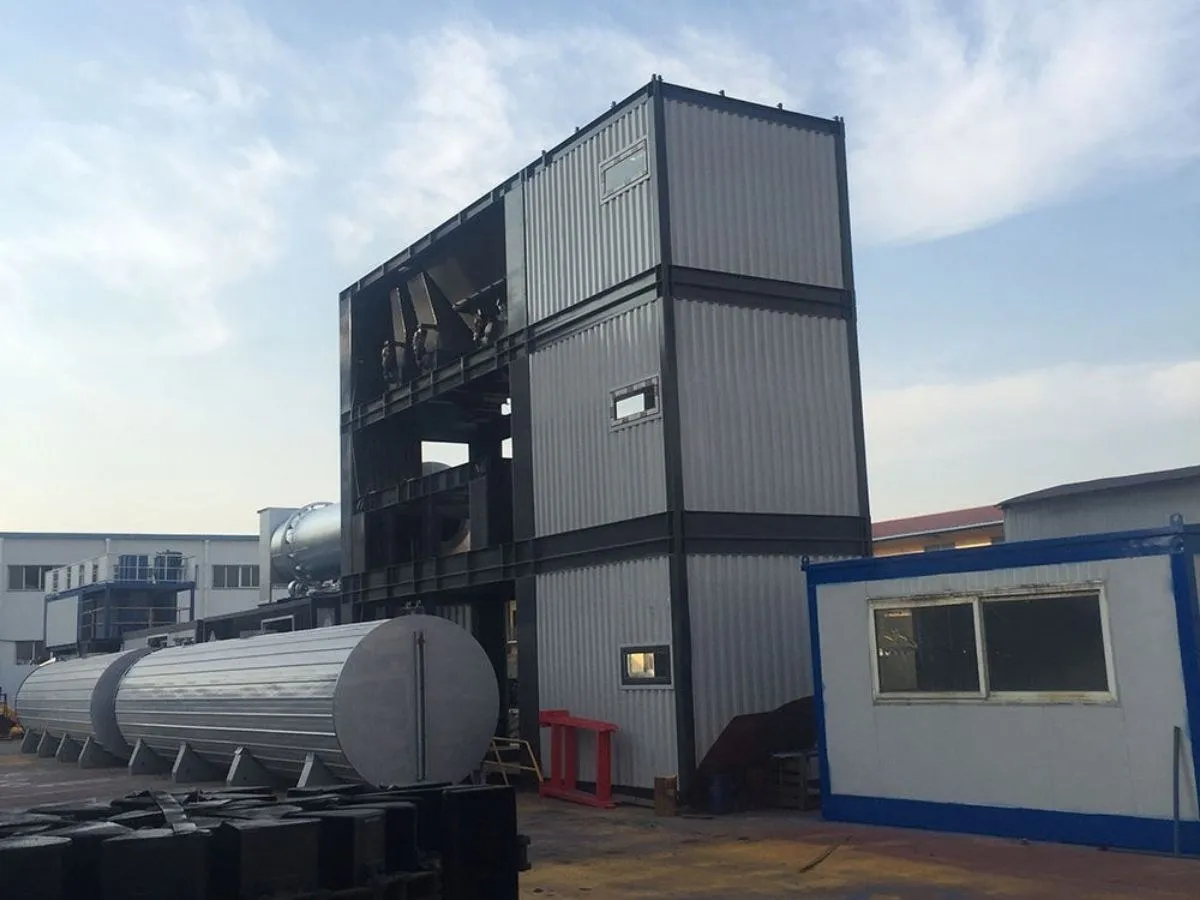
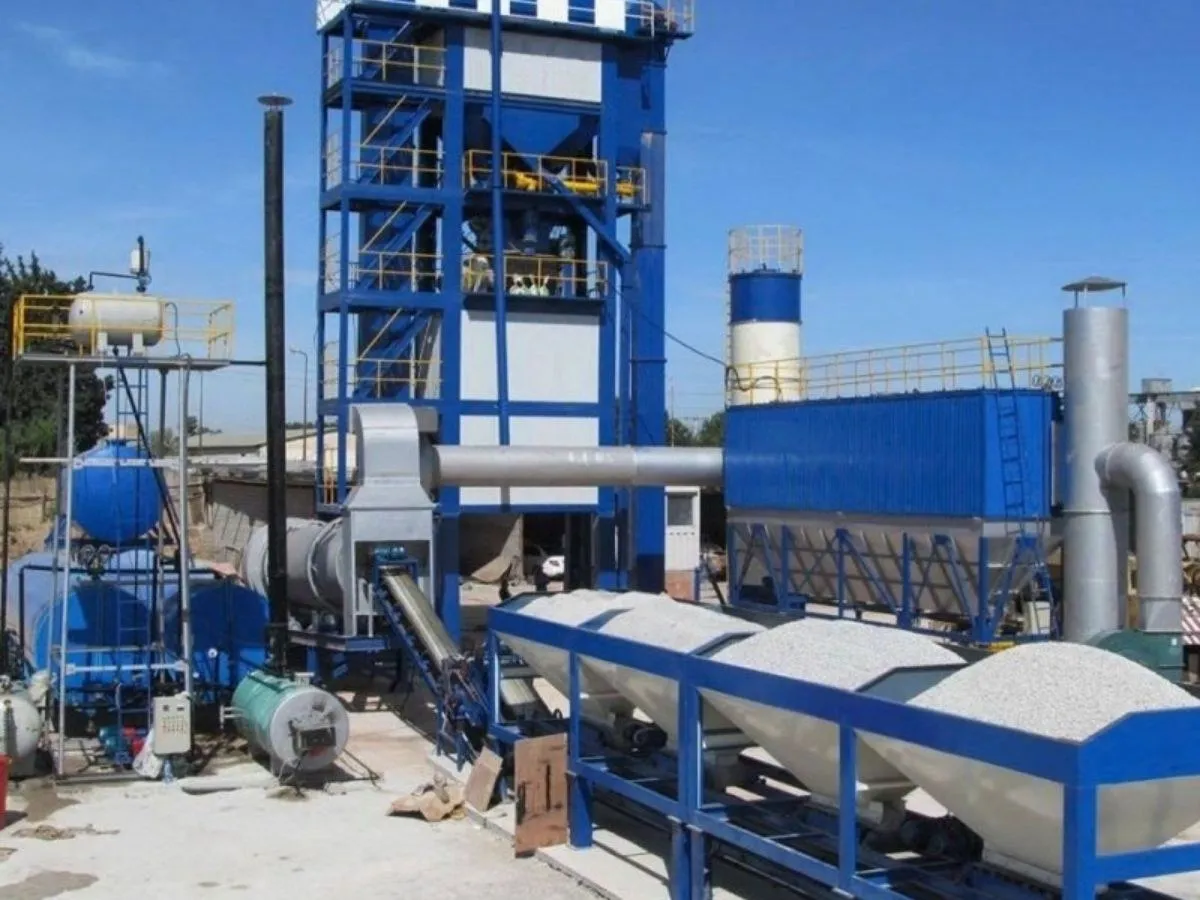
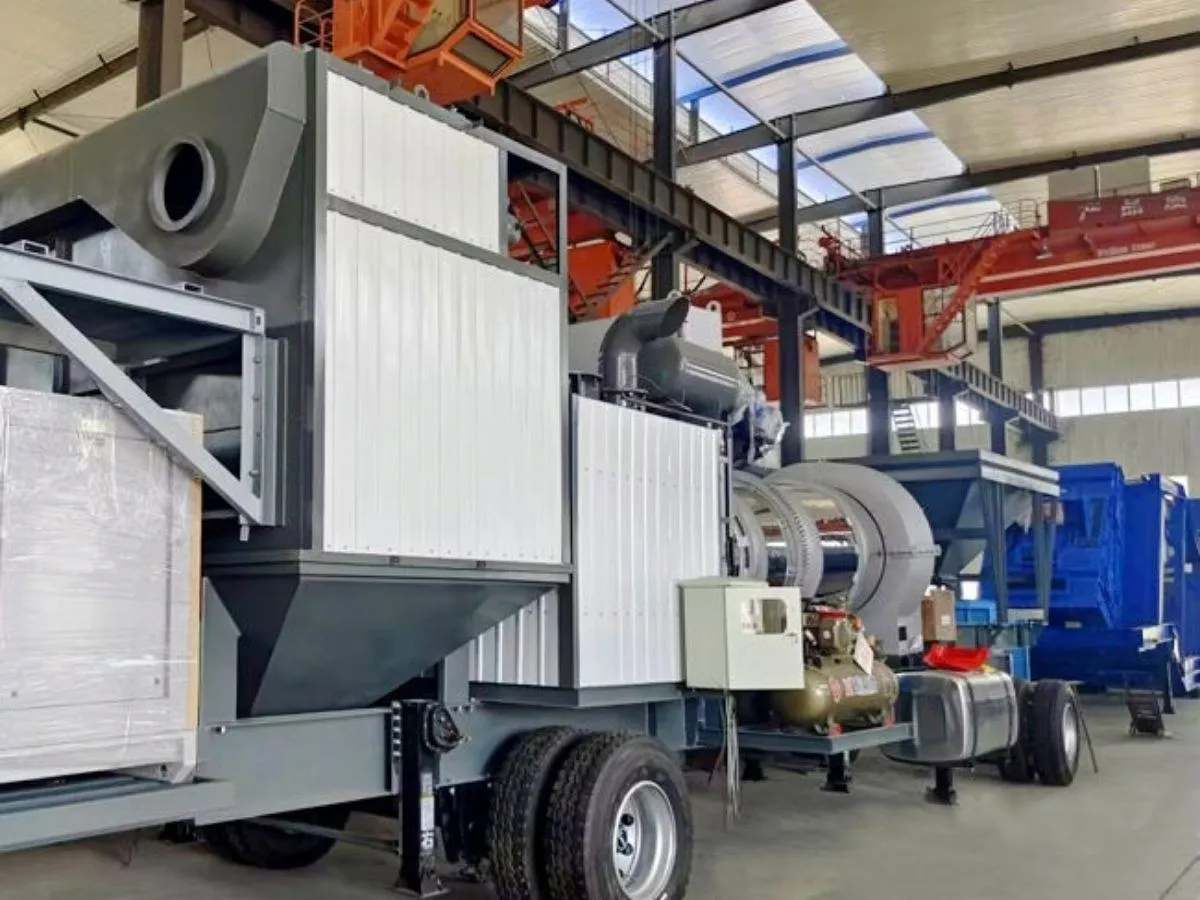
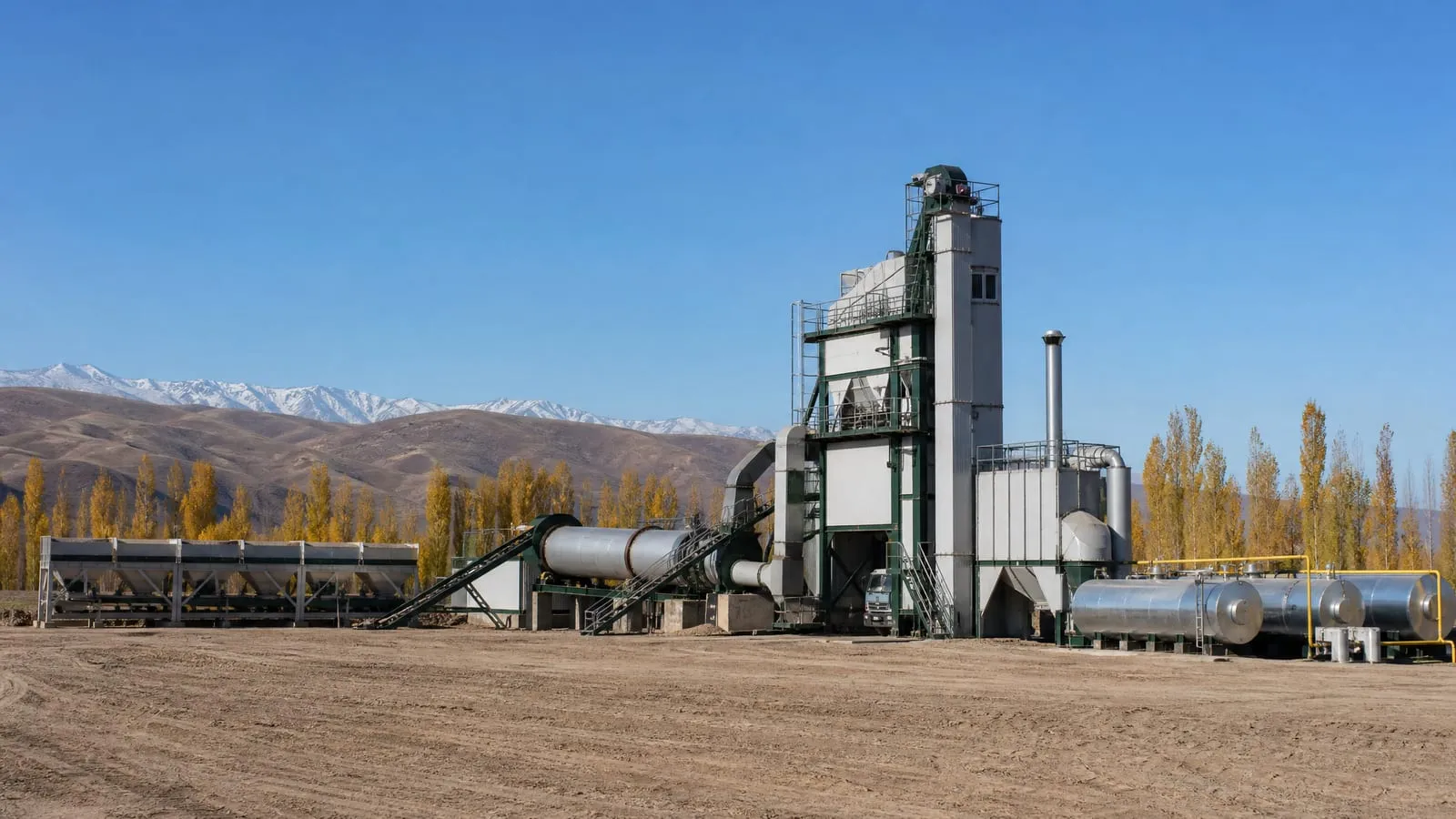
For Mongolia, a containerized or stationary batch plant of 80–160 t/h, built for cold with heated bitumen storage, is the usual starting point. The containerized plant assembles fast in a short season; the stationary batch plant fits a long-term base in Ulaanbaatar; a mobile plant suits aimag roads.
Mongolia at a glance for plant buyers
| Topic | What to know | What it means for the plant |
|---|---|---|
| Network | 111,916 km, all classes (2023 ministry deck); older ADB data: 48,538 km, 13.2% paved | Large country, thin paved network |
| 2024 plans | 5,045 km of roads and 3,056 m of bridges planned; 361 km of paved roads in a World Bank project | Active programme, short season |
| Climate | Severe winters, short paving season | Insulation, heated storage, winter shutdown |
| Access | Landlocked; usually via China | Plan route and transit |
| Power | 50 Hz | Generator for remote aimag sites |
What the figures say
A June 2023 ministry presentation lists 111,916 km of roads of all classes; an ADB sector assessment using about 2015 data gave 48,538 km with 6,406 km (13.2%) paved. The two totals cover different classes, so they are not comparable. For 2024 the ministry reported plans to build 5,045 km of roads and 3,056 m of bridges, and a World Bank-funded project covered 361 km of paved roads to be renewed and improved. I found no clean current paved total.
Choosing the plant
| Job | Starting point |
|---|---|
| Ulaanbaatar base or large package | Stationary batch RMX-B160 |
| Aimag roads, fast set-up | Containerized RMX-C120 |
| Short repair lots | Mobile RMX-M80 |
Cold climate
Specify insulated hot-mix storage, heated bitumen lines, cold-start procedures for the burner and a shutdown routine for the winter (cold and altitude guide, winter shutdown). Keep the commissioning dates inside the season.
Next steps
Send us your site, tonnage and fuel and we will propose a configuration.
Sources: Ministry of Road and Transport Development presentation (June 2023); ADB sector assessment (about 2015); ministry plan for 2024.