The short answer
For Ugandan road upgrades, a batch plant of 80–160 t/h is the usual starting point; plan the route from Mombasa before the order. A containerized or mobile plant suits contractors who move between districts, and a stationary batch plant suits a commercial base.
Uganda at a glance for plant buyers
| Topic | What to know | What it means for the plant |
|---|---|---|
| Paved stock | 6,133 km reported for FY2022–23, after +254.5 km that year | Steady annual paving, not one giant programme |
| Network | About 21,544 km national roads (older analysis); most are unpaved | Gravel-to-bitumen upgrades drive demand |
| Client | UNRA until 2024; functions reported moved to the Ministry of Works and Transport | Check the specification and client per contract |
| Access | Landlocked; usually Mombasa, then road | Container-sized modules; plan transit |
| Power | 50 Hz; confirm voltage by site | 50 Hz motors; generator where the grid is weak |
What the figures say
UNRA’s FY2022–23 performance report gave a paved national stock of 6,133 km after 254.5 km were added in the year. An earlier UNRA briefing for 2020/21 put the paved stock at 5,591 km, or 22.6% of the national network. Those two numbers imply different network bases, so do not combine them. A budget document for 2024/25 lists planned upgrades such as a 115 km Kitgum–Kidepo road, but it gives no national paved total. These are the latest figures I found, not a current survey.
Choosing the plant
| Job | Starting point |
|---|---|
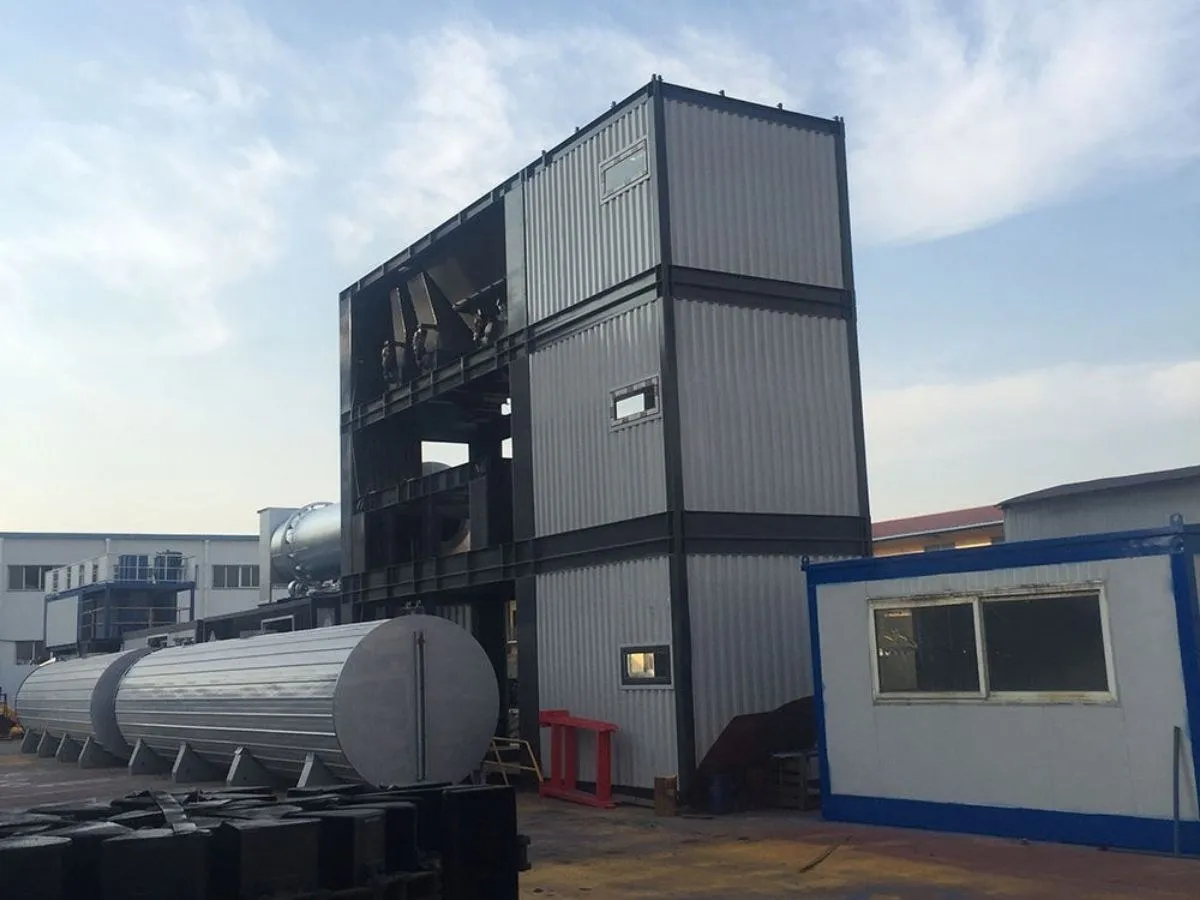
| Upgrade lots in several districts | Containerized RMX-C120 |
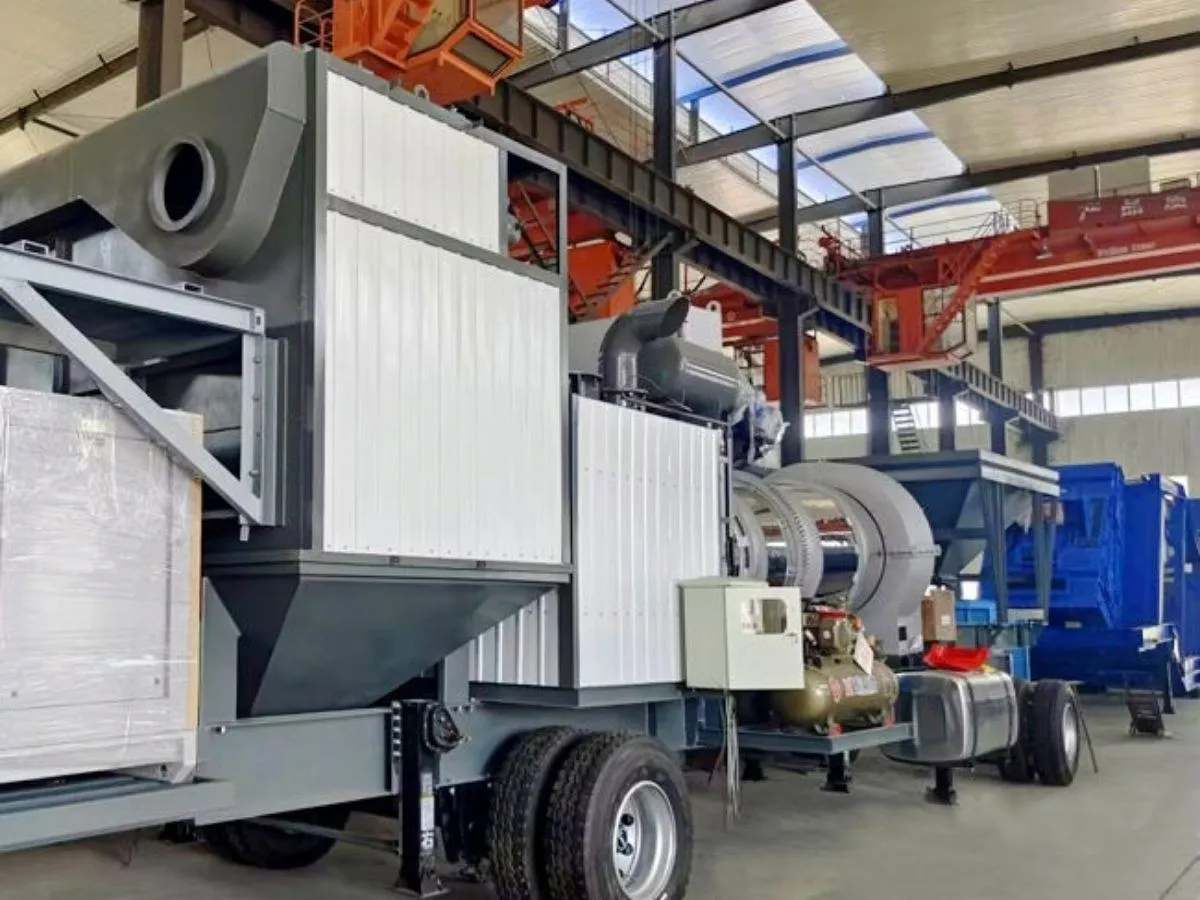
| Maintenance and short lots | Mobile RMX-M80 |
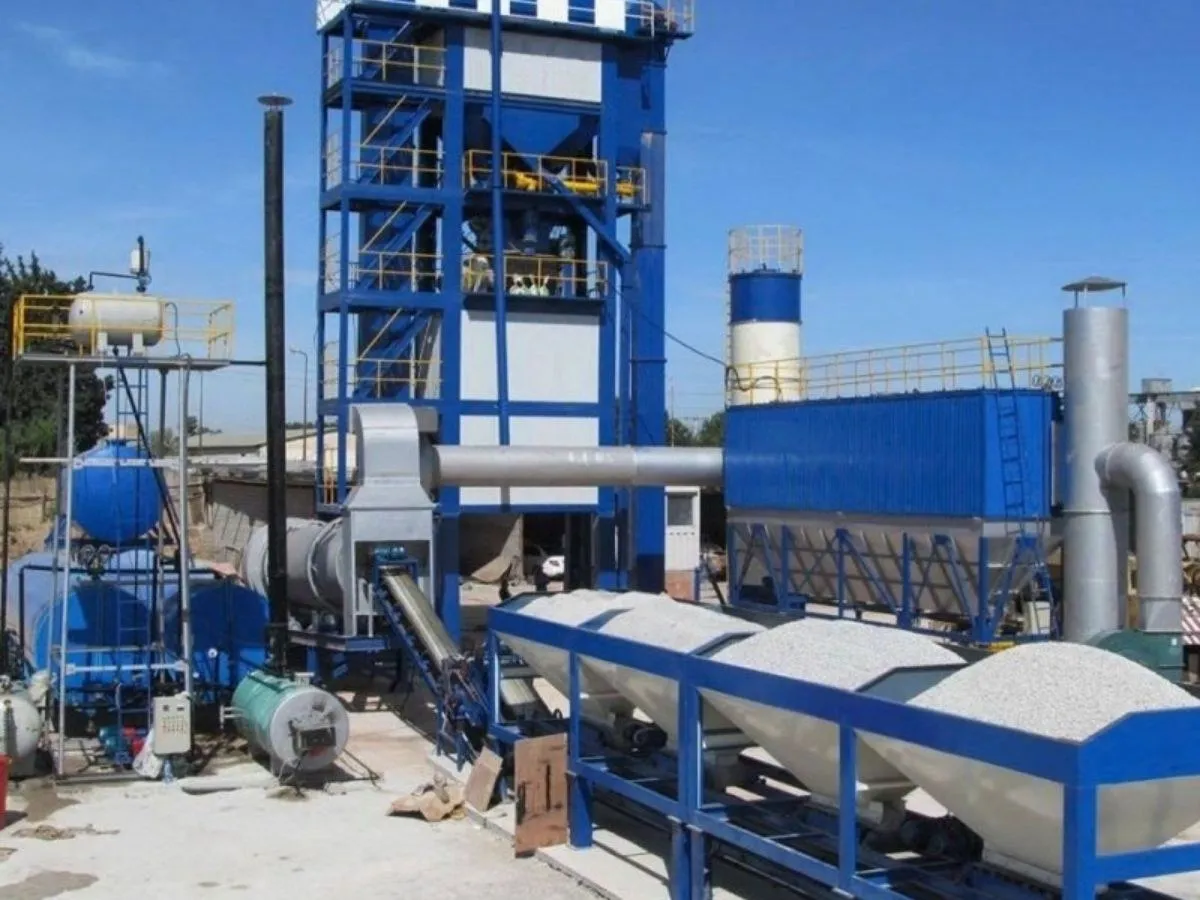
| Commercial plant near Kampala | Stationary batch RMX-B120 |
Landlocked logistics and altitude
Plan the port, transit time, customs and the heaviest piece against road limits; the shipping checklist and import documents for Africa help. Much of Uganda is at moderate altitude, where thinner air slightly reduces burner output; tell us the site height.
Next steps
Send us your tonnage, district and fuel and we will propose a configuration.
Sources: Uganda National Roads Authority performance report FY2022–23 and briefing for 2020/21; Wikipedia on the December 2024 repeal.