The short answer
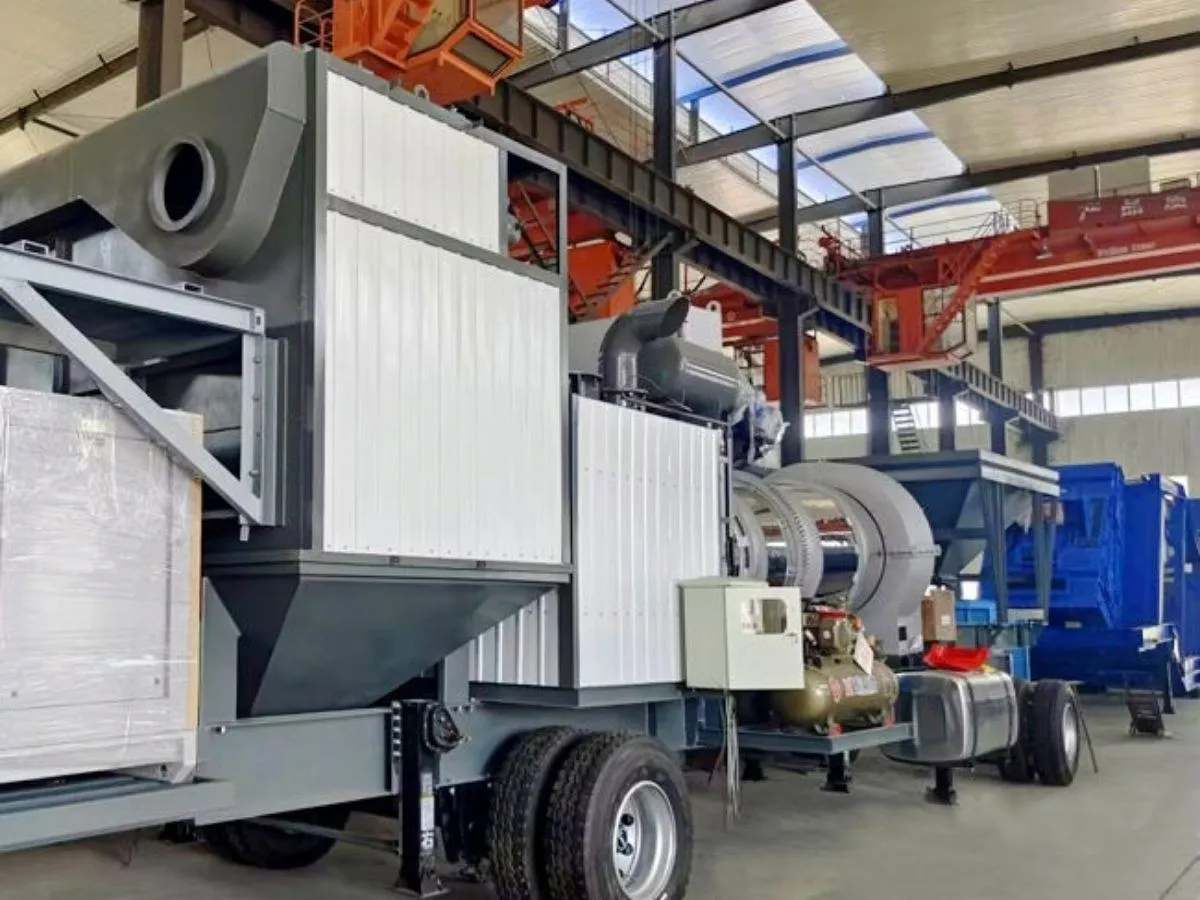
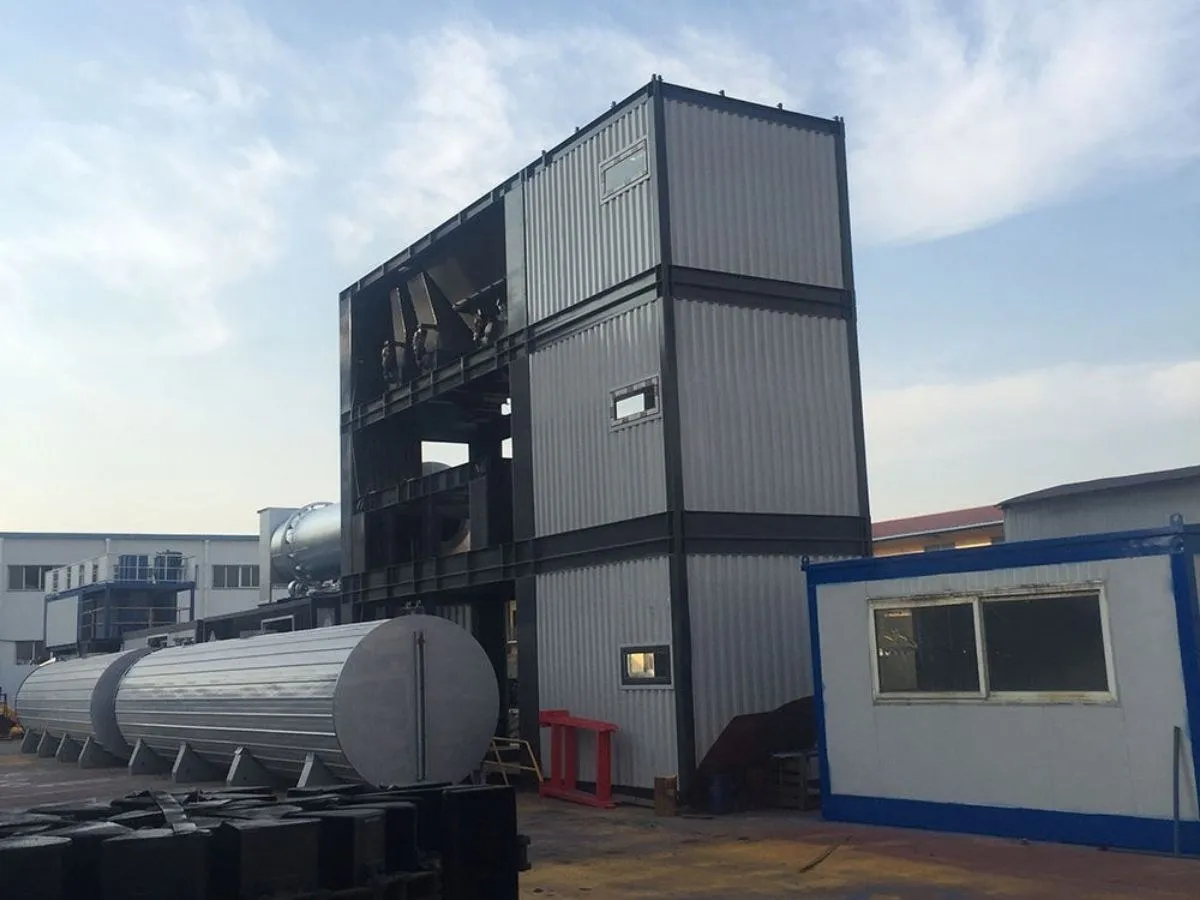
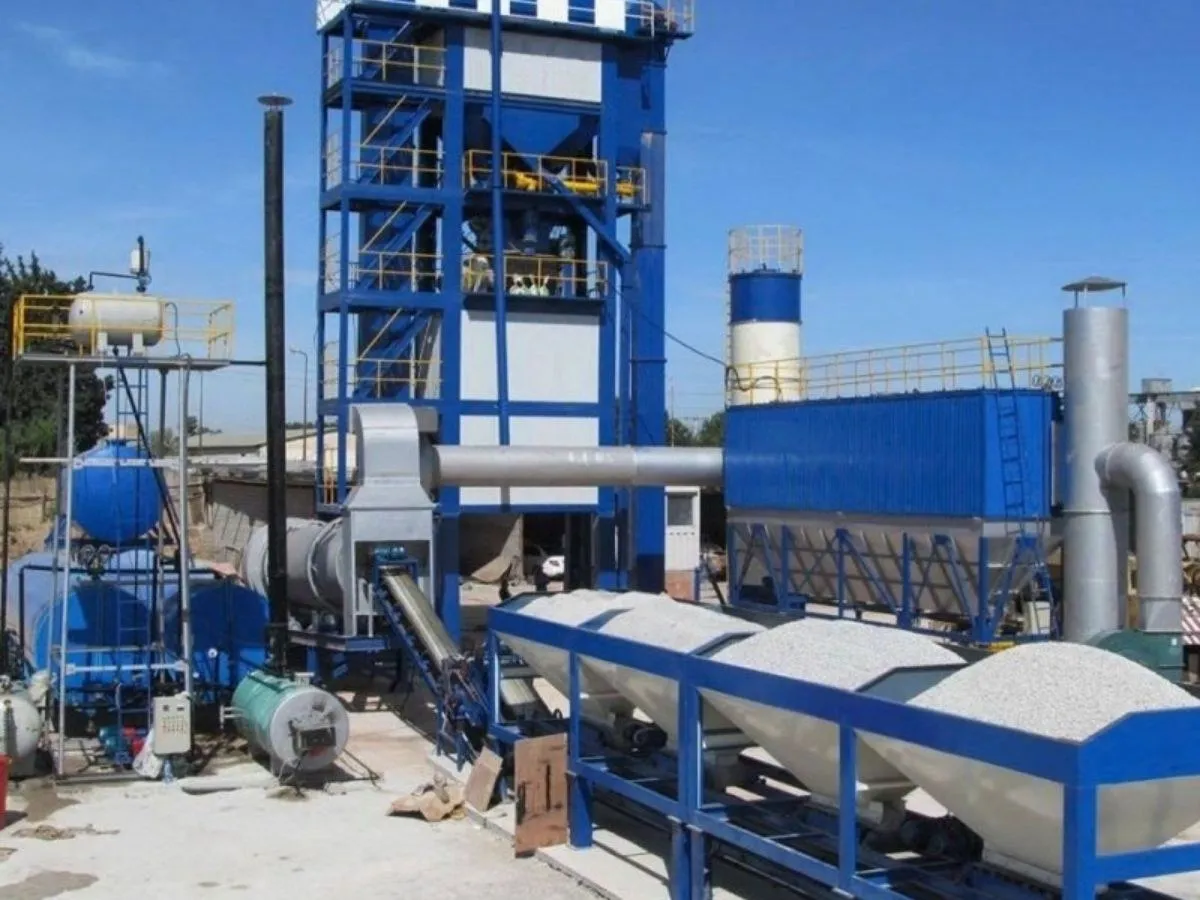
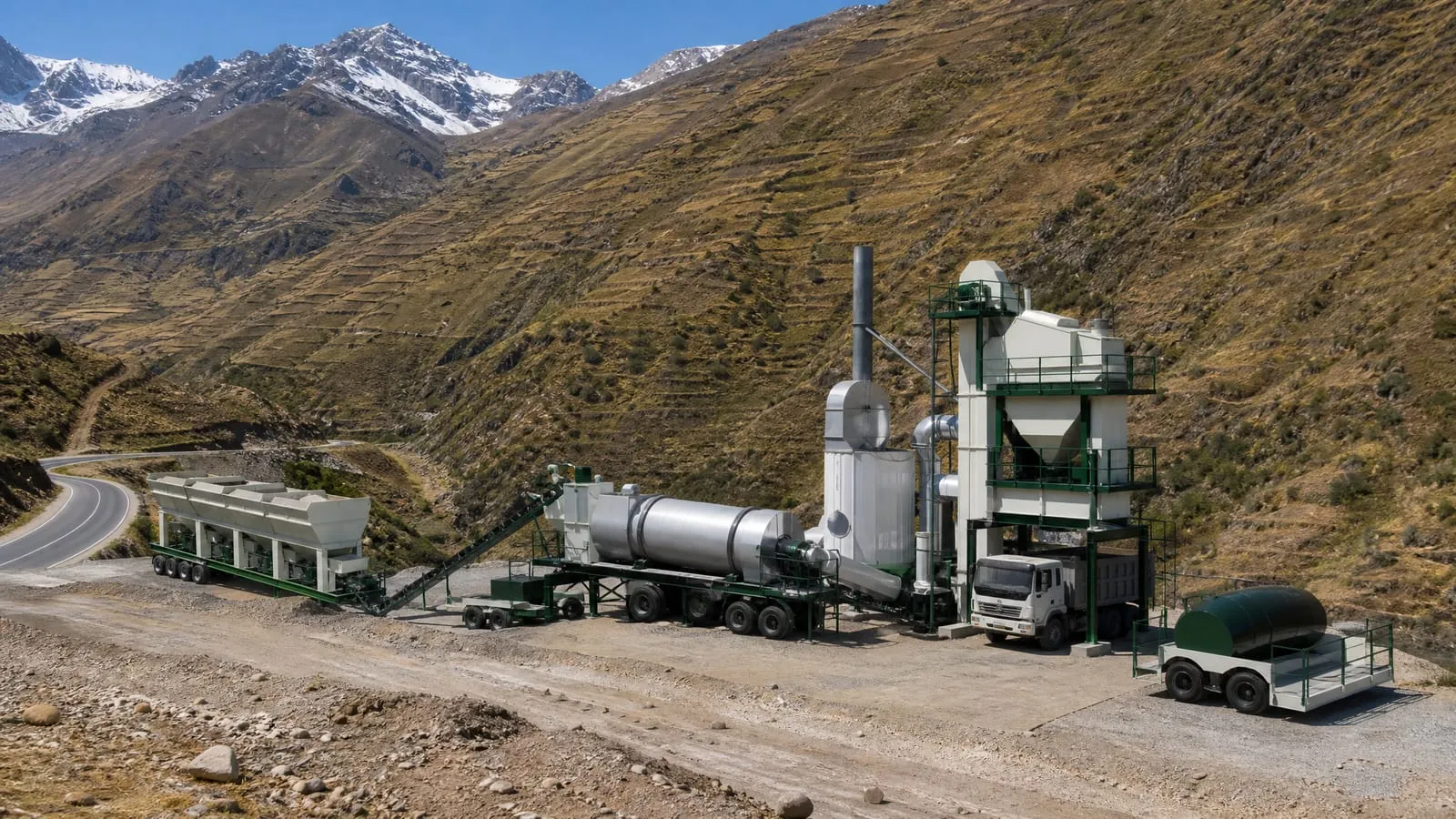
For Ecuador, a mobile or containerized batch plant of 60–120 t/h suits maintenance and rehabilitation of mountain roads; a stationary plant suits a base near Quito or Guayaquil. See the mobile plant, the containerized plant and the stationary batch plant.
Ecuador at a glance for plant buyers
| Topic | What to know | What it means for the plant |
|---|---|---|
| State network | 9,858.6 km | Medium-size network with high maintenance need |
| Condition | 42% good or very good (late 2024); 38% (Feb 2025); 59% regular or poor at end-2025 | Rehabilitation and resurfacing demand |
| 2024 budget | About US$139 million for works and maintenance | Steady, mid-sized contracts |
| Terrain | Andes, rain, landslides | Altitude derating; protected stockpiles |
| Power | 60 Hz | Motors and panels for 60 Hz |
What the figures say
The ministry reported the state road network at 9,858 km at the end of 2024, with 42% in very good or good condition; a February 2025 report put the share at 38%, with 2,067 km (20.97%) needing caution and 37.57% in regular condition. A ministry report gave a 2024 budget of about US$139 million for construction, rehabilitation, widening, maintenance and conservation, including paving and patching. A press note from April 2026 says the network is now administered by the Ministry of Infrastructure and Transport and that 59% was in regular or poor condition at the close of 2025. I found no official figure for paved kilometres.
Choosing the plant
| Job | Starting point |
|---|---|
| Mountain maintenance | Mobile RMX-M80 |
| Rehabilitation lots | Containerized RMX-C120 |
| Base near Quito or Guayaquil | Stationary batch RMX-B120 |
Altitude, rain and power
At altitude the air is thinner, so give us the site height (cold and altitude guide). Cover stockpiles for the wet season, and order for 60 Hz (50 Hz vs 60 Hz guide).
Next steps
Send us your altitude, tonnage and fuel and we will propose a configuration.
Sources: Ministry of Transport and Public Works statements (2024–2025); Primicias and Vistazo reports (2025–2026).