The short answer
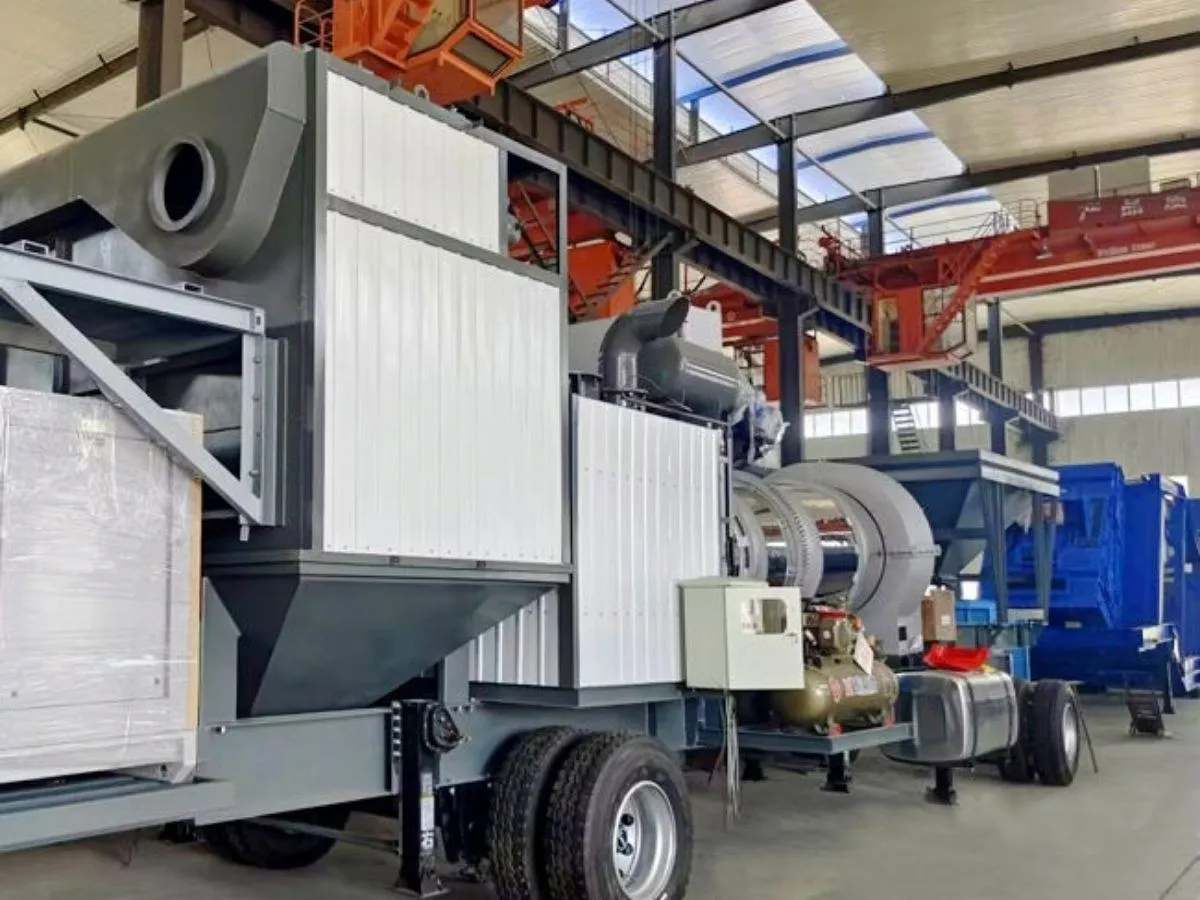
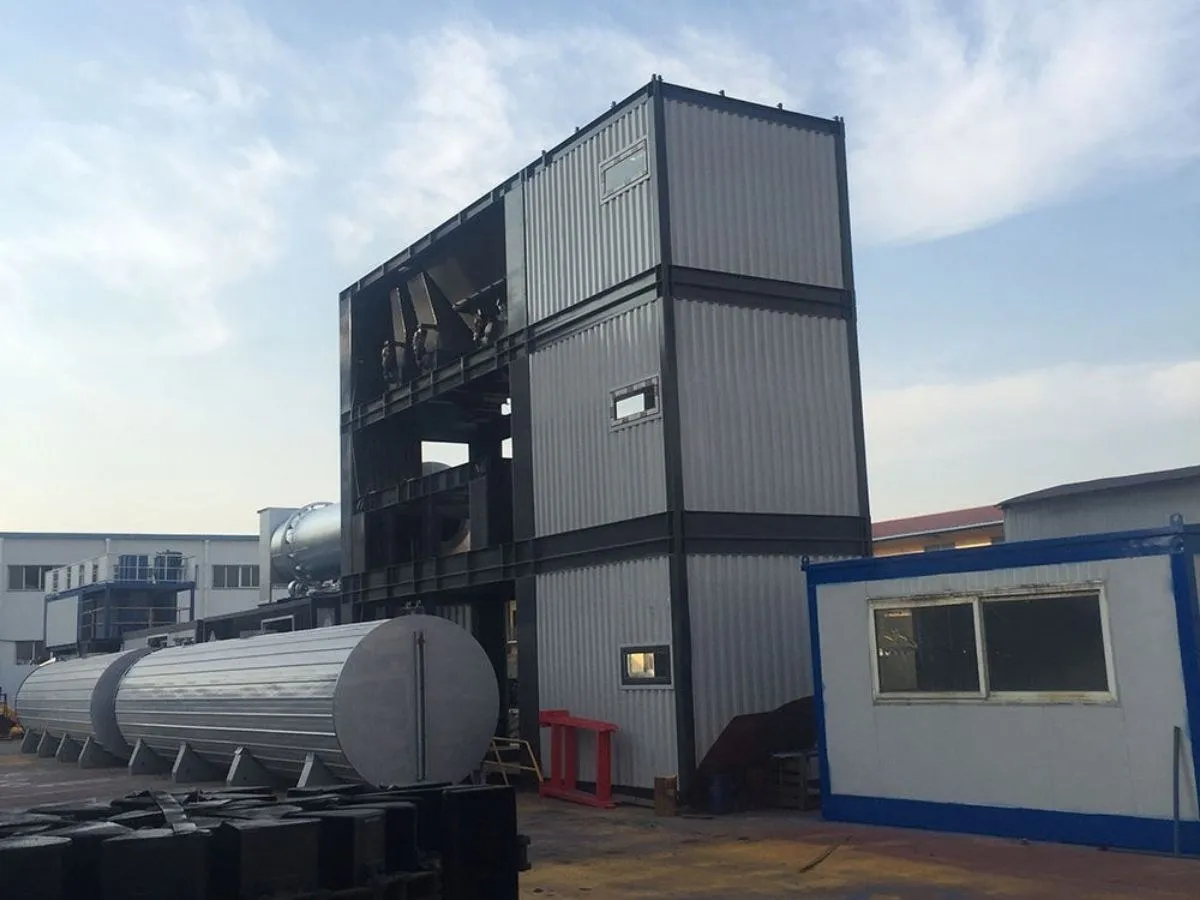
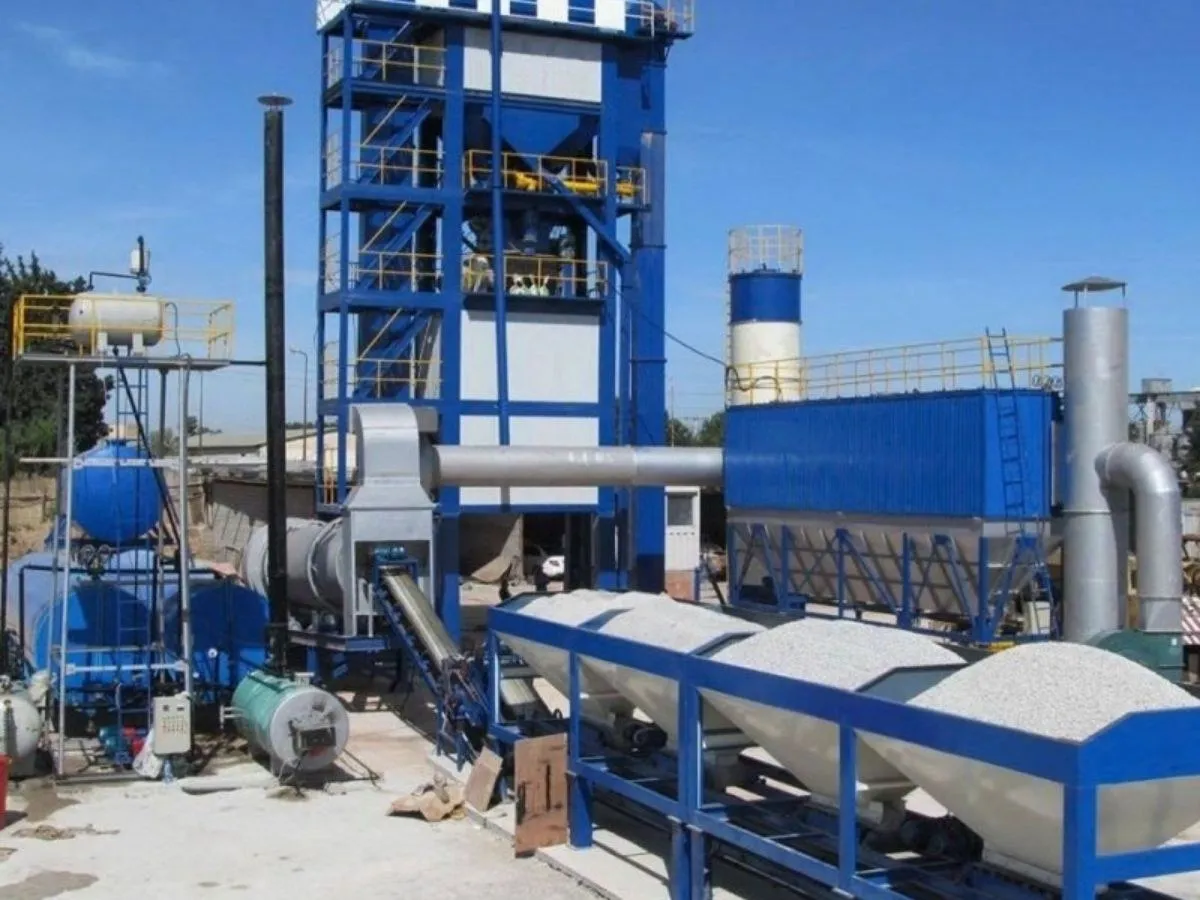
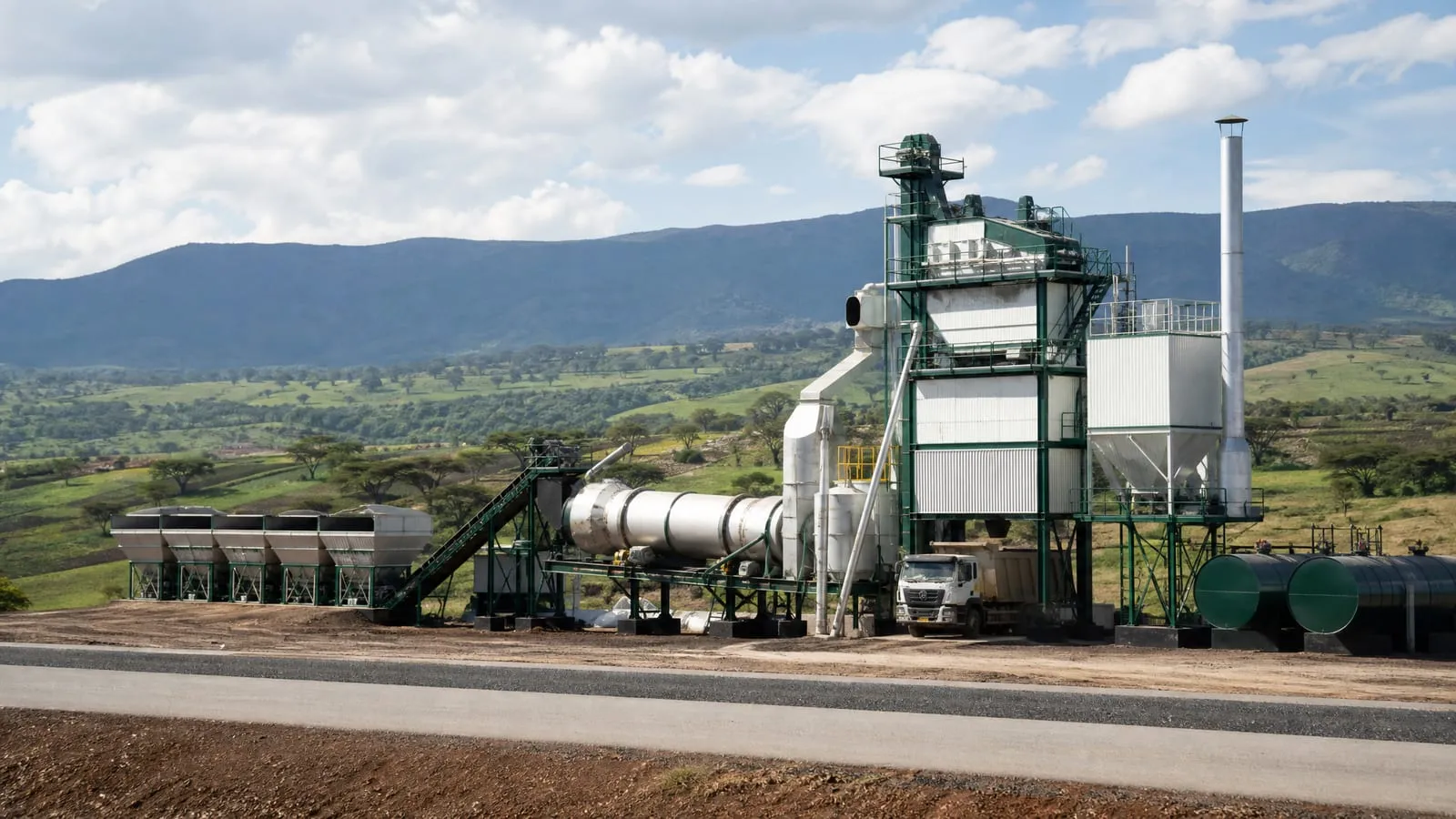
For Malawi, a mobile or containerized batch plant of 60–80 t/h is the usual starting point for resealing and rehabilitation lots; the country is small, so one base can serve several lots. Compare the mobile plant, the containerized plant and the stationary batch plant.
Malawi at a glance for plant buyers
| Topic | What to know | What it means for the plant |
|---|---|---|
| Classified network | 15,451 km; 4,312 km (about 28%) paved (about 2017) | Most roads unpaved |
| JICA 2022 | About 26% paved, citing a 2018 review | Definitions differ |
| Condition of paved roads | 2014 survey: 38% good, 40% fair, 22% poor | Resealing and rehabilitation need |
| Corridors | Nacala Corridor, 1,335 km from Lusaka to Nacala | Large corridor projects |
| Access | Landlocked; Mozambican or Tanzanian port, then road | Plan transit |
What the figures say
A Roads Authority table of about 2017 gives a classified network of 15,451 km, of which 4,312 km (about 28%) is paved and 11,139 km unpaved; an earlier presentation gave 4,038 km paved, and a 2022 JICA paper cites about 26% (2,317.7 km), which conflicts with the other sources. The authority’s 2014 survey rated 38% of paved roads good, 40% fair and 22% poor. The Nacala Corridor runs 1,335 km from Lusaka through Malawi to Nacala port, and an African Development Bank notice describes a 60-month rehabilitation project along it. I found no 2024 figure.
Choosing the plant
| Job | Starting point |
|---|---|
| Resealing and short lots | Mobile RMX-M60 or M80 |
| Corridor rehabilitation | Containerized RMX-C120 |
| Commercial plant near a city | Stationary batch RMX-B80 |
Landlocked logistics
Plan the port, transit time and heaviest piece against road limits; see the shipping checklist and import documents for Africa.
Next steps
Send us your tonnage, area and fuel and we will propose a configuration.
Sources: Roads Authority table (about 2017); JICA sector paper (2022); African Development Bank procurement notice.