The short answer
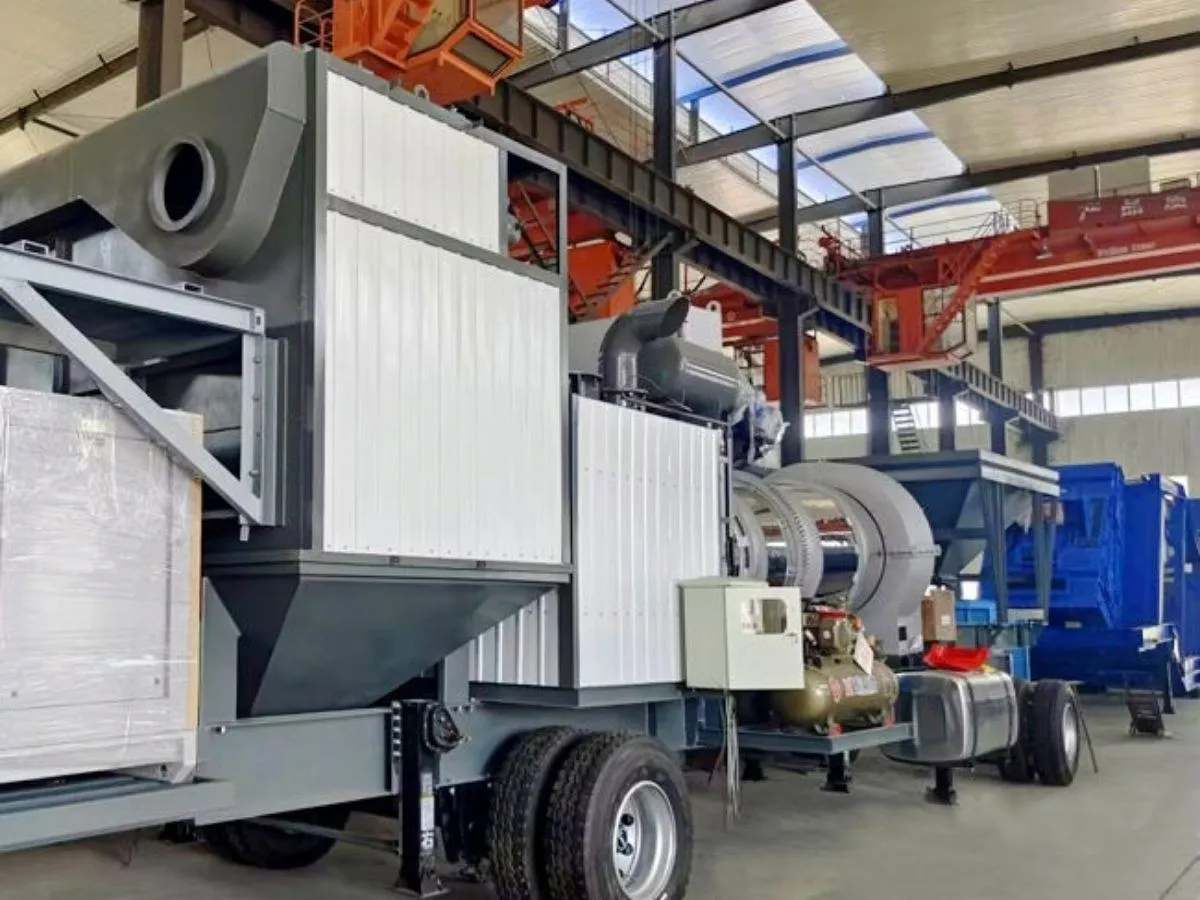
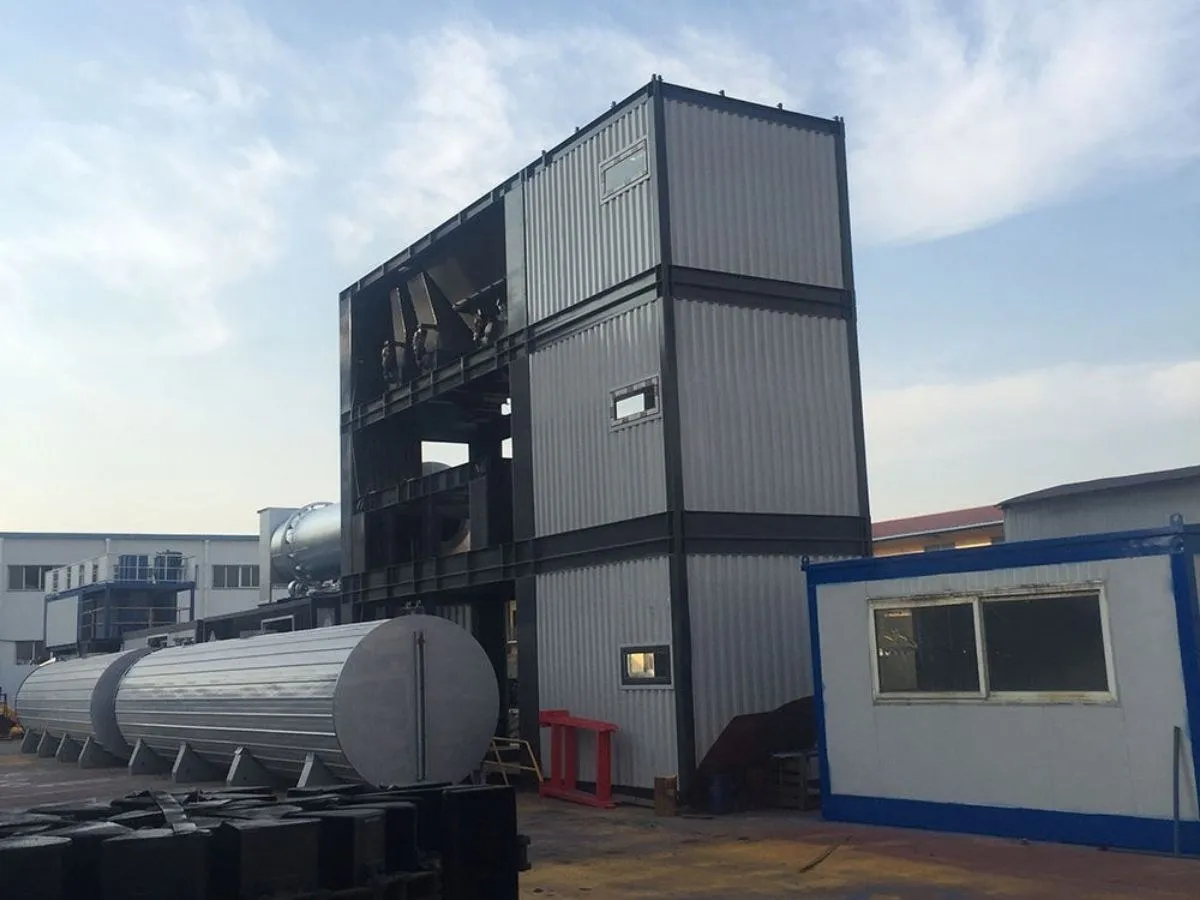
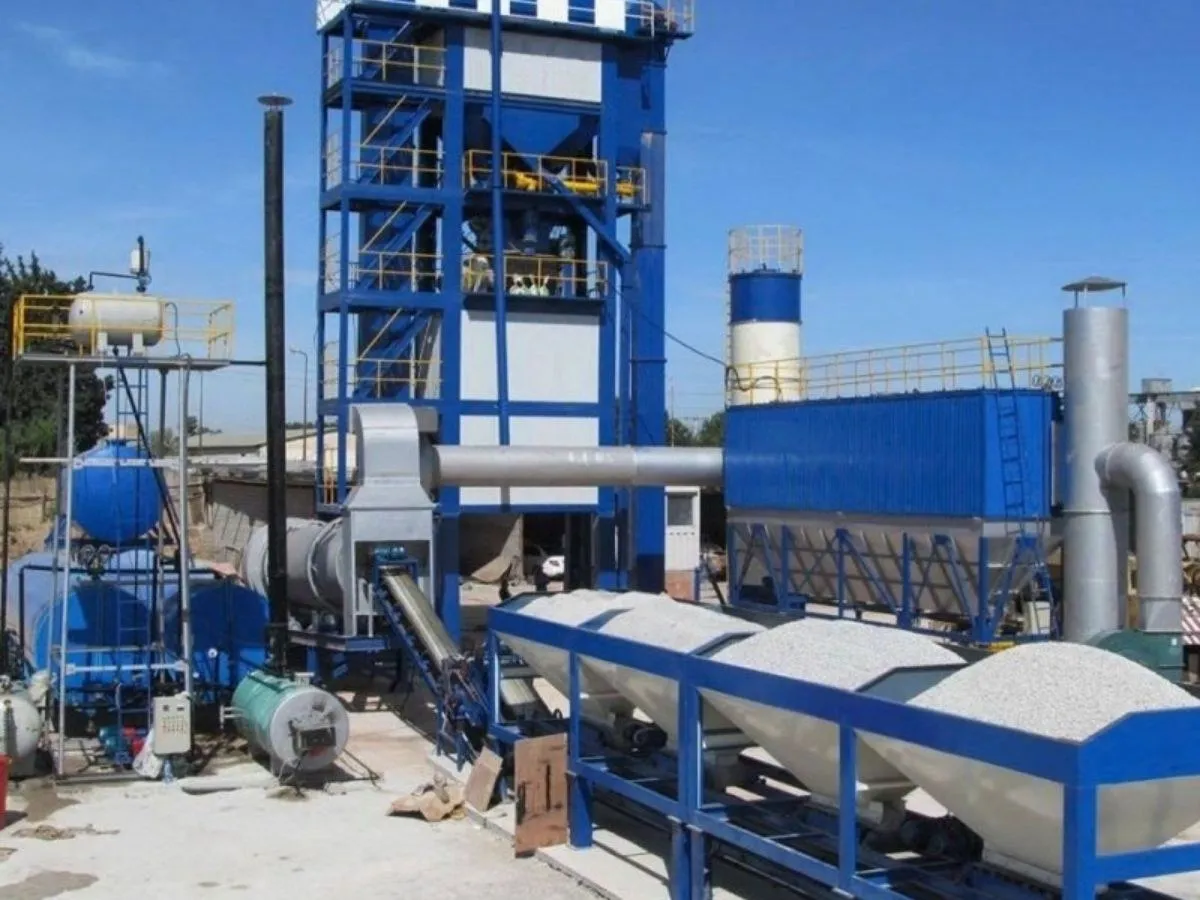
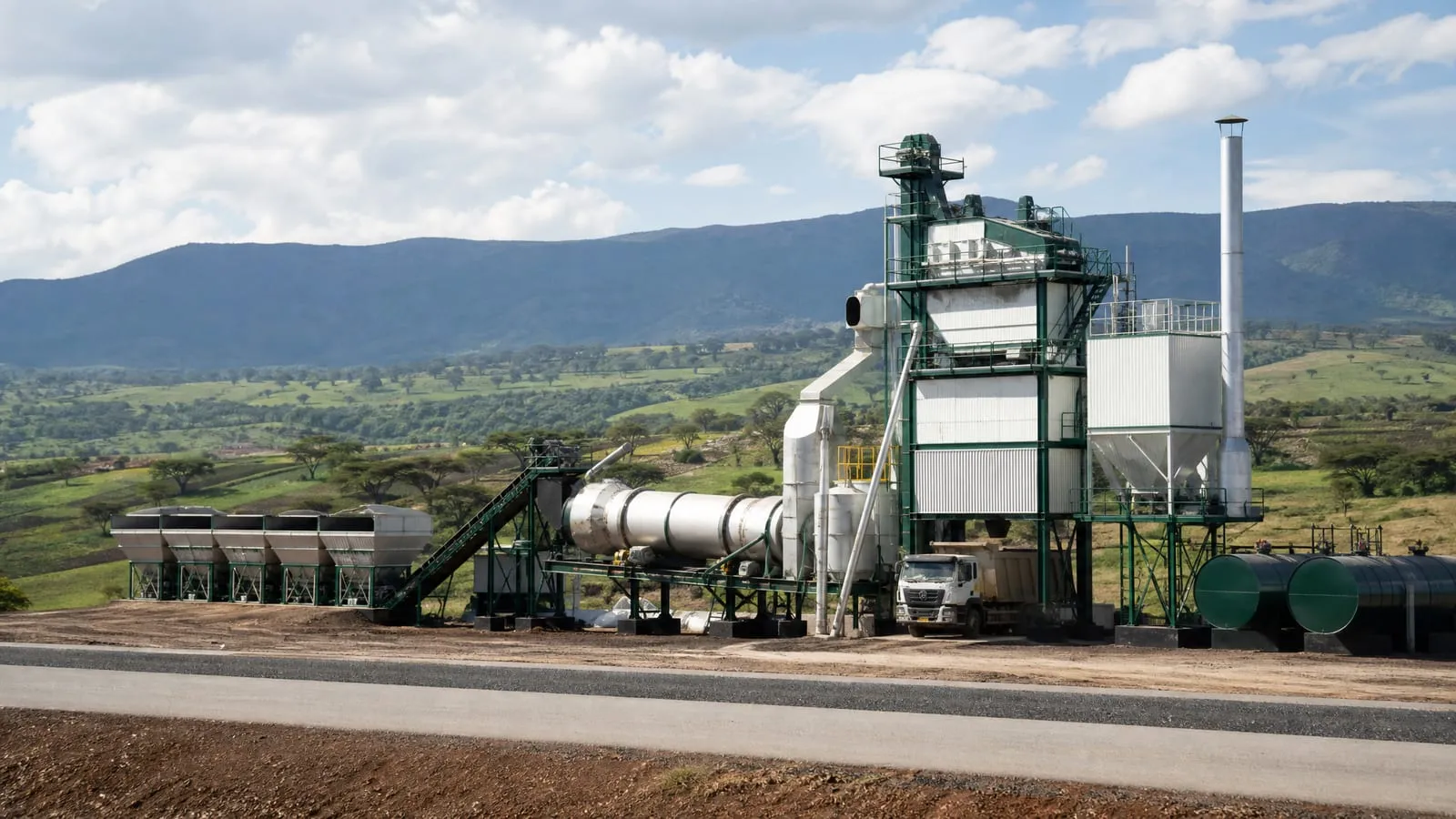
For Rwanda, a 60–120 t/h mobile or containerized batch plant is the usual starting point; the country is small enough that one well-placed plant can serve several lots. Look at the mobile plant or containerized plant; a stationary plant fits a commercial base near Kigali.
Rwanda at a glance for plant buyers
| Topic | What to know | What it means for the plant |
|---|---|---|
| Paved network | 2,652 km in 2024, from 1,425.5 km in 2020 (Ministry of Infrastructure) | Fast growth, ongoing programmes |
| Plan | Over 800 km built or rehabilitated by 2029 | Steady demand through the decade |
| Client | RTDA | Contract-specific specifications |
| Terrain | Hilly, high rainfall | Wet aggregate, steep haul roads |
| Access | Landlocked; regional port, then road | Container-sized modules |
What the figures say
The Ministry of Infrastructure lists the national paved network at 2,652 km in 2024, against 1,425.5 km in 2020. A KT Press article repeats the order of magnitude (over 2,600 km, from about 530 km in 1993). In August 2025 it reported a plan to build or rehabilitate over 800 km by 2029: more than 300 km of new main roads and at least 500 km of feeder roads. The RTDA inaugurated three projects in October 2025, including the 73 km Nyagatare–Rukomo road. One wiki cites a far larger paved total that conflicts with these; I did not use it.
Choosing the plant
| Job | Starting point |
|---|---|
| Main-road package | Containerized RMX-C120 |
| Feeder roads and maintenance | Mobile RMX-M60 or M80 |
| Commercial plant near Kigali | Stationary batch RMX-B80 |
Rain and hills
High rainfall wets the aggregate, so cover the stockpiles and size the dryer for the real moisture (rainy-season production). On steep roads, check truck loads and the mix temperature at the paver.
Next steps
Send us your tonnage, lots and fuel and we will propose a configuration.
Sources: Ministry of Infrastructure (2024); KT Press (August 2025); Rwanda Transport Development Agency (October 2025).